
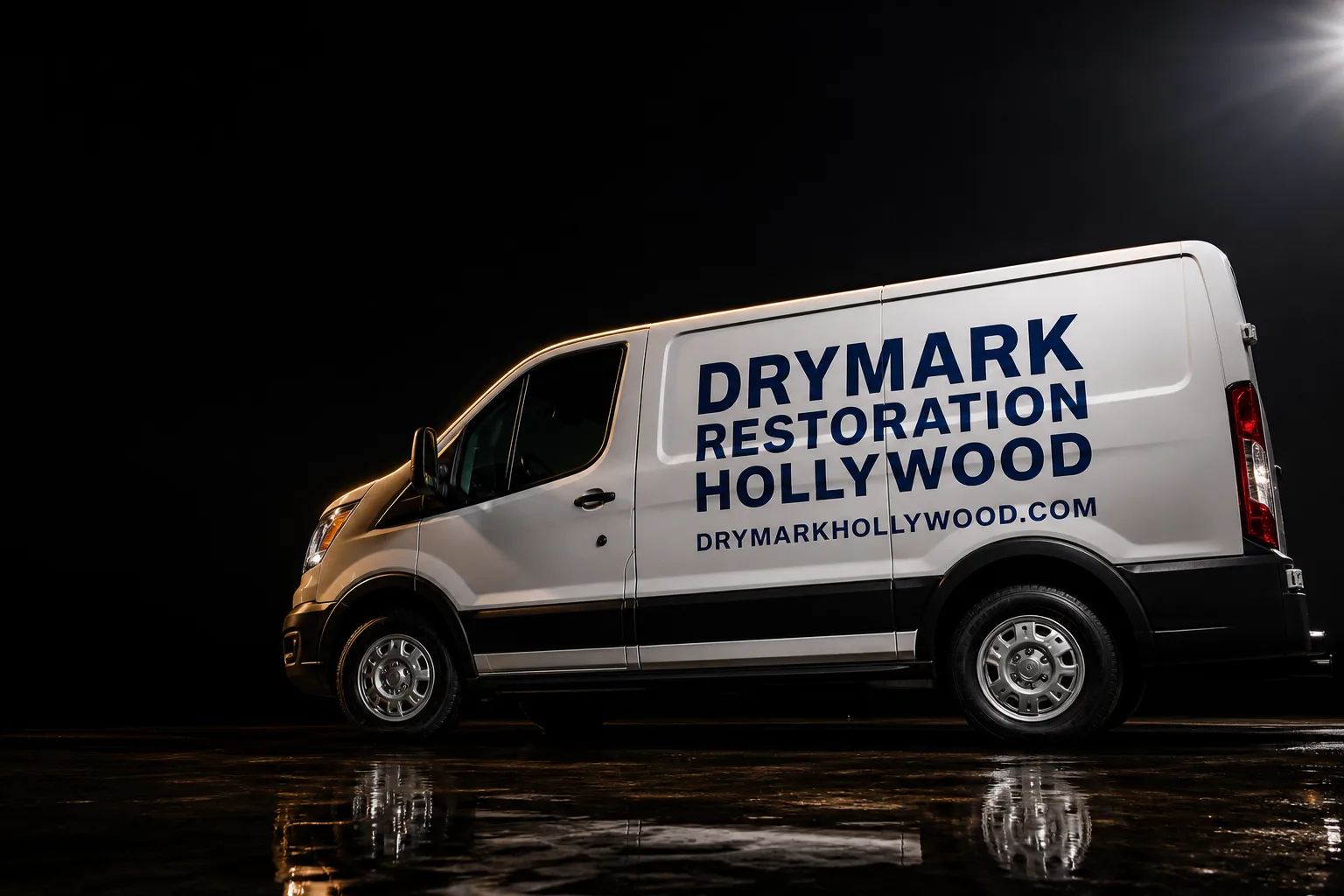
Free visual inspection and a written scope of work before any mitigation begins - photos, moisture readings, and drying logs go in your claim file
The scope we write is the scope we bill. Anything new gets shown to you, in writing, before we touch it.
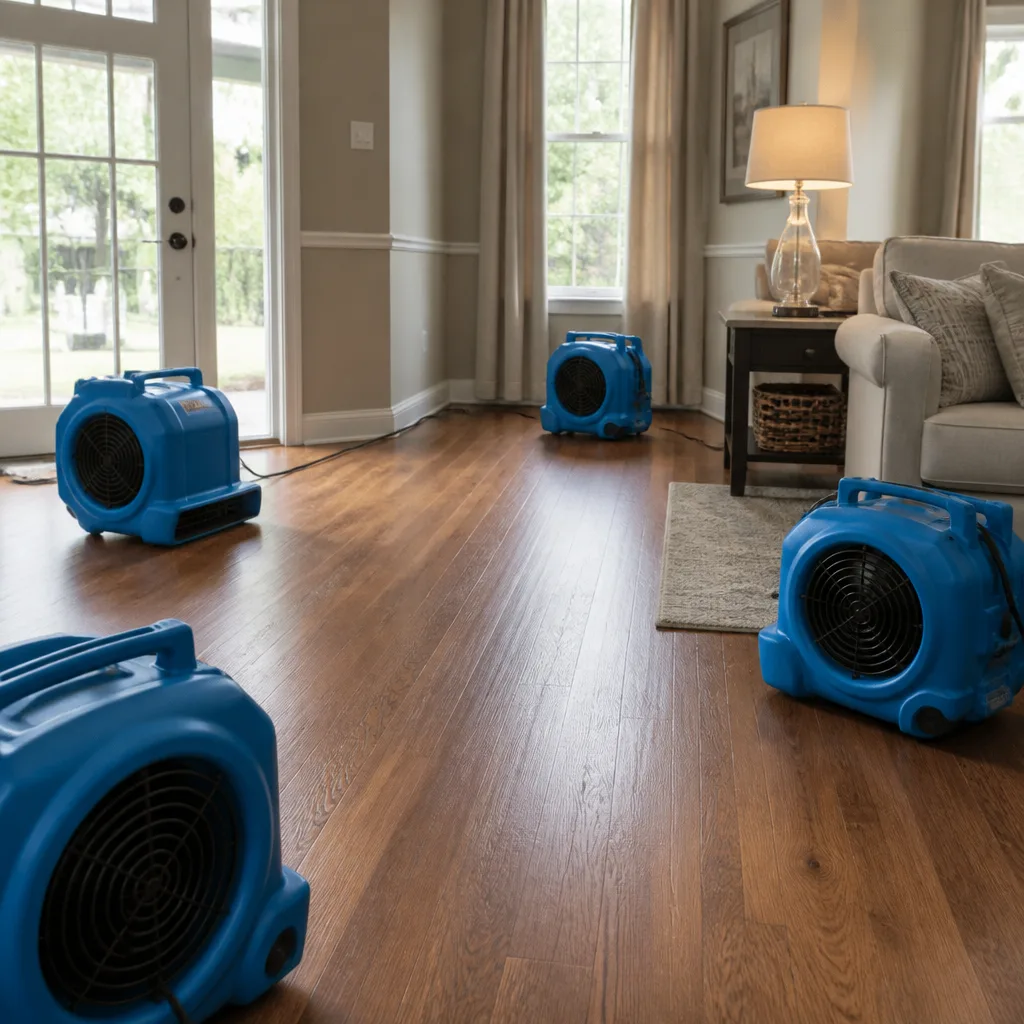
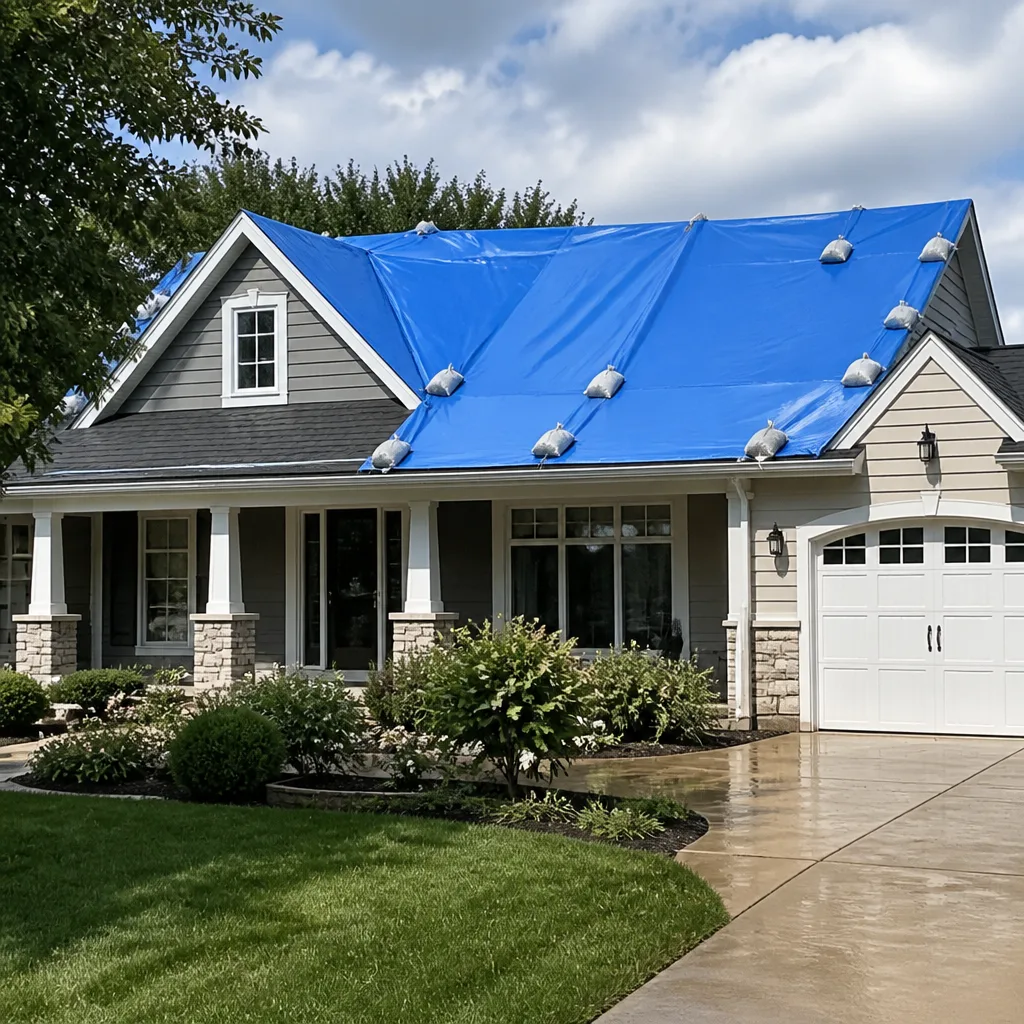
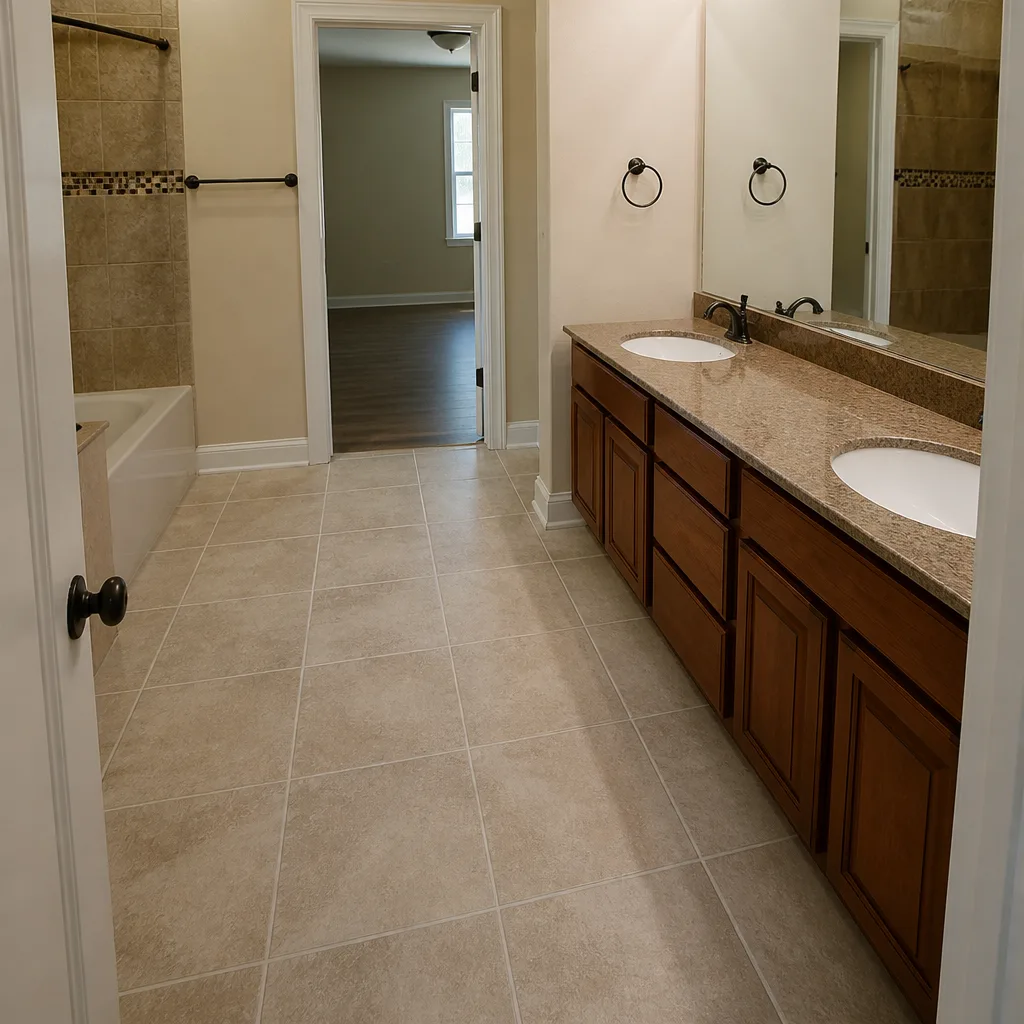
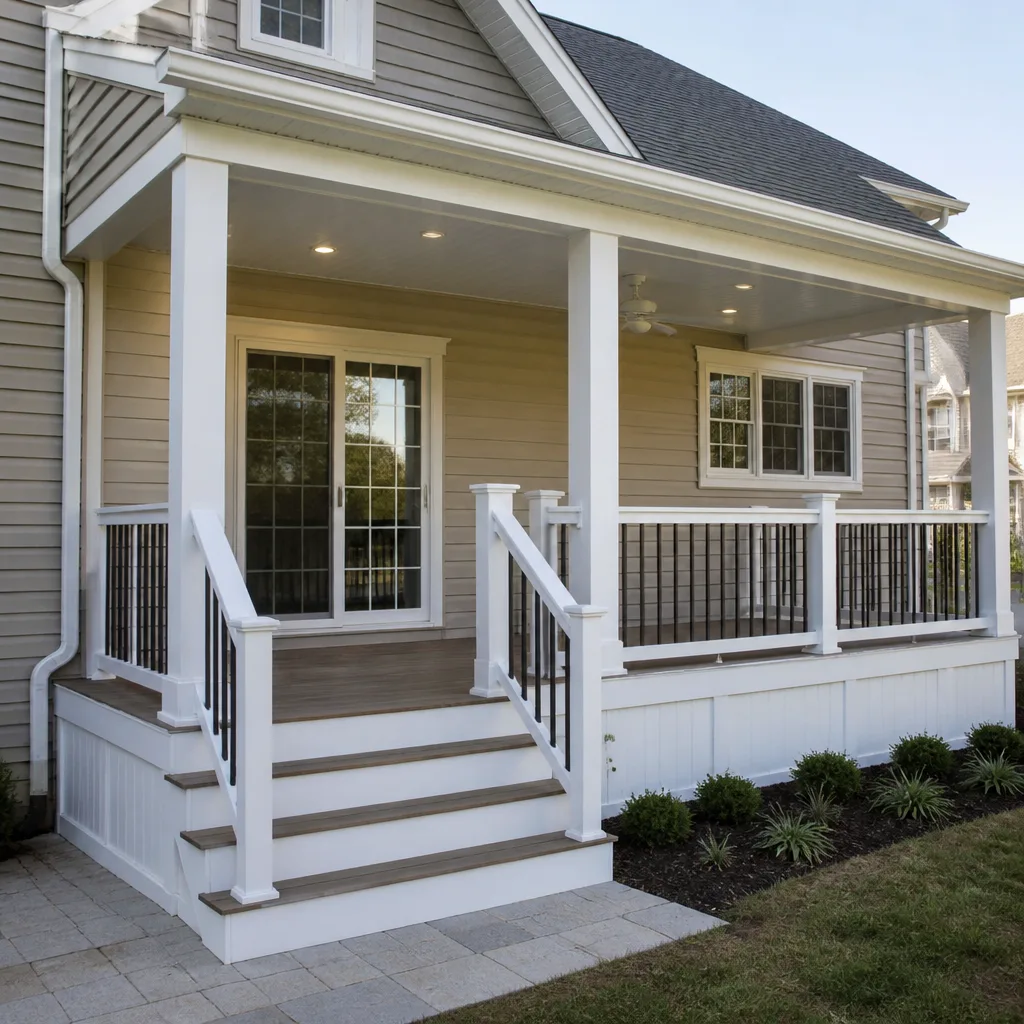
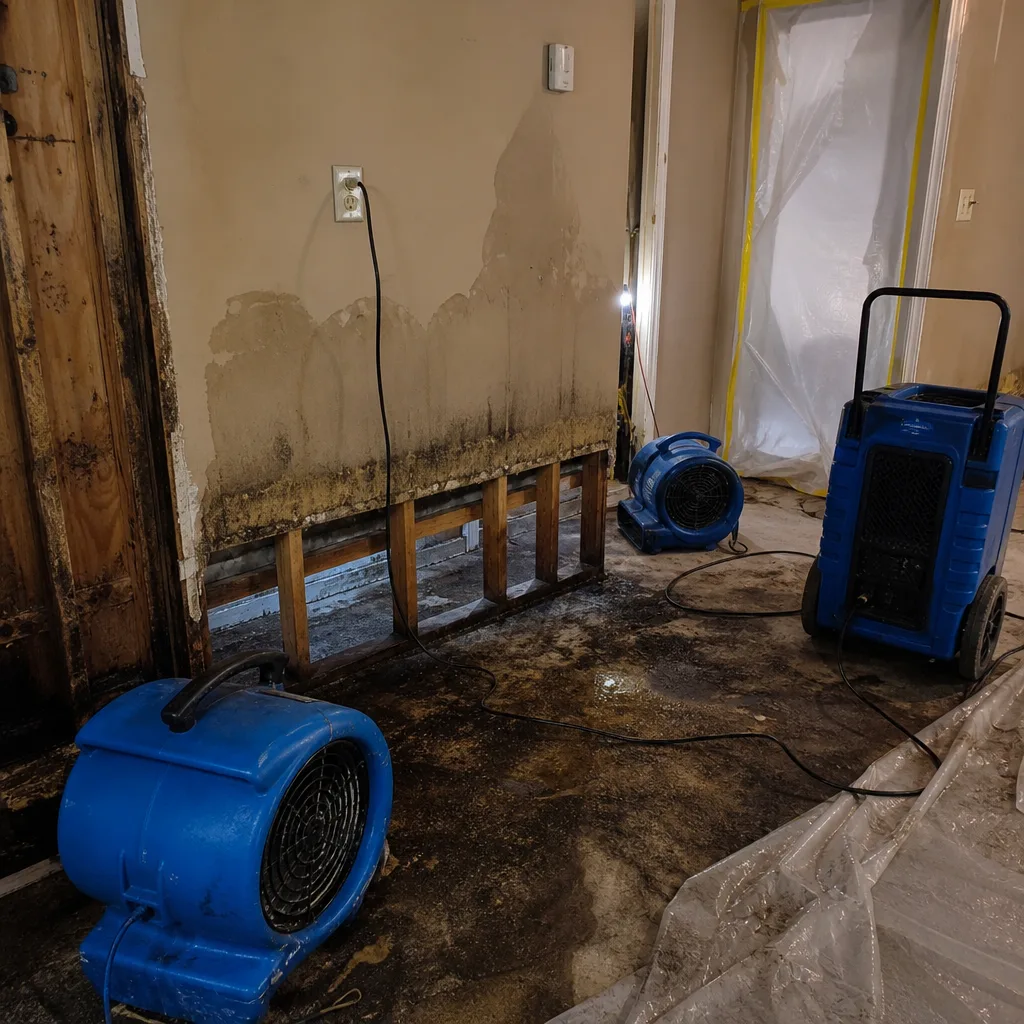 Before
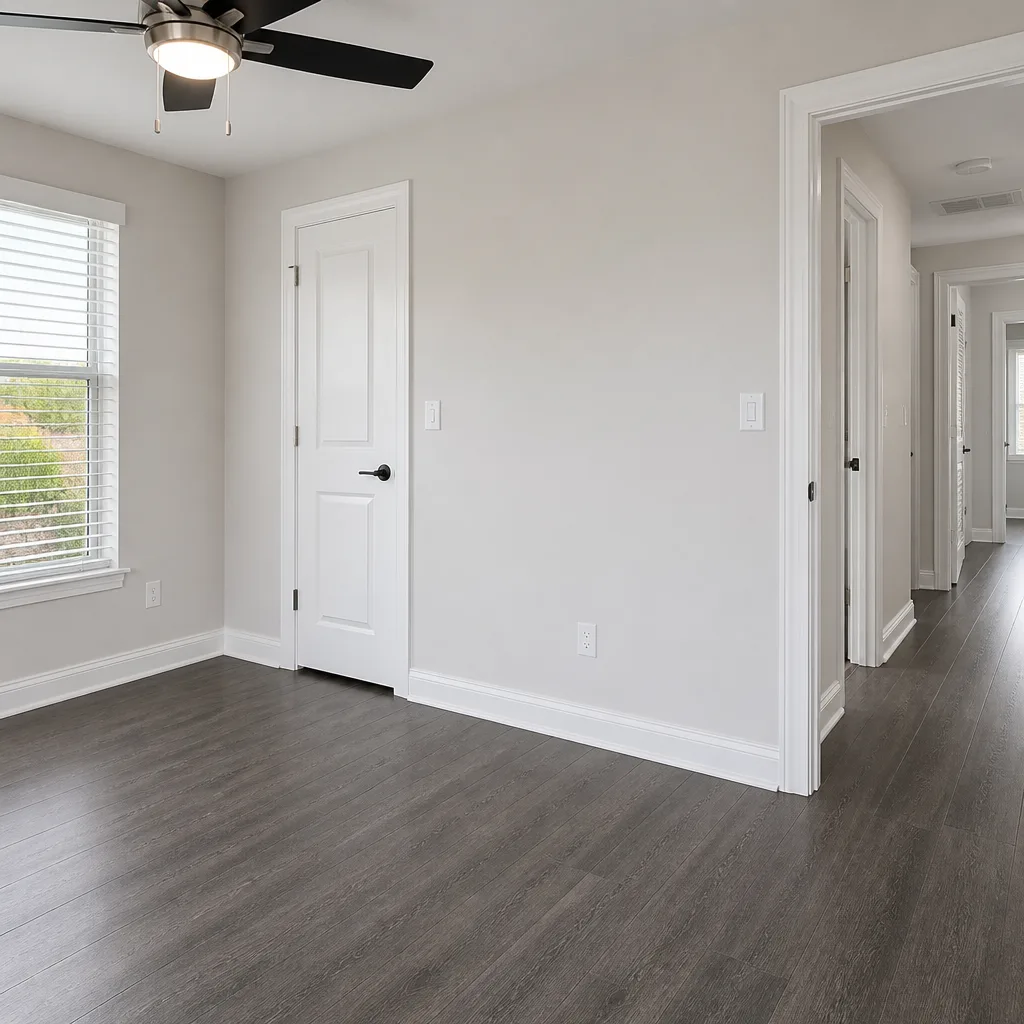 After
After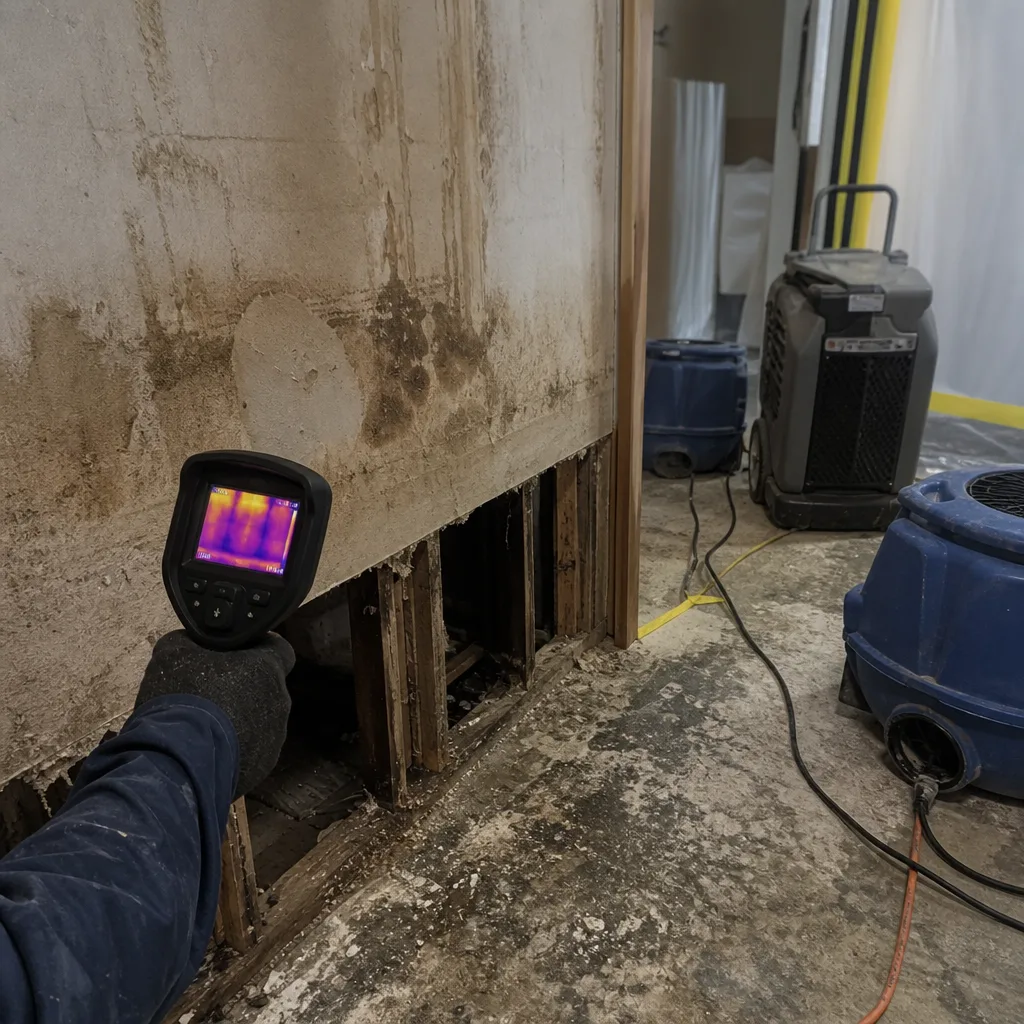 Before
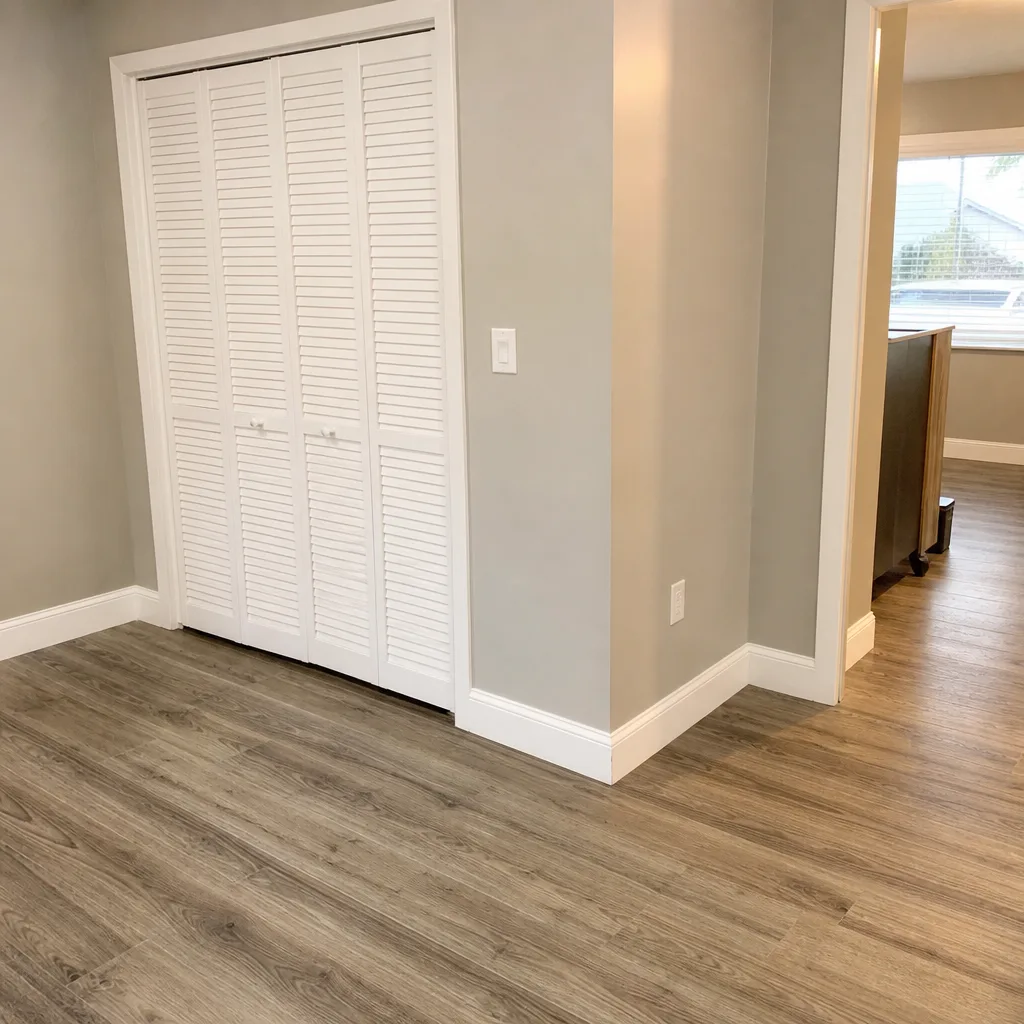 After
After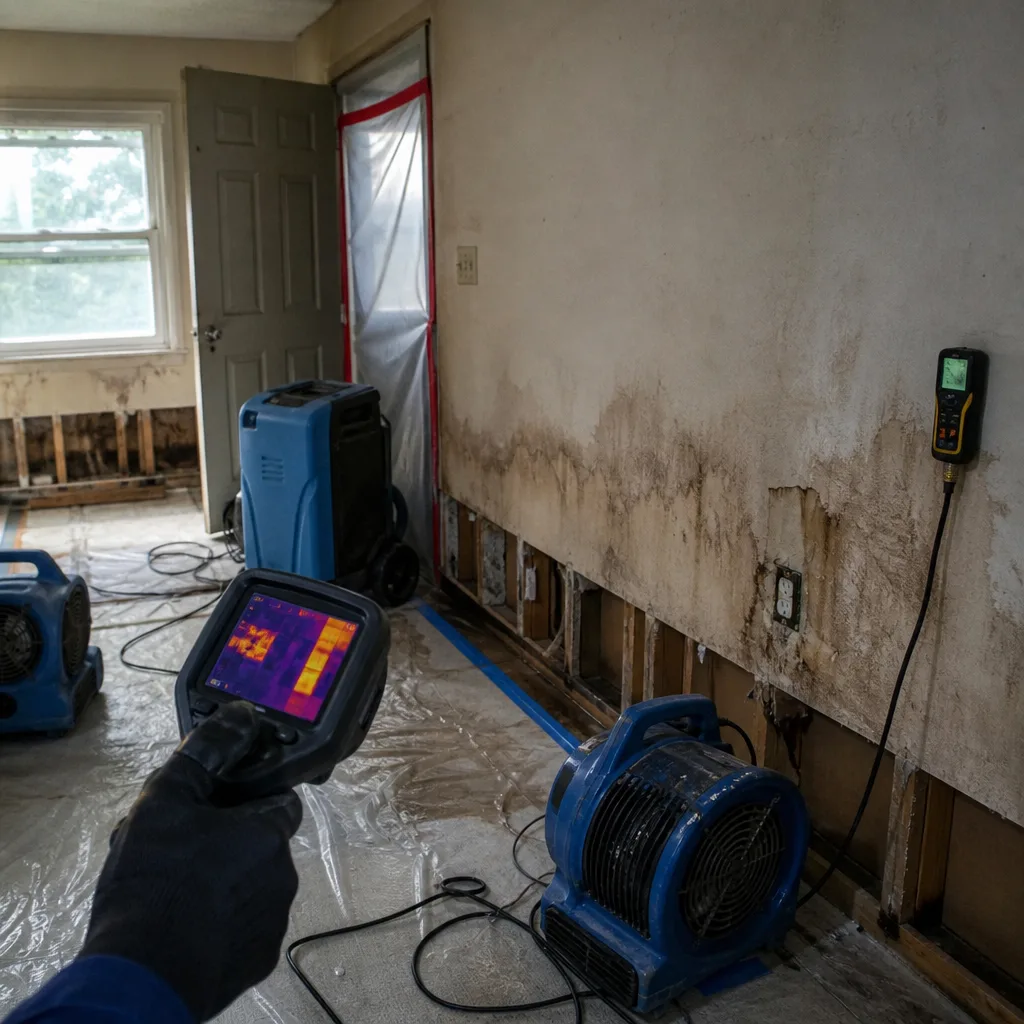 Before
 After
After24/7 Emergency Fire & Smoke Damage Restoration in Hollywood
A kitchen fire in a Hollywood Beach condo can send smoke through a dozen units before the alarm stops. Call (754) 222-3479 and a live person answers, 24 hours a day, no voicemail trees. Our crews dispatch from our Miami (South FL) office and are typically on-site in Hollywood within 45 minutes. The first hour determines whether soot sets into drywall permanently, whether smoke odor migrates into concrete slab cracks, and whether your restoration stays a single-unit job or expands into a building-wide scope. We arrive with thermal imaging cameras, HEPA air scrubbers, and the documentation kit that starts your insurance file from minute one. Every job begins with a free visual inspection and a written price before any work starts, Haven Standard, Clause 1.
Understanding Fire & Smoke Damage Restoration Severity in Hollywood Properties
Fire damage in Hollywood splits into three severity tracks: surface soot on intact materials, deep smoke residue requiring media blasting or thermal fogging, and structural compromise from heat plus the water used to extinguish the blaze. Soot types matter. Dry smoke, from fast-burning paper and wood, powders and wipes. Wet smoke, from slow-burning plastics and synthetics, smears and bonds to surfaces. Protein residue, nearly invisible from kitchen fires, discolors varnishes and carries a rancid odor that standard cleaners cannot touch.
Hollywood’s housing stock intensifies every severity level. The 1960s-1980s Intracoastal condos along A1A and the Intracoastal Waterway were built with post-tension concrete slabs, flat roofs, and minimal fire-stopping between units. Smoke migrates through utility chases, balcony drainage paths, and failed waterproofing membranes into adjacent floors. The mid-century CBS ranch homes in Emerald Hills and West Hollywood have original plaster and lath, dense framing, and decades of layered paint that trap smoke residue. Tertiary drying, the final phase where we chase bound moisture in dense materials, runs longer here than in newer frame construction. Vapor pressure differential, the force that drives moisture from wet materials into dry air, must be carefully managed in these older assemblies to prevent secondary damage.
Why Hollywood Property Owners Choose DryMark Restoration Hollywood
- 45-minute response commitment to Hollywood addresses, with crews staged from our Miami (South FL) office for immediate dispatch.
- 24/7 live answer - a real person, never an automated system or next-business-day callback while smoke residue continues to etch surfaces.
- IICRC-certified crews holding FSRT (Fire and Smoke Restoration Technician) and WRT (Water Damage Restoration Technician) credentials, with AMRT (Applied Microbial Remediation Technician) certification for the antimicrobial phase.
- Free visual inspection with thermal imaging and moisture mapping included, documented with photos before we leave.
- Direct insurance billing with photo-documented drying logs and line-item scopes that adjusters recognize and pay without dispute.
- One team from soot removal to structural repair - no handoffs to unknown subcontractors, no gaps in documentation.
 Before
 After
AfterOur Fire & Smoke Damage Restoration Process
1. Inspection & Assessment
We document the full smoke migration path with thermal imaging, test soot residue type on multiple surfaces, and measure moisture saturation in walls, floors, and structural members. In Hollywood’s coastal condos, we inspect adjacent units for smoke intrusion through shared utility chases and slab cracks. You receive a written scope and price before any work begins.
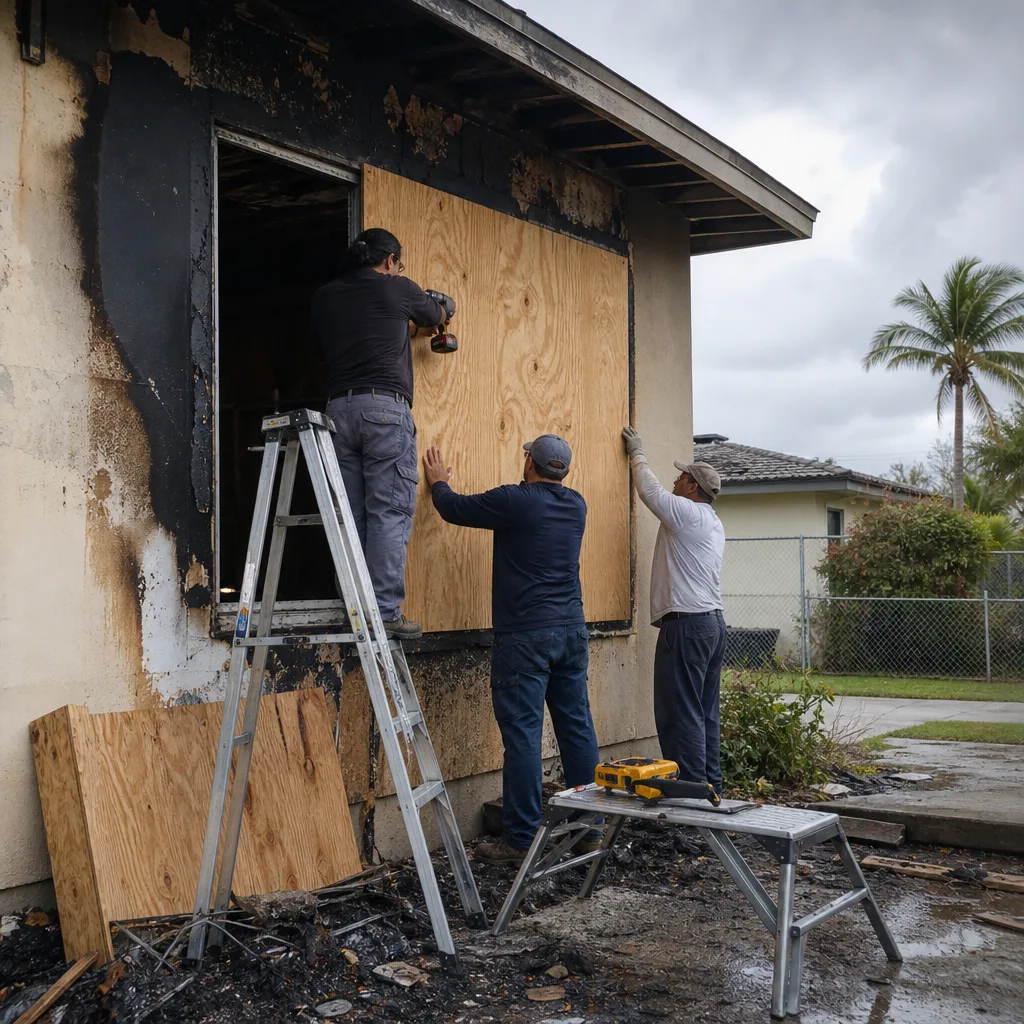
2. Emergency Board-Up & Stabilization
Broken windows, compromised doors, and fire-damaged roof sections get secured with plywood and weatherproof tarps. We coordinate with building management on A1A and Intracoastal properties to maintain access for residents and comply with HOA security protocols. Stabilization prevents additional water intrusion during South Florida’s sudden afternoon storms.
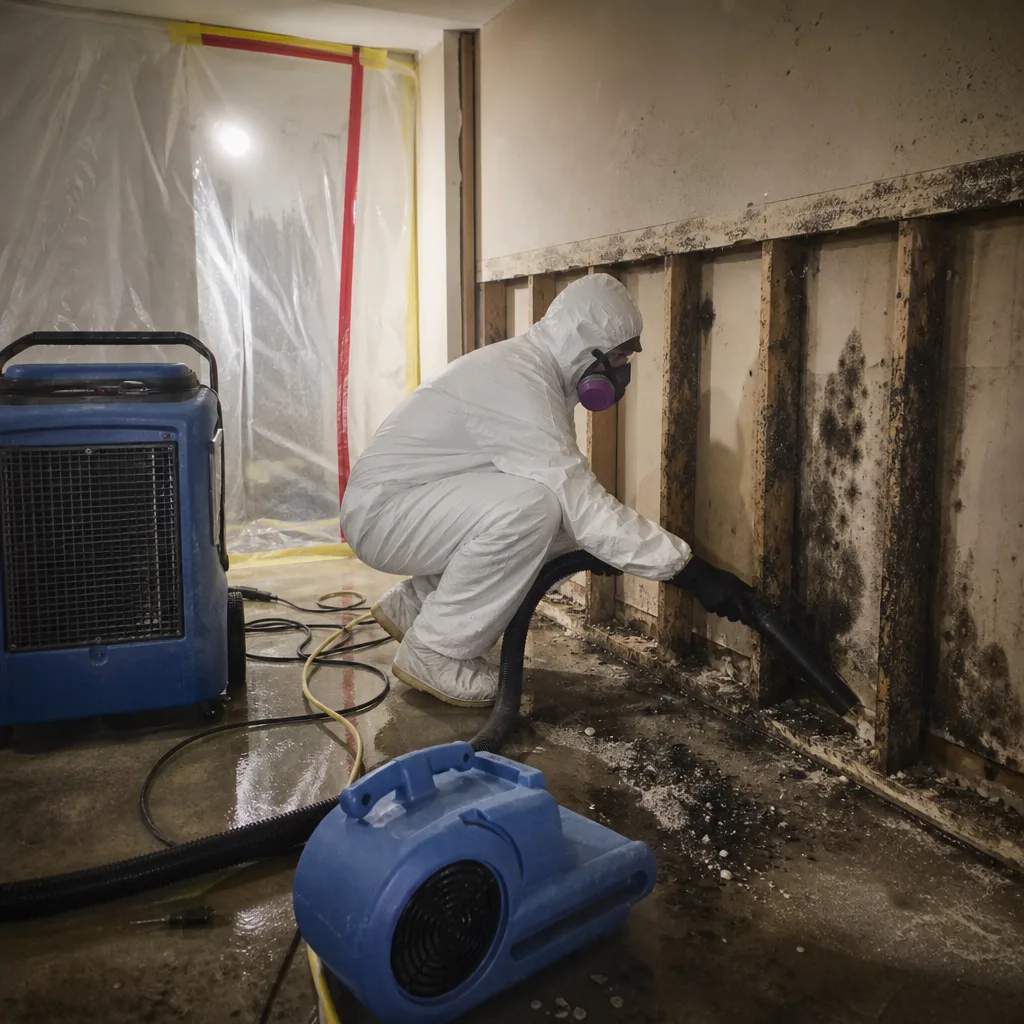
3. Water Extraction & Structural Drying
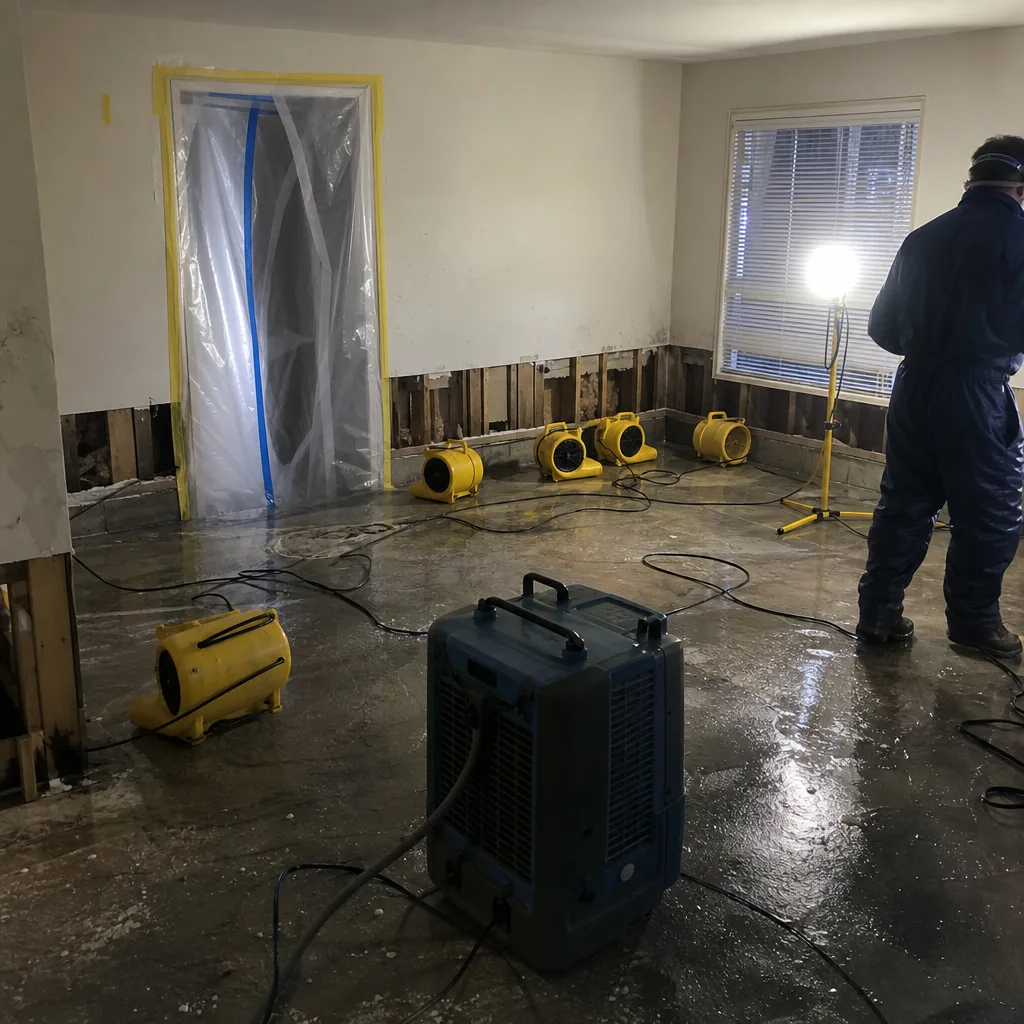
Fire suppression leaves thousands of gallons in walls and subfloors. We deploy Injectidry panel drying systems, Phoenix dehumidifiers, and high-velocity air movers to establish vapor pressure differential and draw moisture from dense concrete and plaster. Daily moisture logs track progress to IICRC S500 standards.
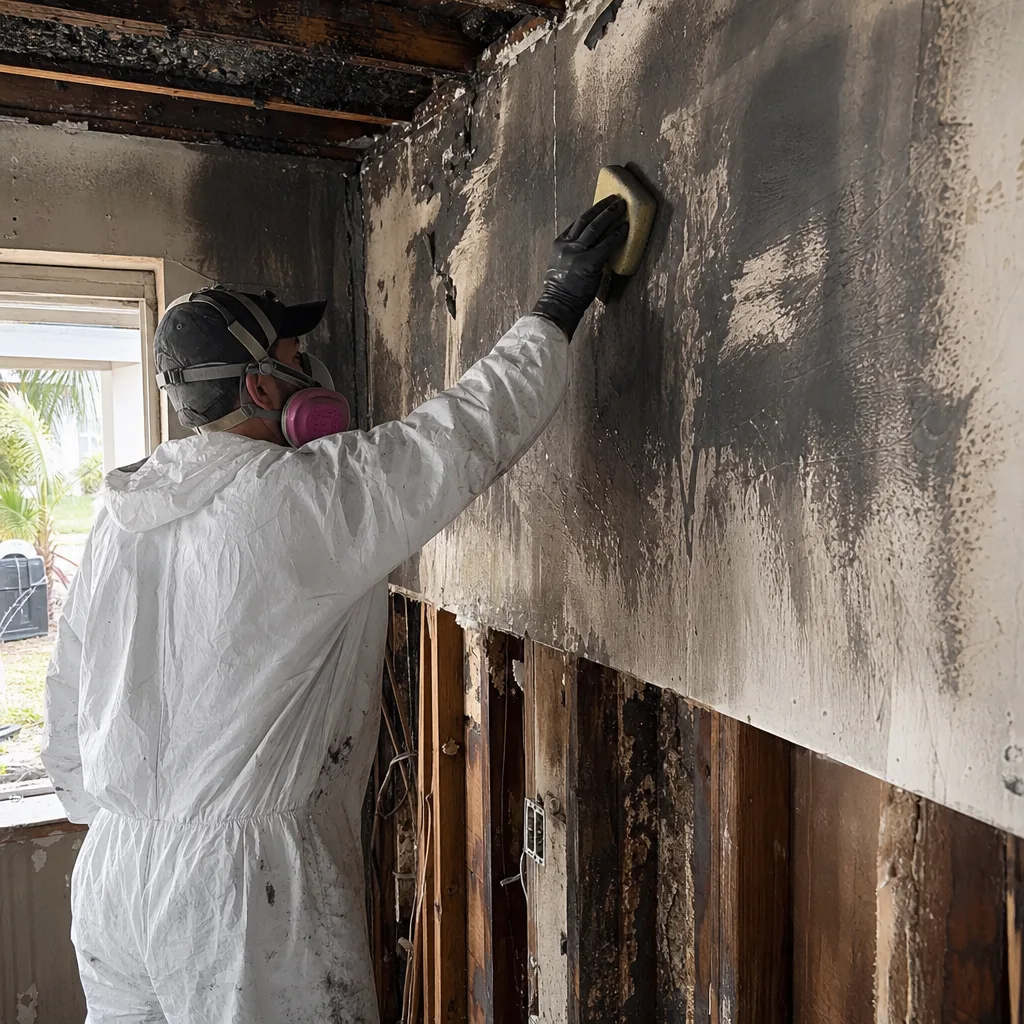
4. Smoke & Soot Removal
Dry soot gets HEPA vacuumed; wet soot requires chemical sponges and surfactant cleaning. Protein residues need alkaline cleaners and sometimes media blasting on brick or stone. In Hollywood’s salt-air environment, we inspect all metal surfaces for corrosion accelerated by fire heat and smoke acids, documenting findings for the insurance file.
5. Odor Deodorization & Air Scrubbing
Thermal fogging recreates the smoke’s heat to open pores and deliver neutralizing agents deep into materials. Hydroxyl generators and activated charcoal filtration run continuously. In condos with failed waterproofing membranes, we extend treatment into adjacent units where odor has migrated through slab cracks, with containment barriers and negative air pressure to protect unaffected spaces.
6. Structural Repair & Restoration
Charred framing gets sistered or replaced. Drywall, insulation, and flooring are removed to the line of demarcation and rebuilt. We coordinate with structural engineers when milestone inspection findings expand the scope, as happens regularly in Hollywood’s aging condo stock. Final walkthrough includes a documented photo record and the 365-Day Done Right Promise under The Haven Standard.
Need Emergency Fire & Smoke Damage Restoration in Hollywood Now?
Crews minutes away, answering live 24 hours a day. The sooner we start, the less it costs.
Working With Your Insurance Company
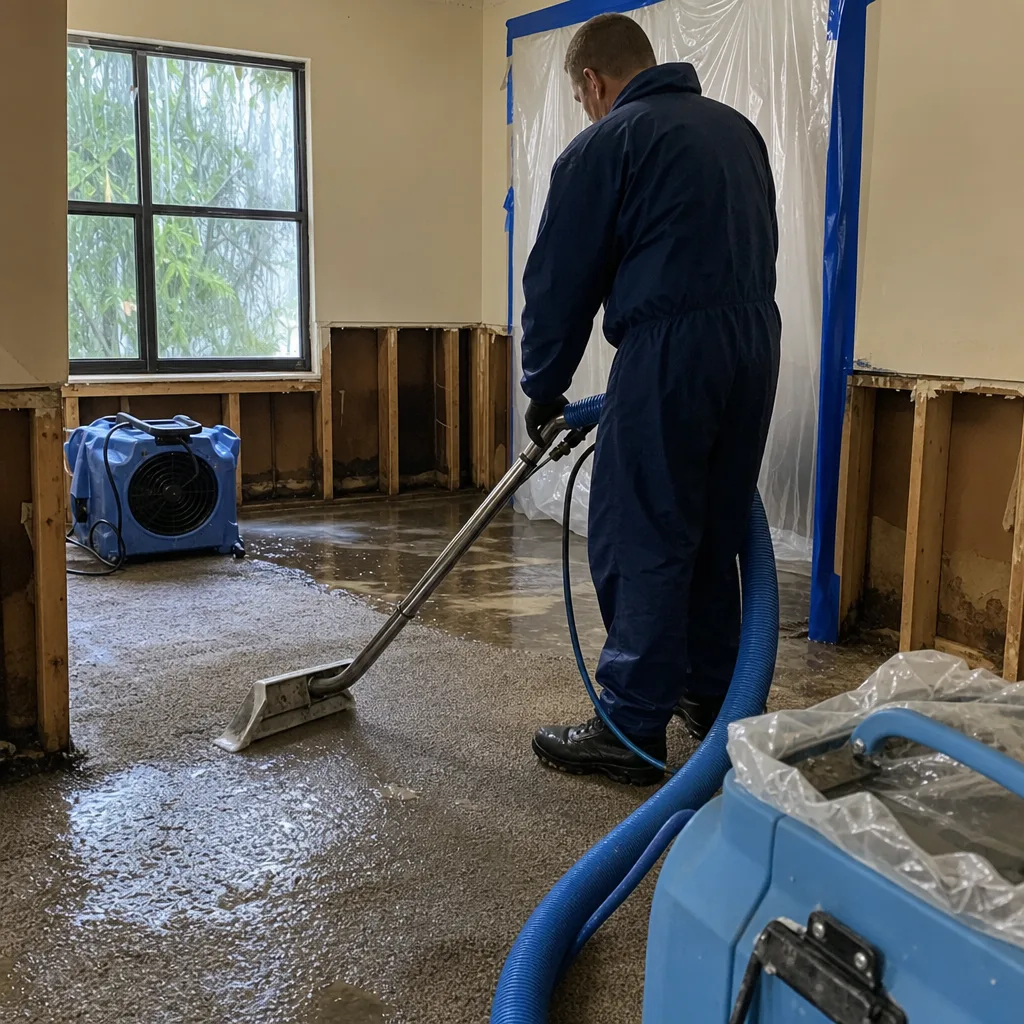
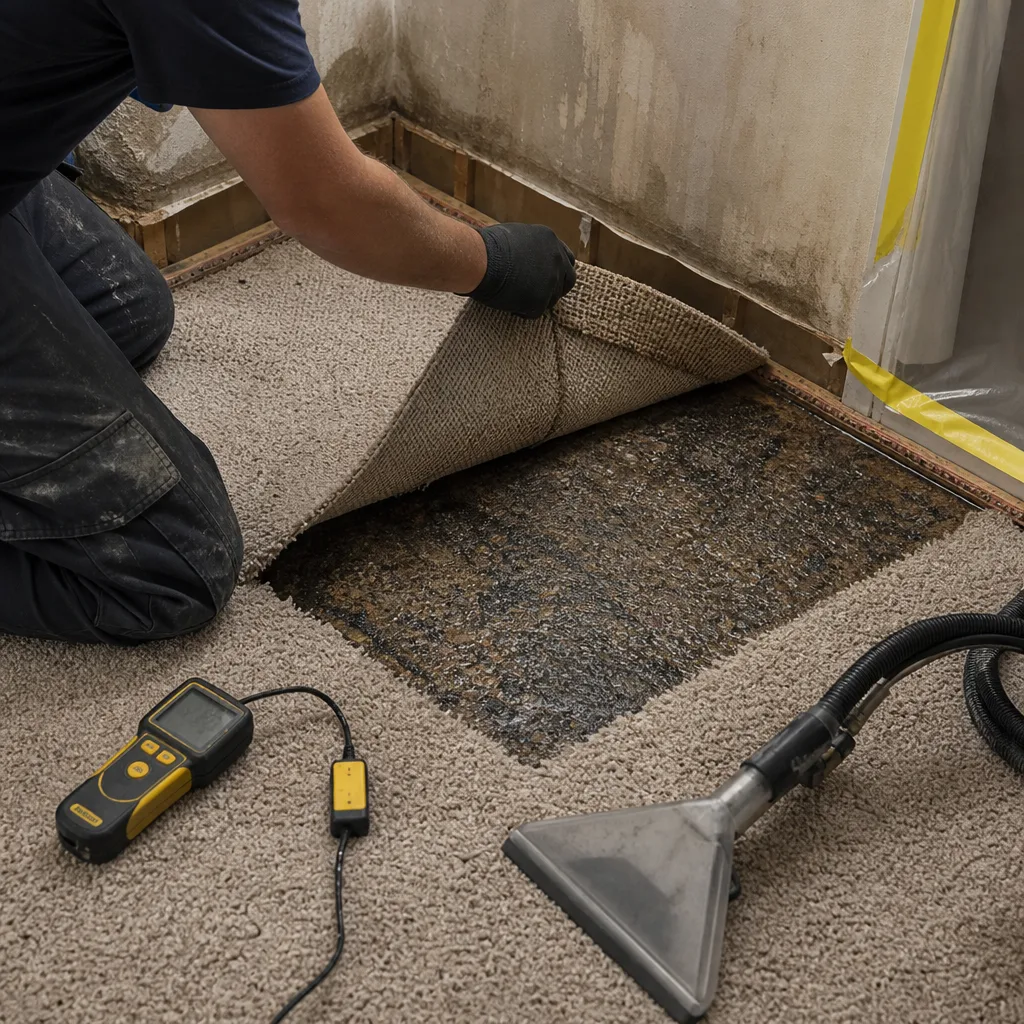
Fire claims fail on documentation gaps. Adjusters deny what they cannot see, and homeowners lose thousands on undocumented secondary damage. We close that gap from the first hour. Our crew chief photographs every room, labels each image with date, time, and moisture reading, and uploads to a shared folder your adjuster can access directly. Estimates follow Xactimate or Symbility industry standards, line-itemed so nothing hides in lump sums.
We speak adjuster because Alicia Brennan, who leads Back to Dry Restoration, spent years on the claims side before founding the company in 2011. She built the documentation protocol that now protects every customer. Direct billing to your carrier means no upfront payment for covered losses, and we coordinate the supplement when hidden damage surfaces mid-project.
What We Provide Your Insurer
- Thorough documentation of the loss
- Photos of all damage, room by room
- Moisture readings and drying logs
- A detailed, line-item scope of work
- Direct coordination with your carrier
Built for Hollywood’s Loss Calendar
Hollywood’s fire and smoke damage follows patterns tied to its coastal climate and aging building stock. December through April, snowbird occupancy peaks in Intracoastal condos. Kitchen fires spike as seasonal residents unfamiliar with building systems overload aging electrical circuits or leave cooking unattended. The dry winter air means faster smoke migration through cracked stucco and failed window seals.
May through November brings hurricane season and the heaviest electrical storm activity. Lightning strikes trigger fires in buildings with corroded grounding systems, common in 1970s-era construction. The salt-air environment accelerates corrosion in electrical panels, especially on oceanfront balconies where sea spray reaches hardware. When fires start, the same corrosion that caused them complicates restoration, as heat-damaged, rust-weakened structural elements must be evaluated for replacement.
Year-round, the post-Surfside milestone inspection law (SB 4D, 2022) means restoration crews regularly encounter engineer-mandated repairs mid-project. A fire call in a 1960s condo can expand into a building-wide scope when inspection findings surface spalled concrete and oxidized rebar on multiple floors. This is not a complication; it is the normal operating environment in Hollywood, and our documentation protocol is built for it.
Fire & Smoke Damage Restoration Across Hollywood’s Neighborhoods
Hollywood Beach and the A1A corridor present our most complex fire restoration environment. The 1960s-1980s mid-rise and high-rise condos here have shared plenums, minimal fire-stopping, and decades of salt-air degradation to electrical and structural systems. We were called to a 1970s Intracoastal mid-rise in Hollywood for a kitchen fire that left heavy soot on cast-iron and galvanized plumbing and corroded balcony rails. After our crew completed soot removal and odor deodorization, the building’s milestone inspection surfaced spalled concrete on the balcony above the unit, turning the job into a multi-floor scope with the structural engineer. We then handled containment, pack-out, and structural drying while coordinating board-up and a revised scope of work for the engineer.
Emerald Hills, inland and west of I-95, holds the 1950s-1970s CBS ranch homes with original plaster, terrazzo floors, and mature oak canopies. Fires here tend to be single-family, slower to spread, but the dense construction holds smoke and moisture longer. Drying protocols extend days past newer frame construction, and odor treatment must penetrate deep into porous plaster and original wood trim.
West Hollywood, between Stirling Road and Sheridan Street, mixes mid-century homes with 1980s townhome developments. The townhomes share walls and attic spaces, so smoke migration to adjacent units is common. We coordinate with multiple homeowners and their insurers simultaneously, documenting each unit’s damage separately while managing a single containment and drying operation.
Downtown Hollywood, with its historic 1920s-1940s commercial and residential buildings, presents the tightest access and most fragile materials. Decorative plaster moldings, heart-pine flooring, and original electrical systems require specialized restoration contractors and close coordination with the city’s historic preservation office when structural elements are involved.
Specialized Fire & Smoke Damage Restoration Services We Offer in Hollywood
Fire Damage Cleanup
We remove charred debris, evaluate structural integrity, and establish containment to prevent cross-contamination. In Hollywood’s coastal environment, cleanup includes inspection of salt-corroded metal elements that fire heat has further weakened, from balcony railings to garage-door hardware.
Smoke & Soot Removal
Different soot types demand different approaches. Dry smoke, wet smoke, and protein residue each get tested and treated with the appropriate cleaning agent and method. In Hollywood’s condos, we frequently find smoke has traveled through failed waterproofing membranes into units below and beside the origin, requiring extended scope and coordination with building management.
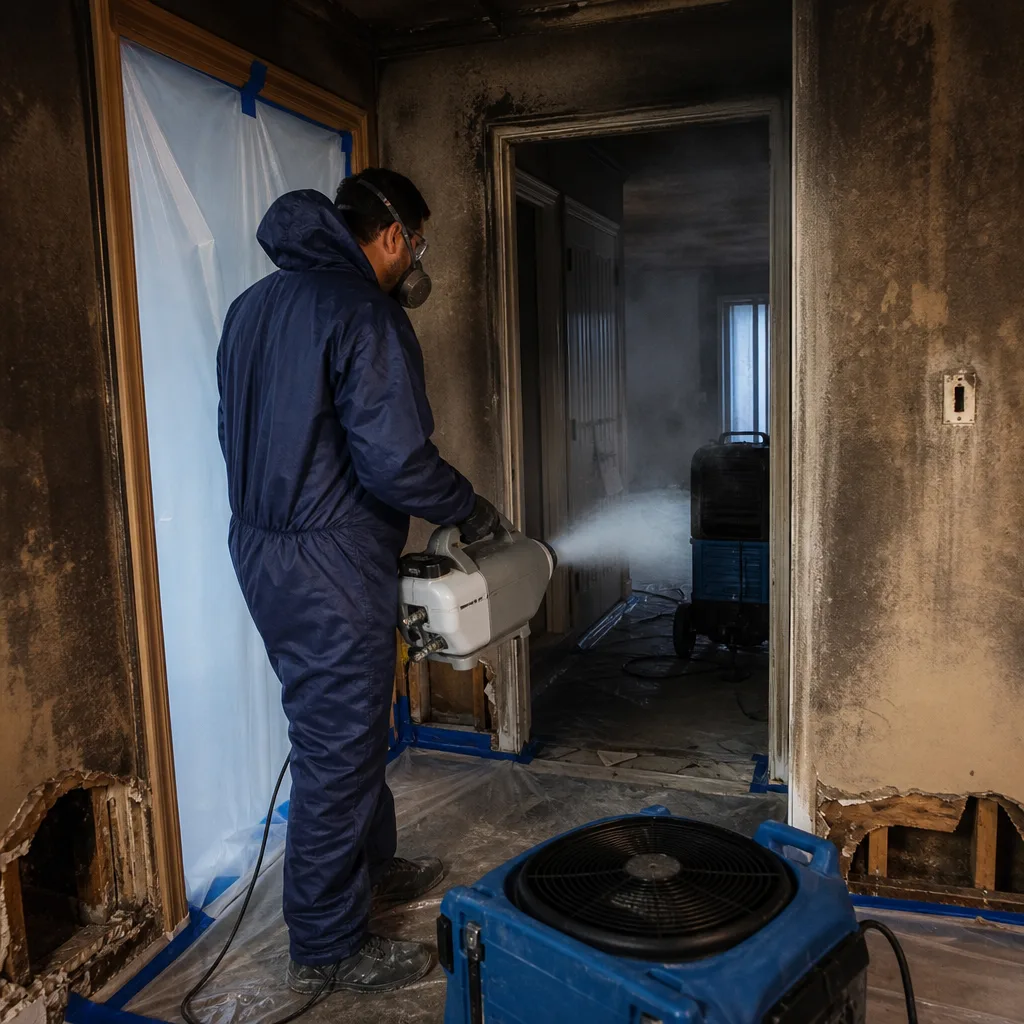
Odor Removal & Deodorization
Thermal fogging, hydroxyl generation, and activated charcoal filtration eliminate smoke odor at the molecular level. In buildings with post-tension slab cracks, odor penetrates concrete and requires injection of neutralizing agents directly into the slab void, a technique we document with photo evidence for insurance.
Contents Cleaning & Pack-Out
Smoke-damaged belongings get inventoried, photographed, and transported to our cleaning facility for ultrasonic, ozone, or specialized textile treatment. In Hollywood’s high-rise buildings with limited elevator access, we coordinate freight elevator scheduling and loading dock permits with building management.
Emergency Board-Up & Tarping
Fire-damaged openings get secured against weather and intrusion within hours. On Hollywood Beach, we use corrosion-resistant fasteners and marine-grade plywood where salt air will attack standard materials before permanent repairs begin.
What happens when you call
- 1
A real person answersNo phone trees - you reach a local pro.
- 2
You get an upfront price rangeHonest numbers before anyone is dispatched.
- 3
A background-checked tech heads outLicensed & insured, dispatched right away.
- 4
You approve before work beginsNothing starts until you say go.
Fire & Smoke Damage Restoration Costs in Hollywood, FL
Fire restoration pricing in Hollywood reflects the complexity of coastal condo construction and the frequency of engineer-coordinated, multi-unit scopes. A typical single-family home fire damage cleanup in neighborhoods like Emerald Hills or West Hollywood runs $4,200-$8,500 for light to moderate soot and odor, assuming no structural rebuild. Smoke and soot removal alone, without water damage or reconstruction, typically costs $2,800-$5,500 for a standard single-family residence.
Intracoastal condo fires start higher. A kitchen fire with smoke migration to two adjacent units runs $12,000-$28,000 when containment, pack-out, deodorization, and coordination with structural engineers are included. Odor removal and deodorization for a multi-floor scope with slab injection runs $6,500-$15,000. Structural fire repair, including charred framing replacement and drywall rebuild, adds $18-$35 per square foot in Hollywood’s market.
What moves the price: the number of affected units, the presence of water damage from suppression, the need for engineer coordination when milestone inspection findings expand scope, and the materials involved, protein residue on custom cabinetry costs more than dry soot on standard drywall. Insurance typically covers direct fire and smoke damage plus necessary water damage from suppression; our written scope separates covered and non-covered items before work begins. Bring any competitor’s written estimate and we’ll review it free under our Second Opinion policy.
We Also Serve Cities Near Hollywood
Our crews respond from the Miami (South FL) office to Hollywood and surrounding communities including North Miami Beach, Fort Lauderdale, Miami Gardens, and Plantation. Each area gets the same documentation-first protocol, the same written-price guarantee, and the same 365-Day Done Right Promise under The Haven Standard.
Serving Hollywood, FL - Our Local Coverage Area
We’re based in the Hollywood area and know this community well. Use the map below to see our service coverage - if you’re nearby, we can almost certainly help.
Hollywood Fire & Smoke Damage Restoration Questions, Answered
After a fire in my Hollywood Beach condo, why does the restoration scope sometimes expand to other units?
Smoke migrates through shared utility chases, failed waterproofing membranes, and post-tension slab cracks common in 1960s-1980s construction. When our inspection finds soot or odor in adjacent units, or when the building’s milestone inspection surfaces spalled concrete and oxidized rebar, the scope expands to address all affected spaces and coordinate with the structural engineer. Call (754) 222-3479 for a free inspection that maps the full migration path before work begins.
How fast does smoke odor become a permanent problem in Hollywood’s coastal condos?
Within 24-72 hours, smoke odor bonds permanently to porous materials, especially in humid coastal air where moisture opens material pores. Protein residue from kitchen fires is nearly invisible and particularly aggressive. We deploy thermal fogging and hydroxyl generators within hours of arrival to prevent permanent odor setting. The sooner you call (754) 222-3479, the more salvageable your contents and finishes remain.
What’s the difference between Category 1, 2, and 3 water when it comes to fire-damaged buildings in Hollywood?
Category 1 is clean water from supply lines, Category 2 is gray water with chemical or biological contamination, and Category 3 is black water with sewage or flood-borne pathogens. Fire suppression water starts as Category 1 but degrades to Category 2 or 3 within 24-48 hours as it mixes with soot, fire debris, and the stagnant water in Hollywood’s shallow drainage system. We test and classify all water on arrival, documenting the category for your insurance file and adjusting antimicrobial treatment accordingly.
Why does our crew pay special attention to garage-door hardware after a fire in coastal Hollywood?
Salt-air corrosion already weakens springs, hinges, rollers, tracks, fasteners, and opener chains years faster than inland. Fire heat accelerates oxidation and smoke acids etch protective coatings. We inspect all hardware for seizure risk and document corrosion findings. Replacement with galvanized or coated springs and stainless hardware prevents failure within months of restoration completion. Mention this concern when you call (754) 222-3479 and we’ll include hardware inspection in your scope.
Can you handle a Hollywood fire job that turns into a milestone inspection repair?
Yes. We regularly work alongside structural engineers when SB 4D milestone inspections surface spalled concrete, oxidized rebar, or failed balcony waterproofing mid-restoration. Our documentation protocol, written scope revisions, and direct adjuster coordination manage the transition from single-unit fire repair to multi-floor building scope without losing insurance coverage or project continuity. Alicia Brennan’s background as a former adjuster ensures the revised scope meets carrier requirements.
How long does fire and smoke restoration take in Hollywood?
Light soot and odor in a single-family home: 3-5 days. Moderate damage with water extraction and drying: 7-14 days. Complex condo fires with multi-unit smoke migration and engineer coordination: 3-8 weeks, depending on permit and HOA approval timelines. We provide a written timeline with the scope, updated daily with moisture logs and progress photos.
Can my family stay in the home during fire restoration?
Usually not. Even light smoke damage leaves airborne particulates and odor compounds that irritate respiratory systems. We recommend temporary relocation until HEPA air scrubbing confirms safe air quality, documented with readings we share. For condo residents, we coordinate with building management on alternate unit availability when smoke has migrated to adjacent spaces.
What certifications do your fire restoration technicians hold?
Our lead technicians carry IICRC FSRT (Fire and Smoke Restoration Technician), WRT (Water Damage Restoration Technician), and AMRT (Applied Microbial Remediation Technician) certifications. All work is documented to IICRC, RIA, and IFA standards. License numbers are provided on request, and every technician is background-checked, uniformed, and named before arrival.
Every Fire & Smoke Damage Restoration job we take in Hollywood starts with a written price, includes a photo record on every visit, and ends with the 365-Day Done Right Promise under The Haven Standard. If it’s not done right, we make it right. No exceptions, no verbal assurances, no scope creep once the crew is inside.
Written by Alicia Brennan, Owner at Back to Dry Restoration, serving Hollywood since 2011.
Fire & Smoke Damage Restoration in Nearby Areas