
Free visual inspection and a written scope of work before any mitigation begins - photos, moisture readings, and drying logs go in your claim file
The scope we write is the scope we bill. Anything new gets shown to you, in writing, before we touch it.
 Before
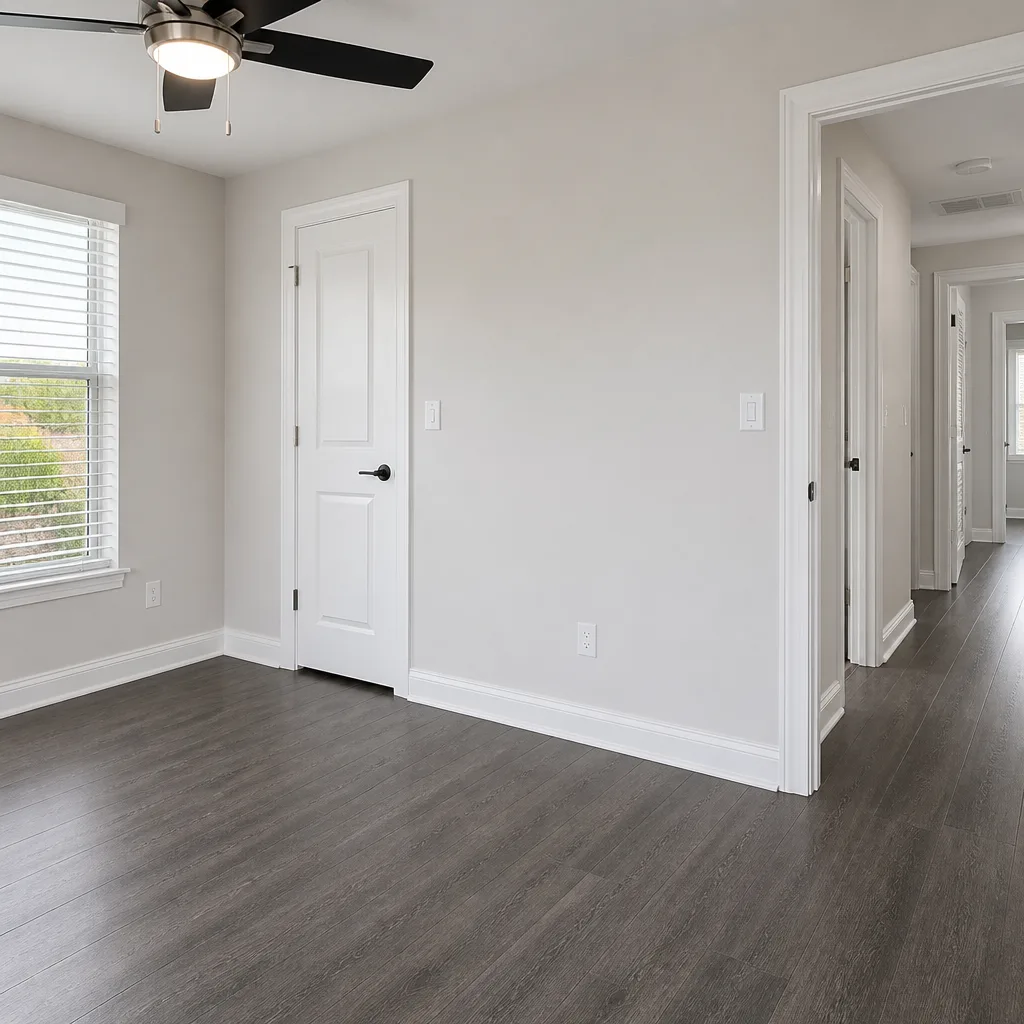 After
After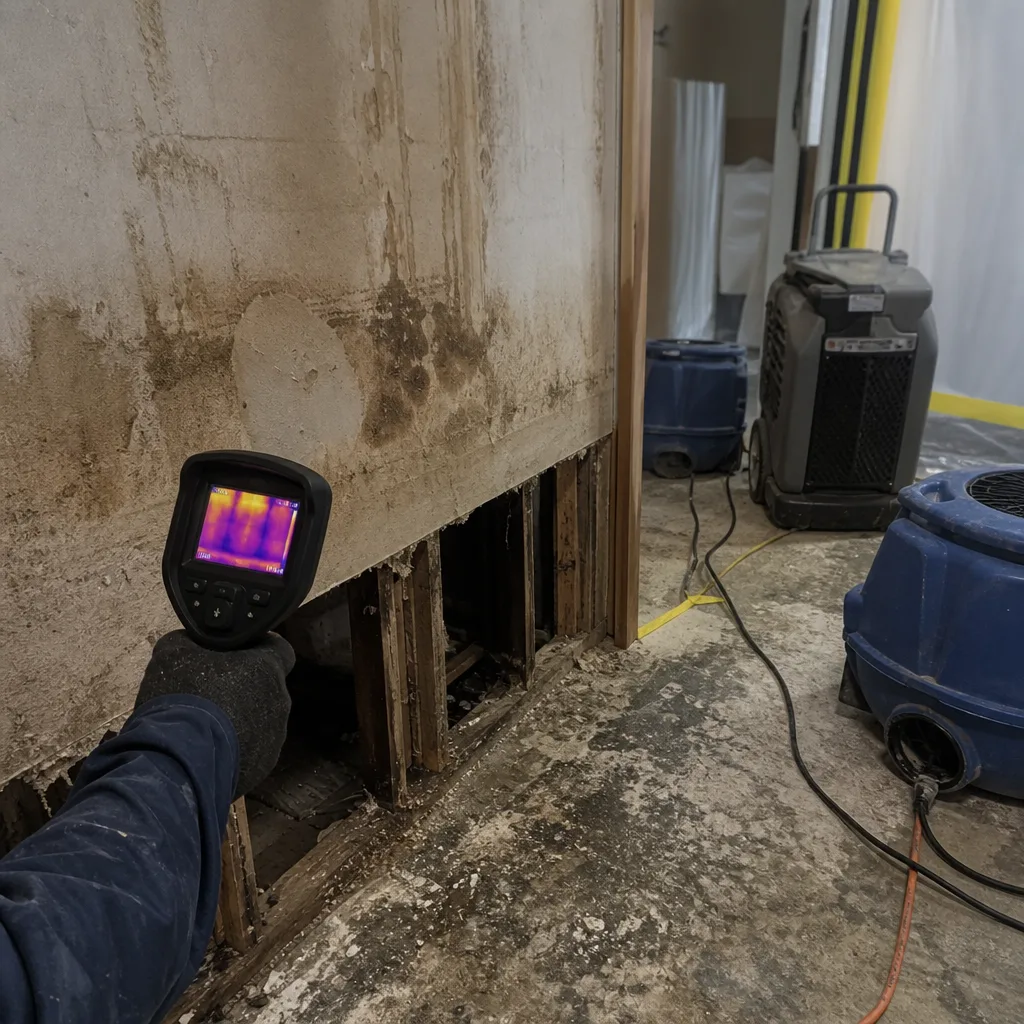 Before
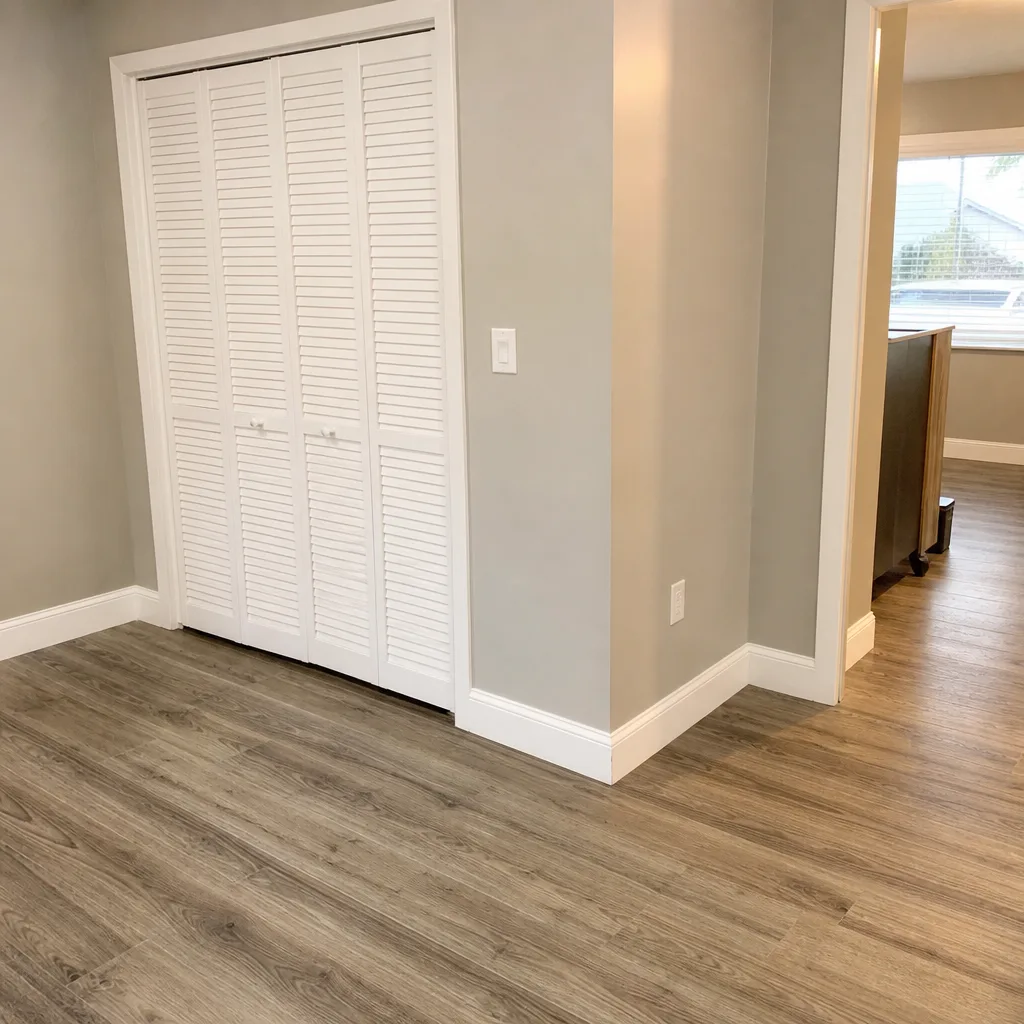 After
After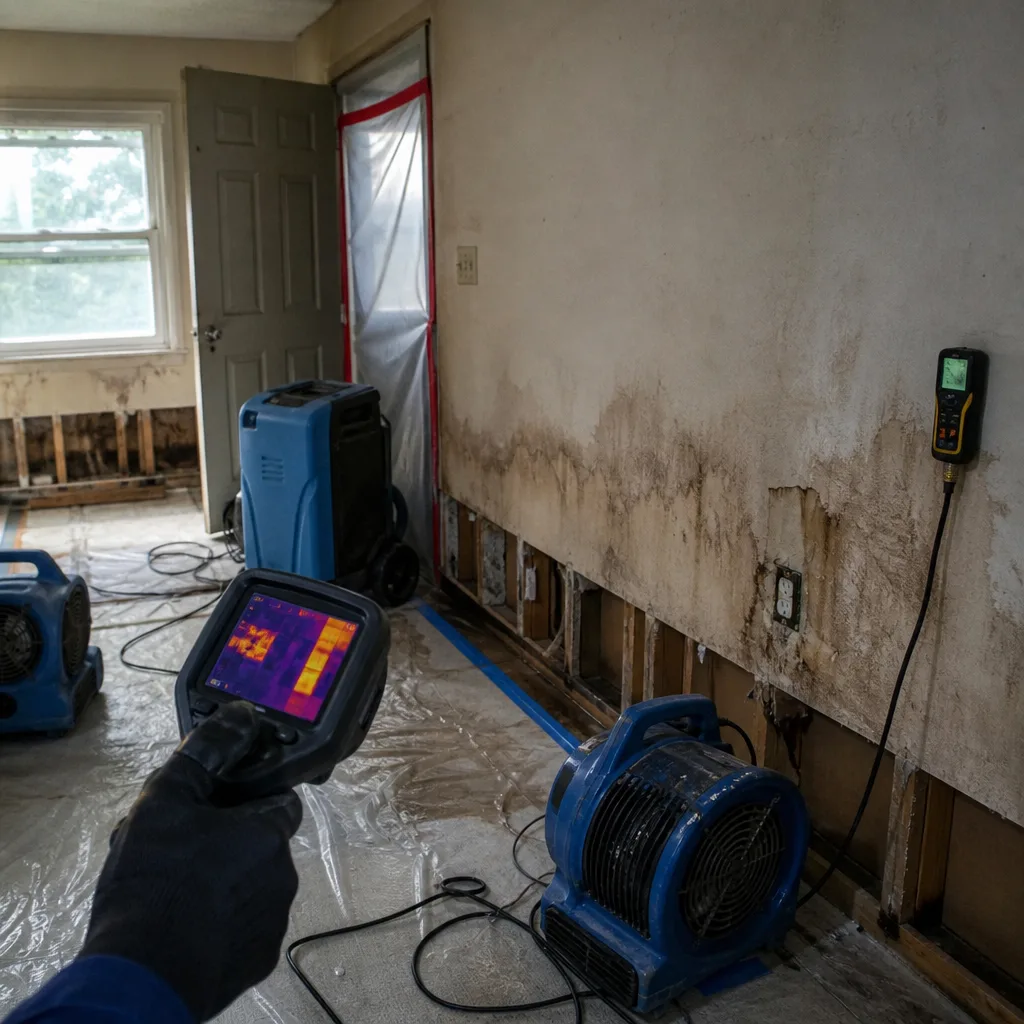 Before
 After
After24/7 Emergency Fire & Smoke Damage Restoration in Opa-locka
Fire and smoke damage in Opa-locka typically requires same-day board-up and stabilization, with full restoration timelines running 3 days to 3 weeks depending on structural involvement and whether the home’s aging flat roof allows water intrusion between fire events. Most Opa-locka homeowners see insurance-covered fire damage restoration costs in the $4,200-$18,500 range, with smoke and soot remediation alone averaging $2,800-$7,400 for a typical CBS home. Call (754) 222-3479 now - we answer live, 24 hours a day, and crews are dispatched from our Miami office to Opa-locka properties within 45 minutes of your call.
The first hour after a fire determines how far smoke migrates through porous concrete block walls and whether rainwater finds its way through a compromised roof before we can tarp it. In Opa-locka, where summer thunderstorms arrive with little warning and the city’s low-lying drainage basin holds standing water for days, a fire-damaged roof left exposed becomes a dual-loss scenario fast. We provide free visual inspections, document every finding with photos, and deliver a written price before any work begins - Haven Standard, Clause 1.
Understanding Fire & Smoke Damage Restoration Severity in Opa-locka Properties
Fire damage severity in Opa-locka follows a progression from light smoke residue to full structural compromise, and the city’s housing stock determines which path a given fire takes. Most residential structures here are concrete block and stucco (CBS) homes built between the 1950s and 1970s, with aging flat or low-slope built-up roofs that pond water and develop membrane failures under South Florida’s rain load. Smoke behavior differs sharply between these CBS structures and the city’s distinctive 1920s Moorish Revival masonry buildings.
In CBS homes, smoke migrates through the porous block itself and into the hollow cores, where soot particles settle and resurface during humidity spikes. Thermal fogging and hydroxyl generation are required to neutralize odor at the molecular level - surface cleaning alone fails. In Moorish Revival structures, smoke wicks into carved plaster ornamentation and painted domes, demanding chemical sponge cleaning and poultice techniques that preserve historic fabric rather than abrade it. Soot residue types matter: dry smoke from fast-burning, high-heat fires produces powdery, easily smeared deposits; wet smoke from slow, oxygen-starved burns creates sticky, acidic residues that etch metal and discolor finishes within hours. Protein fires from kitchen grease leave nearly invisible but pungent residues that standard cleaning misses entirely.
The tertiary damage pattern we see most in Opa-locka: fire compromises the roof, rain enters through the breach, and Category 3 water - water carrying contaminants from firefighting chemicals, ash, and whatever the fire consumed - saturates charred sheathing and insulation. Without immediate extraction and documented structural drying, mold colonization begins within 24-48 hours in this climate.
Why Opa-locka Property Owners Choose DryMark Restoration Hollywood
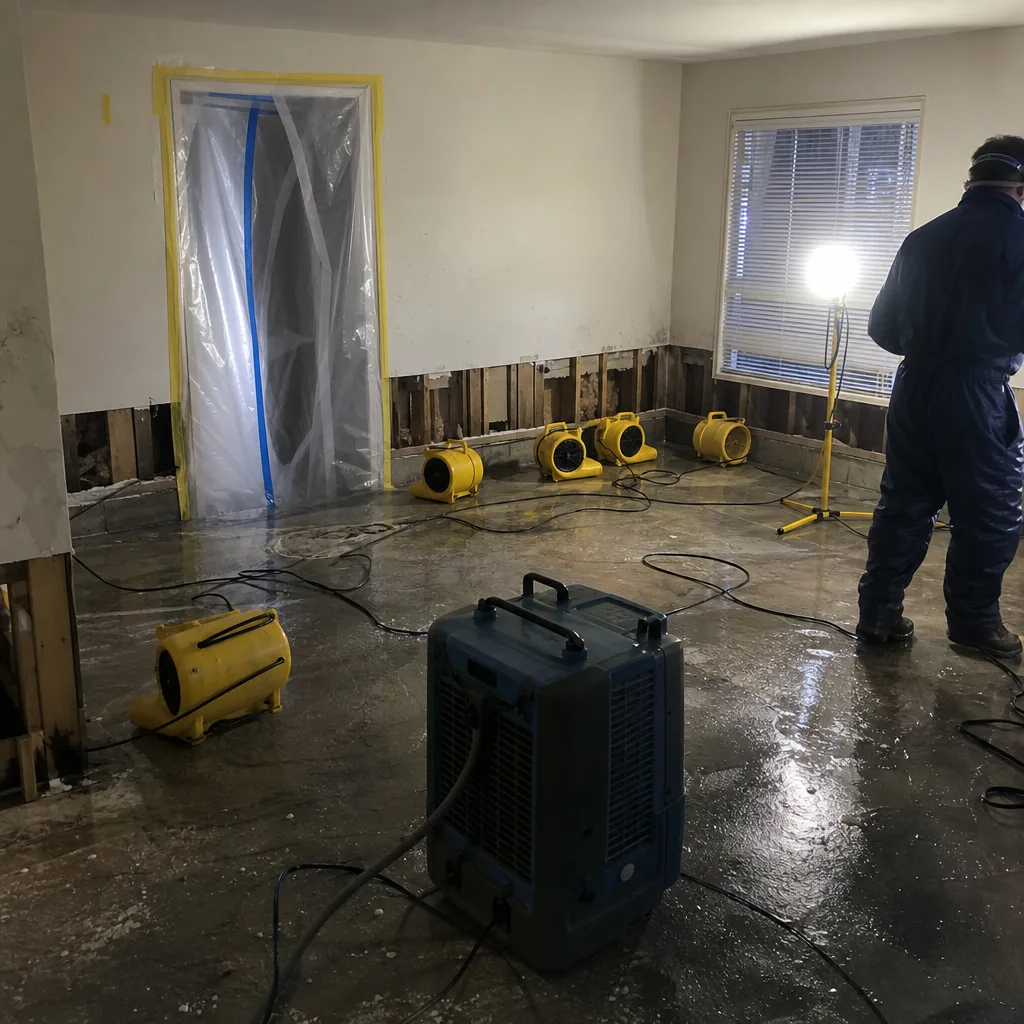
- 45-minute response commitment to Opa-locka properties, with dispatch coordinated from our Miami office and crews arriving with board-up materials, tarps, and moisture detection equipment already loaded.
- 24/7 live answer - a real person, never an automated system or voicemail tree, because fire damage doesn’t wait for business hours and neither do we.
- IICRC-certified crews holding FSRT (Fire and Smoke Restoration Technician) and WRT (Water Damage Restoration Technician) certifications, with AMRT (Applied Microbial Remediation Technician) credentials for the mold that inevitably follows fire-and-water combined losses in Opa-locka’s humid basin.
- Free visual inspection with no obligation, producing a documented photo record and written scope before any work begins - Haven Standard, Clause 1.
- Direct insurance billing and adjuster coordination, with our documentation package - photos, moisture logs, line-item scope - structured to match what claims departments require for clean approval.
- One team from emergency board-up through final reconstruction, eliminating the handoff gaps where documentation gets lost and scope creeps unchecked.
 Before
 After
AfterOur Fire & Smoke Damage Restoration Process
1. Inspection & Assessment
We arrive with thermal imaging cameras, hygrometers, and moisture meters to map the full extent of fire, smoke, and water damage. In Opa-locka’s older CBS homes, we specifically test block porosity and cavity moisture to identify hidden smoke migration paths that surface inspection misses. Every finding is photographed and logged.
2. Emergency Board-Up & Tarping
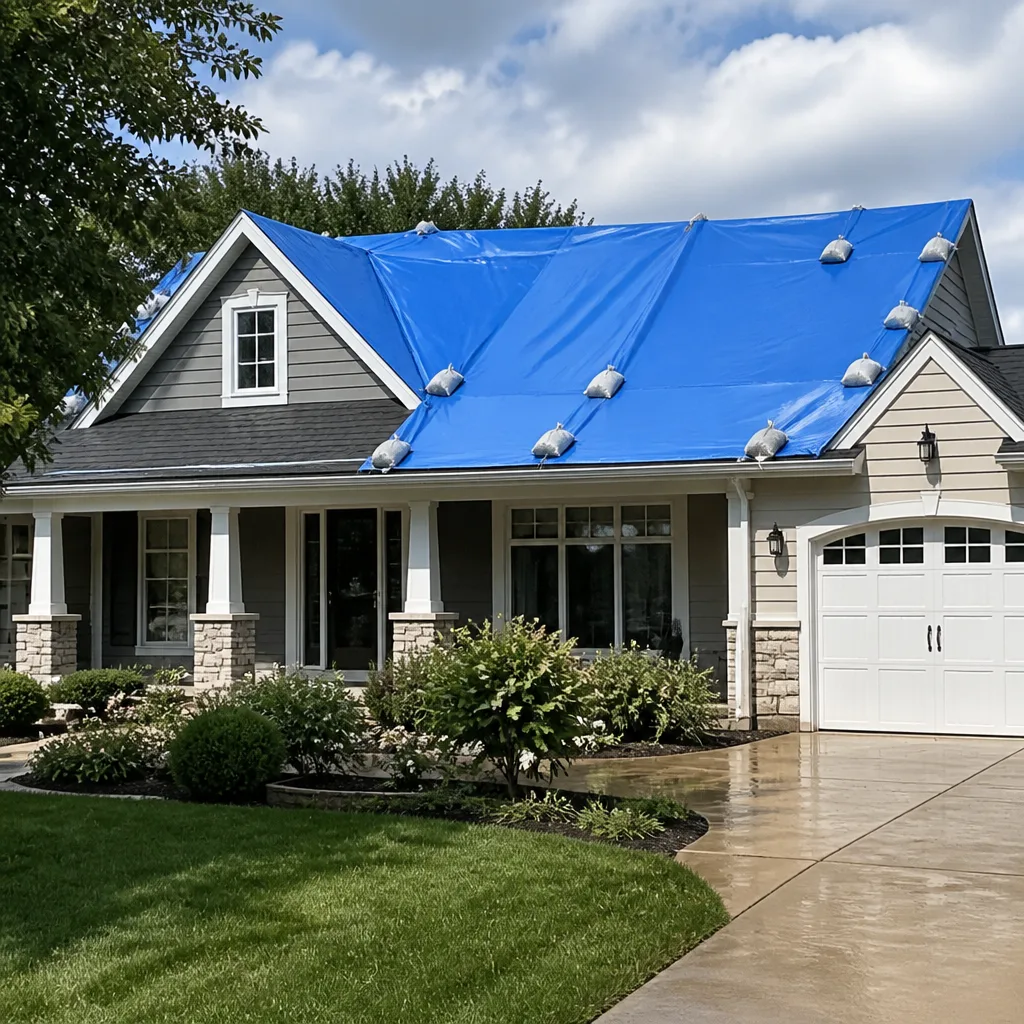
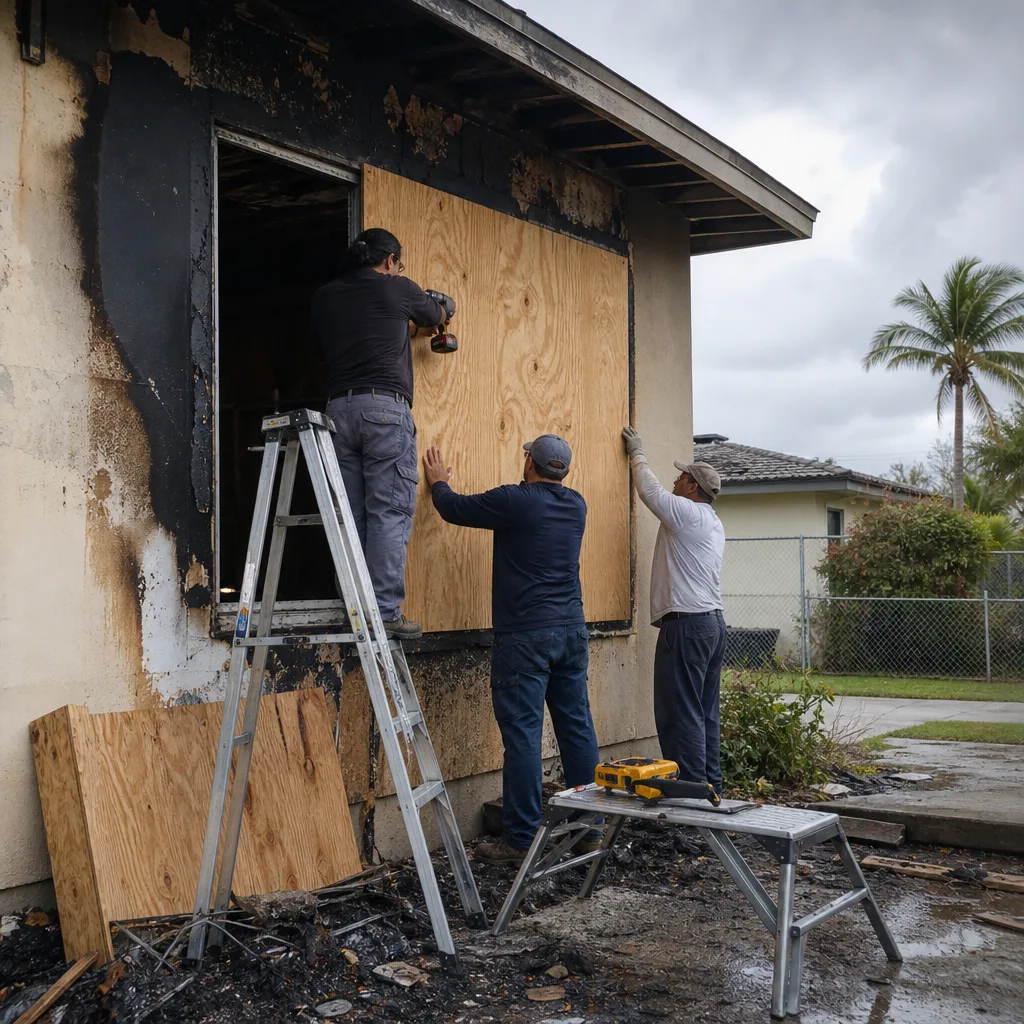
We secure compromised roofs, windows, and doors with fire-rated plywood and weatherproof tarps sized for South Florida wind loads. For Opa-locka’s flat-roofed homes, we install temporary membrane patches over built-up roofing breaches to prevent the Category 3 water intrusion that destroys otherwise salvageable structure.
3. Water Extraction & Structural Drying
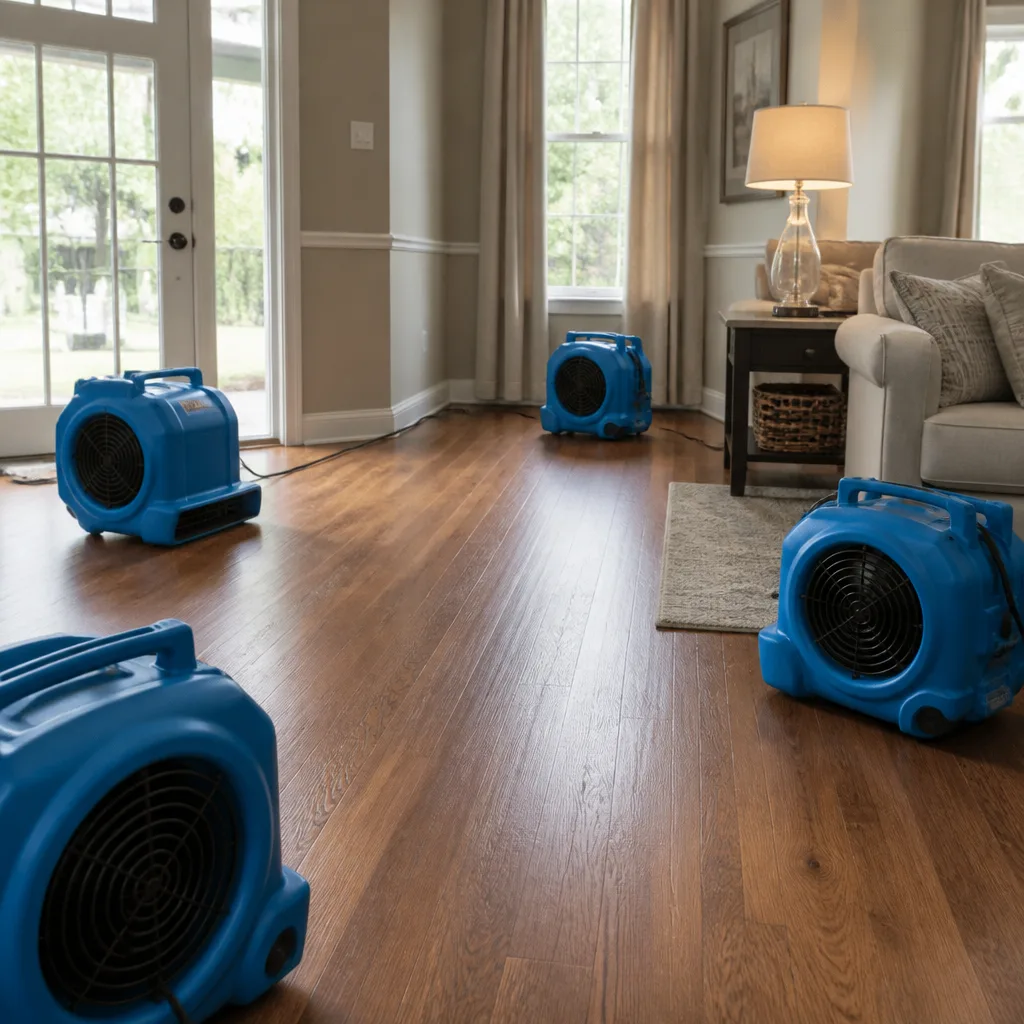
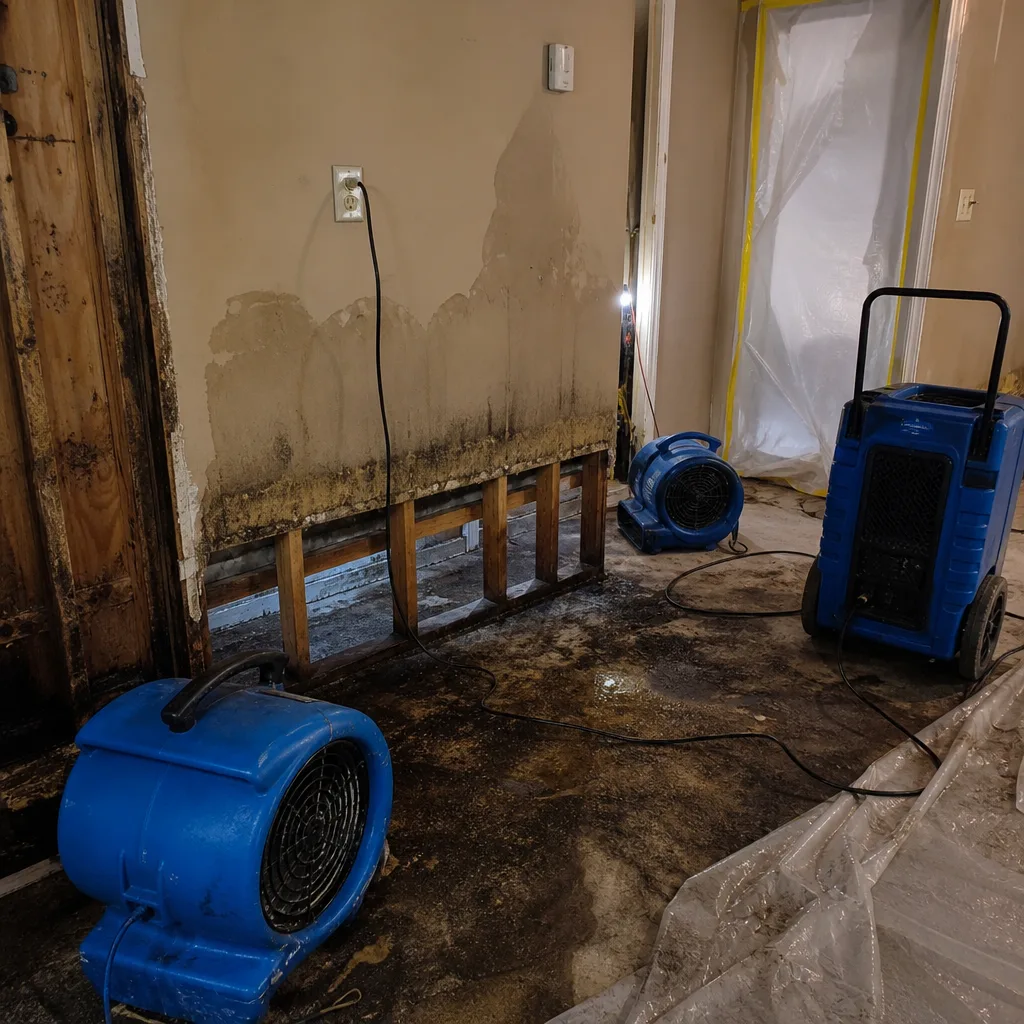
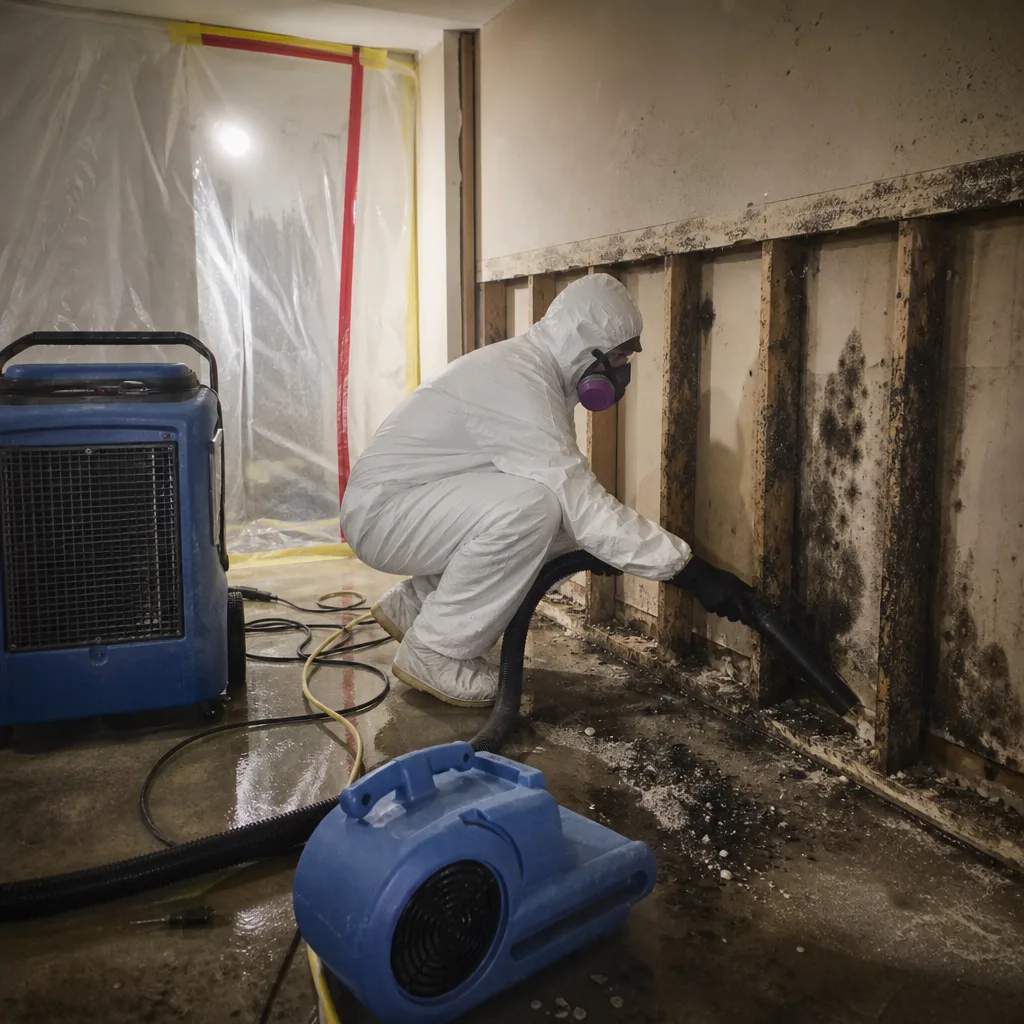
Firefighting water and roof leaks are extracted with truck-mounted systems, then dried using Dri-Eaz and Phoenix dehumidifiers paired with high-velocity air movers. We calculate vapor pressure differentials and log daily moisture readings to IICRC standards, producing the documented drying curve your insurer requires.
4. Smoke & Soot Removal
Dry, wet, and protein soot residues are identified and treated with the appropriate chemical agents - alkaline cleaners for acidic wet smoke, solvent-based products for protein fires, dry-cleaning sponges for light dry smoke. In Moorish Revival structures, we switch to chemical sponges and poultice techniques that clean without eroding historic plaster detailing.
5. Odor Removal & Deodorization
Surface cleaning reaches what you can see; thermal fogging and hydroxyl generation reach what you can’t. We deploy hydroxyl generators safe for occupied spaces and thermal foggers for severe odor penetration, treating the porous CBS block and cavity spaces where Opa-locka’s humidity reactivates trapped smoke particles.
6. Repairs & Restoration
Charred framing is sistered or replaced, drywall is reinstalled to match existing texture, and finishes are restored. For Moorish Revival buildings, we coordinate with historic-fabric specialists to replicate original plaster ornamentation and painted dome surfaces. Every phase is photo-documented and written-scoped before work proceeds.
Need Emergency Fire & Smoke Damage Restoration in Opa-locka Now?
Crews minutes away, answering live 24 hours a day. The sooner we start, the less it costs.
Working With Your Insurance Company
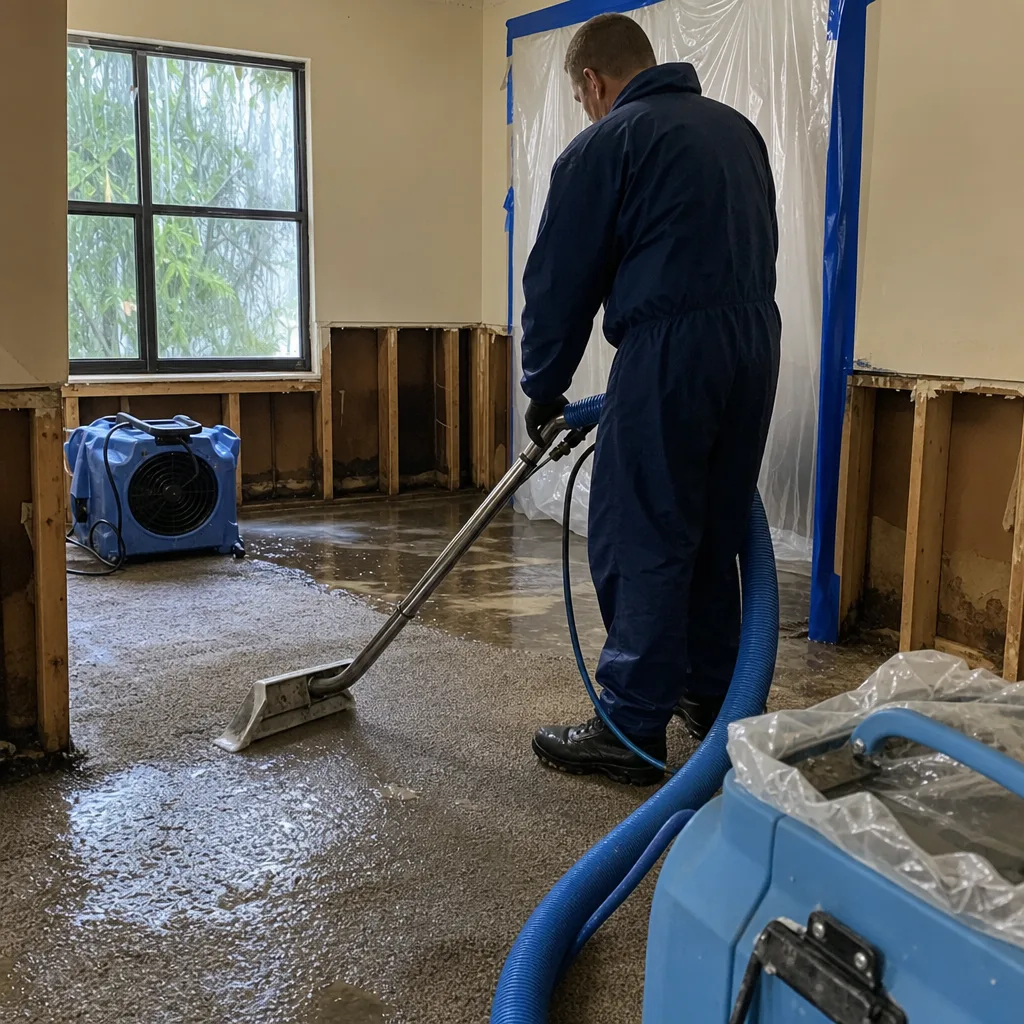
Fire claims succeed or fail on documentation, and most delays we see trace back to incomplete photo records or scopes that don’t match the adjuster’s estimate format. From the first hour on your Opa-locka property, we photograph every room, every angle, every material classification - charred, water-stained, smoke-affected, or clean - and we label each image to the room of origin. Our estimates follow Xactimate or Symbility industry standards, line-itemed to the trade, with moisture readings and drying logs attached as supporting documentation.
We speak directly with your adjuster, provide supplemental documentation when scope expands (as it often does once charred sheathing comes off and hidden damage appears), and never proceed beyond the written scope without your signed approval and the carrier’s acknowledgment. The photo record we deliver at job completion becomes your permanent claim file, useful if downstream issues arise.
What We Provide Your Insurer
- Thorough documentation of the loss
- Photos of all damage, room by room
- Moisture readings and drying logs
- A detailed, line-item scope of work
- Direct coordination with your carrier
Built for Opa-locka’s Loss Calendar
Opa-locka’s fire damage calendar doesn’t follow the national pattern. Peak electrical fire risk runs May through October, when air conditioning systems in aging CBS homes operate at maximum load and outdated aluminum wiring or overloaded panels fail under demand. Kitchen grease fires spike during the holidays and summer family gatherings, particularly in the city’s older multifamily structures where ventilation systems haven’t been upgraded in decades.
The more distinctive pattern: fire damage here is almost always followed by water damage. Summer thunderstorms - not named hurricanes, just ordinary afternoon convection - dump rain on compromised roofs before we can tarp them. The city’s low-lying drainage basin, documented in multiple municipal reports as undersized for current rainfall intensity, cannot evacuate water faster than it accumulates. Standing water persists for days, pushing mold colonization timelines to 24-48 hours even in winter. And Opa-locka’s municipal water infrastructure, subject to repeated state and federal oversight for system failures, means some properties lack reliable tap water during the entire remediation window, complicating cleaning protocols and requiring our crews to bring potable water for restoration processes.
After a kitchen fire in a 1960s CBS home near the Opa-locka Executive Airport, our crew found that the home’s aging low-slope built-up roof had ponded water from the previous week’s storms, feeding a pre-existing mold colony behind the fire-damaged drywall. We performed containment, removed Category 3 water-damaged materials, set up Dri-Eaz dehumidifiers and air movers for structural drying, and logged daily moisture readings to document the scope of work beyond the fire itself. The homeowner was relieved we caught the hidden mold before it spread further into the living space.
Fire & Smoke Damage Restoration Across Opa-locka’s Neighborhoods
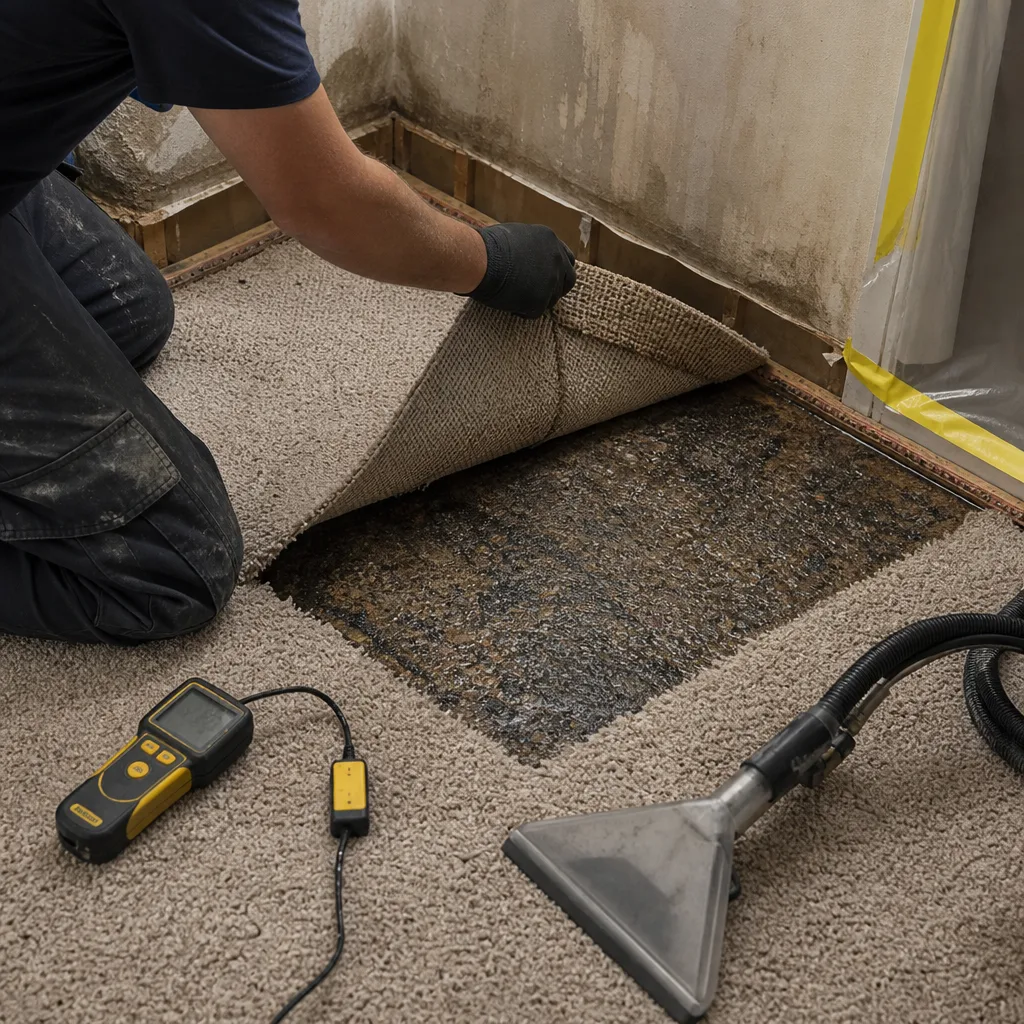
Opa-locka’s neighborhoods present distinct restoration challenges that shape how we dispatch crews and load equipment. Near the Opa-locka Executive Airport, the residential blocks are dominated by 1950s-1970s CBS homes with original flat roofs and aging electrical service. Fires here typically start in overloaded panels or window AC units, and smoke migrates through the block walls into adjacent rooms before occupants realize the extent. We bring extra thermal imaging capacity to these calls and plan for roof tarping as standard procedure.
The historic core around Ali Baba Avenue and Sharazad Boulevard contains the city’s Moorish Revival civic and commercial structures - domed, ornamented masonry buildings from the 1920s that no other Miami-Dade city replicated at scale. Fire or smoke damage in these buildings demands our historic-fabric protocol: chemical sponges for soot on carved plaster, poultice techniques for stained masonry, and coordination with preservation specialists before any abrasive method is considered. Standard CBS remediation crews from neighboring cities don’t carry these techniques.
Along NW 27th Avenue and the commercial corridors, small retail and mixed-use buildings from the mid-20th century present combined residential-commercial losses where smoke migrates through common walls and HVAC systems. We map these migration paths with blower door testing and smoke pencil diagnostics, then establish containment by zone rather than by unit. The residential pockets west of the Tri-Rail corridor, including the area around Magnolia North, feature some of the city’s most deferred maintenance - original aluminum wiring, ungrounded outlets, and roof membranes past their service life. Fire calls here almost always reveal pre-existing conditions that expand scope, which is why our written price includes a change-order protocol with photo documentation and signed approval at each expansion point.
Specialized Fire & Smoke Damage Restoration Services We Offer in Opa-locka
Fire Damage Cleanup
We remove charred debris, classify remaining materials as salvageable or non-salvageable, and document each decision with photos. In Opa-locka’s CBS homes, we pay particular attention to block wall integrity - fire heat can spall concrete and compromise structural cores that appear sound from the interior.
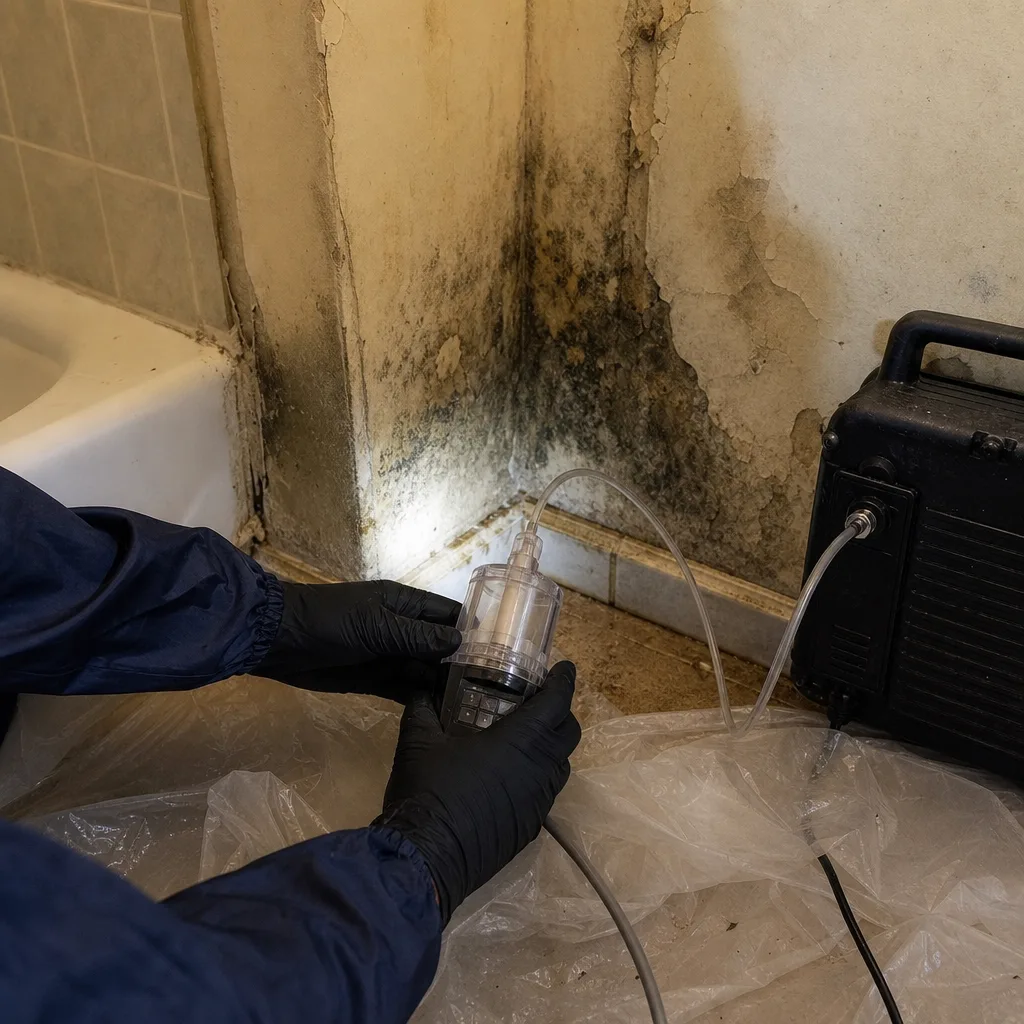
Smoke & Soot Removal
Dry, wet, and protein soot each demand different chemistry and technique. We identify residue type through field testing, then select cleaning agents matched to the substrate - alkaline cleaners for acidic wet smoke on metal, solvent-based products for protein residues on painted surfaces, dry-cleaning sponges for light dry smoke on drywall. Moorish Revival plaster receives chemical sponges and poultice methods exclusively.
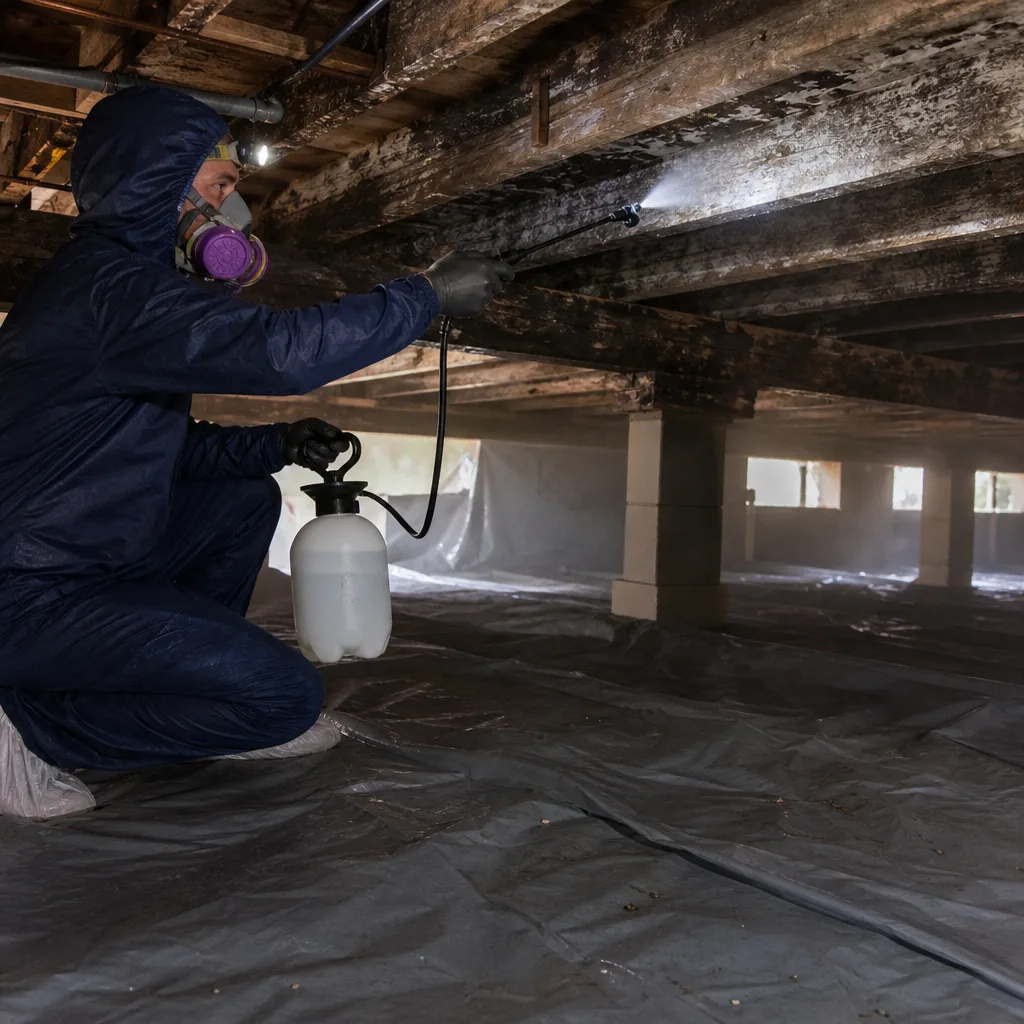
Odor Removal & Deodorization
Smoke odor in Opa-locka’s porous CBS walls resists surface treatment because humidity reactivates trapped particles. We deploy hydroxyl generators for safe, continuous operation in occupied or partially occupied spaces, and thermal foggers for severe penetration into cavities and HVAC systems. Antimicrobial treatment of block surfaces prevents biological odor sources from masking as smoke.
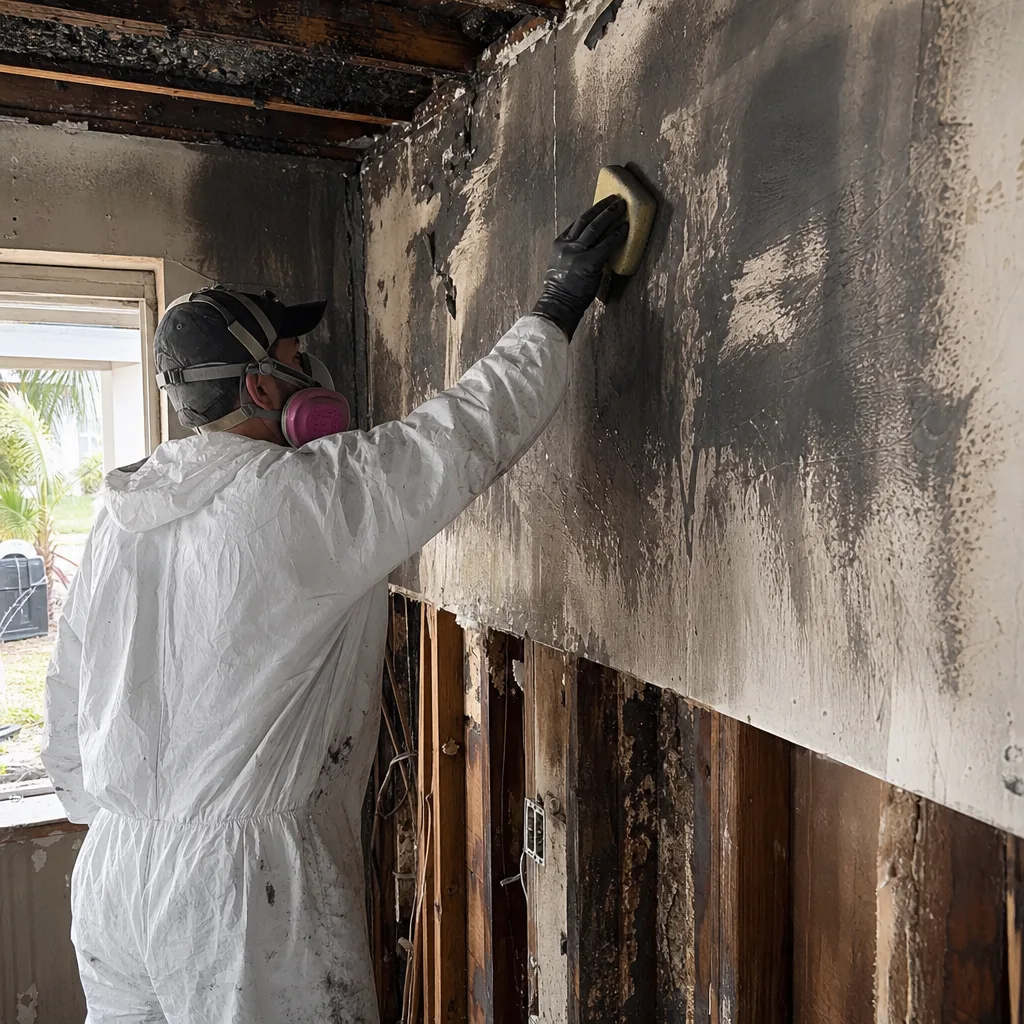
Contents Cleaning & Pack-Out
Salvageable contents are inventoried, photographed, and transported to our facility for ultrasonic cleaning, ozone treatment, or specialized textile restoration. Non-salvageable items are documented for insurance replacement value. In Opa-locka’s tighter homes, pack-out often creates the workspace needed for structural restoration to proceed efficiently.
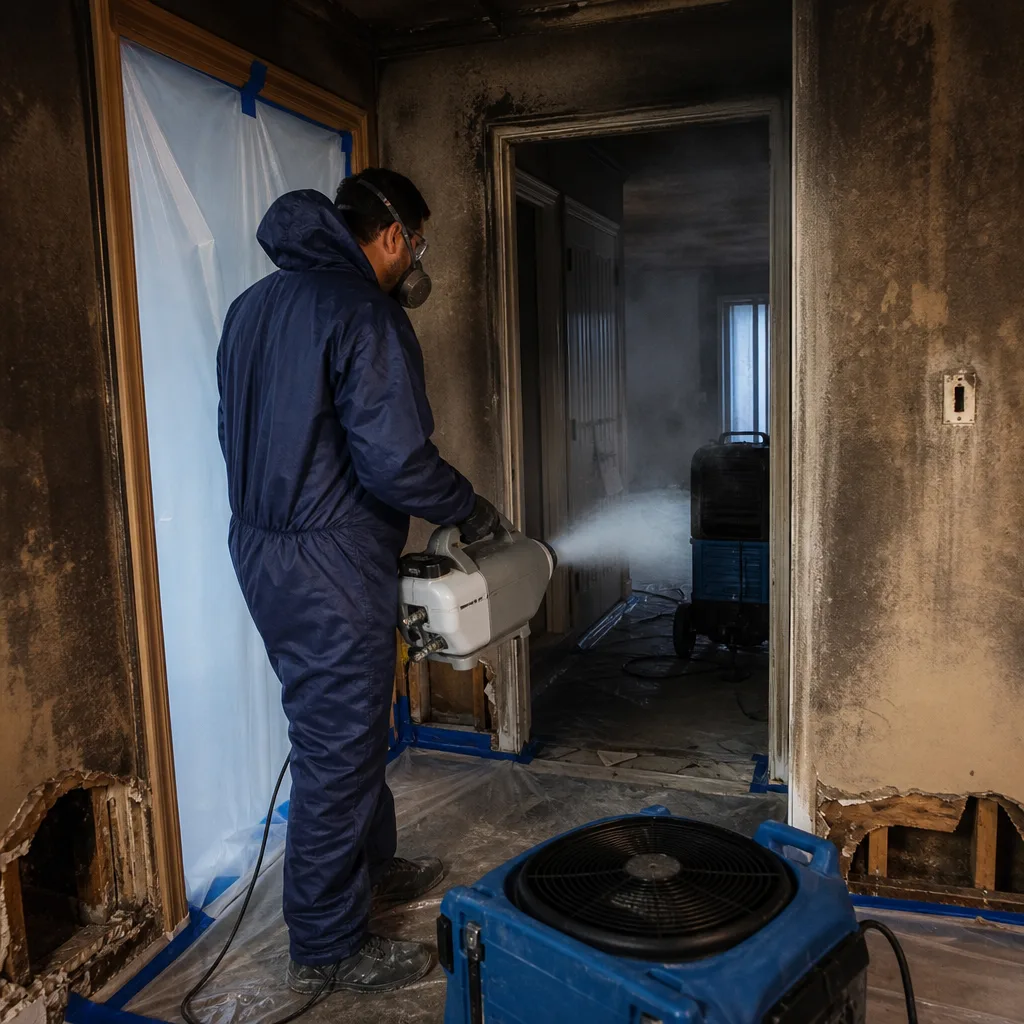
Emergency Board-Up & Tarping
We arrive with fire-rated plywood, weatherproof tarps, and temporary membrane patches sized for flat-roof breaches. In Opa-locka’s storm-exposed position, board-up isn’t security theater - it’s the barrier between a contained fire loss and the Category 3 water damage that follows the next thunderstorm. Every tarp is wind-rated and mechanically fastened, not weighted or taped.
What happens when you call
- 1
A real person answersNo phone trees - you reach a local pro.
- 2
You get an upfront price rangeHonest numbers before anyone is dispatched.
- 3
A background-checked tech heads outLicensed & insured, dispatched right away.
- 4
You approve before work beginsNothing starts until you say go.
Fire & Smoke Damage Restoration Costs in Opa-locka, FL
Fire damage restoration in Opa-locka follows pricing structures shaped by local labor rates, material costs, and the specific challenges of the city’s housing stock. These are actual ranges we see on written scopes in this market:
| Service | Typical Range in Opa-locka |
|---|---|
| Emergency board-up & tarping | $850 - $2,400 |
| Smoke & soot removal (per affected room) | $1,200 - $3,800 |
| Odor removal & deodorization (whole home) | $1,800 - $5,200 |
| Contents pack-out & cleaning | $2,100 - $6,500 |
| Structural drying (if water damage follows fire) | $3,200 - $8,900 |
| Full reconstruction (fire-damaged structure) | $12,000 - $45,000+ |
What moves price: the number of rooms affected by smoke migration (not just fire), whether the roof requires emergency weatherproofing, if water damage compounds the loss, and whether historic-fabric techniques apply for Moorish Revival structures. Most Opa-locka fire damage claims are insurance-covered; our documentation package is structured for clean claim approval. For out-of-pocket scenarios or deductible gaps, we provide the same written price before work begins - no exceptions. Bring a competitor’s written estimate and we’ll review it free under our Second Opinion policy.
We Also Serve Cities Near Opa-locka
Our crews respond throughout the metro corridor from the same Miami dispatch center that serves Opa-locka. We regularly handle Fire & Smoke Damage Restoration calls in Hollywood, North Miami Beach, Miami Gardens, and Fort Lauderdale, with the same 45-minute response commitment, live phone answer, and documented process. Each city’s building stock and loss patterns differ, and our scopes reflect those differences rather than applying a uniform template.
Serving Opa-locka, FL - Our Local Coverage Area
We’re based in the Opa-locka area and know this community well. Use the map below to see our service coverage - if you’re nearby, we can almost certainly help.
Opa-locka Fire & Smoke Damage Restoration Questions, Answered
How does Opa-locka’s flood-prone drainage basin affect fire damage restoration timelines?
Standing water from the city’s undersized stormwater infrastructure accelerates mold growth to 24-48 hours, so fire restoration here must include immediate water damage assessment and structural drying even when the fire itself seemed contained.
We bring moisture detection and dehumidification equipment to every Opa-locka fire call, not as an upsell but as standard protocol, because the drainage basin makes secondary water damage nearly inevitable if the roof was compromised. Daily moisture logs document the drying curve for your insurer. Call (754) 222-3479 for a free inspection - estimates are free.
Can you restore fire damage in Opa-locka’s historic Moorish Revival buildings without harming the original plaster?
Yes - we use chemical sponges, poultice techniques, and historic-fabric specialists for carved plaster and painted domes, never the abrasive methods or alkaline cleaners standard on flat stucco.
Opa-locka’s 1920s Moorish Revival structures are unique in Miami-Dade, and our crews are trained to identify original plaster detailing before cleaning begins. We photograph every ornamental surface, test cleaning agents on inconspicuous areas, and document our methods for preservation review if required. The Haven Standard requires written approval of any technique that alters historic fabric. Call (754) 222-3479 for a free inspection - estimates are free.
What should Opa-locka homeowners do if a fire leaves the roof open before a storm?
Call us immediately at (754) 222-3479 for emergency board-up and tarping - we answer live 24/7 and dispatch crews with wind-rated materials within 45 minutes.
Do not wait for the adjuster to arrive before securing the structure; temporary weatherproofing is standard covered under virtually all policies, and delays allow Category 3 water to saturate charred sheathing and trigger mold growth within 24-48 hours in Opa-locka’s humid climate. We tarp flat roofs with temporary membrane patches, not just weighted tarps, because ponding water will find any gap. Call (754) 222-3479 for a free inspection - estimates are free.
How do you handle smoke odor in Opa-locka’s older concrete block homes?
We treat the porosity of CBS block as the primary odor reservoir, not just the visible surfaces, using hydroxyl generators and thermal fogging to reach cavity spaces where soot particles settle.
Surface cleaning alone fails in Opa-locka because humidity reactivates trapped particles; we include antimicrobial treatment of block surfaces to prevent biological odors from masking as smoke residue. Moisture readings confirm cavity dryness before we declare odor remediation complete. Call (754) 222-3479 for a free inspection - estimates are free.
Does Opa-locka’s municipal water system affect fire damage cleanup?
Yes - repeated infrastructure failures mean some properties lack reliable tap water during remediation, requiring our crews to bring potable water for cleaning processes and equipment operation.
We coordinate with municipal notices and property managers to confirm water availability before scheduling intensive cleaning phases, and we document any water service interruptions in your claim file since they extend project timelines. This is a routine consideration for Fire & Smoke Damage Restoration in Opa-locka, not an exception. Call (754) 222-3479 for a free inspection - estimates are free.
How fast can your crew actually get to my Opa-locka property?
45 minutes from call to arrival for emergency calls, with dispatch coordinated from our Miami office and crews carrying board-up materials, tarps, and moisture detection equipment as standard loadout.
We don’t subcontract emergency response to third-party dispatch services; our own technicians answer the phone, log your address, and roll with what they need for fire, water, and smoke damage combined. Live answer, 24 hours a day, no voicemail. Call (754) 222-3479 for a free inspection - estimates are free.
Will my insurance cover the full restoration, or just the fire damage?
Most policies cover fire damage, smoke and soot removal, water damage from firefighting, and emergency measures like board-up and tarping as a single claim, provided documentation ties each element to the fire event.
Our photo records, moisture logs, and line-item scopes are structured to make those connections explicit for adjusters. We also identify and document pre-existing conditions separately so they don’t compromise your claim. If your carrier disputes scope, we provide supplemental documentation and direct adjuster coordination at no additional charge. Call (754) 222-3479 for a free inspection - estimates are free.
How long does full fire and smoke restoration take in Opa-locka?
Light smoke damage with no structural involvement: 3-5 days. Moderate fire damage with roof tarping and partial reconstruction: 2-4 weeks. Severe structural loss with full rebuild: 8-16 weeks.
Opa-locka’s humidity and the prevalence of combined fire-water-mold losses tend to extend timelines compared to drier climates, because we cannot close out drying until moisture readings confirm cavity dryness to IICRC standards. Moorish Revival restorations add time for specialist coordination. We provide a written timeline with the written price before work begins - Haven Standard, Clause 1. Call (754) 222-3479 for a free inspection - estimates are free.
Written by Alicia Brennan, Owner at Back to Dry Restoration, serving Opa-locka under The Haven Standard since 2011.
Fire & Smoke Damage Restoration in Nearby Areas