Free visual inspection and a written scope of work before any mitigation begins - photos, moisture readings, and drying logs go in your claim file
The scope we write is the scope we bill. Anything new gets shown to you, in writing, before we touch it.
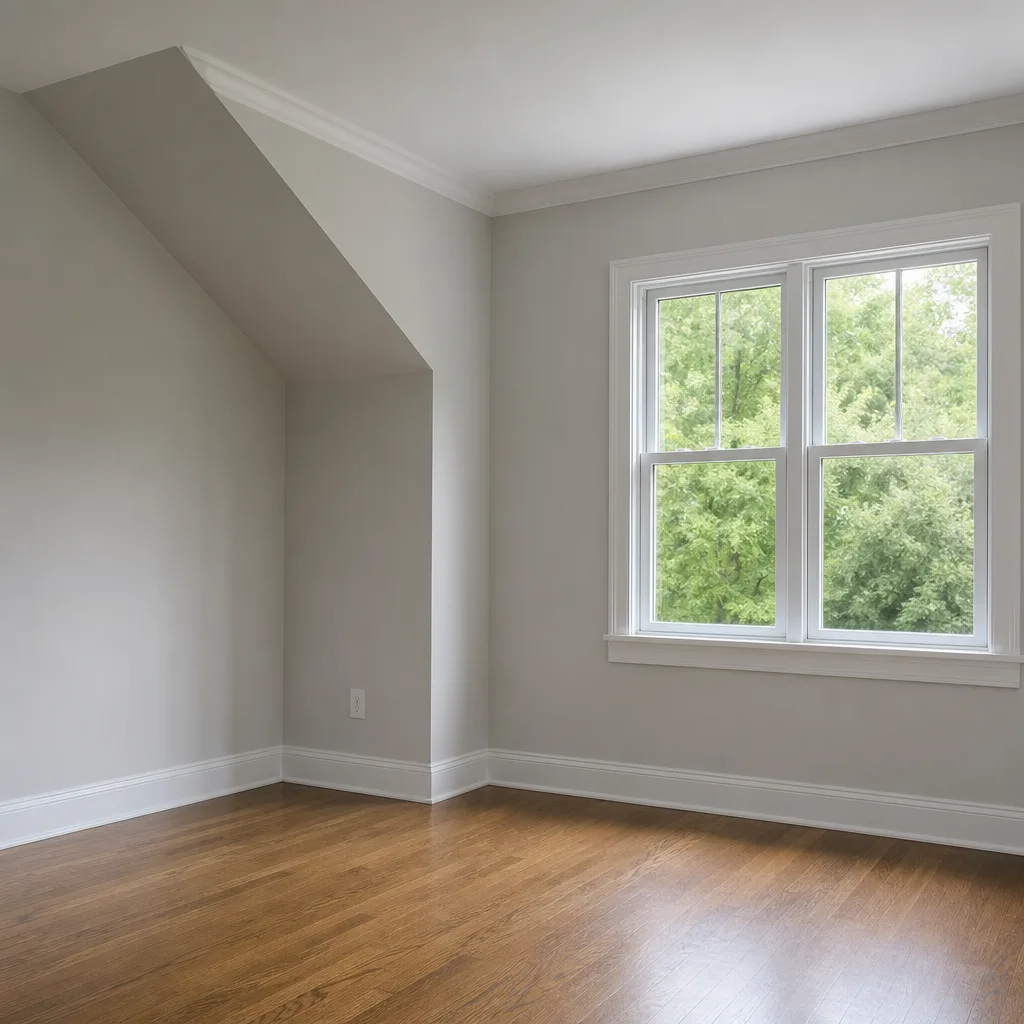
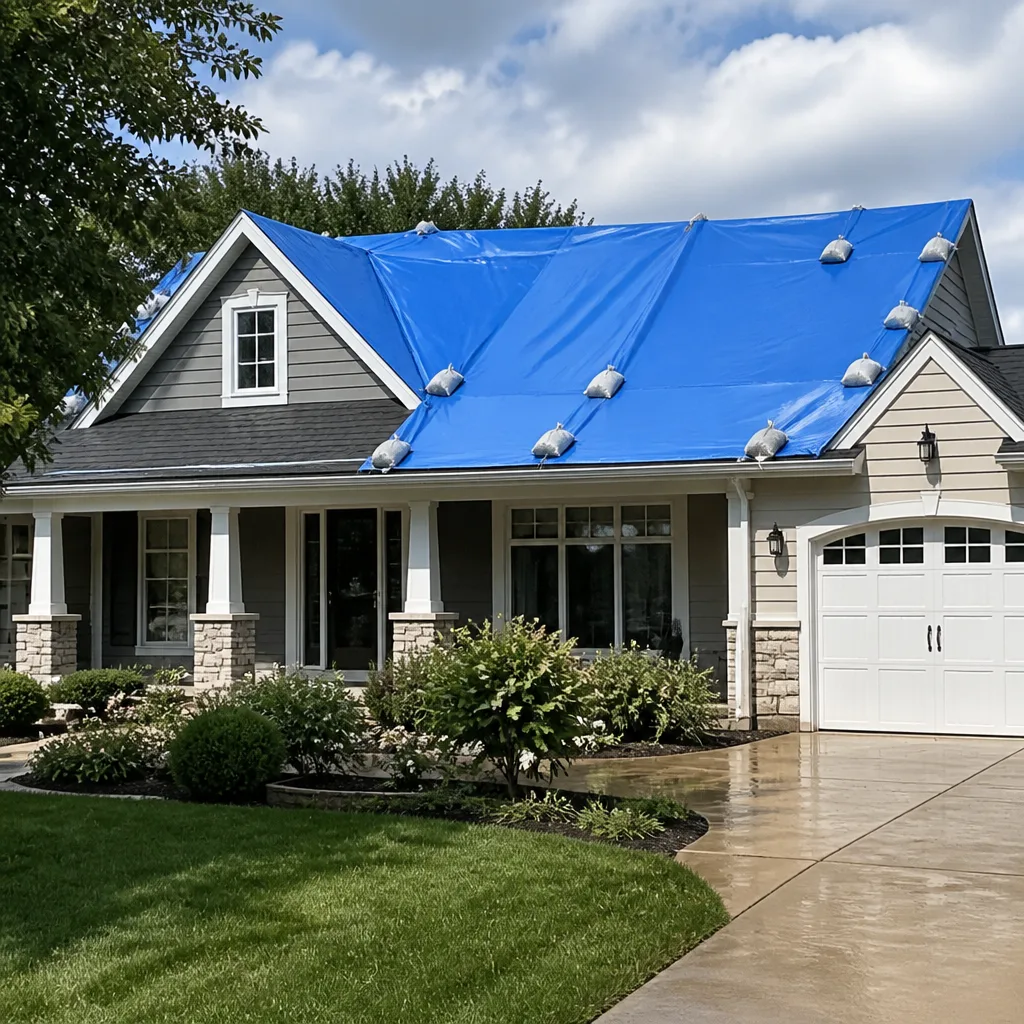
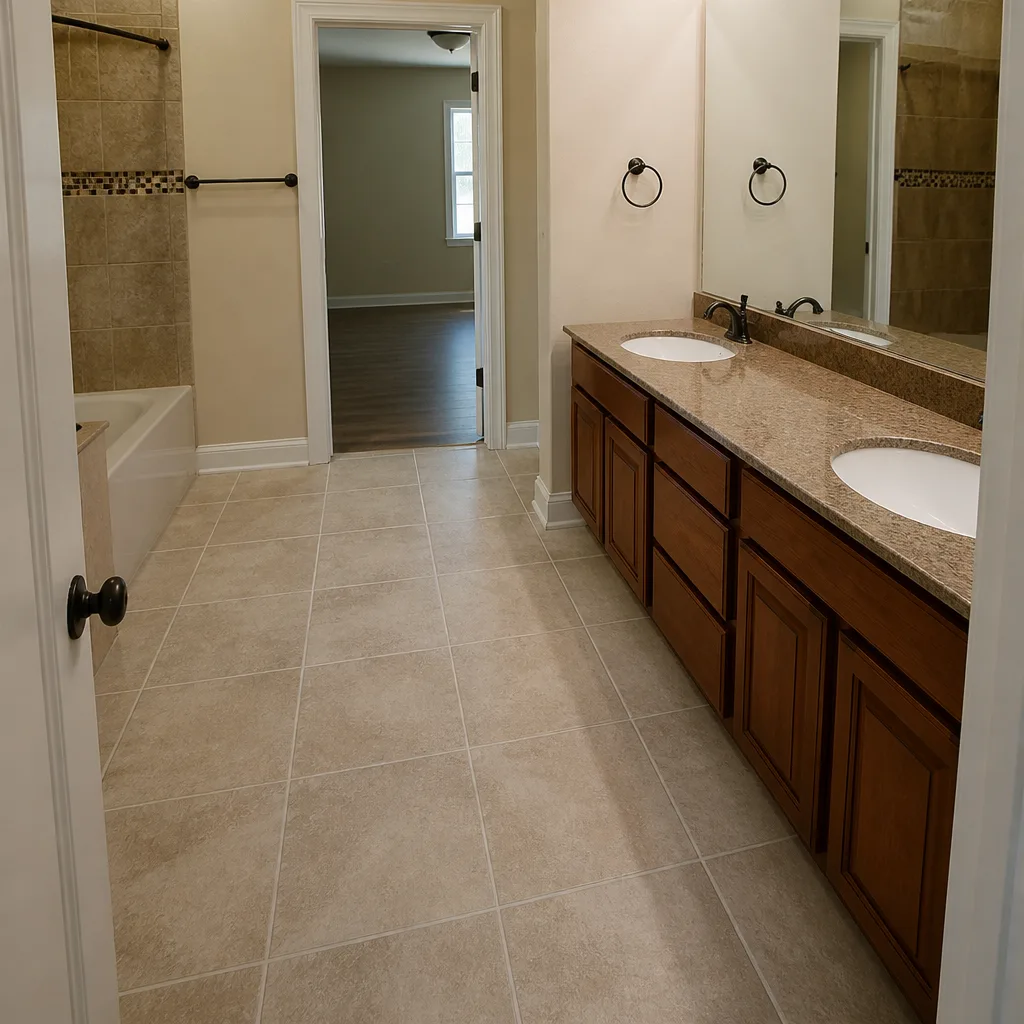
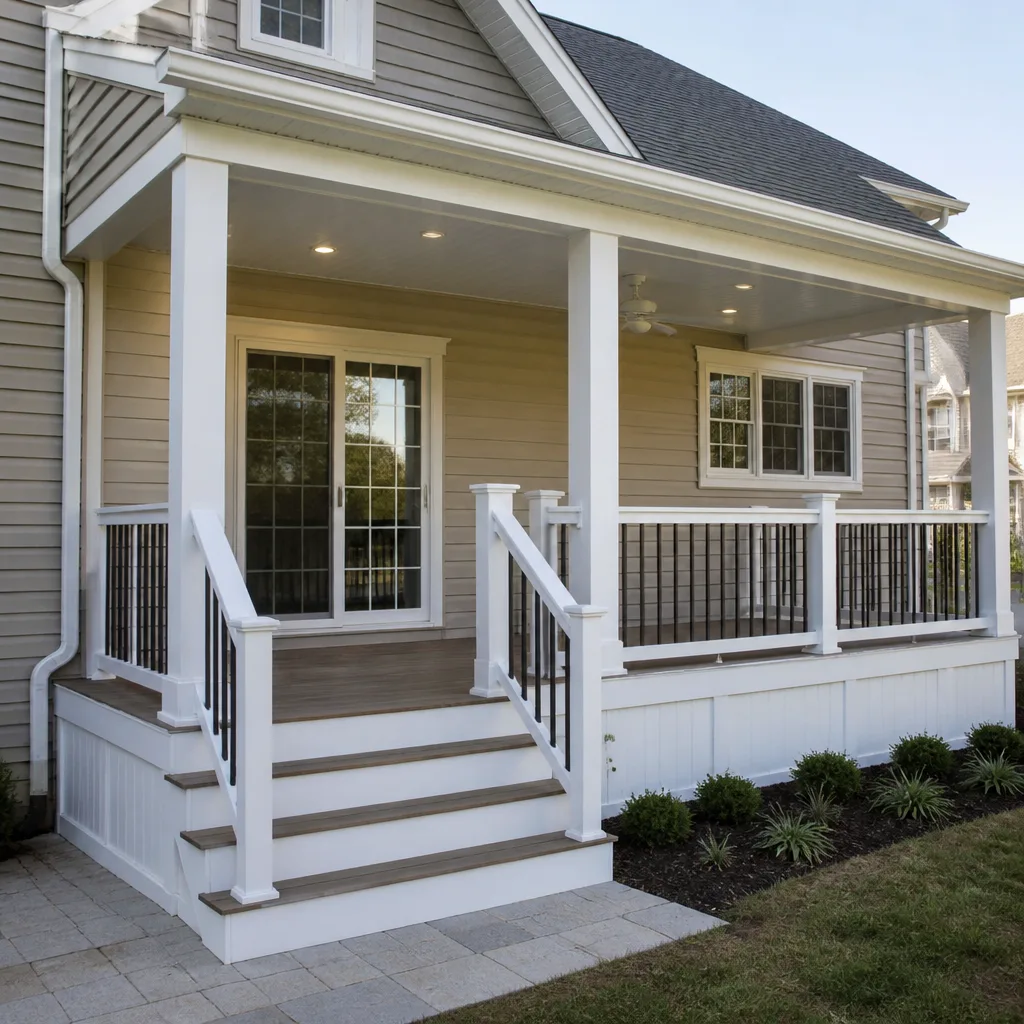
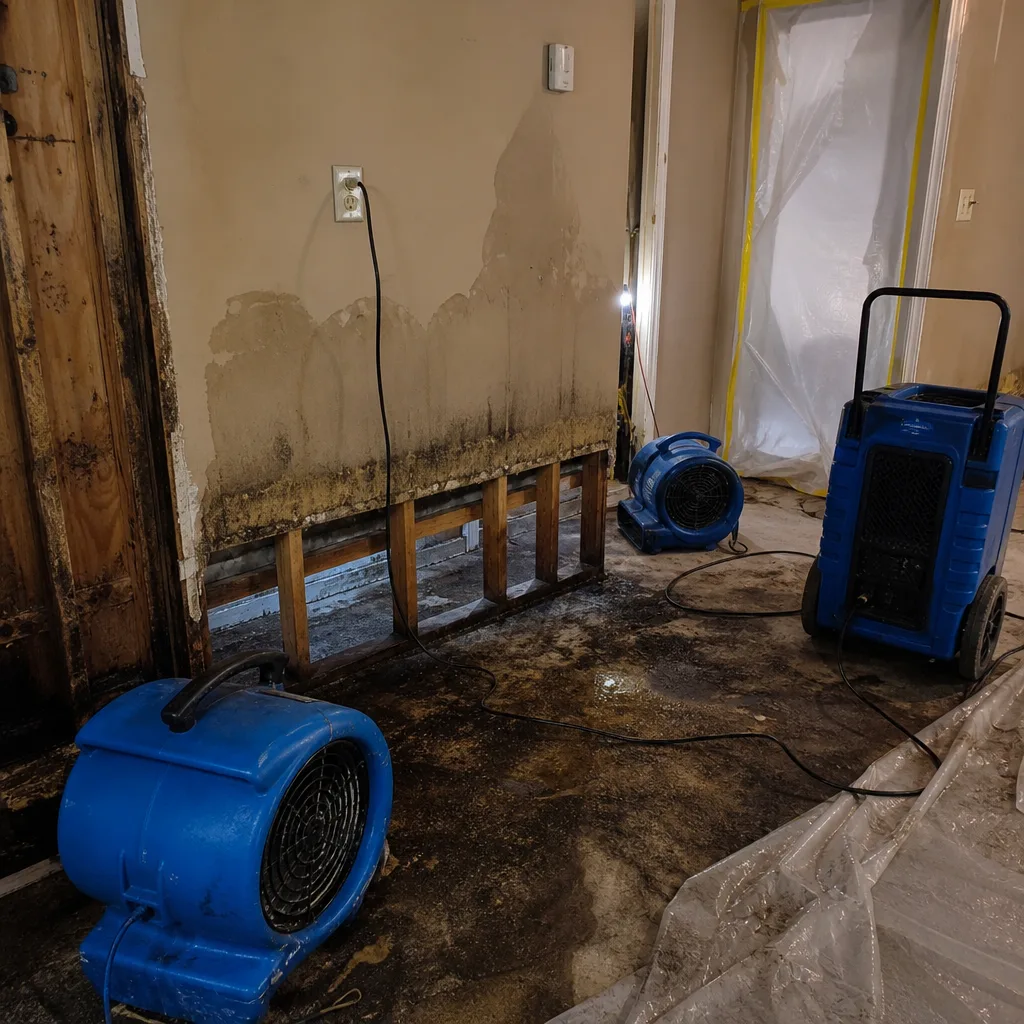 Before
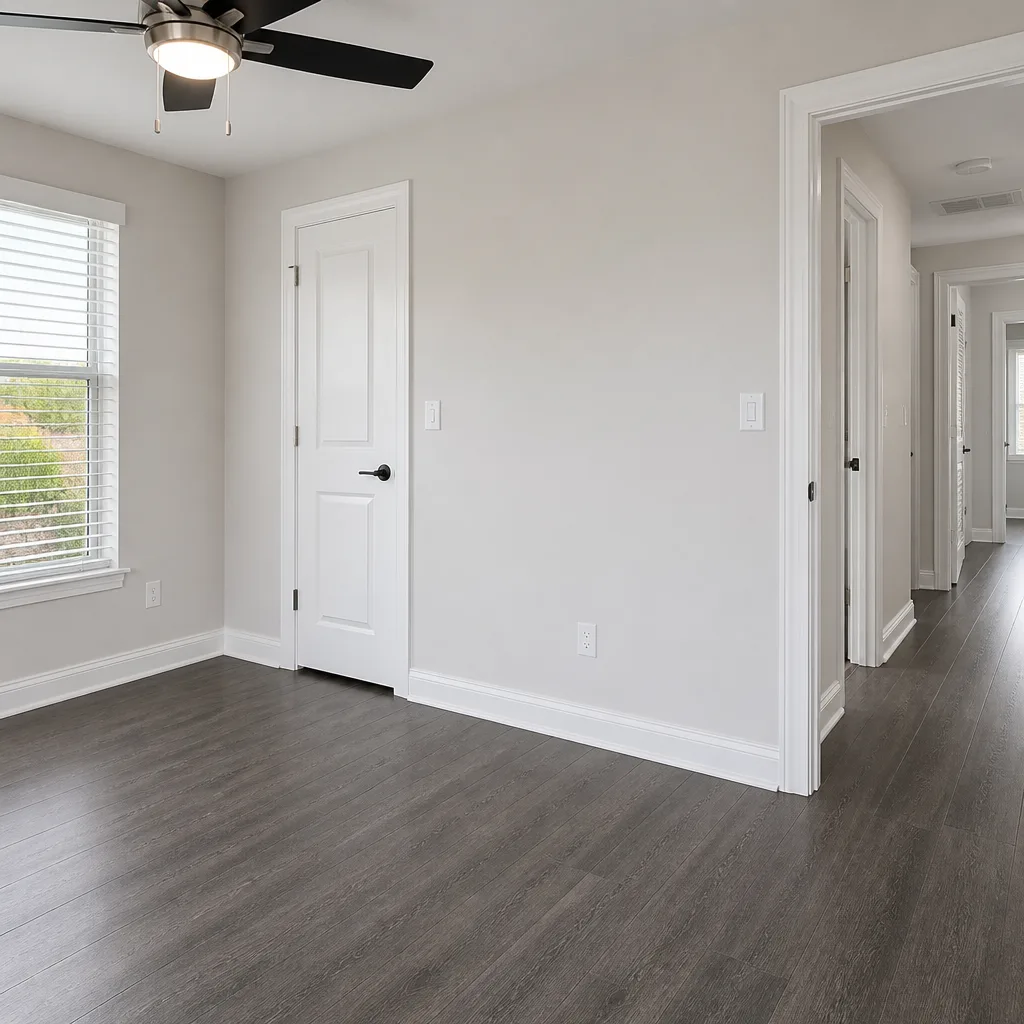 After
After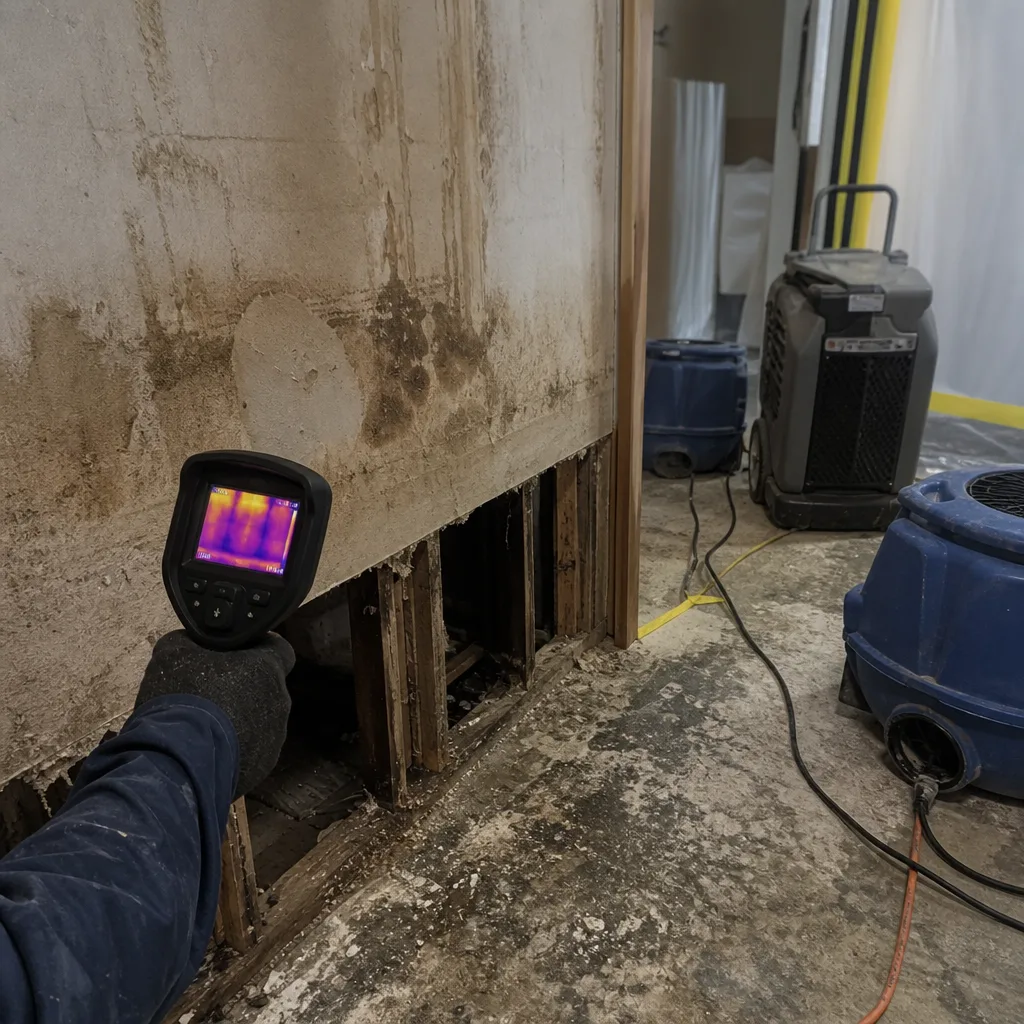 Before
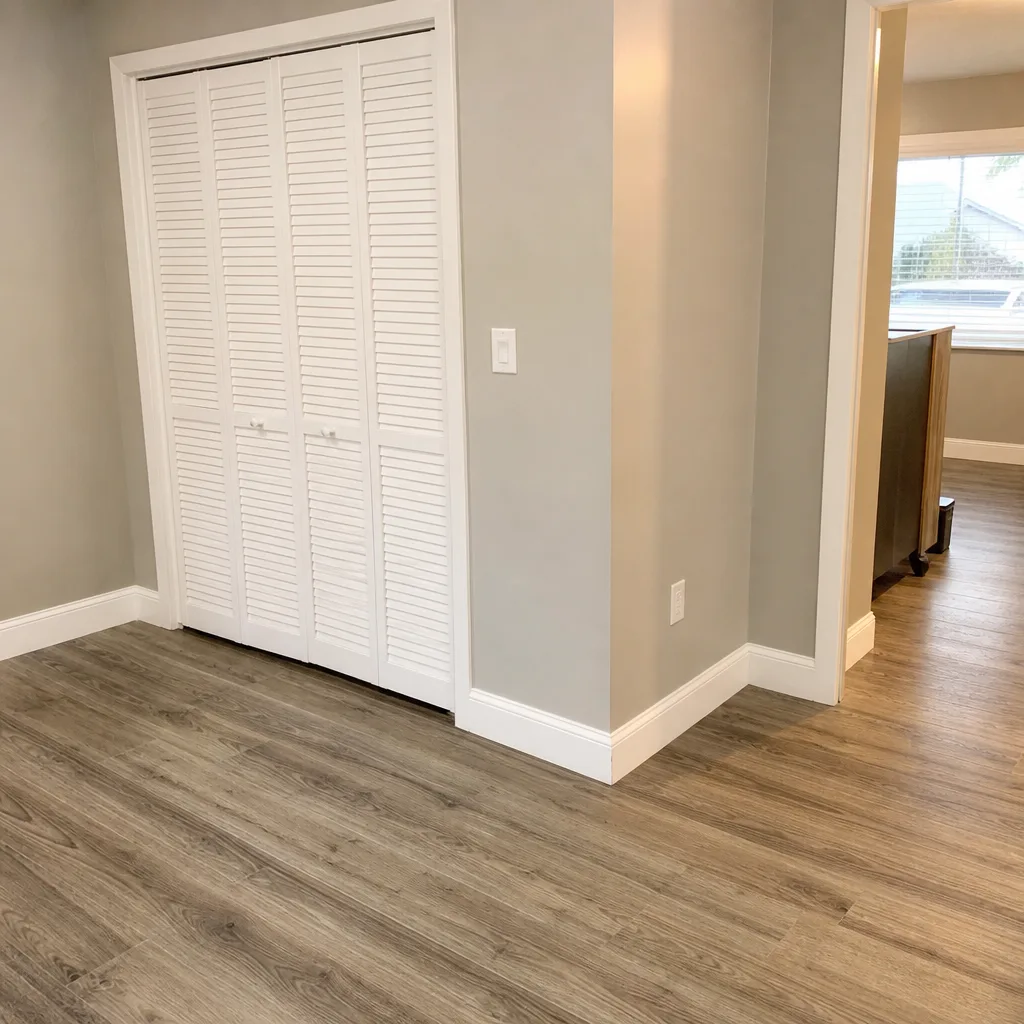 After
After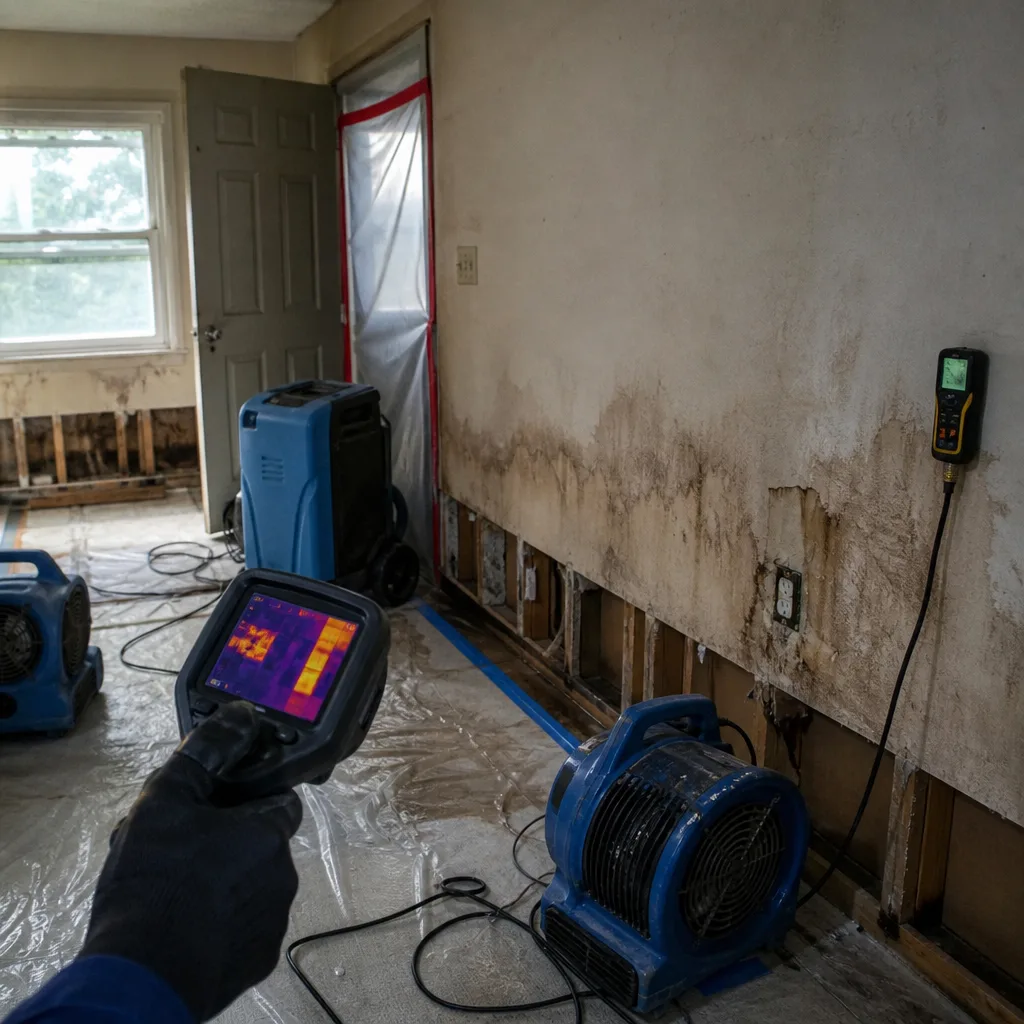 Before
 After
After24/7 Emergency Mold Remediation in Fort Lauderdale
Mold remediation in Fort Lauderdale typically costs $1,200-$4,500 for contained residential jobs and $5,000-$15,000+ for whole-structure treatments after major water intrusion, with most canal-front properties falling in the mid-to-upper range due to below-grade moisture sources. Our crews answer live at (754) 222-3479 every hour of every day, and we can have a technician to your Fort Lauderdale property within 45 minutes to begin moisture mapping and containment. The first 24-48 hours after water intrusion are critical in this climate: Fort Lauderdale’s 80-90% ambient humidity and 62-inch annual rainfall create conditions where mold colonizes structural cavities before most homeowners notice visible growth. We provide a free visual inspection, document every reading with photos, and deliver a written scope and price before any work begins - Haven Standard, Clause 1.
Understanding Mold Remediation Severity in Fort Lauderdale Properties
Mold severity in Fort Lauderdale follows a different pattern than inland Florida cities because of where the water originates. Category 1 clean water from a burst supply line demands rapid extraction and drying but rarely triggers full-scale remediation if addressed within 24 hours. Category 2 gray water - dishwasher discharge, washing machine overflow - introduces nutrients that accelerate colonization in our humidity, typically requiring removal of porous materials and antimicrobial treatment. Category 3 black water from sewage backflow or tidal inundation demands full containment, negative air pressure, HEPA filtration, and often the most invasive remediation protocols.
Fort Lauderdale’s mid-century concrete block construction (CBS) from the 1950s through 1970s complicates every severity assessment. The block doesn’t rot, but it wicks moisture through hollow cores and mortar joints, creating hidden reservoirs that standard drywall-focused remediation misses entirely. Our crews use thermal imaging and moisture meters to map the full extent of water migration through these structures, then apply psychrometric data - temperature, relative humidity, and vapor pressure differential - to calculate exactly how much drying capacity a given Fort Lauderdale property requires. Tertiary drying, the final phase where bound moisture is removed from dense materials, often takes longest in CBS homes because the block itself holds water long after drywall reads dry.
Why Fort Lauderdale Property Owners Choose DryMark Restoration Hollywood
- 45-minute response commitment to Fort Lauderdale addresses, with crews staged throughout Broward County for rapid deployment.
- 24/7 live answer - a real person picks up every call, never an automated system or voicemail tree, because mold doesn’t wait for business hours.
- IICRC-certified crews holding WRT (Water Damage Restoration Technician) and AMRT (Applied Microbial Remediation Technician) credentials, with license numbers documented on every job file.
- Free visual inspection with moisture readings and photo documentation, delivered with no obligation and no pressure to proceed.
- Direct insurance billing and adjuster coordination - we speak the language of claims because our founder, Alicia Brennan, built this company after years as a claims adjuster who saw what sloppy documentation costs homeowners.
- One team from containment to clearance testing to reconstruction, so no handoff gaps where moisture gets missed and mold returns.
 Before
 After
AfterOur Mold Remediation Process
1. Inspection & Assessment
We arrive with moisture meters, thermal imaging cameras, and hygrometers to map every affected area. In Fort Lauderdale’s CBS homes, we probe block cores and mortar joints, not just drywall surfaces, because that’s where hidden colonies thrive. You receive a written scope, line-item pricing, and a photo record before any work begins - Haven Standard, Clause 1.
2. Containment & Air Filtration
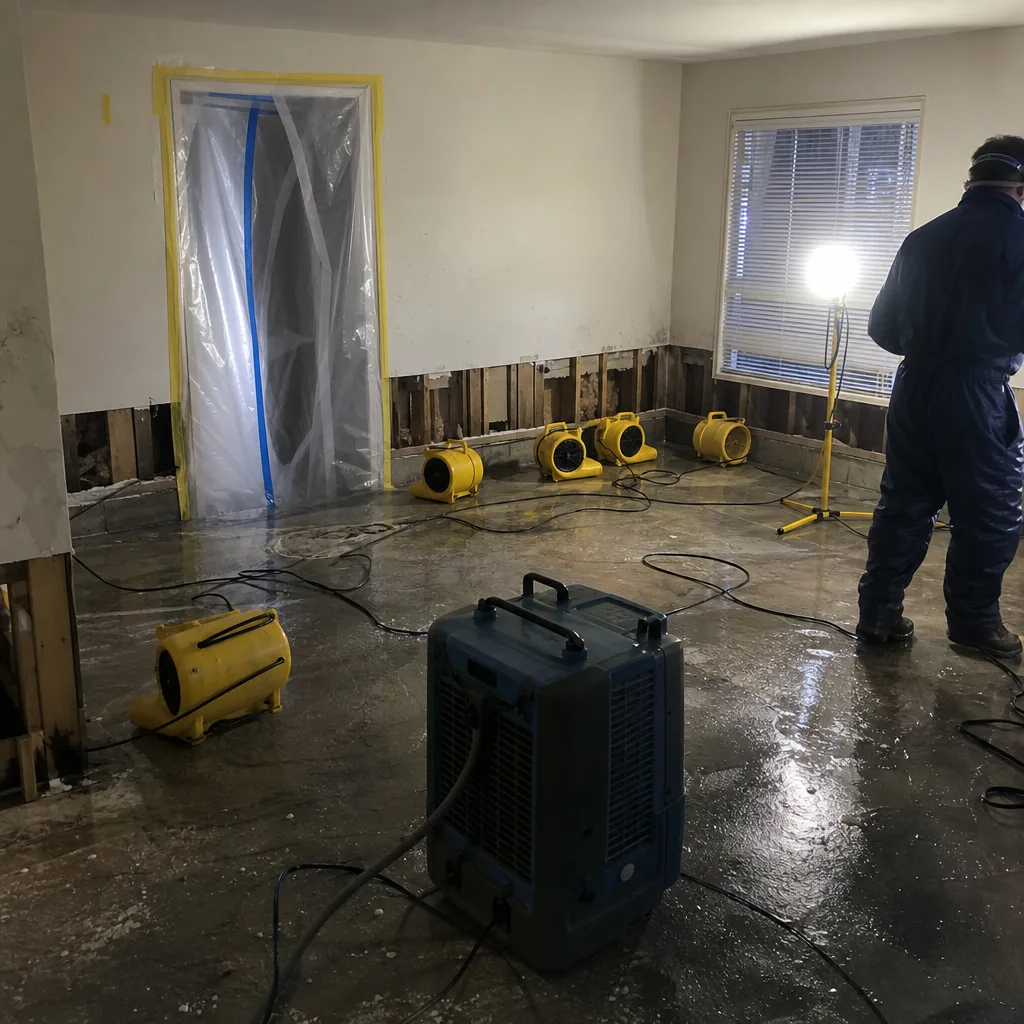
We establish physical barriers and negative air pressure using HEPA-scrubbed containment, preventing cross-contamination to unaffected areas. For Fort Lauderdale’s dense canal-front lots with zero setback, exterior containment often requires creative engineering to protect neighboring properties during remediation.
3. Moisture Elimination & Drying
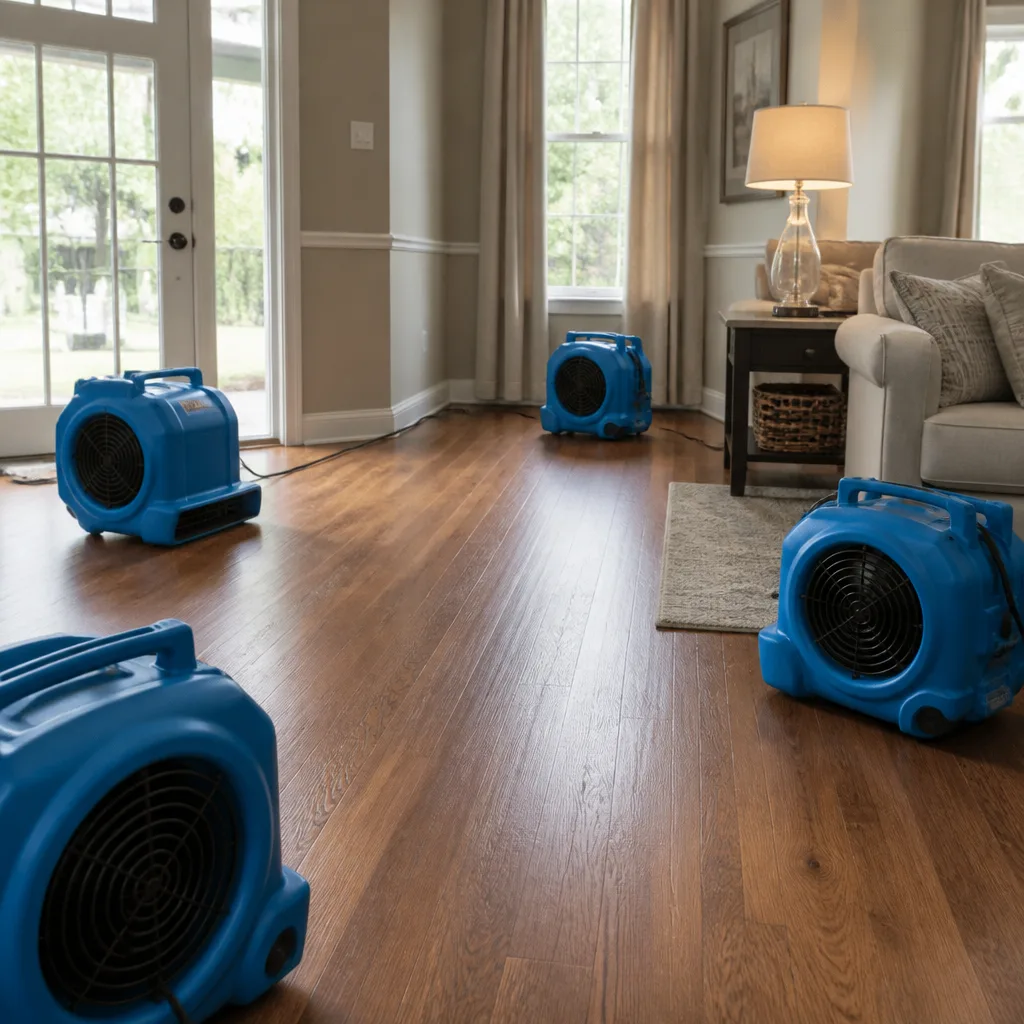
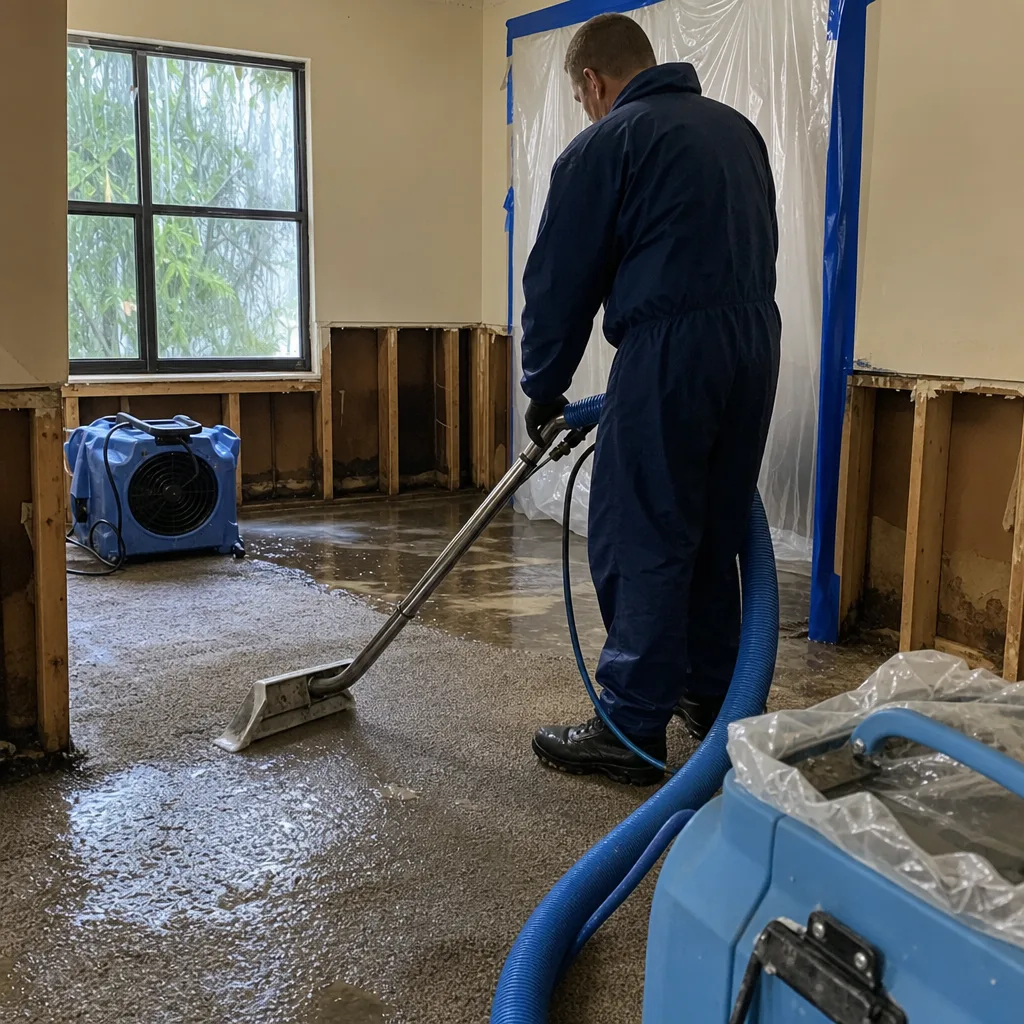
Professional-grade dehumidifiers from Dri-Eaz and Phoenix, combined with Injectidry cavity-drying systems, remove bound moisture from concrete block, framing, and subfloors. Daily moisture logs track progress to IICRC standards, producing the documentation your insurer needs to approve the invoice without dispute.
4. Cleaning & Antimicrobial Treatment
HEPA vacuuming and EPA-registered antimicrobial application address visible and hidden growth. In Fort Lauderdale’s high-humidity environment, we select products rated for residual efficacy in tropical conditions, not formulations designed for drier climates.
5. Crawl Space & Below-Grade Treatment
Canal-front properties in Las Olas Isles, Rio Vista, and Coral Ridge Isles often require specialized below-grade protocols: slab drying, vapor barrier installation, and sump pump integration to address seawall seepage and tidal backflow that surface remediation cannot reach.
6. Clearance Testing & Restoration
Third-party or in-house air and surface sampling confirms spore counts below industry thresholds. Only then do we begin reconstruction, with the 365-Day Done Right Promise under The Haven Standard backing every square foot we restore.
Need Emergency Mold Remediation in Fort Lauderdale Now?
Crews minutes away, answering live 24 hours a day. The sooner we start, the less it costs.
Working With Your Insurance Company
Our documentation-first approach exists because Alicia Brennan founded Back to Dry Restoration in 2011 after watching homeowners lose legitimate claims to incomplete records. From the first hour on your Fort Lauderdale property, we photograph every affected room, log every moisture reading, and build a line-item scope that matches industry-standard estimating platforms. Your adjuster receives a complete file: dated photos, psychrometric charts, drying logs, material classifications by trade name, and direct communication from our team. We’ve restored over 12,000 homes since 2011, and every one had a written price before work started and a documented record when the crew left. Direct billing to your carrier is standard, not an upsell.
What We Provide Your Insurer
- Thorough documentation of the loss
- Photos of all damage, room by room
- Moisture readings and drying logs
- A detailed, line-item scope of work
- Direct coordination with your carrier
Built for Fort Lauderdale’s Loss Calendar
Fort Lauderdale’s mold season never truly ends, but it shifts in predictable ways. January through April brings dry-season humidity dips that lull property owners into scaling back ventilation, trapping moisture from daily living inside tightly sealed CBS homes. May through October is the core threat period: wet-season rainfall averaging 5-7 inches monthly combines with 90°F+ temperatures and sustained 85%+ humidity into conditions where any water intrusion event triggers colonization within 24-48 hours. Hurricane season peaks August through October, but king tides - increasingly severe due to sea-level rise - now produce “sunny-day” flooding in low-lying Fort Lauderdale neighborhoods even in calm weather, extending the damage restoration calendar well beyond named storms. November and December see secondary mold calls from delayed discoveries: owners who smelled something musty all summer finally investigate after the holidays, often finding months-old colonization in block cavities that requires more invasive remediation than if caught promptly.
Mold Remediation Across Fort Lauderdale’s Neighborhoods
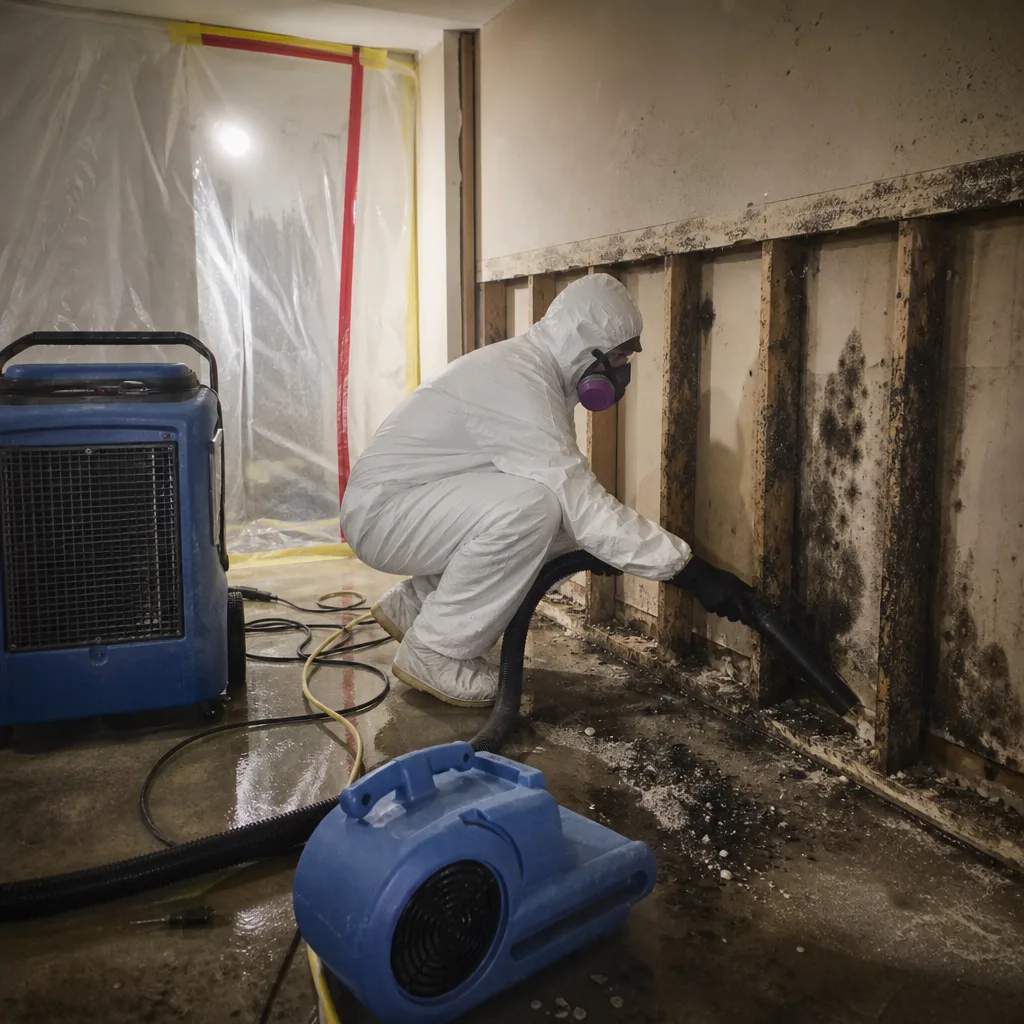
In Las Olas Isles and Rio Vista, our crews regularly respond to below-grade water intrusion from seawall seepage and tidal canal backflow through floor drains. The finger-island lots put water on three or four sides of a structure, and the 1960s-70s CBS homes wick that moisture upward through block cores for weeks before showing surface signs. Remediation here demands slab-focused drying protocols, not ceiling tearouts.
Coral Ridge Isles presents similar canal-front challenges with an added wrinkle: many homes have original 1950s-60s cast-iron plumbing stacks running through block walls, and when these fail, the resulting moisture pattern mimics seawall seepage until we camera the line. Misdiagnosis costs homeowners thousands in unnecessary exterior excavation.
Along the A1A beach corridor, high-rise condominiums from the 1970s and 1980s create complex multi-unit claims. A single failed plumbing stack or aging flat-roof membrane can cascade damage across dozens of units simultaneously, requiring coordination with building management, individual unit owners, and multiple insurance carriers - a specialty our Miami (South FL) office handles regularly for Fort Lauderdale properties.
In Tarpon River and Progresso, the 2018-2021 sewer infrastructure collapse left lasting vulnerability. Aging clay and concrete pipes continue to fail sporadically, generating Category 3 sewage backflow that demands full biohazard protocols integrated with mold remediation. We built these protocols as a core service line specifically for this Fort Lauderdale reality.
Specialized Mold Remediation Services We Offer in Fort Lauderdale
Mold Inspection & Testing
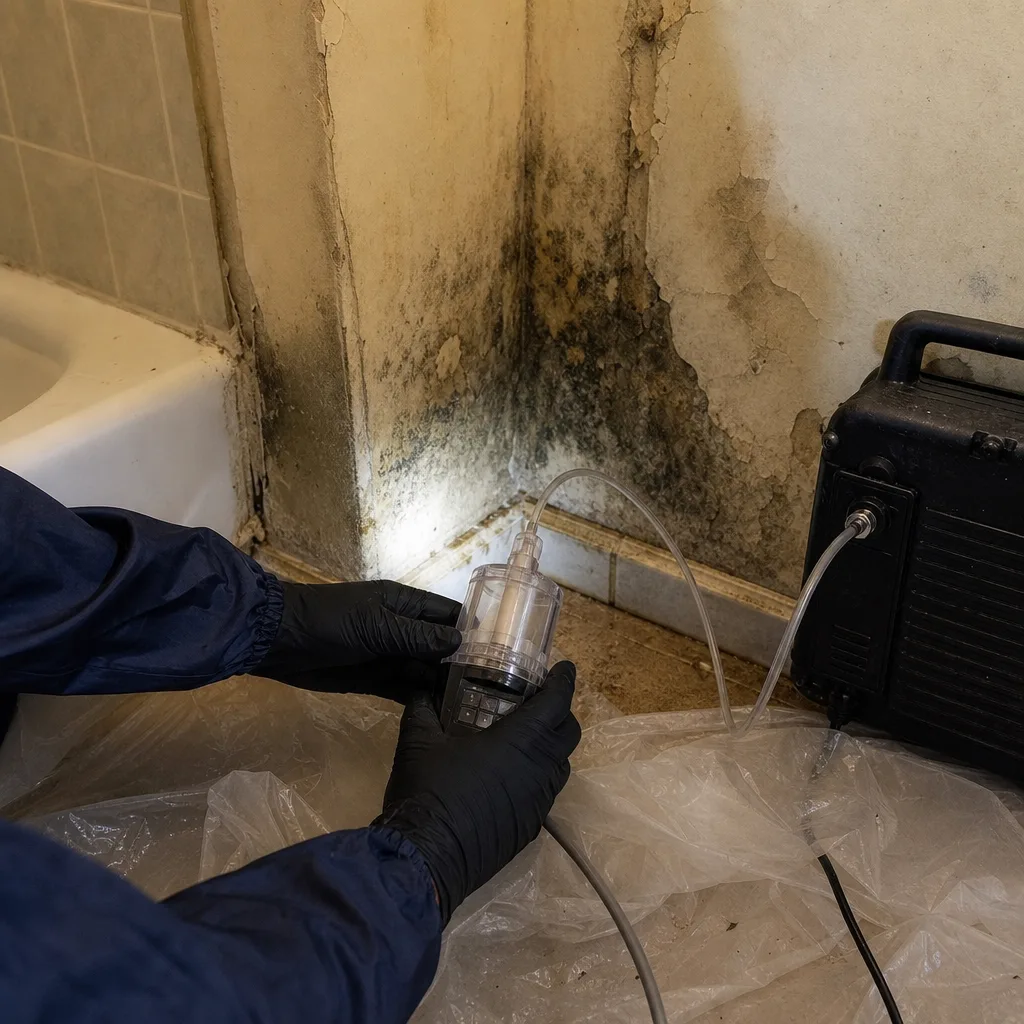
Our Fort Lauderdale inspections go beyond visual assessment to include air sampling, surface sampling, and invasive cavity investigation in CBS construction. We use moisture mapping to distinguish active colonization from old, dormant growth, so you don’t pay for remediation you don’t need. A written report with photos, lab results, and recommendations is delivered within 48 hours.
Mold Removal
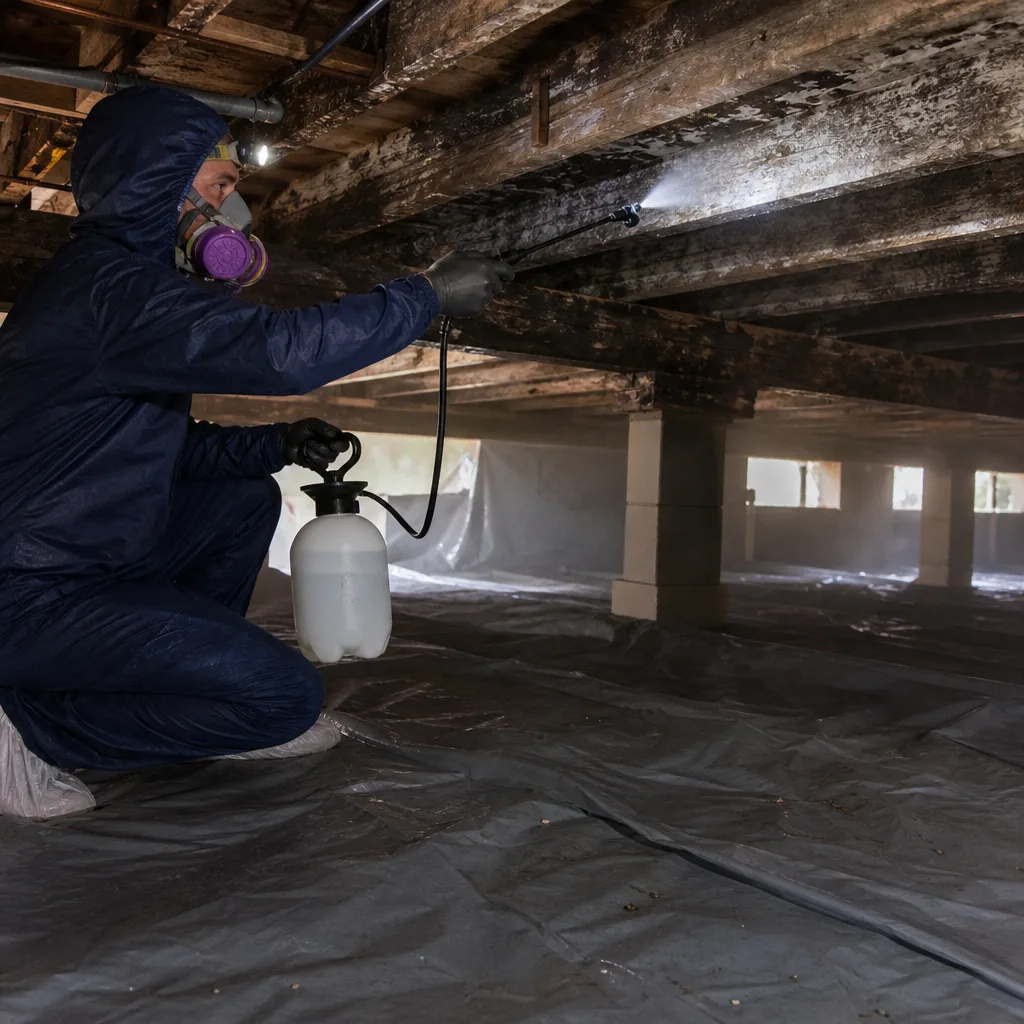
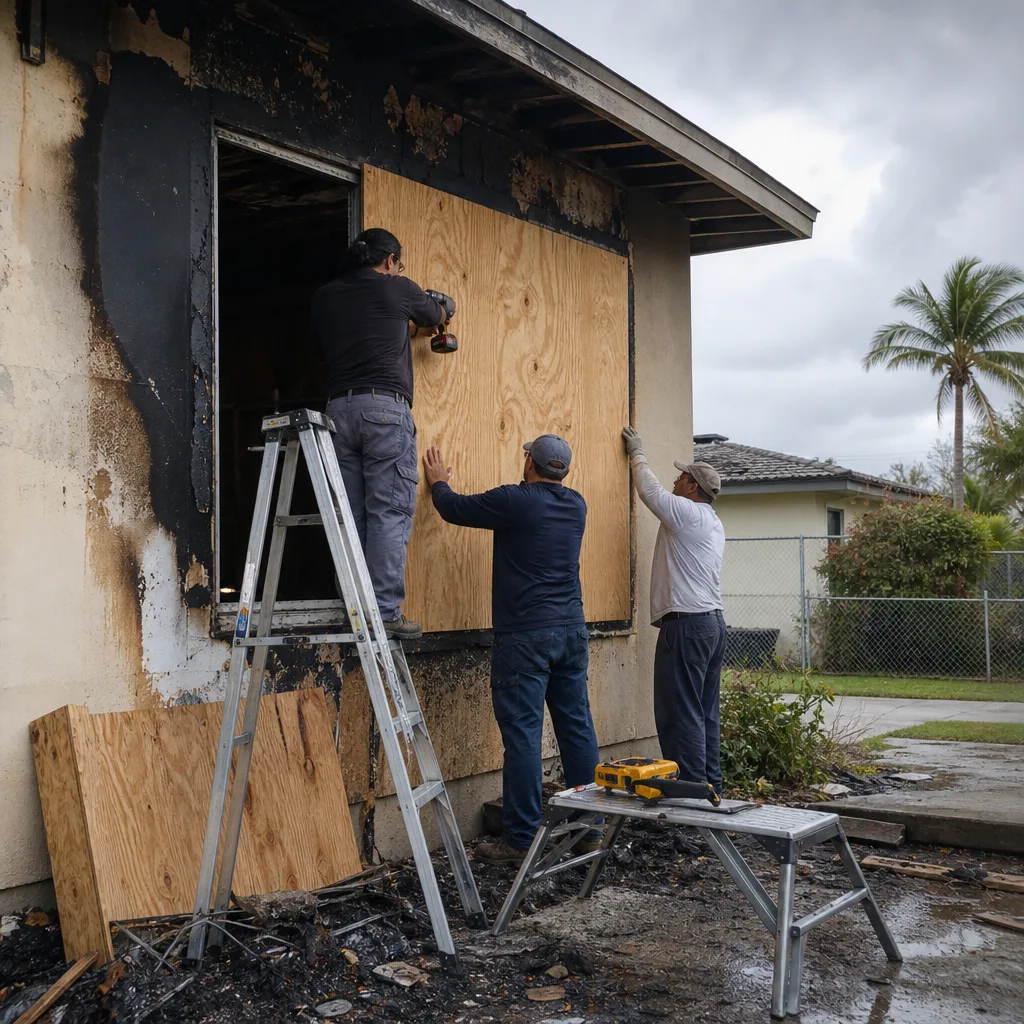
Removal protocols vary by material classification: porous materials like drywall and insulation are removed and discarded; semi-porous materials like wood framing are HEPA-sanded and treated; non-porous materials like tile and metal are cleaned and sealed. In Fort Lauderdale’s humidity, we never skip the drying verification step - reinstalling materials over damp substrates guarantees recurrence.
Black Mold Remediation
Stachybotrys chartarum and other toxigenic species require full containment, negative air pressure, and specialized PPE. Our crews are AMRT-certified through IICRC for these protocols. In Fort Lauderdale, black mold most commonly follows Category 3 water events - sewage backflow, tidal inundation, or prolonged standing water - where the nutrient load supports aggressive colonization.
Air Quality Restoration
Post-remediation, we deploy HEPA air scrubbers and activated carbon filtration to address spores, mycotoxins, and volatile organic compounds. For Fort Lauderdale’s high-rise condos along A1A, we coordinate with building HVAC contractors to assess and clean shared air handling systems when cross-contamination is suspected.
Crawl Space Treatment
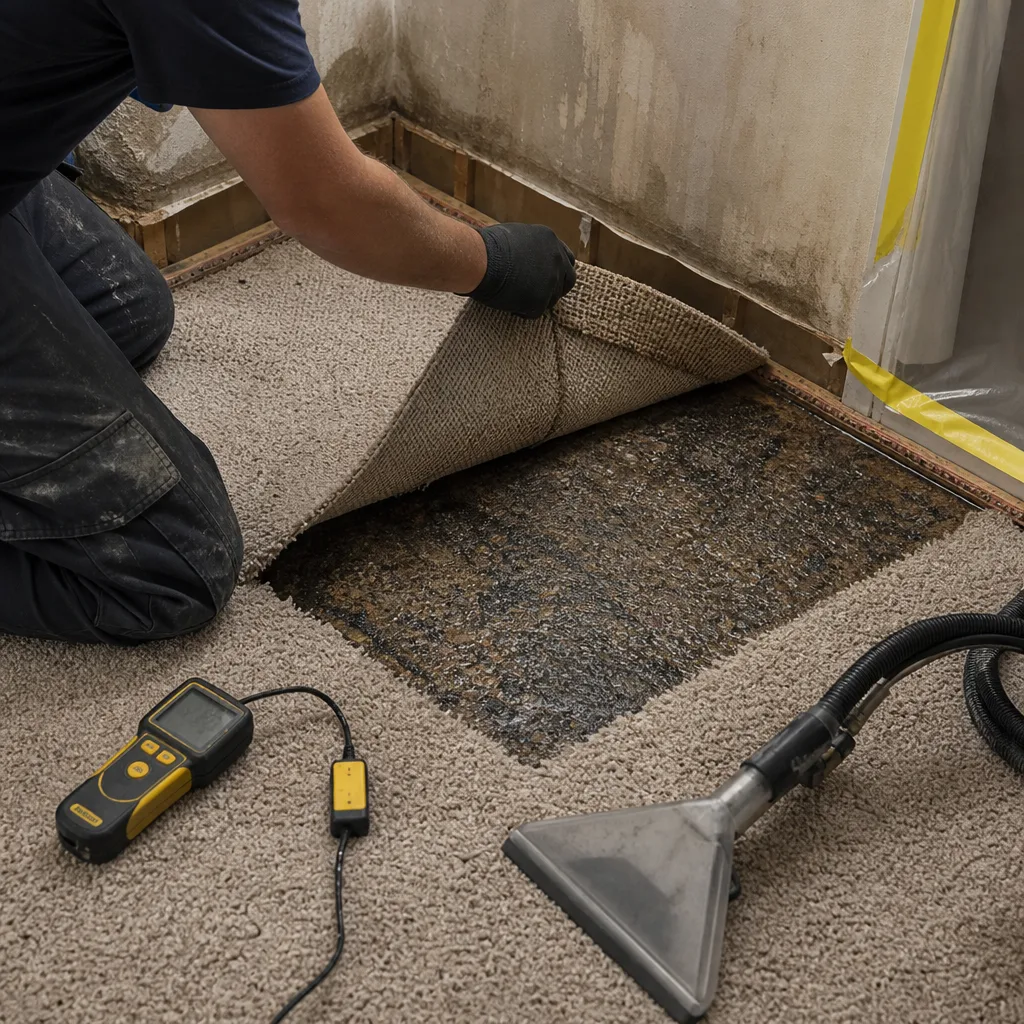
Many Fort Lauderdale homes, especially older CBS structures in low-lying areas, have crawl spaces or partial basements that function as moisture reservoirs. We install vapor barriers, dehumidification systems, and drainage improvements to transform these spaces from mold incubators to dry, ventilated zones. This is often the difference between one-time remediation and recurring problems.
Moisture & Humidity Control
Fort Lauderdale’s ambient humidity makes post-remediation moisture management essential, not optional. We specify and install whole-home and targeted dehumidification systems, monitor with remote humidity sensors, and provide written maintenance protocols. The goal is structural dryness that outlasts our 365-Day Done Right Promise.
What happens when you call
- 1
A real person answersNo phone trees - you reach a local pro.
- 2
You get an upfront price rangeHonest numbers before anyone is dispatched.
- 3
A background-checked tech heads outLicensed & insured, dispatched right away.
- 4
You approve before work beginsNothing starts until you say go.
Mold Remediation Costs in Fort Lauderdale, FL
| Service | Typical Range in Fort Lauderdale |
|---|---|
| Contained area remediation (single room, <100 sq ft visible) | $1,200 - $2,800 |
| Moderate remediation (multiple rooms, HVAC involvement) | $3,500 - $7,500 |
| Whole-structure remediation after major water intrusion | $8,000 - $15,000+ |
| Crawl space treatment with vapor barrier | $2,500 - $5,500 |
| Air quality testing and clearance documentation | $400 - $900 |
| Moisture mapping and inspection (free visual; invasive) | $0 - $650 |
What moves the price: the extent of hidden colonization in CBS block cores, the number of below-grade water sources requiring simultaneous addressing, whether asbestos or lead requires abatement coordination, and the square footage of containment needed. Insurance typically covers mold remediation when it results from a covered water loss, but policies vary on mold caps and secondary damage exclusions. Our free inspection produces a firm, written scope with no obligation - Haven Standard, Clause 1 - and we offer a Free Second Opinion on any competitor’s written estimate. Call (754) 222-3479 to schedule.
We Also Serve Cities Near Fort Lauderdale
Our crews respond throughout Broward County from our Miami (South FL) office, with regular dispatch to Fort Lauderdale and neighboring communities including Plantation, Pompano Beach, Hollywood, and Coconut Creek. Each city’s building stock, water sources, and loss patterns inform our approach - we don’t apply a Fort Lauderdale template to a Plantation job.
Serving Fort Lauderdale, FL - Our Local Coverage Area
We’re based in the Fort Lauderdale area and know this community well. Use the map below to see our service coverage - if you’re nearby, we can almost certainly help.
Fort Lauderdale Mold Remediation Questions, Answered
After a storm or king tide in Fort Lauderdale, how quickly can mold grow in my canal-front home?
Mold can colonize within 24-48 hours of water intrusion in Fort Lauderdale’s climate, and canal-front homes face accelerated risk because seawall seepage and tidal backflow continue delivering moisture after the storm passes. In a 1960s CBS home in Las Olas Isles, we typically find active colonization in block cores within 72 hours of a king-tide event if drying hasn’t begun. Call (754) 222-3479 for immediate moisture mapping - the sooner we start, the less invasive the remediation.
Why is mold remediation different for Fort Lauderdale’s mid-century CBS homes compared to wood-frame houses?
Concrete block construction doesn’t rot, but it wicks moisture through hollow cores and mortar joints, creating hidden reservoirs that standard drywall-focused remediation misses entirely. Wood-frame homes show damage visibly on studs and sheathing; CBS homes conceal it inside the block until surface staining appears, often requiring more invasive cavity treatment with Injectidry systems and antimicrobial application to the block itself. Our Mold Remediation team maps these hidden patterns before proposing any scope.
Does Fort Lauderdale’s sewage infrastructure affect mold remediation?
Yes. The city’s aging clay and concrete sewer system, largely installed in the 1950s-60s, generated widespread failures between 2018-2021 and continues to fail sporadically in neighborhoods like Tarpon River and Progresso. Sewage backflow is Category 3 black water, requiring full biohazard protocols integrated with mold remediation because the nutrient load supports aggressive, toxigenic colonization. We built these combined protocols specifically for this Fort Lauderdale reality.
Can you remediate mold in high-rise condos along the A1A beach corridor?
Absolutely. We’ve handled multi-unit claims in Fort Lauderdale’s 1970s-80s high-rise inventory where a single failed plumbing stack or roof membrane breach cascaded damage across dozens of units. These jobs require coordination with building management, individual owners, and multiple carriers, plus containment strategies that protect common areas and adjacent units. Our documentation meets the scrutiny these complex claims demand.
What’s the first step if I suspect mold after water intrusion in Fort Lauderdale?
Stop using the affected area, increase ventilation if safe, and call (754) 222-3479 for our free visual inspection. Don’t disturb visible growth - agitation releases spores. We’ll arrive with moisture meters and thermal imaging to determine whether you’re dealing with active colonization requiring remediation or residual staining that cleaning can address. The inspection is free, the documentation is immediate, and the written scope follows before any work begins.
Will my insurance cover mold remediation in Fort Lauderdale?
Most policies cover mold remediation when it results from a sudden, covered water loss - burst pipe, storm damage, etc. - but many impose dollar caps on mold-specific claims or exclude mold from long-term leaks deemed maintenance issues. We review your policy language, document the loss origin with photos and moisture readings, and coordinate directly with your adjuster to maximize covered scope. Our documentation-first approach exists precisely because claims get denied on paperwork gaps, not damage reality.
How long does mold remediation take in Fort Lauderdale?
Contained residential jobs typically run 3-7 days: 1 day for setup and containment, 2-4 days for drying and treatment, 1-2 days for clearance testing and breakdown. Whole-structure remediation after major intrusion can extend to 2-3 weeks, especially in CBS homes where block-core drying requires extended tertiary drying phases. We provide a day-by-day schedule in your written scope - no open-ended timelines.
Can my family stay in the home during mold remediation?
For contained, single-area jobs with proper containment and negative air pressure, residents often remain in unaffected portions of the home. For whole-structure remediation, Category 3 water origin, or toxigenic species involvement, we recommend temporary relocation until clearance testing confirms safe reoccupancy. We specify this in your written scope before work begins, with no surprises.
Fort Lauderdale’s canal-front environment creates mold risks found nowhere else in Broward County. Below-grade water from seawall seepage and tidal backflow, combined with mid-century CBS construction that conceals moisture in block cores, demands remediation protocols designed specifically for this city’s realities - not inland templates applied by rote. After a king-tide event seeped through the seawall in Las Olas Isles, we found elevated moisture readings in the slab of a 1960s CBS home. Our tech set containment, applied antimicrobial treatment to the hollow block cores, and used Injectidry to dry the wall cavities; post-drying moisture mapping confirmed the structure returned to pre-loss condition. That’s the documentation standard we apply to every Fort Lauderdale job.
Call (754) 222-3479 now for a free visual inspection and written scope. Crews are minutes away, answering live 24 hours a day.
Written by Alicia Brennan, Owner at Back to Dry Restoration, serving Fort Lauderdale since 2011.
Mold Remediation in Nearby Areas