
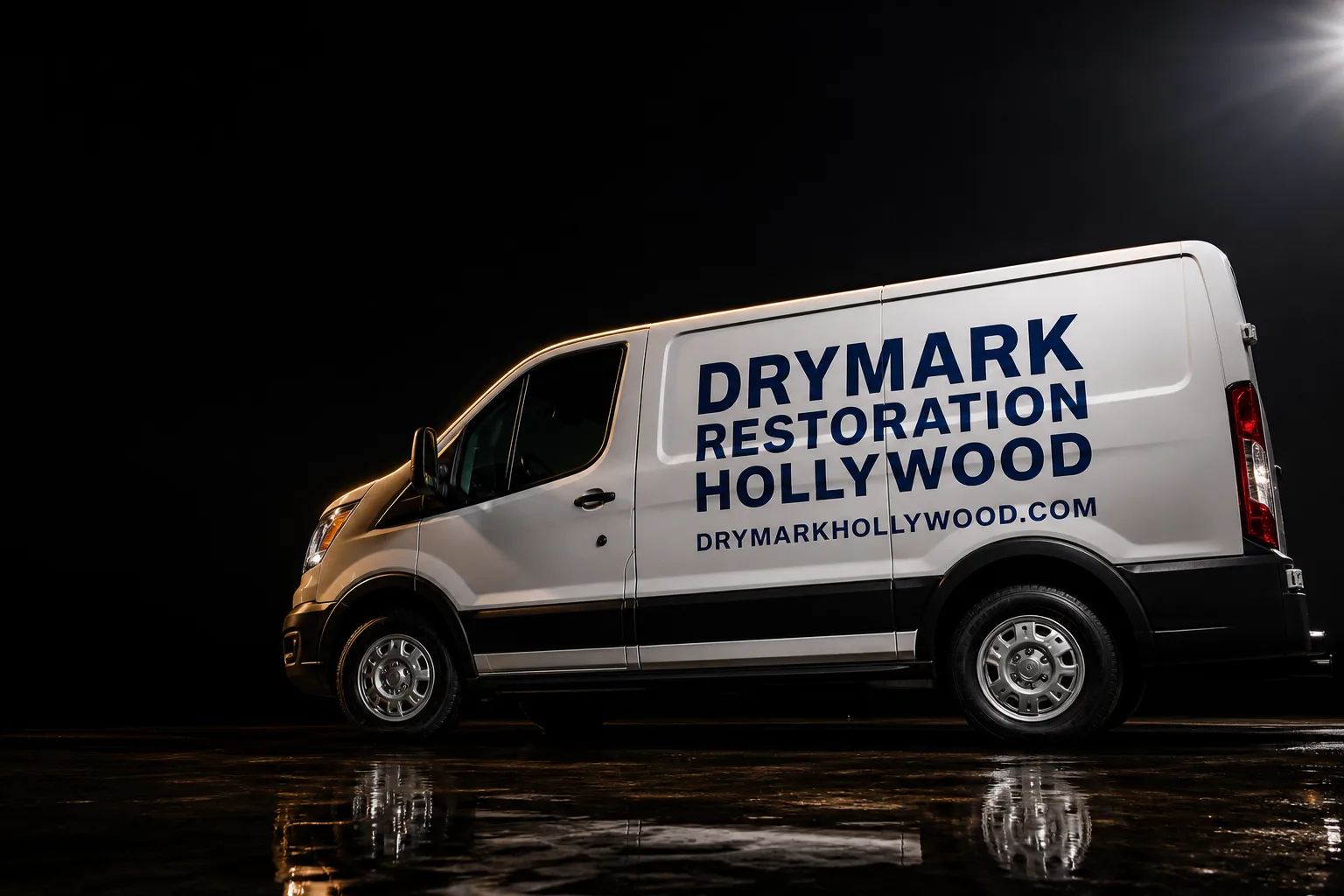
Free visual inspection and a written scope of work before any mitigation begins - photos, moisture readings, and drying logs go in your claim file
The scope we write is the scope we bill. Anything new gets shown to you, in writing, before we touch it.
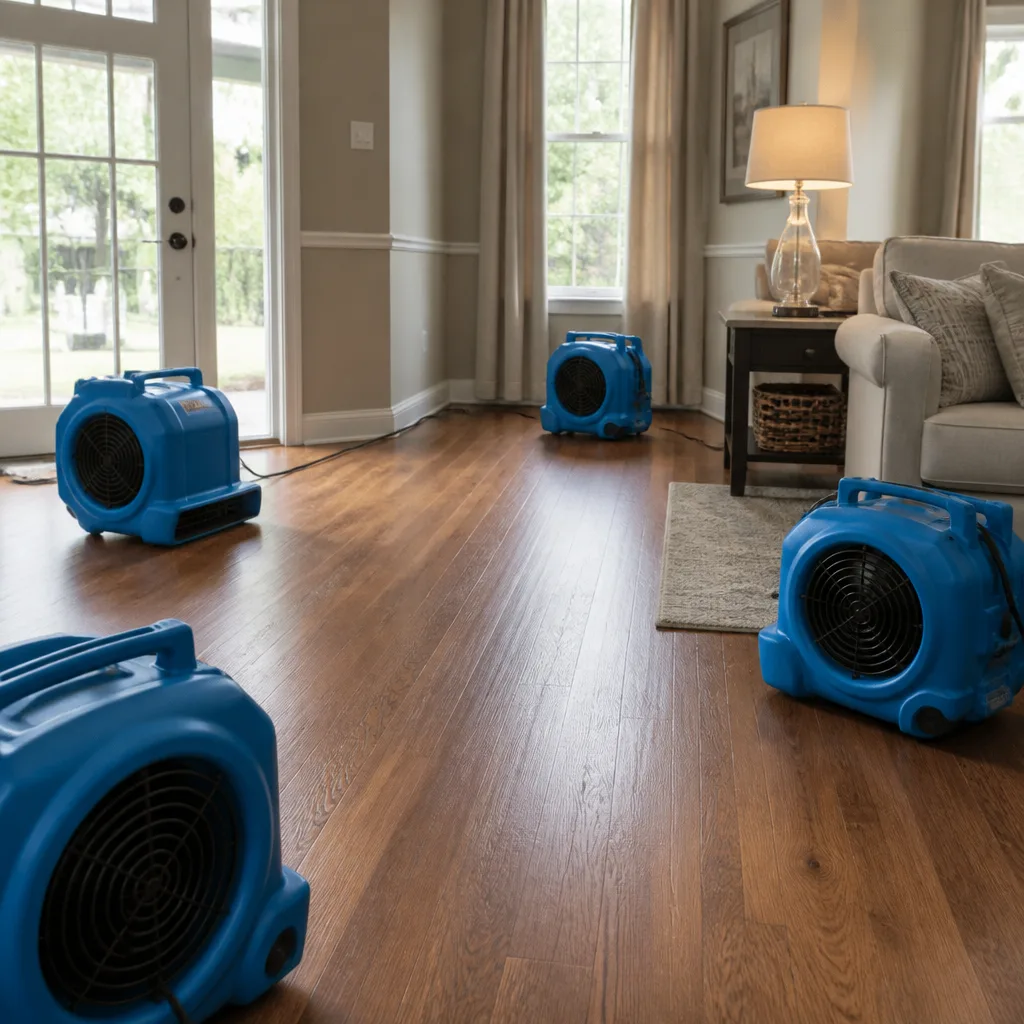
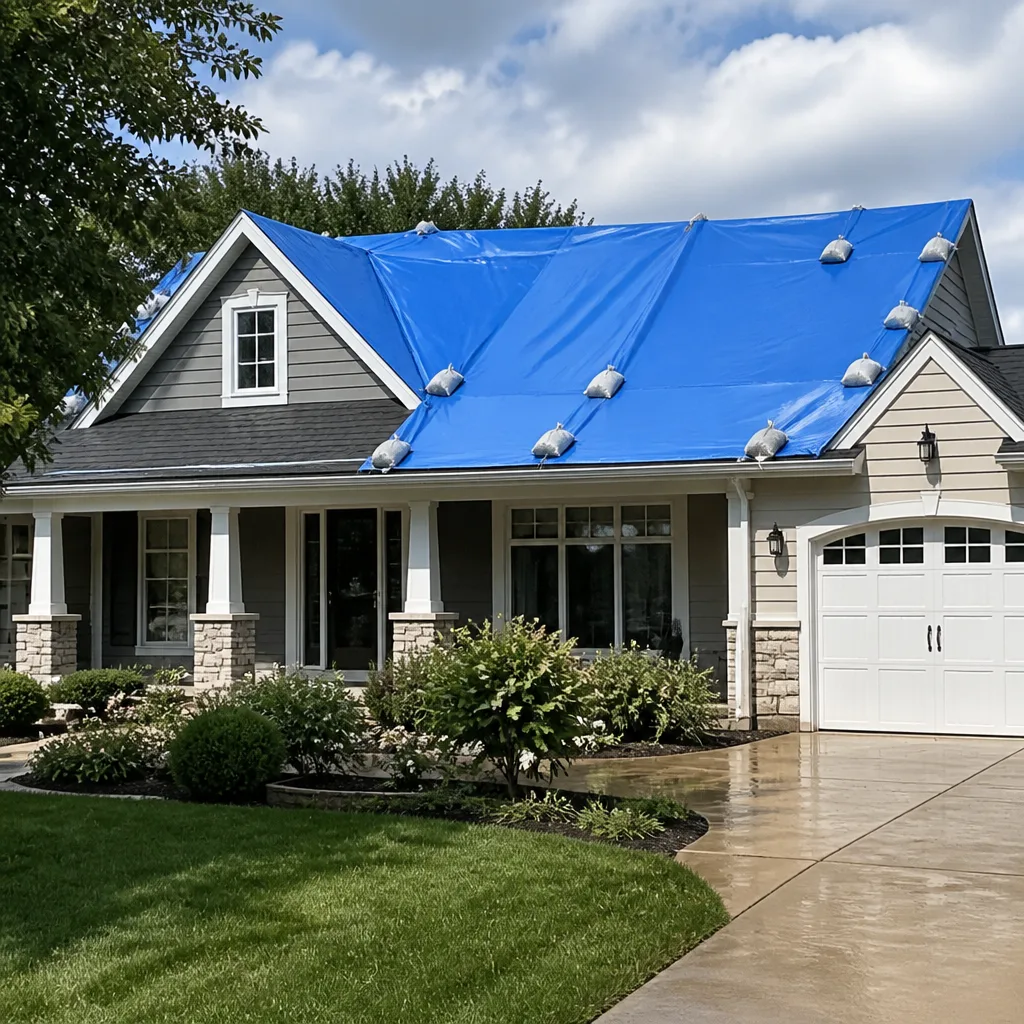
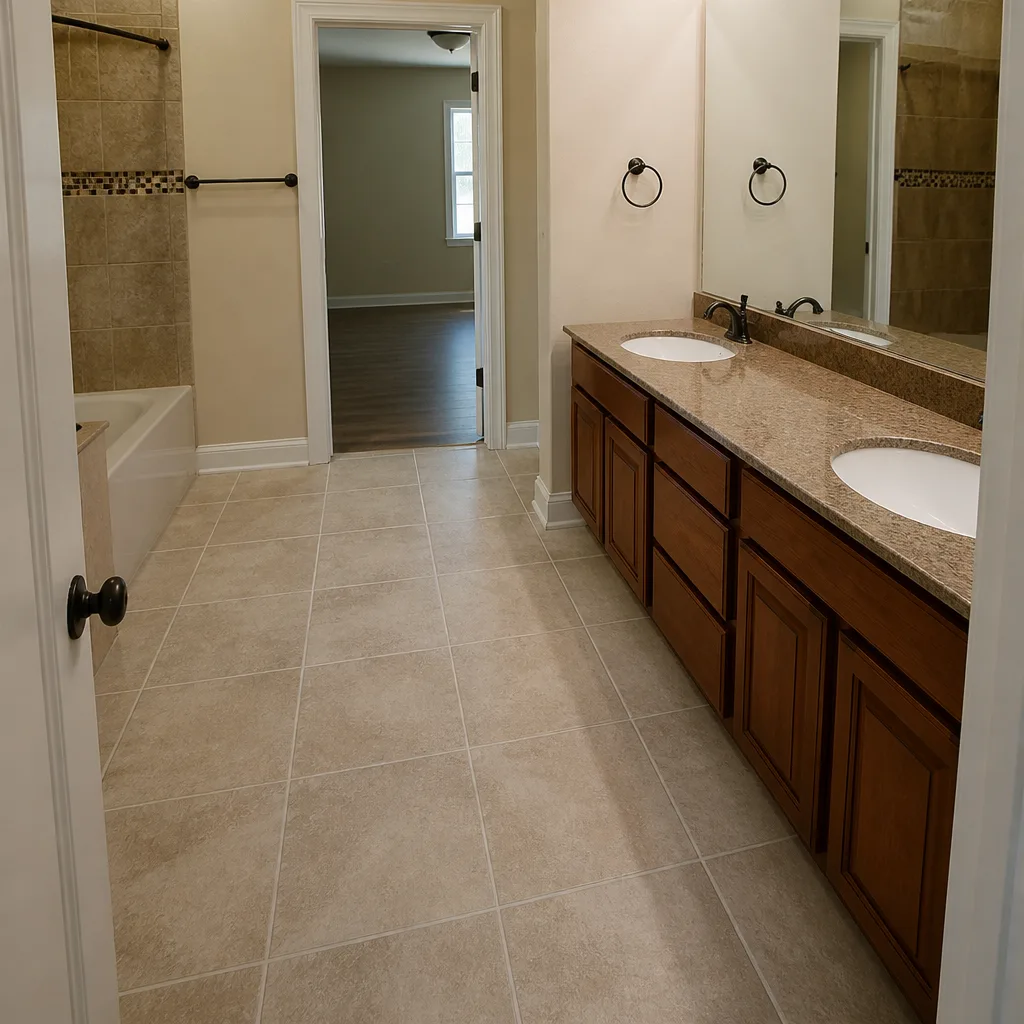
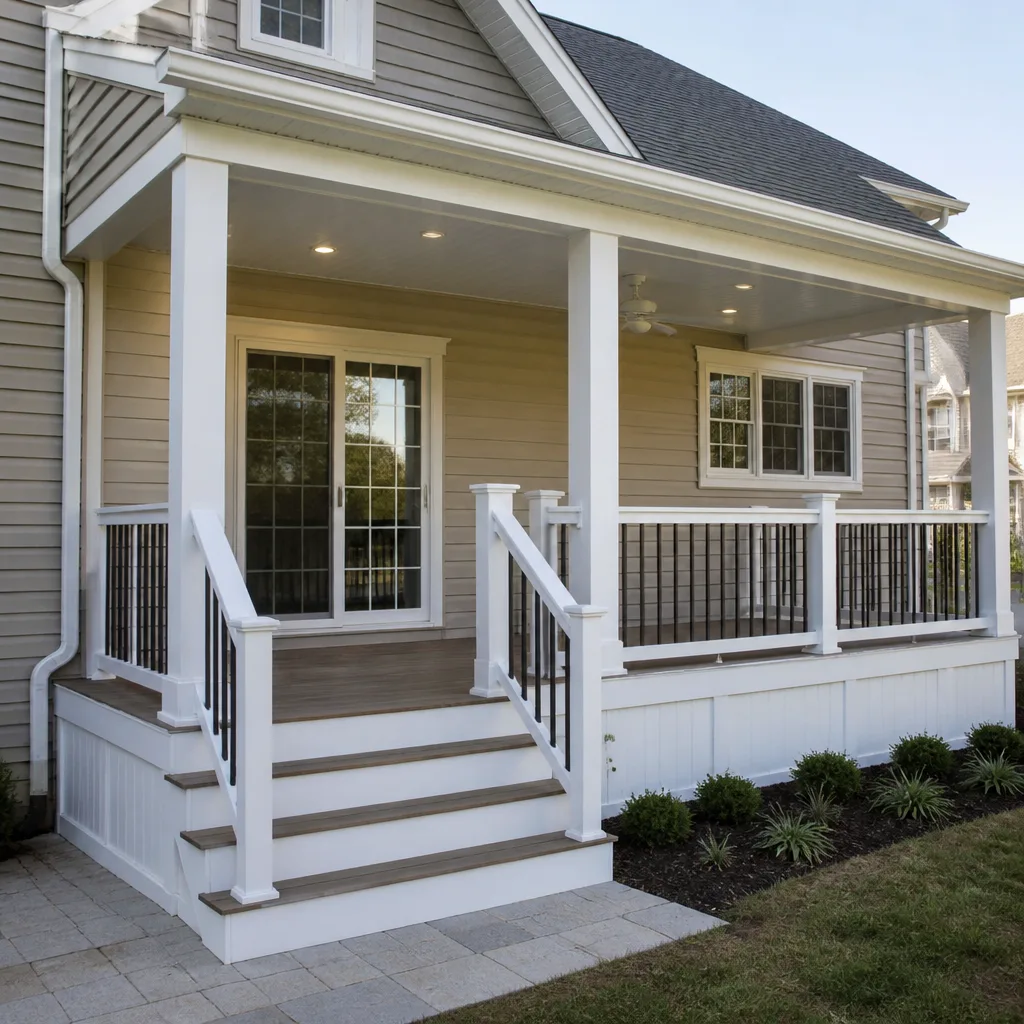
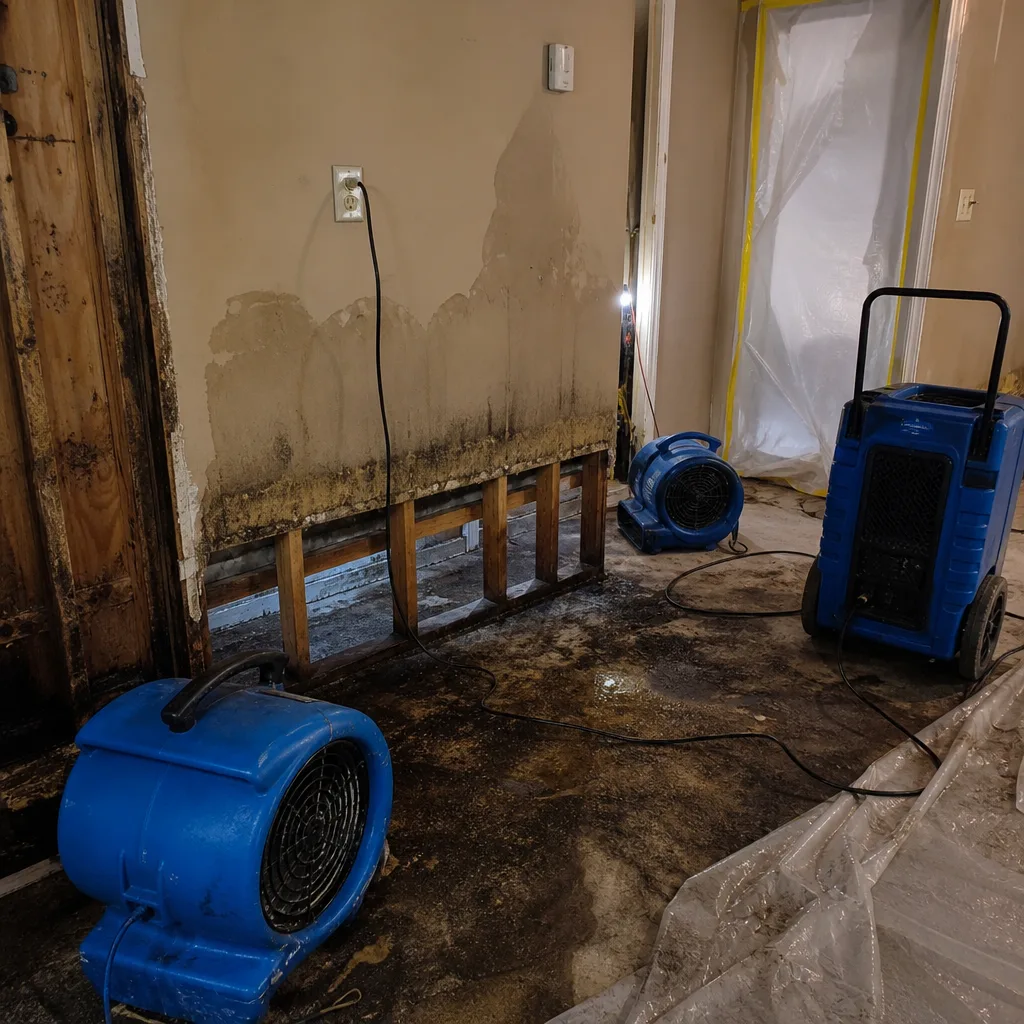 Before
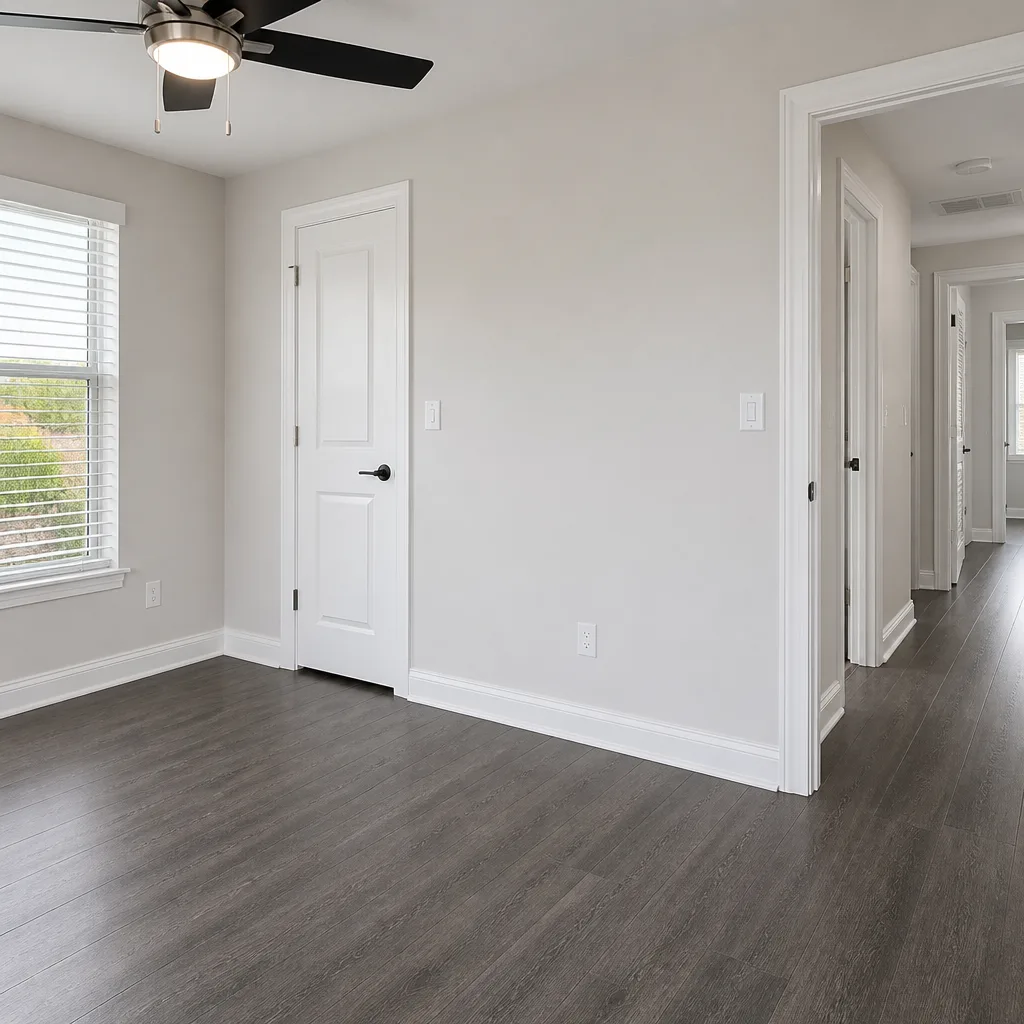 After
After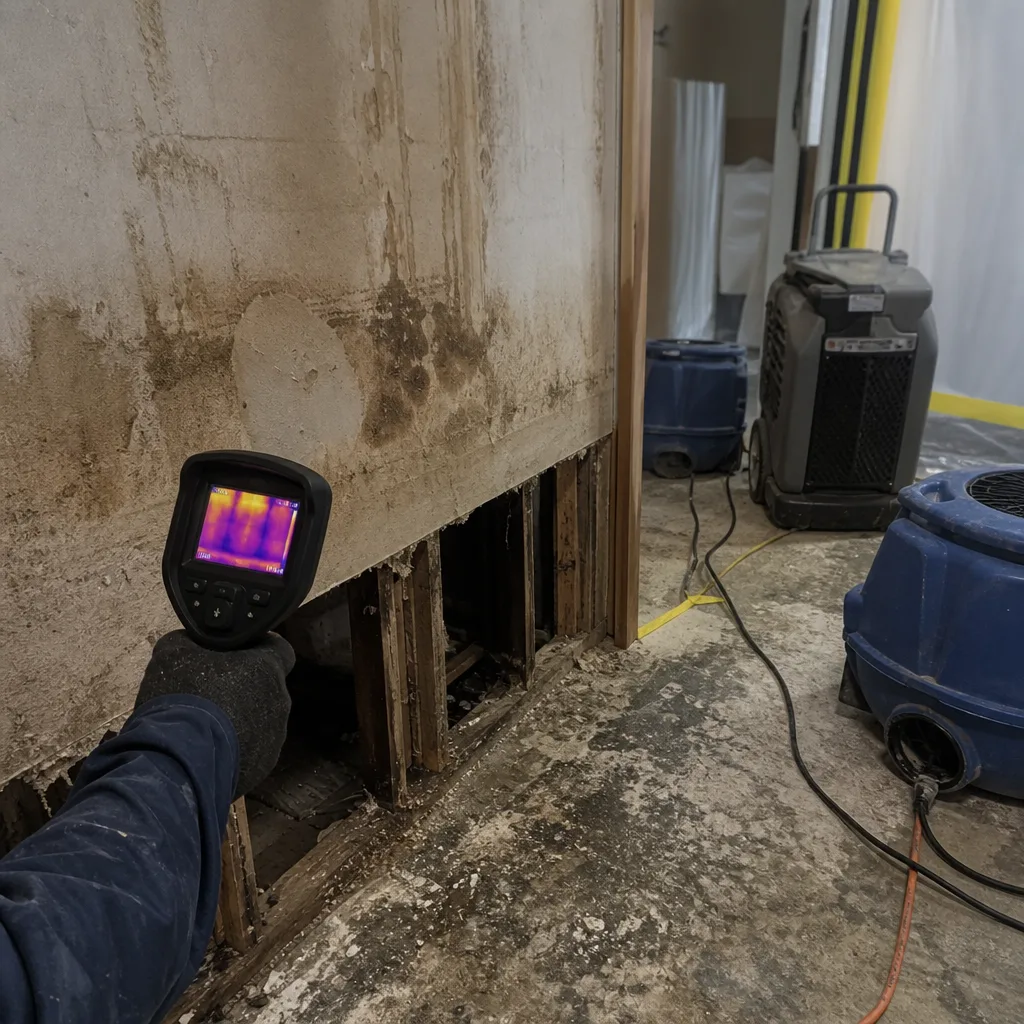 Before
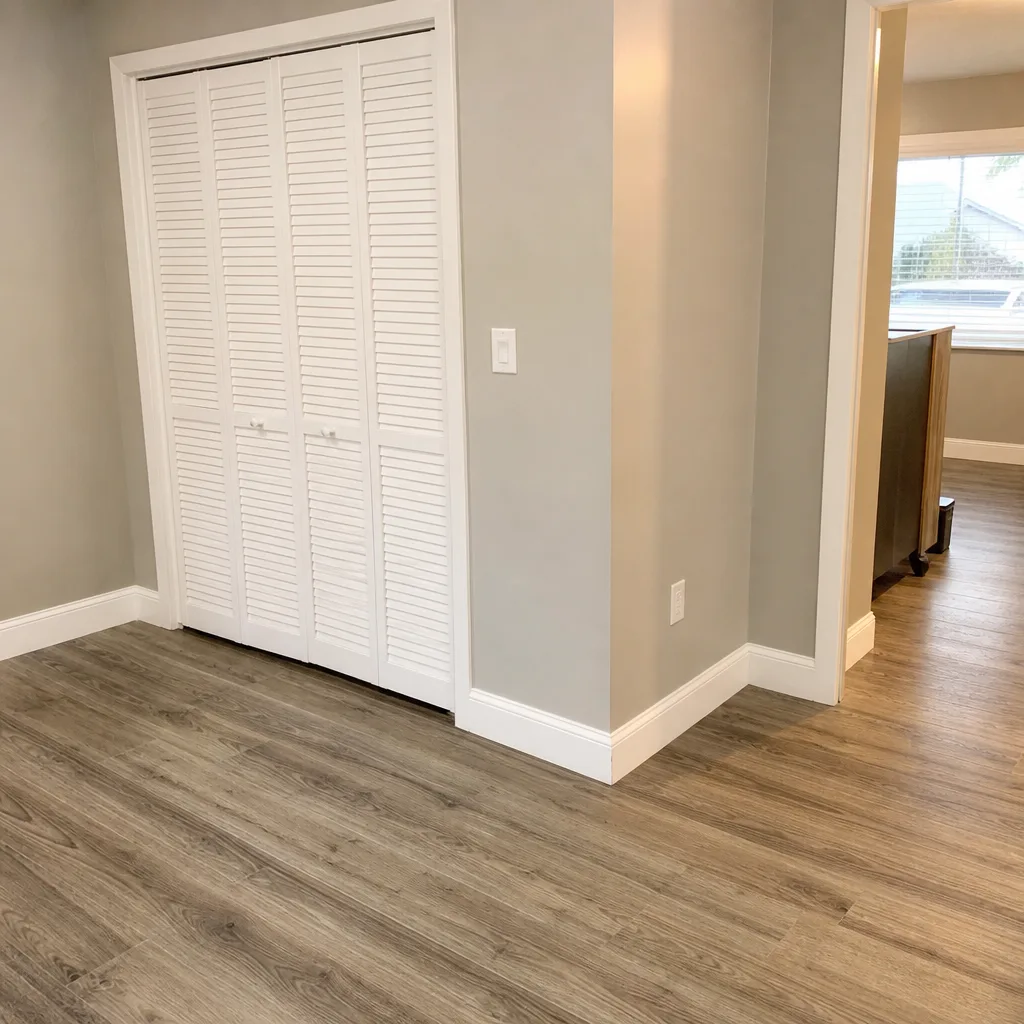 After
After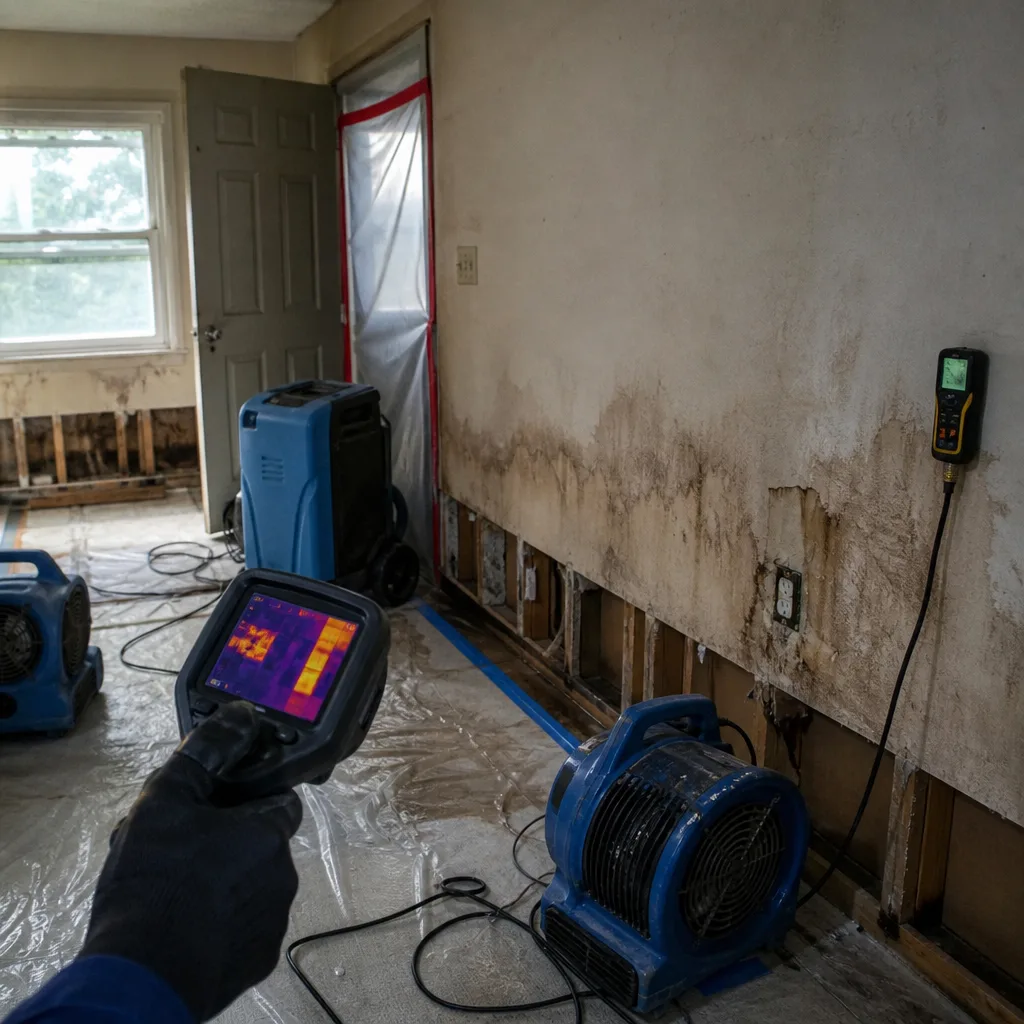 Before
 After
After24/7 Emergency Water Damage Restoration in Coral Springs
Water damage restoration in Coral Springs typically costs between $2,800 and $7,500 for a standard single-family home, with emergency extraction and structural drying usually started within 45 minutes of your call. Crews from our Coral Springs response area are minutes away from neighborhoods throughout the city, and a live person answers every call at (754) 222-3479 - no voicemail, no callbacks tomorrow. The first hour determines whether you’re looking at drying and surface repair, or full gutting of walls, flooring, and cabinetry. Water moves fast through Coral Springs’s CBS block construction, wicking upward through slab-on-grade foundations and migrating inside porous block walls long after the visible flood is gone. That’s why we dispatch with moisture meters, thermal imaging, and the documentation tools to prove where the water actually went, not just where it landed.
Understanding Water Damage Restoration Severity in Coral Springs Properties
Water damage in Coral Springs falls into three categories under IICRC standards, and getting the classification right on day one changes everything about what gets saved and what gets removed. Category 1 is clean water from a burst supply line or overflowing sink. Category 2 is gray water with chemical or biological contamination, think washing machine discharge or sump pump failure. Category 3 is black water: sewage, canal backflow, or any flooding that has picked up soil, waste, or hazardous material from the ground surface.
Here’s where Coral Springs’s geography complicates the standard playbook. The city’s master-planned canal network and its position adjacent to South Florida Water Management District conservation areas mean that heavy tropical rains can push Category 2 or even Category 3 water into homes through inland backflow, not just coastal surge. Crews who treat this as simple stormwater and skip proper classification end up drying contaminated water into walls instead of removing it. That mistake shows up six weeks later as a mold remediation callback that insurance may not cover.
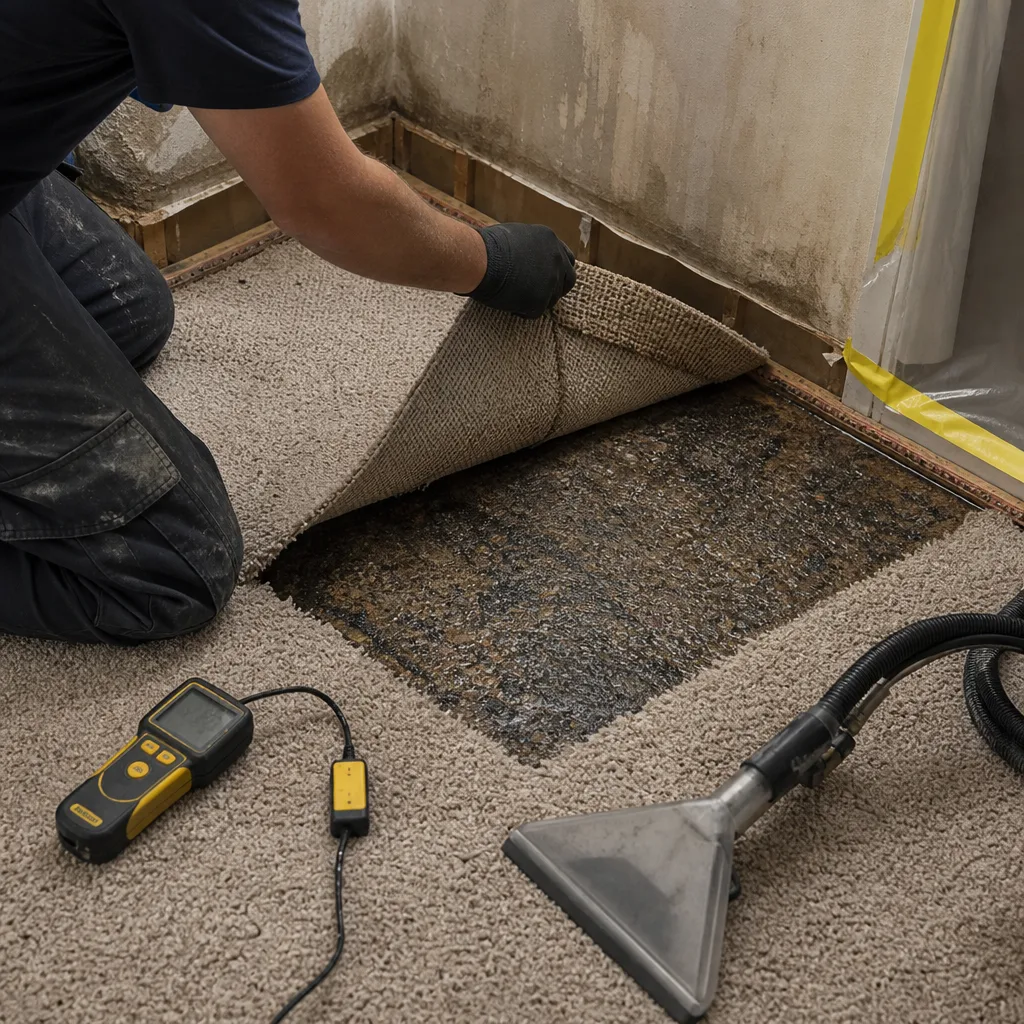
Our Water Damage Restoration teams map moisture across three planes: surface readings with non-penetrating meters, depth readings with hammer probes, and air readings with hygrometers to track vapor pressure differential, the force that drives moisture from wet materials into the air where dehumidifiers can capture it. In Coral Springs’s CBS block homes built between the mid-1970s and mid-1990s, we probe the interior base of exterior block walls as a standard practice, because water absorbed into the porous block continues migrating inward for weeks after the floor looks dry.
Why Coral Springs Property Owners Choose DryMark Restoration Hollywood
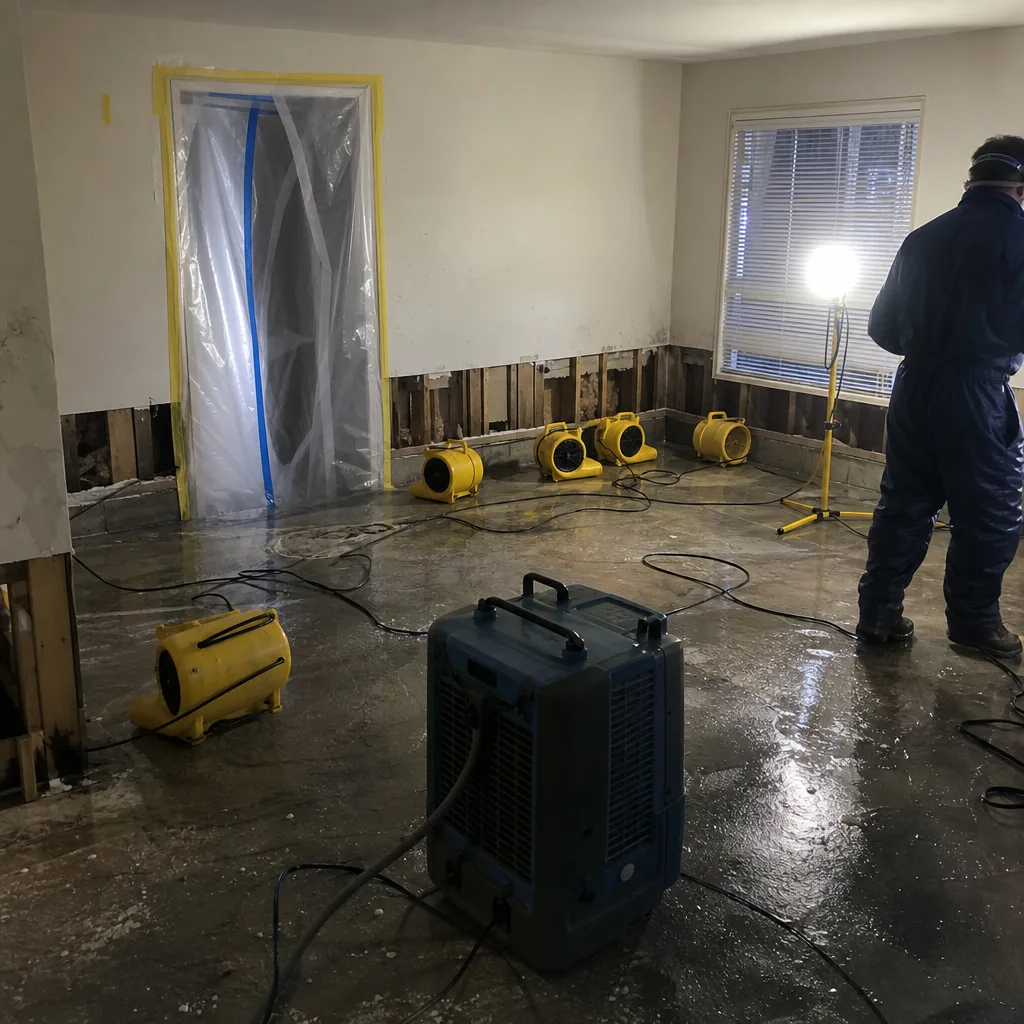
- 45-minute response commitment to any Coral Springs address, with crews staged for the western canal-backing neighborhoods where flooding moves fastest.
- 24/7 live answer by a real person, never an automated system or voicemail tree, because water doesn’t wait for business hours and neither do we.
- IICRC-certified crews holding WRT (Water Damage Restoration Technician) and AMRT (Applied Microbial Remediation Technician) certifications, with license numbers documented on every job.
- Free visual inspection and moisture mapping before any work begins, so you know what you’re facing before you commit.
- Direct insurance billing and adjuster coordination, with photo-documented estimates in Xactimate format that carriers recognize and pay without dispute.
- One team from extraction through reconstruction, so no handoffs between contractors and no gaps in your documentation chain.
 Before
 After
AfterOur Water Damage Restoration Process
1. Inspection & Assessment
We arrive with thermal imaging cameras, penetrating and non-penetrating moisture meters, and borescopes for wall-cavity inspection. Every affected room is mapped for moisture content, material classification, and structural risk. You receive a written scope and firm price before any equipment runs - Haven Standard, Clause 1.
2. Water Extraction & Stabilization
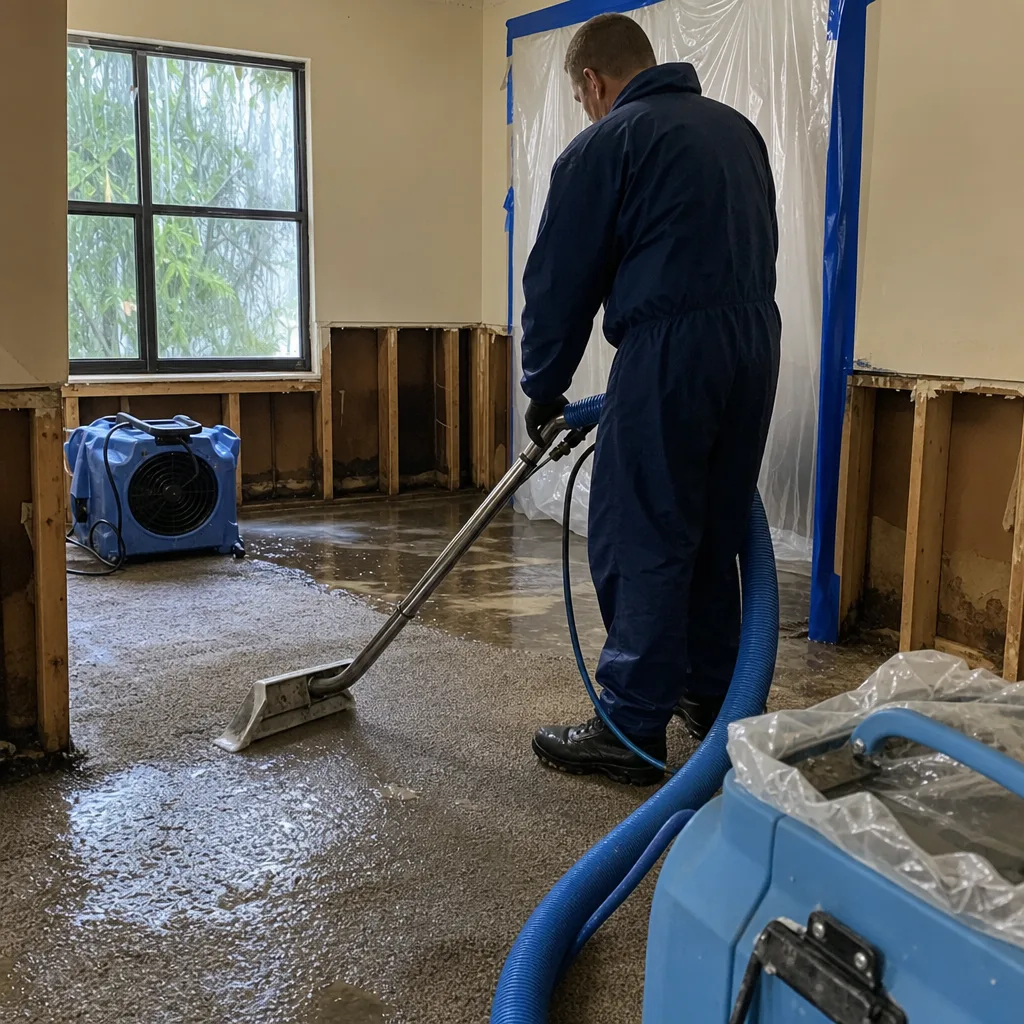
Truck-mounted extraction units remove standing water at rates up to 25 gallons per minute. For Coral Springs’s canal-backflow events, we classify the water source and apply appropriate containment before extraction begins. Contaminated materials are bagged, logged, and documented for insurance.
3. Structural Drying & Dehumidification
We deploy Dri-Eaz and Phoenix LGR dehumidifiers alongside XPOWER and B-Air air movers positioned for optimal airflow patterns. Drying is monitored daily with psychrometric data - temperature, relative humidity, and specific humidity readings - logged to prove the structure returned to pre-loss condition.
4. Cleaning & Sanitization
All affected surfaces receive antimicrobial treatment appropriate to the water category. In Coral Springs’s high-humidity climate, where readings routinely exceed 70%, we apply supplemental disinfection to prevent secondary microbial growth even after drying targets are met.
5. Canal-Backflow & Slab-Wicking Specialty Treatment
For Coral Springs’s CBS block homes, we run Injectidry systems into wall cavities and apply targeted drying to slab edges where wicking occurs. Moisture probes stay in place at the interior base of exterior walls until readings stabilize, typically 7-14 days after surface drying completes.
6. Repairs & Restoration
Once drying logs confirm pre-loss moisture levels, we rebuild: drywall, flooring, trim, paint. Every phase is photo-documented. The 365-Day Done Right Promise under The Haven Standard covers all workmanship - if it’s not right, we make it right.
Need Emergency Water Damage Restoration in Coral Springs Now?
Crews minutes away, answering live 24 hours a day. The sooner we start, the less it costs.
Working With Your Insurance Company
Insurance claims succeed or fail on documentation. We know this because DryMark Restoration Hollywood was built by a former claims adjuster who watched homeowners lose tens of thousands on restoration invoices that couldn’t prove the work was necessary or done correctly. Our process starts documenting from the first hour: photos of the loss scene, moisture readings with timestamps, material classifications, and a line-item scope written in Xactimate, the industry-standard estimating platform that your adjuster already uses.
We don’t hand you a bill and wish you luck. We coordinate directly with your carrier, respond to documentation requests, and defend our scope with the daily drying logs and photo records that turn restoration invoices into payable claims. Our Miami office handles scheduling and adjuster communication, while crews serve Coral Springs locally with the same documentation standards we’ve applied to 12,000+ homes since 2011.
What We Provide Your Insurer
- Thorough documentation of the loss
- Photos of all damage, room by room
- Moisture readings and drying logs
- A detailed, line-item scope of work
- Direct coordination with your carrier
Built for Coral Springs’s Loss Calendar
January through March brings dry-season cold fronts with occasional hard freezes that burst exposed irrigation lines and outdoor spigots in older Coral Springs homes. The real volume starts in May, when the rainy season begins and afternoon thunderstorms drop two to four inches in an hour, overwhelming gutters and flat tile roofs that haven’t been inspected since installation. June through November is hurricane season, but the more frequent losses come from named storms and tropical waves that aren’t hurricane-strength yet still push SFWMD conservation areas to release controlled volumes into the canal system.
Those releases are the defining risk for western Coral Springs. When the South Florida Water Management District opens gates to protect conservation infrastructure, that water moves through the city’s canal network and backs into residential areas from the west. Homes near Riverside Drive, Turtle Run, and the western reaches of Ramblewood South see this pattern repeatedly. The street drains. The floor looks dry. But water has wicked up through the slab and into the block walls, and the humidity stays above 70% year-round, so mold colonizes in 24 to 48 hours. We plan for this on every western call.
Water Damage Restoration Across Coral Springs’s Neighborhoods
Ramblewood South and the surrounding area off Atlantic Boulevard contains some of the city’s original 1970s stock: low-slope tile roofs, original single-pane windows, and the slab-on-grade foundations that make post-flood wicking a routine problem. We probe block walls as standard practice here, and we’ve learned to schedule follow-up moisture readings at day 10 and day 14 even when the initial dry-out cleared.
Turtle Run and the neighborhoods along Riverside Drive sit closest to the western conservation area boundary. These are the homes that flood from inland backflow when SFWMD releases compound the canal capacity. We’ve responded to enough of these to know the pattern: water enters through sliding doors or garage entries, pools on tile or carpet, and appears to extract cleanly. The hidden damage is in the block. Our crews carry extra moisture probes for this zone.
The Country Club of Coral Springs area and homes near Royal Palm Boulevard tend toward larger lots and later construction, but even 1990s CBS homes have the same slab-and-block vulnerability. The difference is often more extensive interior finishes - built-ins, wet bars, custom cabinetry - that complicate drying and raise replacement costs. We document every built-in with pre-loss photos and itemized scope lines.
Downtown Coral Springs and the area near Sample Road and University Drive includes townhomes and smaller single-family homes with tighter access and less storage space for equipment staging. Our crews work with property managers and HOA requirements on extraction timing, noise restrictions, and equipment placement. The documentation standards stay the same regardless of property type.
Specialized Water Damage Restoration Services We Offer in Coral Springs
Emergency Water Extraction
Standing water doesn’t wait. Our truck-mounted extractors run at full capacity within 45 minutes of your call, with portable units for garage entries, tight townhome access, and second-floor losses where truck-mount hose runs aren’t practical. In Coral Springs’s canal-backflow events, we classify the water source before extraction begins - Category 2 or 3 water requires different handling than a clean supply-line burst, and getting this wrong voids insurance coverage for downstream mold.
Structural Drying & Dehumidification
Drying a Coral Springs home means more than running air movers until the carpet feels dry. We calculate vapor pressure differential to position Dri-Eaz and Phoenix dehumidifiers for maximum moisture removal, log daily psychrometric readings, and maintain drying logs that prove the structure reached pre-loss moisture content. For CBS block homes, we add Injectidry cavity drying and extended wall-base monitoring - the steps that prevent the callback pattern we’ve seen too many times on canal-side jobs.
Flood Cleanup
Flood cleanup in Coral Springs spans storm surge, pipe bursts, and the inland canal backflow that defines western neighborhood losses. Each source carries different contamination profiles and insurance implications. We document the water source, classify the category, photograph all affected materials before removal, and build the written scope that supports your claim. Contaminated porous materials - carpet pad, drywall below the water line, insulation - are removed, bagged, and logged per IICRC standards.
Burst Pipe Restoration
Older Coral Springs homes with original copper or early PVC plumbing see burst pipe losses spike during dry-season cold snaps and when irrigation systems pressurize after months of disuse. We extract, dry, and document the line-of-sight damage, then probe adjacent wall cavities and subfloor spaces for migration that the initial flood obscured. The written scope includes all affected materials, not just the obvious ones.
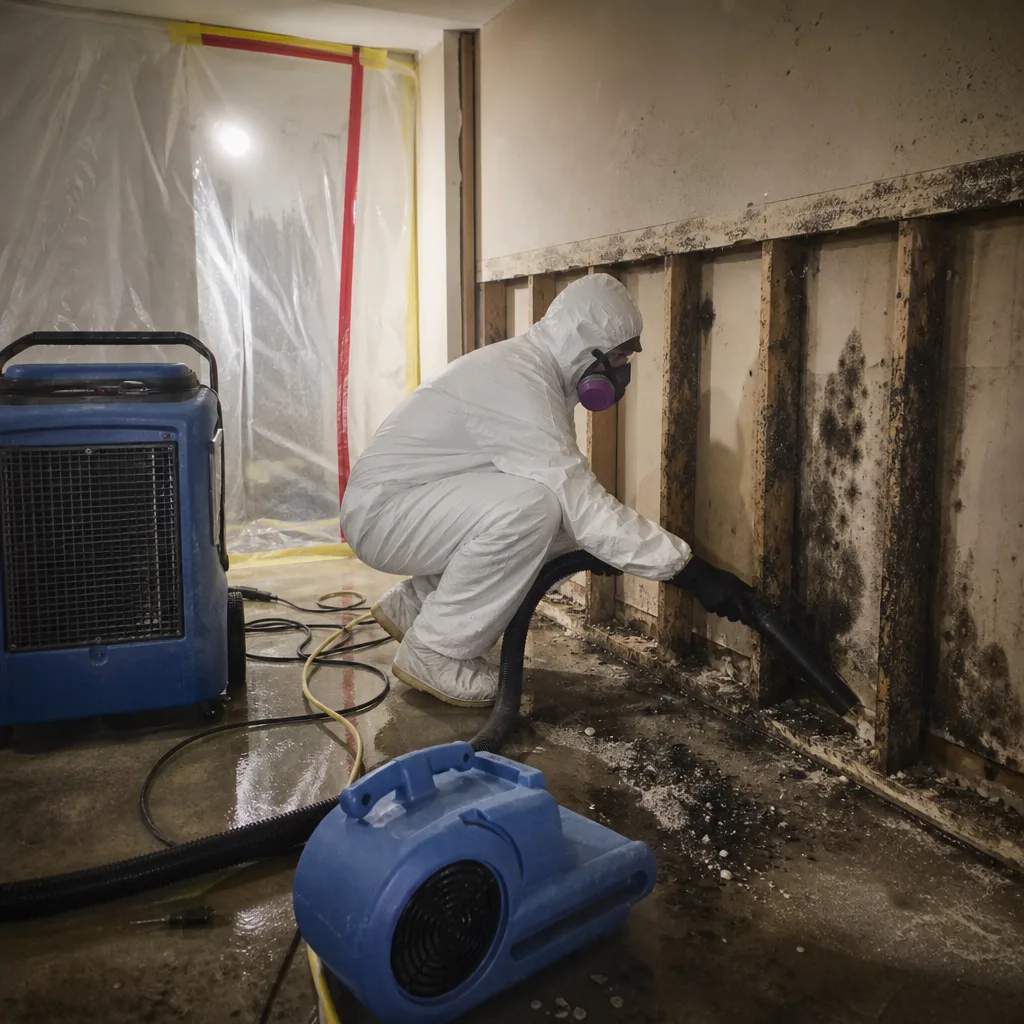
Basement Water Removal
True basements are rare in Coral Springs’s slab-on-grade construction, but partial below-grade spaces, sunken living rooms, and garage-level conversions see water accumulation during canal-backflow events. These spaces require submersible pumping, then extraction, then aggressive dehumidification because the surrounding soil stays saturated longer than surface flooding.
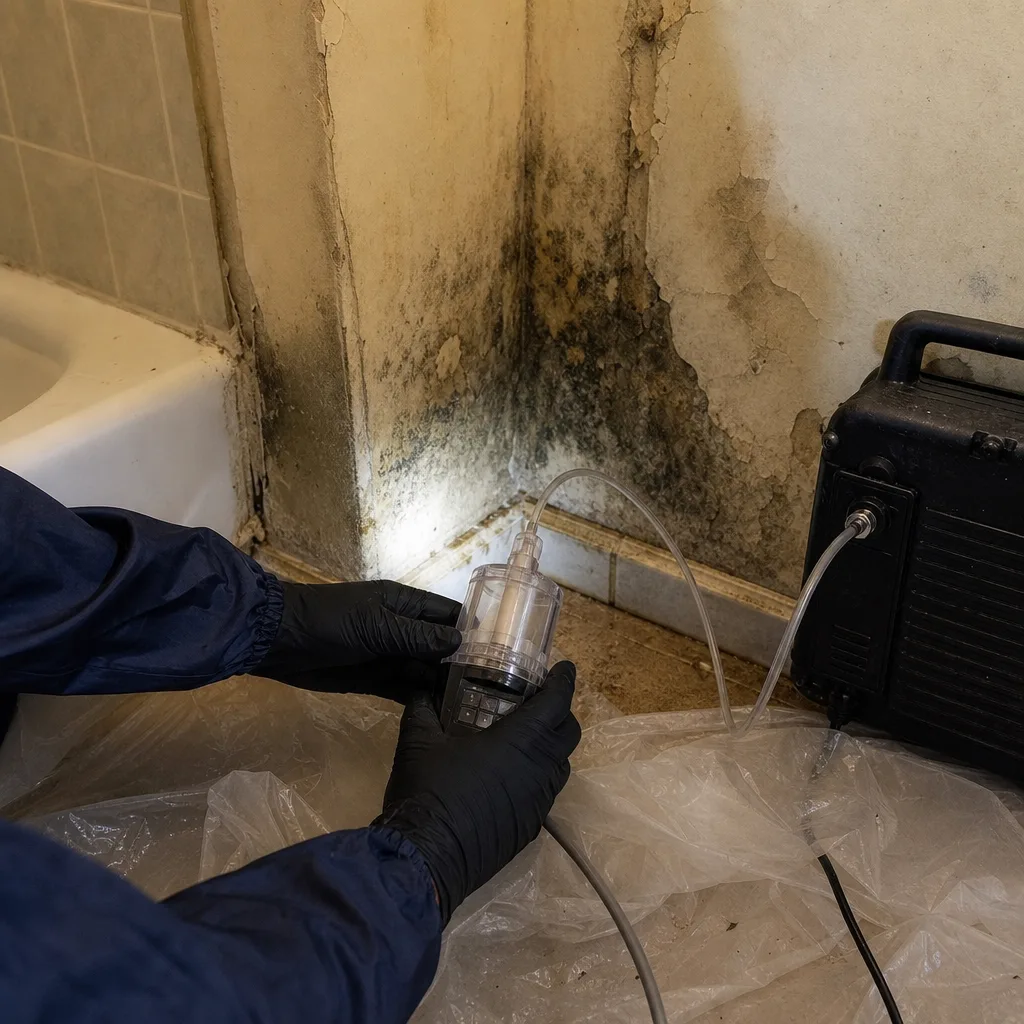
Ceiling & Roof Leak Water Damage
Coral Springs’s aging flat and low-slope tile roofs develop leak patterns that travel: water enters at a compromised tile or flashing, runs the roof deck, and exits through drywall seams ten feet from the entry point. We trace the actual water path with thermal imaging, document the full affected area, and scope repair of both the roof defect and the interior damage.
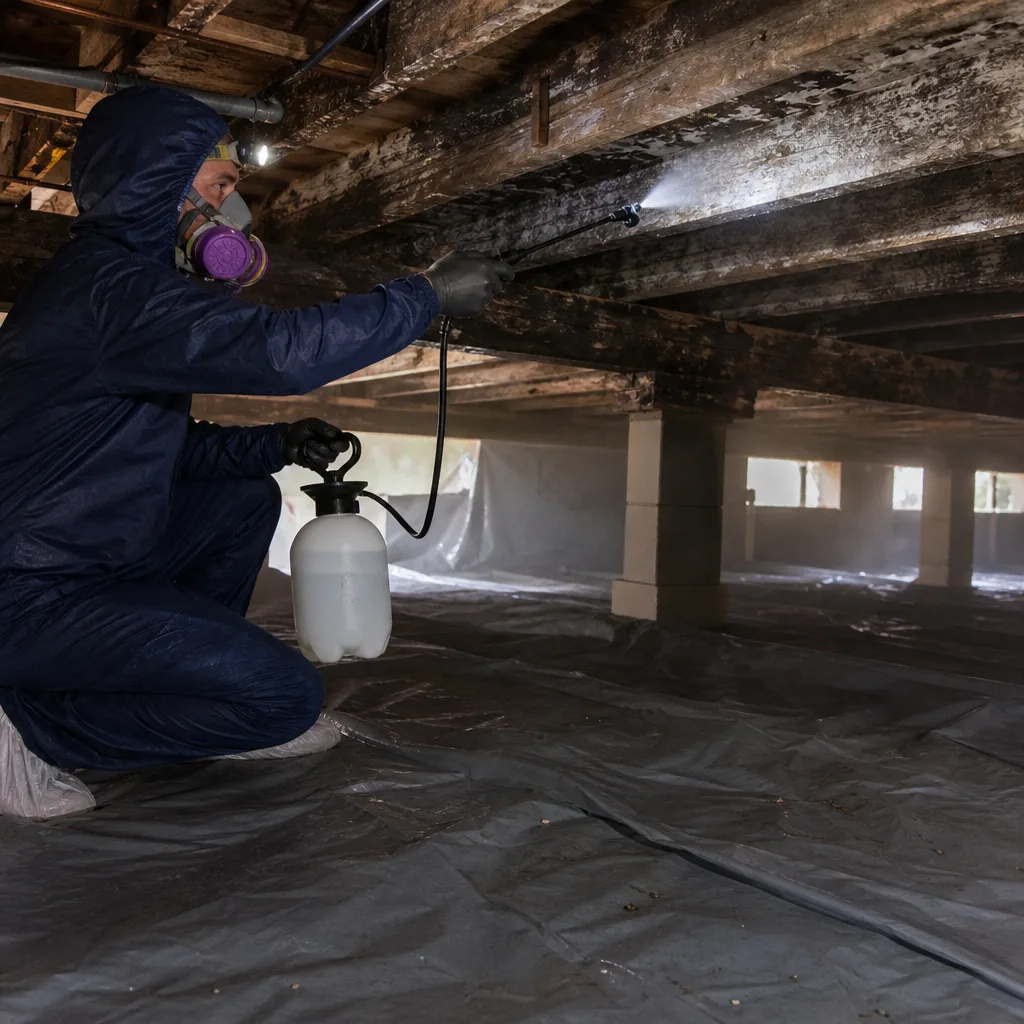
What happens when you call
- 1
A real person answersNo phone trees - you reach a local pro.
- 2
You get an upfront price rangeHonest numbers before anyone is dispatched.
- 3
A background-checked tech heads outLicensed & insured, dispatched right away.
- 4
You approve before work beginsNothing starts until you say go.
Water Damage Restoration Costs in Coral Springs, FL
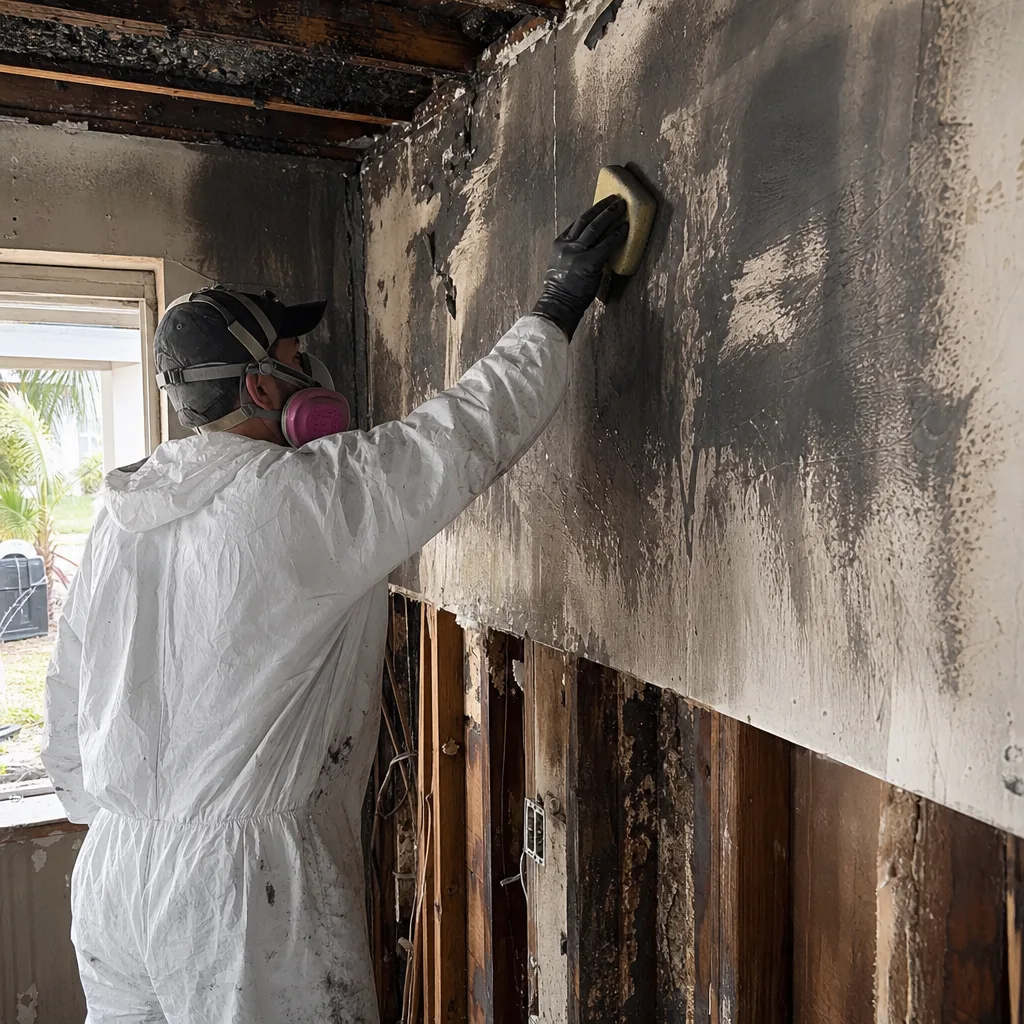
Emergency water extraction and initial stabilization in Coral Springs typically runs $1,200-$2,800 for a standard single-family home with accessible standing water. Structural drying and dehumidification adds $1,500-$4,200 depending on square footage, number of affected rooms, and whether cavity drying is required for CBS block walls. Flood cleanup involving Category 2 or 3 water, with removal of contaminated materials and antimicrobial treatment, ranges $3,500-$7,500. Full reconstruction of drywall, flooring, and trim after drying completes typically adds $4,000-$12,000, though insurance usually covers this phase under dwelling coverage.
What moves the price: the water category (clean vs. contaminated), the number of affected rooms, whether block walls require cavity drying, and how long water sat before extraction began. A call in the first four hours often means drying and surface repair. A call after 48 hours in Coral Springs’s 70%+ humidity almost always includes mold remediation scope. We provide a written price before any work starts - Haven Standard, Clause 1 - and offer a Free Second Opinion on any competitor’s written estimate. Most homeowner policies cover sudden and accidental water damage minus your deductible; we coordinate directly with your adjuster and document every line item.
We Also Serve Cities Near Coral Springs
Our crews respond throughout the western Broward County corridor, including Margate to the south with its similar canal-system flooding patterns, Coconut Creek and its mix of 1980s single-family and newer townhome stock, Pompano Beach with its coastal and inland flood risks, and Plantation where older CBS homes share the same slab-wicking challenges we see in Coral Springs. Documentation standards and response times remain consistent across the service area.
Serving Coral Springs, FL - Our Local Coverage Area
We’re based in the Coral Springs area and know this community well. Use the map below to see our service coverage - if you’re nearby, we can almost certainly help.
Coral Springs Water Damage Restoration Questions, Answered
Why does water damage in Coral Springs sometimes come back weeks later on canal-backing homes?
Water absorbed into porous CBS block walls continues migrating inward for weeks after the visible floor is dry, especially in slab-on-grade homes where wicking from saturated soil adds moisture to the block base.
We were called to a canal-backing CBS home off Riverside Drive after a tropical rain event pushed the canal network to capacity and backed water through the sliding doors; moisture mapping showed elevated moisture readings at the interior base of the exterior block walls a full ten days after the standing water was gone. We set containment, ran air movers and dehumidification on structural drying, logged daily moisture readings, and applied antimicrobial treatment to the wall cavities before hidden mold colonies could establish - a callback pattern we now probe for on every canal-side job in this city. Call (754) 222-3479 if you suspect residual moisture from a previous flood.
Does Coral Springs flooding come from the coast or from inland?
Most Coral Springs flooding, particularly in western neighborhoods, comes from inland sources: SFWMD conservation-area releases that compound the city’s own canal capacity during heavy rain events.
This is distinct from coastal surge. The city sits in a flat inland basin with no natural elevation to drain stormwater, so when conservation-area gates open to protect upstream infrastructure, water moves eastward through residential canals and backs into homes from the west. CBS block construction then traps that moisture in walls for weeks. Call (754) 222-3479 for moisture mapping if your home is near the western conservation boundary.
How fast do I need to act before mold starts in a wet Coral Springs home?
In Coral Springs’s climate, where relative humidity routinely exceeds 70%, mold colonization can begin on wet organic materials within 24 to 48 hours of water intrusion.
This timeline compresses further in poorly ventilated spaces and behind baseboards where air circulation is minimal. CBS block walls slow visible detection because the block itself can hold moisture while the drywall surface reads dry. Our crews arrive with moisture meters and borescopes to find hidden wet areas before mold establishes. The sooner we start extraction and drying, the less material we remove and replace. Call (754) 222-3479 for emergency dispatch.
What is the difference between Category 1, 2, and 3 water on a Coral Springs flood job?
Category 1 is clean water from a broken supply line or overflowing sink. Category 2 is gray water with chemical or biological contamination, such as washing machine discharge or sump pump failure. Category 3 is black water: sewage, canal backflow, or any flooding that has contacted ground surface contaminants.
In Coral Springs, canal-backflow flooding from SFWMD releases often carries soil, organic debris, and potential pathogens that push it to Category 2 or 3. Drying this water into walls instead of removing it creates health hazards and insurance disputes. We classify before extraction and document the classification for your carrier. Call (754) 222-3479 for proper water damage assessment.
What should a Coral Springs water damage estimate actually document?
A proper estimate documents the water source and category, room-by-room moisture readings with equipment types and readings, affected materials with square footage or lineal footage, line-item removal and replacement costs, equipment placement and daily rates, and the drying schedule with target moisture content.
Under The Haven Standard, our estimates include all of this plus a photo record of every room, every visit, and every meter reading. We write the scope before work begins and do not add items once the crew is inside - Clause 1. Bring a competitor’s estimate and we’ll review it free as part of our Second Opinion program. Call (754) 222-3479 to schedule documentation review.
How fast can your crew actually get to my Coral Springs home?
We commit to 45 minutes from call to arrival for any Coral Springs address, with crews staged for western neighborhoods where canal-backflow moves fastest.
A live person answers at (754) 222-3479, 24 hours a day, every day. No voicemail, no callback queues, no “we’ll get to you tomorrow.” The first hour determines whether we’re drying surfaces or gutting walls. Call now if water is active in your home.
Will insurance cover my Coral Springs water damage, or will I pay out of pocket?
Most sudden and accidental water damage is covered under standard homeowner policies, minus your deductible, while gradual leaks and maintenance issues typically are not.
Documentation determines the outcome. We photograph the loss scene, classify the water source, log moisture readings, and write a line-item scope in Xactimate format that adjusters recognize. Direct carrier coordination is standard on every job. Out-of-pocket costs usually apply to your deductible and any upgrades you choose beyond like-kind replacement. Call (754) 222-3479 and we’ll review your coverage scenario before work begins.
Can my family stay in the home during water damage restoration?
For Category 1 water damage limited to one or two rooms, families often remain in the home with equipment running and some noise and airflow disruption.
Category 2 or 3 contamination, extensive demolition, or mold remediation requires temporary relocation for safety and to allow proper containment. In Coral Springs’s humid climate, we rarely recommend staying when wall cavities are open or when multiple rooms require aggressive drying. We discuss this explicitly in the written scope so you can plan. Call (754) 222-3479 to discuss your specific situation.
Water damage in Coral Springs doesn’t follow the playbook written for coastal cities or northern climates. The inland canal-backflow mechanism, the CBS block construction, the slab-on-grade wicking, and the year-round humidity create a specific loss profile that requires specific documentation and specific drying protocols. We’ve restored homes in this city since 2011, and we’ve learned that the dry-out isn’t done when the floor is dry. If your home has taken water, or if you suspect a previous dry-out missed the block, call (754) 222-3479. A live person will answer, and we’ll be on our way with moisture meters, cameras, and the written scope that your insurance will pay.
Written by Alicia Brennan, Owner at DryMark Restoration Hollywood, serving Coral Springs since 2011.