
Free visual inspection and a written scope of work before any mitigation begins - photos, moisture readings, and drying logs go in your claim file
The scope we write is the scope we bill. Anything new gets shown to you, in writing, before we touch it.
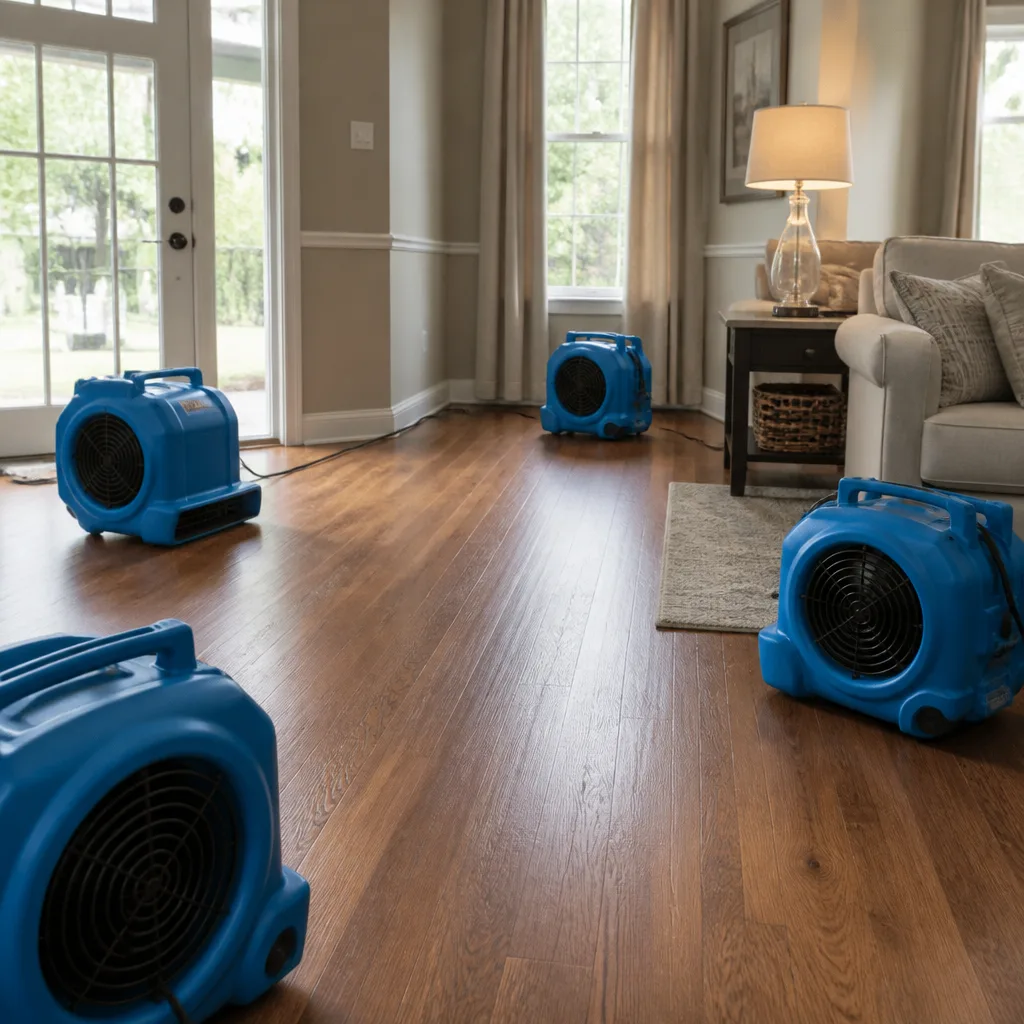
 Before
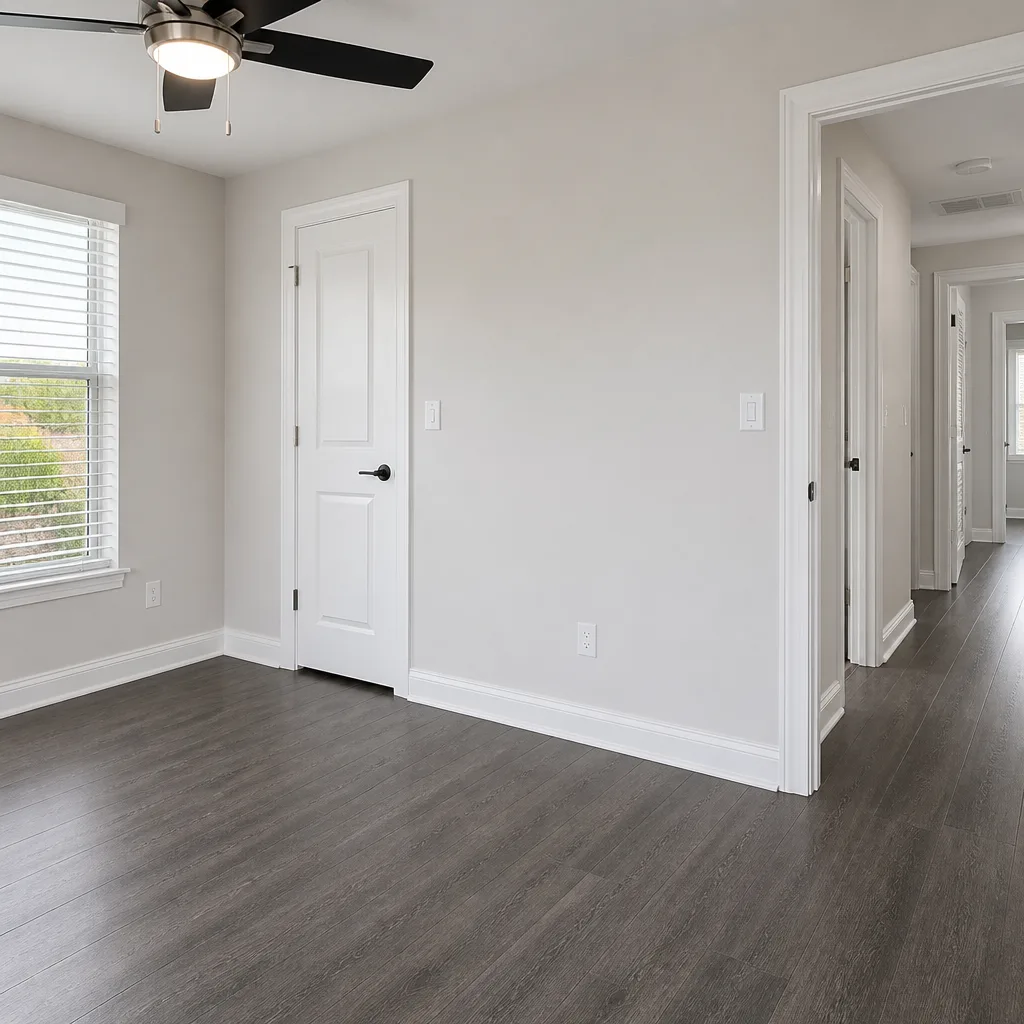 After
After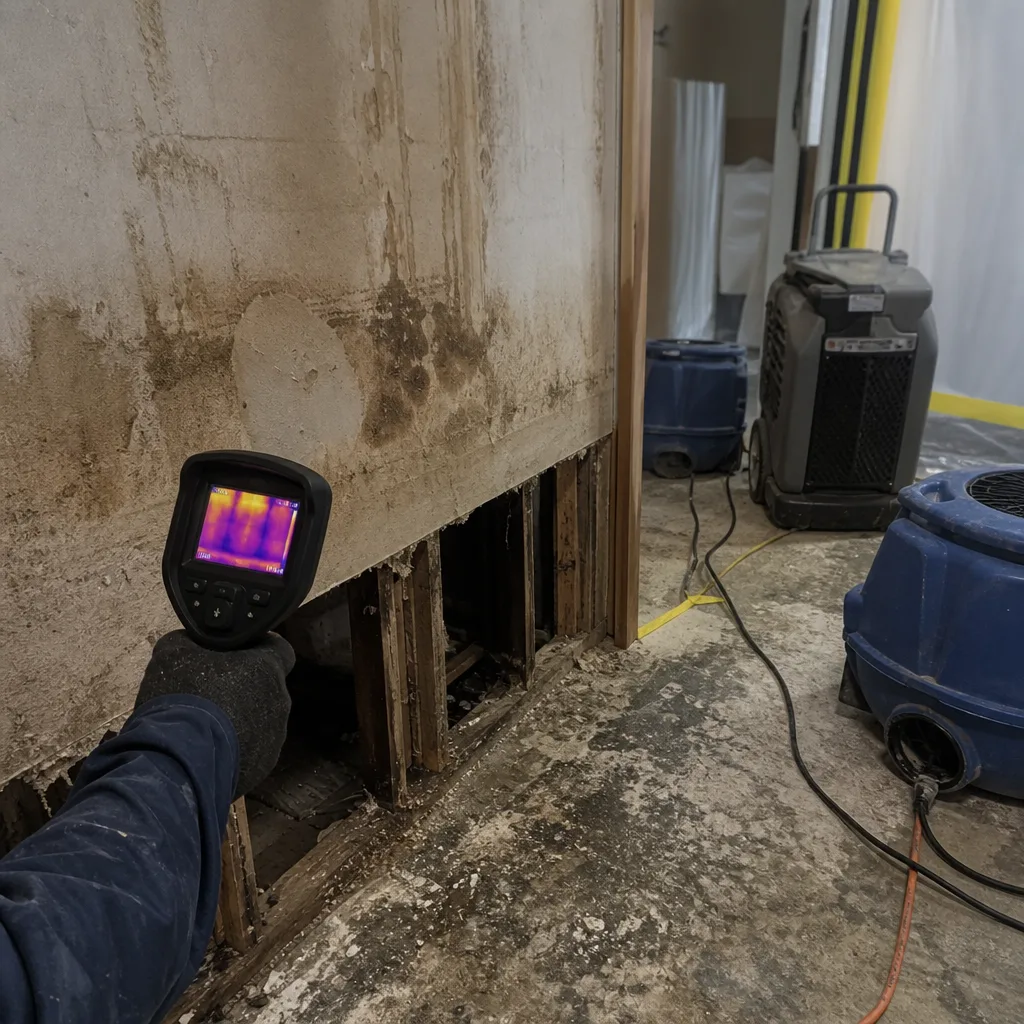 Before
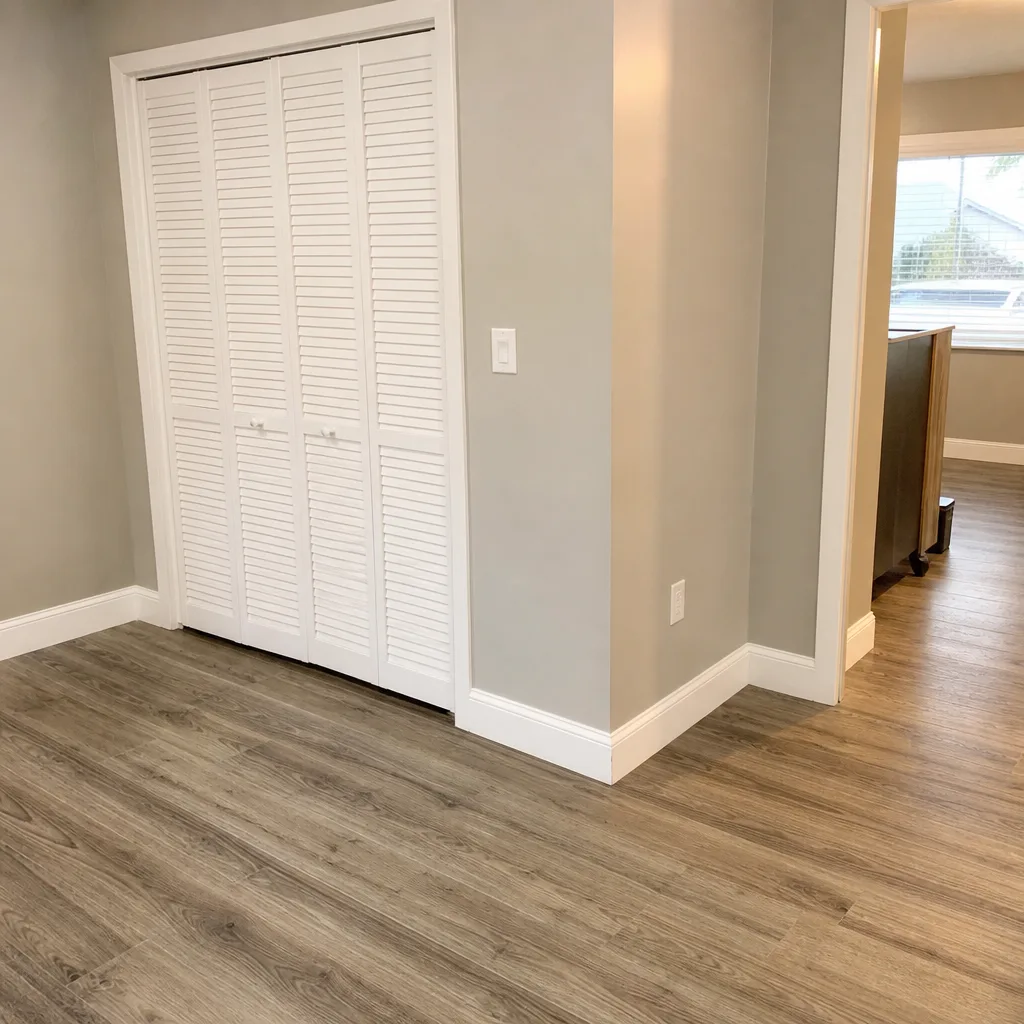 After
After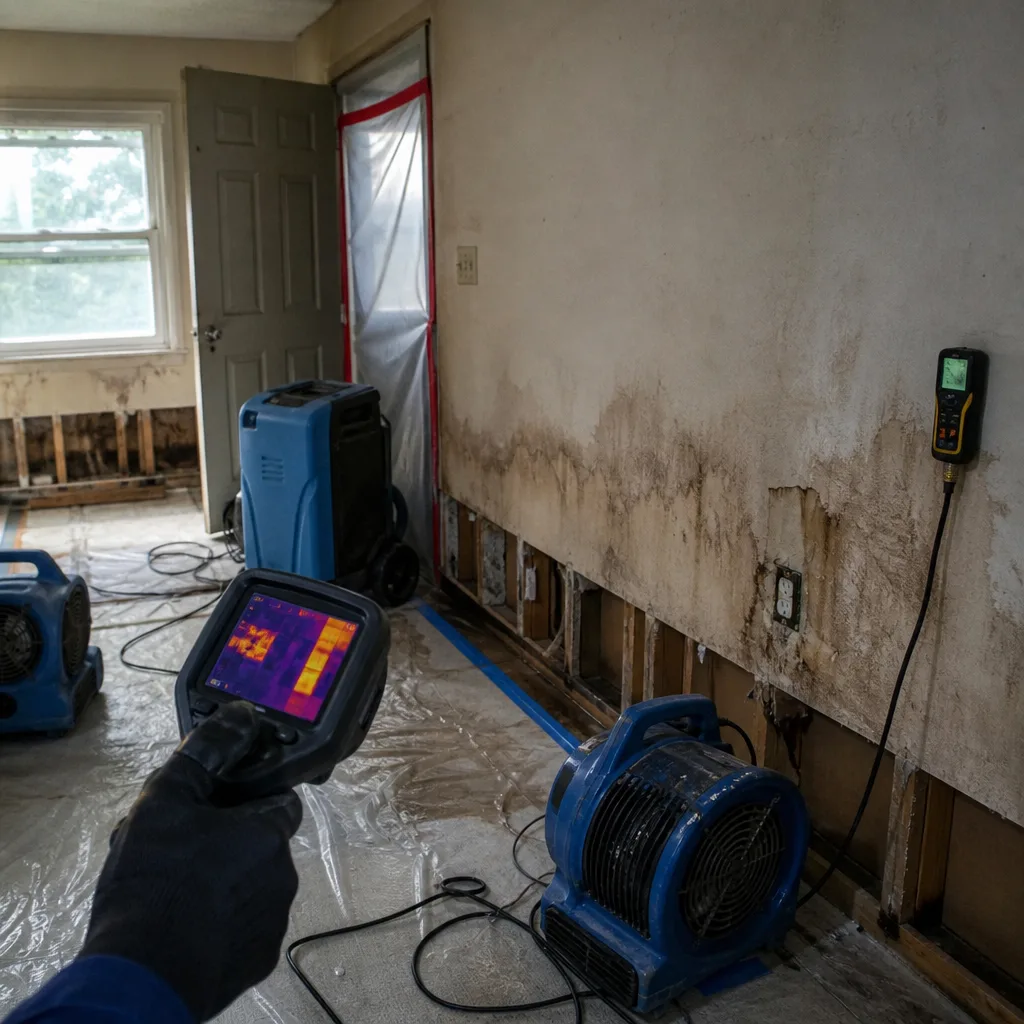 Before
 After
After24/7 Emergency Fire & Smoke Damage Restoration in Miami Beach
Fire and smoke damage restoration in Miami Beach typically runs $4,200-$18,500 depending on the fire class, square footage affected, and whether historic materials need specialized finish matching. Most emergency board-ups and tarping happen within 45 minutes of your call, and our crews are dispatched from our Miami (South FL) office to serve Miami Beach directly. Call (754) 222-3479 now; a live person answers every emergency line, 24 hours a day, with no voicemail trees.
The first hour after a fire determines how far smoke and soot migrate through your property. In Miami Beach’s dense coastal buildings, especially the pre-war stock of South Beach and Mid-Beach, smoke pushed by HVAC systems and stack effect travels fast between units and into attic cavities. Heat opens pores in plaster, wood, and fabric; as surfaces cool, those pores close and trap odor compounds deep inside. Faster containment and HEPA air scrubbing limits that migration, which limits what has to be torn out and rebuilt.
We provide a free visual inspection on every fire loss, document pre-loss condition room by room with photos, and deliver a written price before any work begins - Haven Standard, Clause 1.
Understanding Fire & Smoke Damage Restoration Severity in Miami Beach Properties
Fire damage severity follows the fire class and the materials burned. A Class A fire (ordinary combustibles like wood, paper, fabric) produces dry, powdery soot that responds to dry sponge cleaning and HEPA vacuuming. A Class B fire (flammable liquids) leaves oily, smeary residue requiring solvent-based cleaning agents. Class C electrical fires deposit particularly tenacious soot laced with metallic particulates that can corrode surfaces if left untreated. Protein fires from kitchen grease burn nearly invisible but leave a rancid, penetrating odor that standard deodorization won’t touch.
Smoke migration follows pressure differentials and temperature gradients, not logic. Hot smoke rises, cools, and settles into cooler cavities - behind cabinets, inside wall chases, through old chandelier openings in Miami Beach’s 1920s-1940s buildings. Tertiary smoke damage, the residue that travels far from the fire origin, often causes the most dispute with insurers because it’s invisible until surfaces are tested.
Miami Beach’s building stock compounds these challenges. The Art Deco and Mediterranean Revival structures in the historic district feature dimensional lumber framing, layered plaster and lath, and thick stucco exteriors - assemblies that hold smoke odor and char far longer than modern drywall. Post-war concrete block mid-rises and modern luxury high-rises present different problems: sealed building envelopes that trap odor, and shared HVAC systems that distribute contamination. We assess each structure type with thermal imaging, moisture meters, and surface testing to determine whether materials can be restored in place or must be removed.
Why Miami Beach Property Owners Choose DryMark Restoration Hollywood
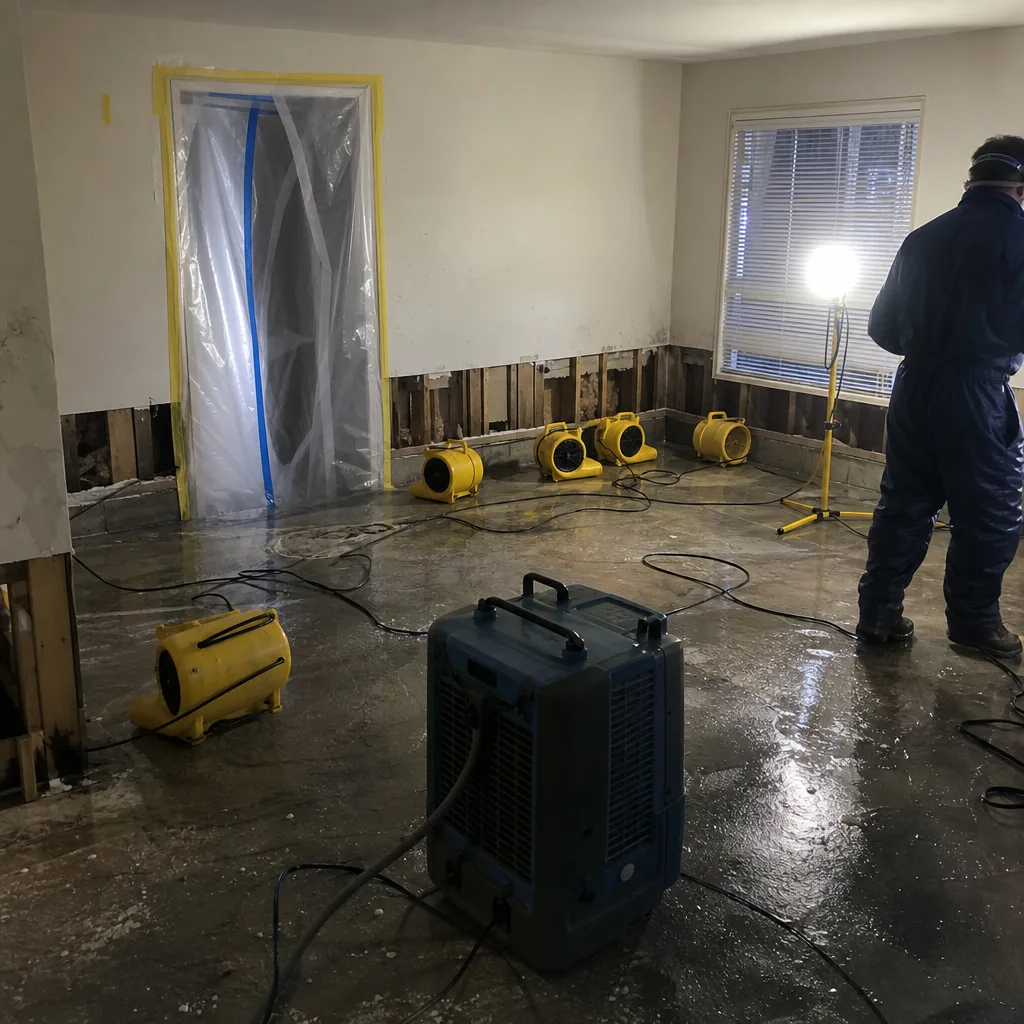
- 45-minute response commitment to Miami Beach from our South FL dispatch center, with crews carrying board-up materials and emergency tarping on every truck.
- 24/7 live answer - a real person, never an automated system or voicemail tree, on every emergency line, every hour of every day.
- IICRC-certified crews holding FSRT (Fire and Smoke Restoration Technician) and WRT (Water Damage Restoration Technician) certifications, with AMRT (Applied Microbial Remediation Technician) cross-training for the mold pressure that follows every fire suppression event.
- Free visual inspection with documented photo record, moisture readings, and a written scope delivered before any work starts - Haven Standard, Clause 1.
- Direct insurance billing with adjuster coordination from day one; we speak the same estimate language your carrier uses and provide the documentation that turns restoration invoices into payable claims.
- One team from emergency response through reconstruction - no handoffs between mitigation and rebuild contractors, no gaps in documentation, no disputed scope between phases.
 Before
 After
AfterOur Fire & Smoke Damage Restoration Process
1. Inspection & Assessment
We arrive with thermal imaging cameras, hygrometers, and surface testing kits to map fire, smoke, and water damage from suppression. Every room is photographed, moisture readings are logged, and we identify the fire class and residue type to set the cleaning protocol. In Miami Beach’s historic buildings, we specifically note original plaster, custom millwork, and decorative finishes that require specialized restoration rather than replacement.
2. Emergency Board-Up & Tarping
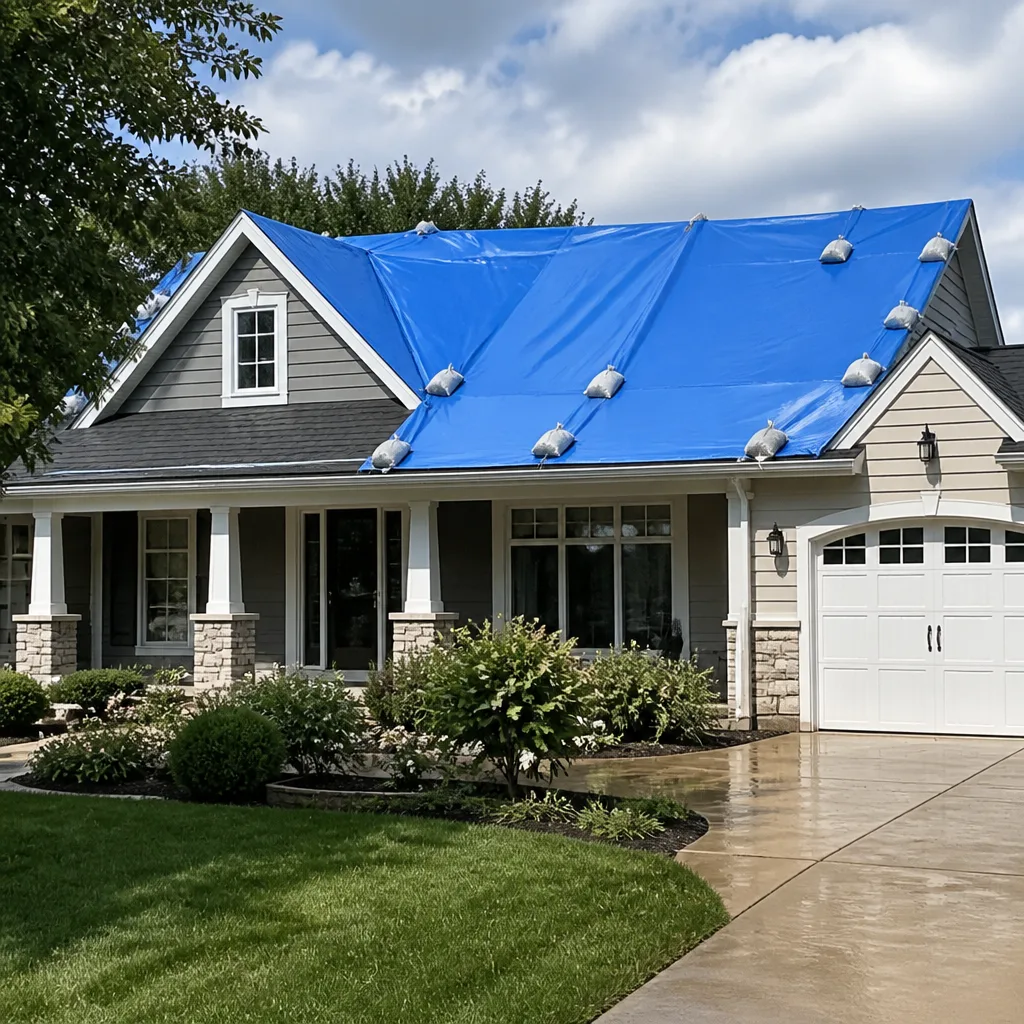
Broken windows, compromised roofs, and damaged doors are secured immediately to prevent weather intrusion and unauthorized entry. On coastal Miami Beach properties, we use marine-grade fasteners and reinforced tarps rated for the salt-laden winds that standard hardware-store tarps won’t survive.
3. Water Extraction & Structural Drying
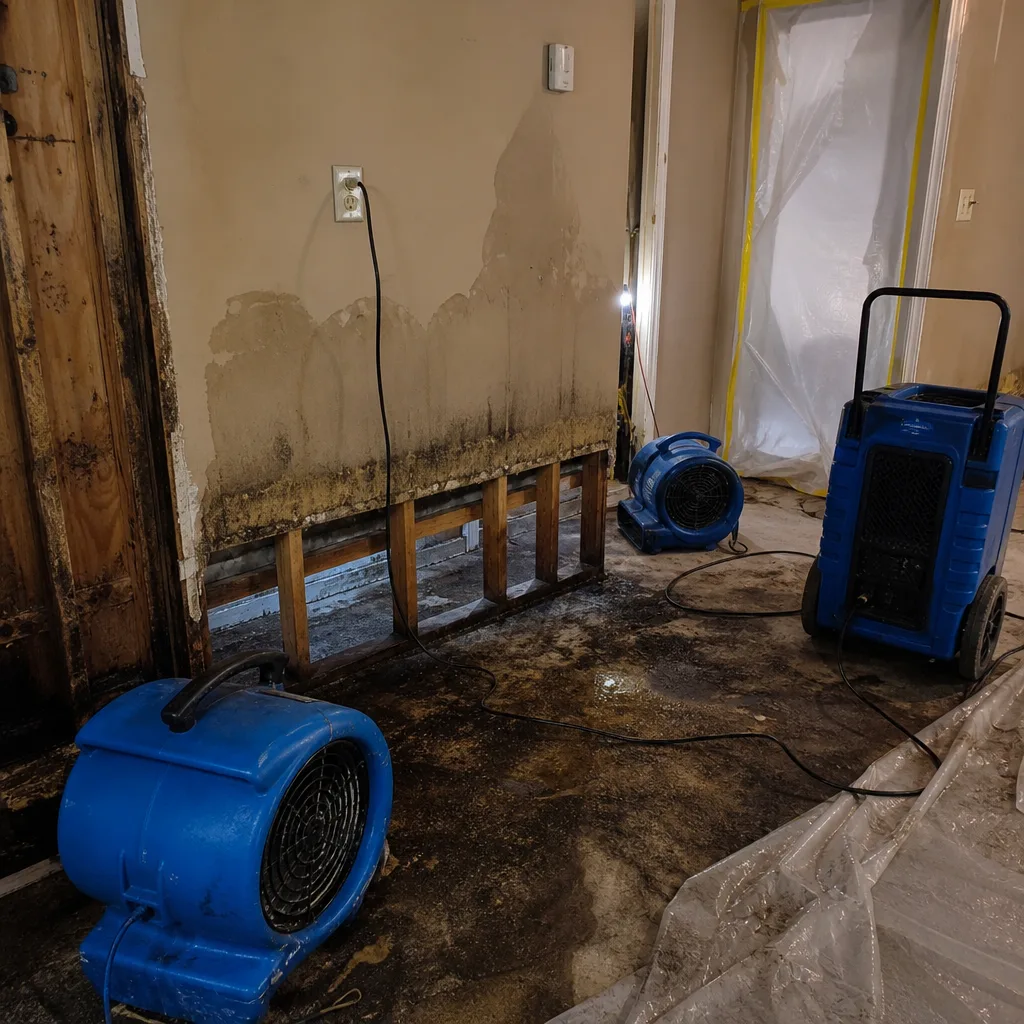
Fire suppression leaves thousands of gallons of water that must be extracted before mold colonizes. We deploy truck-mounted extractors, then set air movers and dehumidifiers sized to the space - critical in Miami Beach, where year-round humidity exceeding 75% and salt-laden air slow evaporation. Daily moisture logs track progress to IICRC S500 standards.
4. Smoke & Soot Removal
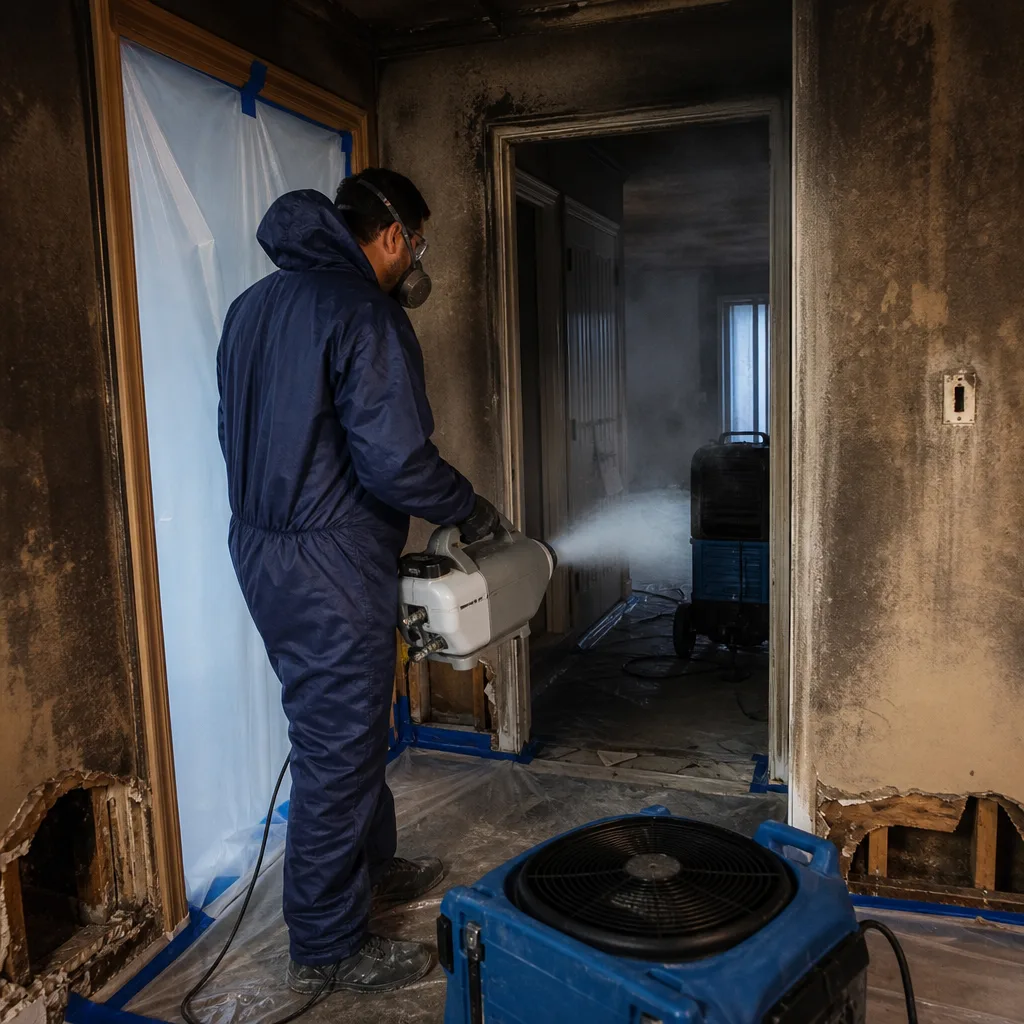
Dry sponge cleaning for powdery soot, chemical sponge for oily residues, solvent cleaning for protein fires - matched to the residue type and substrate. On historic plaster and stucco, we adjust technique to avoid driving soot deeper or damaging fragile surfaces. HEPA air scrubbers run continuously during this phase to capture airborne particulates.
5. Odor Removal & Deodorization
Surface cleaning removes visible soot; odor removal requires reaching the source. We use thermal fogging, ozone treatment, and hydroxyl generators depending on the odor compound and material sensitivity. In Miami Beach’s humid climate, porous materials that aren’t fully deodorized and sealed will re-release odor on heavy days. We verify elimination with olfactory testing and, when needed, third-party air quality clearance.
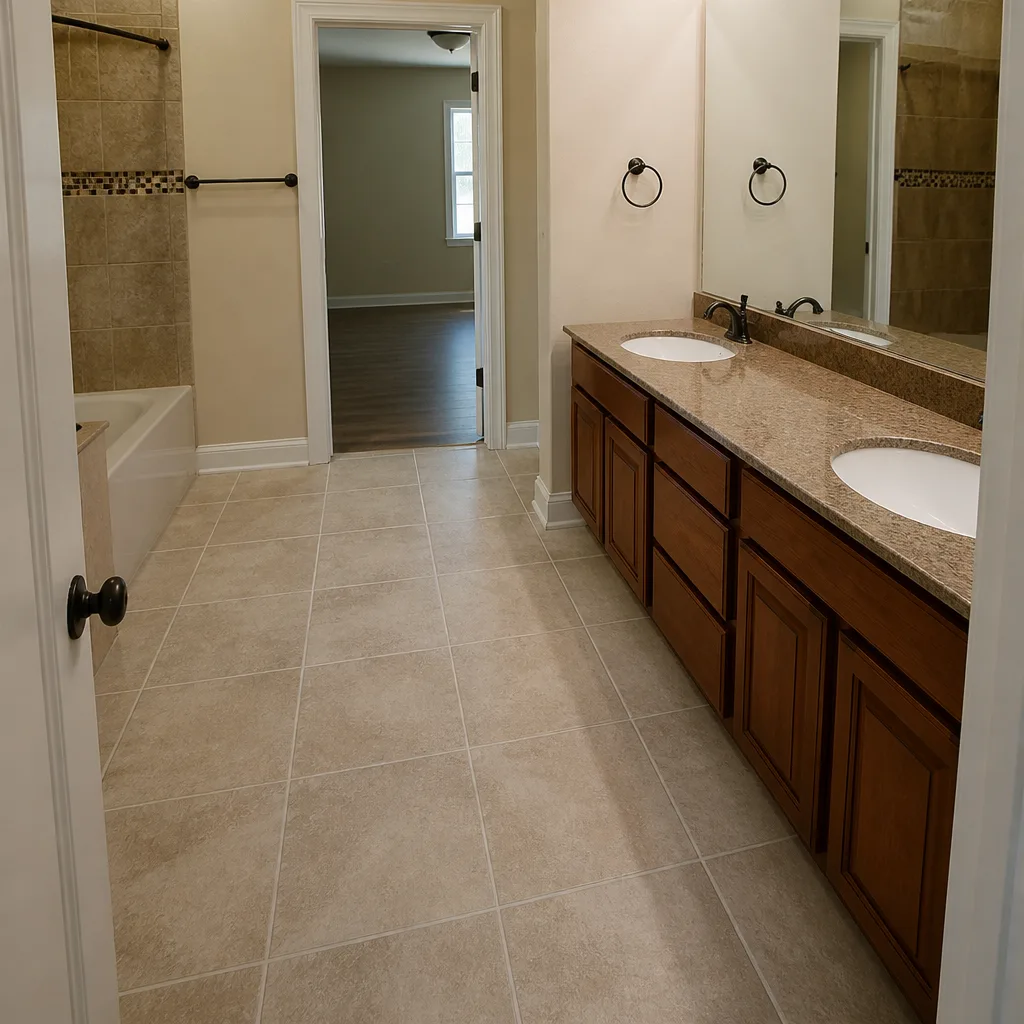
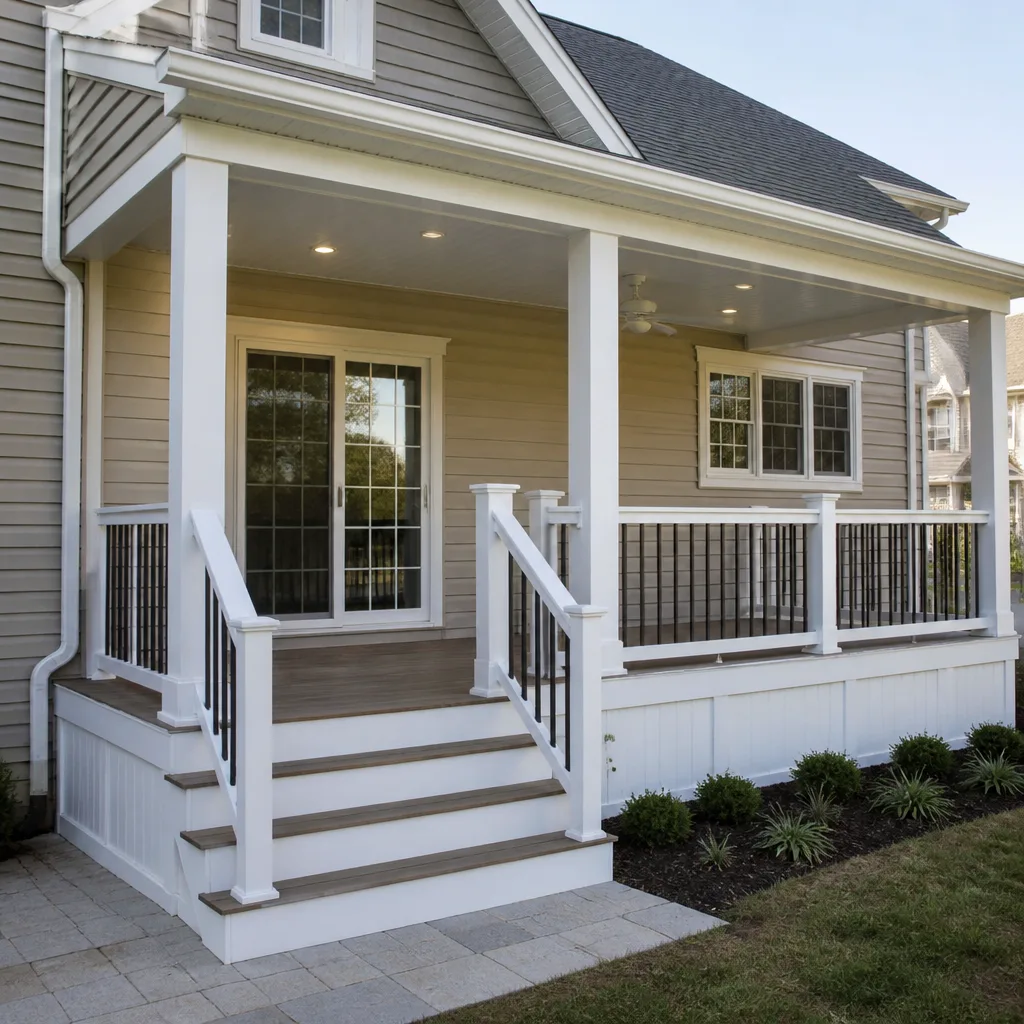
6. Repairs & Restoration
Charred structural elements are replaced, finishes are matched to pre-loss condition, and custom millwork is scarf-repaired rather than discarded when original to the building. Our Fire & Smoke Damage Restoration team coordinates reconstruction with the same documentation standards applied throughout, backed by our 365-Day Done Right Promise under The Haven Standard.
Need Emergency Fire & Smoke Damage Restoration in Miami Beach Now?
Crews minutes away, answering live 24 hours a day. The sooner we start, the less it costs.
Working With Your Insurance Company
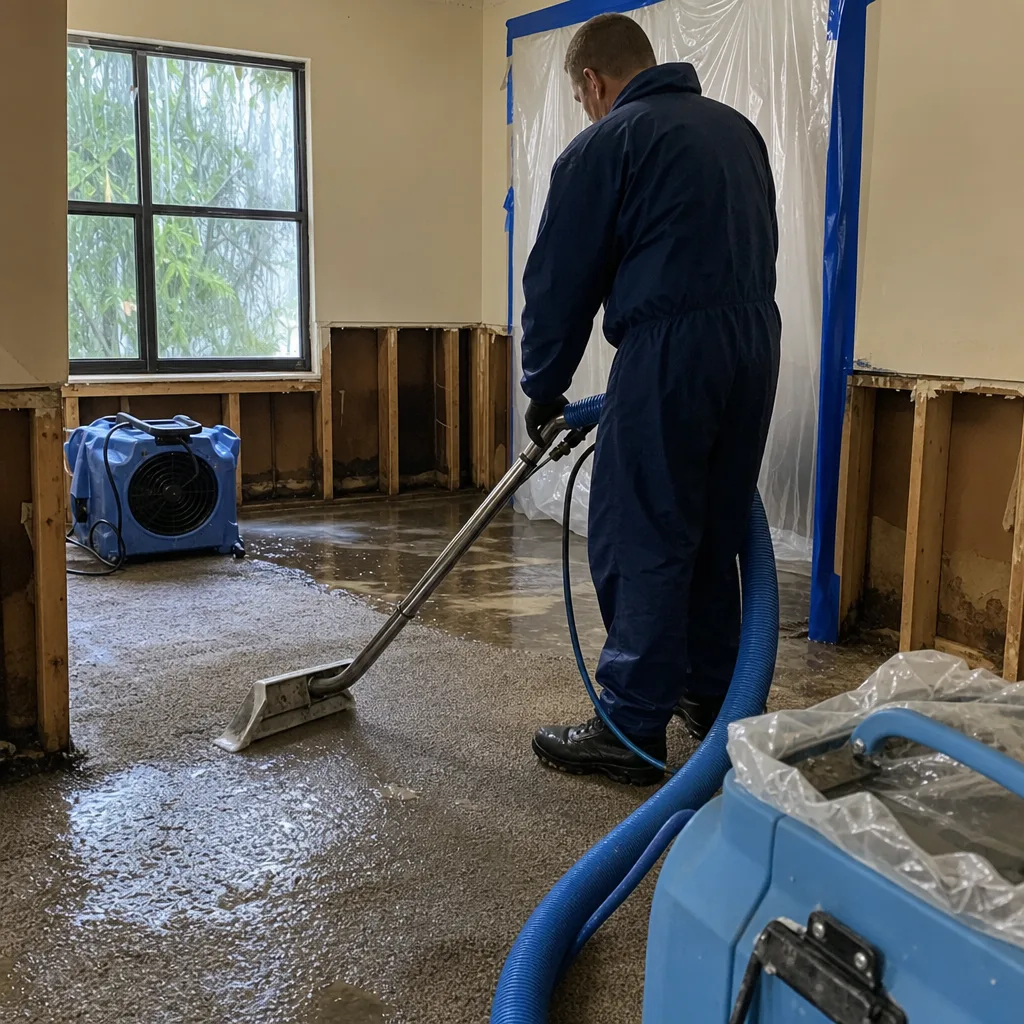
Fire claims are documentation-dependent. An insurer will pay for what is documented, measured, and justified - not for what a contractor verbally promises was necessary. From the first hour on your Miami Beach property, we build the file your adjuster needs: dated photos of every affected room, moisture readings with psychrometric data explaining why drying took the time it did, line-item scopes tied to industry-standard unit pricing, and direct communication with your carrier’s representative.
Our founder built this company after seeing homeowners lose legitimate claims to sloppy documentation. Every DryMark Restoration Hollywood job includes a photo record on every visit, daily drying logs, and a written scope before work begins. We coordinate directly with adjusters, provide supplemental documentation when hidden damage is found, and never ask you to pay out of pocket and wait for reimbursement unless you choose to.
What We Provide Your Insurer
- Thorough documentation of the loss
- Photos of all damage, room by room
- Moisture readings and drying logs
- A detailed, line-item scope of work
- Direct coordination with your carrier
Built for Miami Beach’s Loss Calendar
Miami Beach’s fire and smoke damage losses follow patterns distinct from mainland Florida. Winter months bring seasonal residents returning to properties where electrical systems sat unused, with space heaters and overloaded circuits causing kitchen and utility room fires in Art Deco apartments along Collins Avenue and Ocean Drive. Spring sees increased occupancy as snowbirds arrive, raising incident density in the historic district’s dense, multi-unit buildings.
Summer brings lightning strikes to flat-roofed structures and HVAC electrical fires as aging systems run continuously against 90-degree heat and 75% humidity. Hurricane season adds a secondary fire risk: generators improperly installed in garages and balconies, candle use during outages, and electrical surges when power returns. Fall’s king tide flooding compounds the problem - fire-damaged properties that also take on saltwater require dual-protocol restoration addressing both soot contamination and Category 3 water intrusion.
Year-round, Miami Beach’s high-rise and mid-rise stock experiences kitchen and electrical fires where smoke migrates through shared HVAC risers and stack effect channels, often affecting units far from the fire origin before occupants realize the danger.
Fire & Smoke Damage Restoration Across Miami Beach’s Neighborhoods
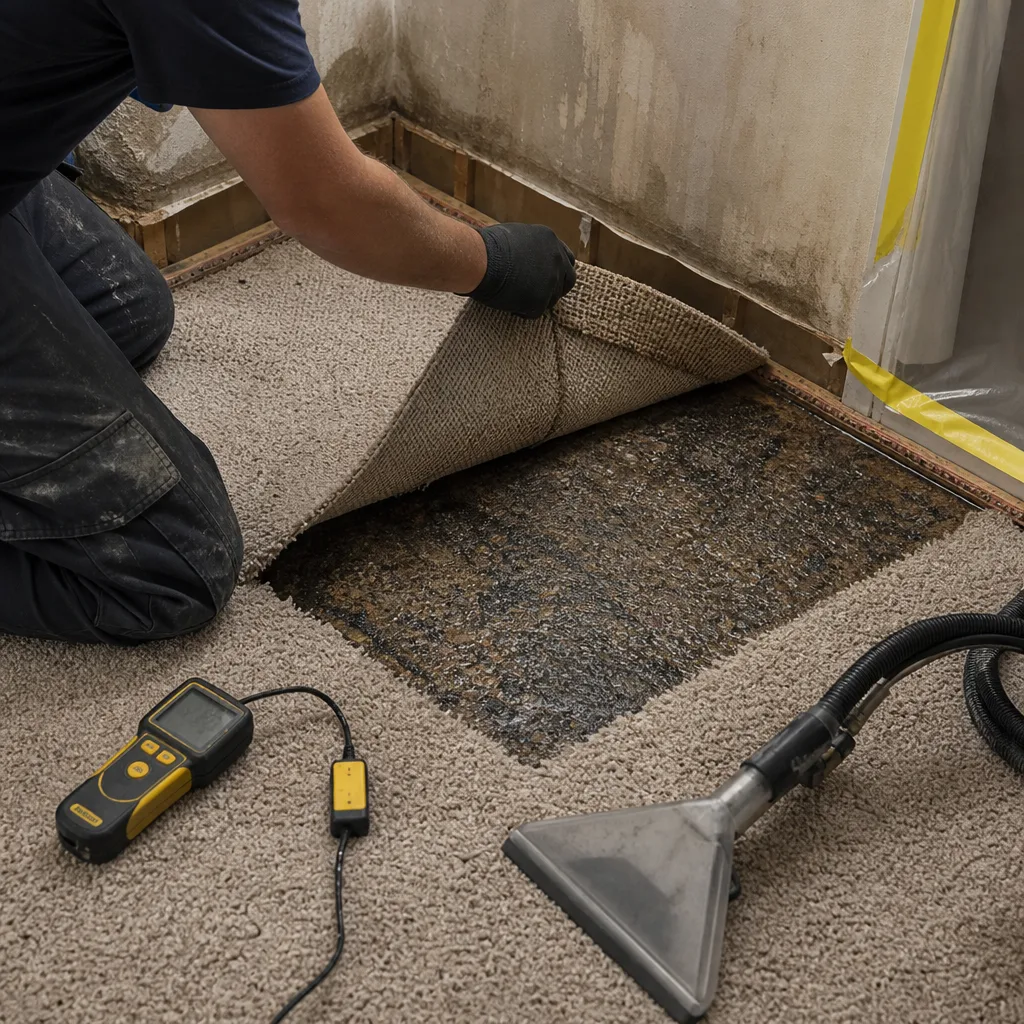
In South Beach, from Ocean Drive west to Alton Road, we work in 1920s-1940s Art Deco and Mediterranean Revival buildings where original plaster walls, decorative terrazzo floors, and custom millwork demand restoration rather than replacement. A kitchen fire in a Collins Avenue co-op typically requires finish matching that off-the-shelf materials can’t achieve; we scope scarf repairs and custom color mixing as standard practice.
Mid-Beach, from 23rd to 63rd Street, mixes historic single-family homes with 1950s-1970s condo towers. The older stock has the same plaster-and-stucco challenges as South Beach; the towers present sealed-envelope odor trapping and shared ventilation systems that distribute smoke vertically through multiple floors. We set floor-by-floor containment and coordinate with building management on HVAC isolation.
North Beach and the Normandy Isles area feature 1940s-1960s garden apartments and mid-rise buildings with original galley kitchens where grease fires are common. The smaller unit footprints mean smoke saturates contents faster; pack-out and contents cleaning is typically required even for limited fire damage. We maintain climate-controlled storage for these jobs, with itemized inventory and pre-loss condition documentation.
Fiore Di Mare and the luxury high-rise corridor along West Avenue present the opposite challenge: expansive units with custom Italian cabinetry, imported stone, and integrated smart-home systems where smoke odor embeds in porous stone and specialized finishes. Restoration here requires manufacturer-specified cleaning protocols and coordination with original installers when replacement is unavoidable.
Specialized Fire & Smoke Damage Restoration Services We Offer in Miami Beach
Fire Damage Cleanup
Structural cleaning after fire requires residue-type identification before any surface is touched. We test soot samples to determine whether dry, wet, or protein cleaning agents are appropriate, then work methodically from top to bottom, structural elements to contents. In Miami Beach’s historic buildings, this includes careful evaluation of plaster, lath, and dimensional lumber to determine what can be restored in place.
Smoke & Soot Removal
Smoke travels farther than flames and causes more long-term damage. Our FSRT-certified technicians use dry chemical sponges, HEPA vacuums, and solvent cleaning matched to the residue type and substrate. On Art Deco plaster walls, we avoid wet cleaning that drives soot deeper; on stucco exteriors, we use low-pressure techniques that don’t force residue into porous surfaces. Thermal imaging identifies hidden smoke deposits in wall cavities and ceiling chases.
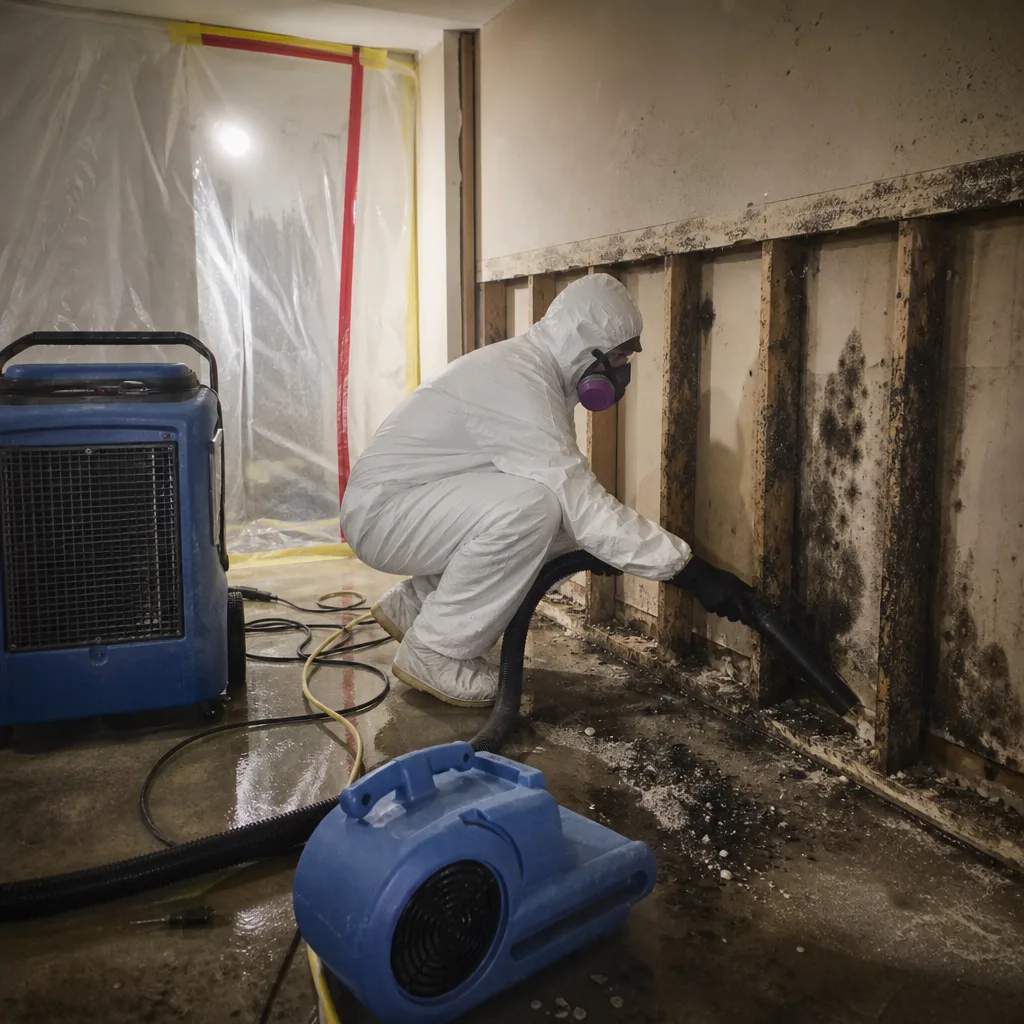
Odor Removal & Deodorization
Eliminating fire odor requires reaching the source compound, not masking it. We deploy thermal foggers for penetrating vapor-phase deodorization, hydroxyl generators for safe continuous treatment in occupied spaces, and ozone treatment for unoccupied contents and structures. In Miami Beach’s chronic humidity, incomplete deodorization guarantees callback - odor compounds reactivate in moist air. We verify elimination with multiple testing methods before declaring the job complete.
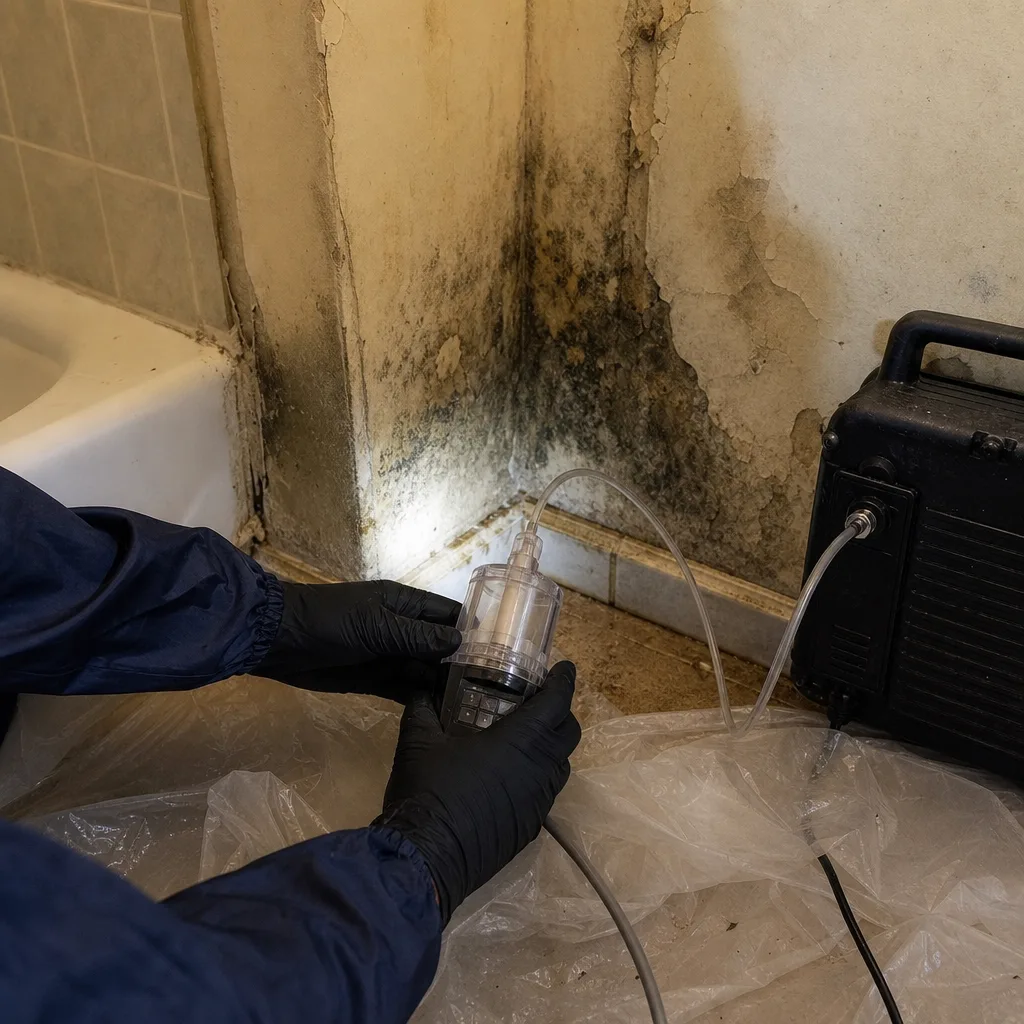
Contents Cleaning & Pack-Out
Smoke-damaged contents often have higher restoration value than the structure itself. We inventory, photograph, and pack out affected items to our climate-controlled facility for ultrasonic cleaning, ozone treatment, and specialized textile restoration. Electronics receive corrosion-inhibitor treatment within 24 hours. Every item is logged with pre-loss condition photos; nothing is discarded without written authorization and documentation for your claim.
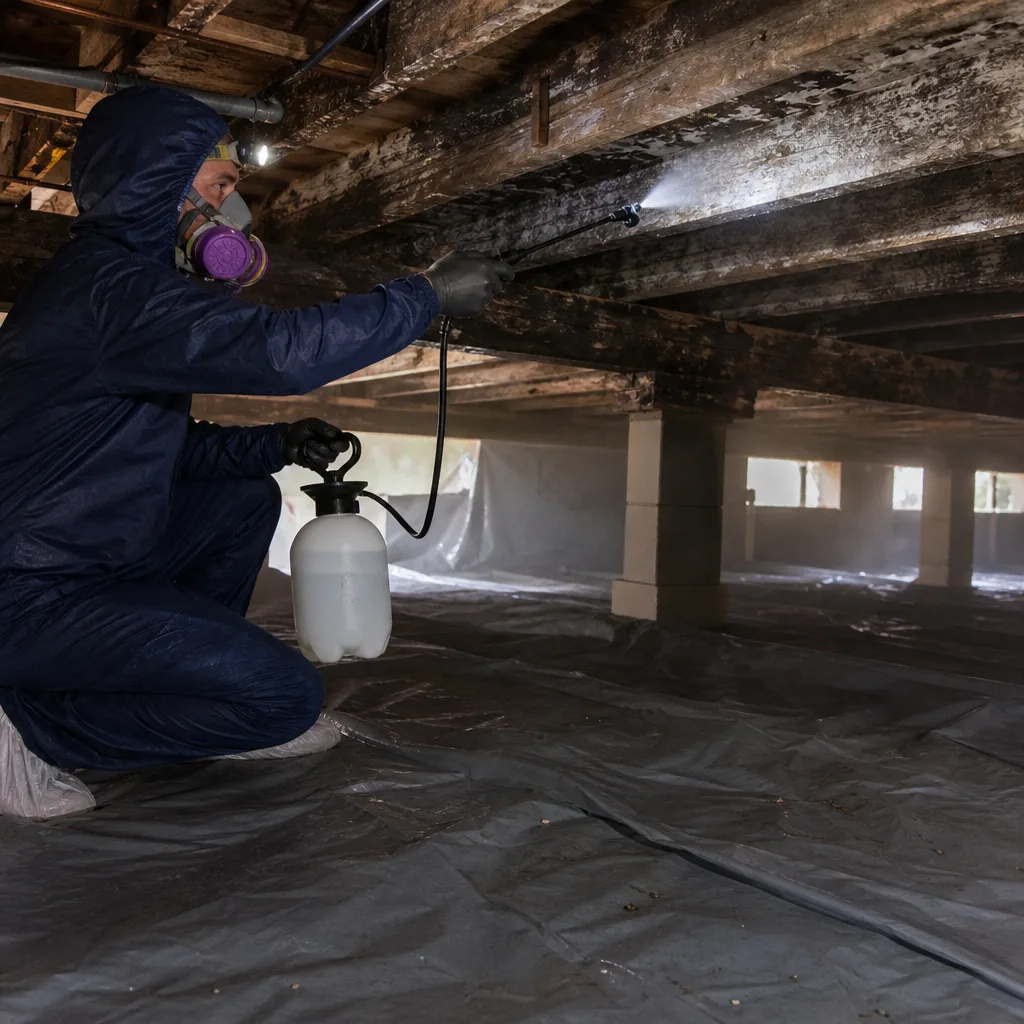
Emergency Board-Up & Tarping
Securing a fire-damaged property prevents weather intrusion, vandalism, and liability exposure. Our trucks carry marine-grade plywood, reinforced tarps, and tamper-evident fasteners rated for coastal conditions. We board windows, secure doors, tarp compromised roofs, and install temporary fencing when structural integrity is questionable. Documentation photos accompany every board-up for insurance records.
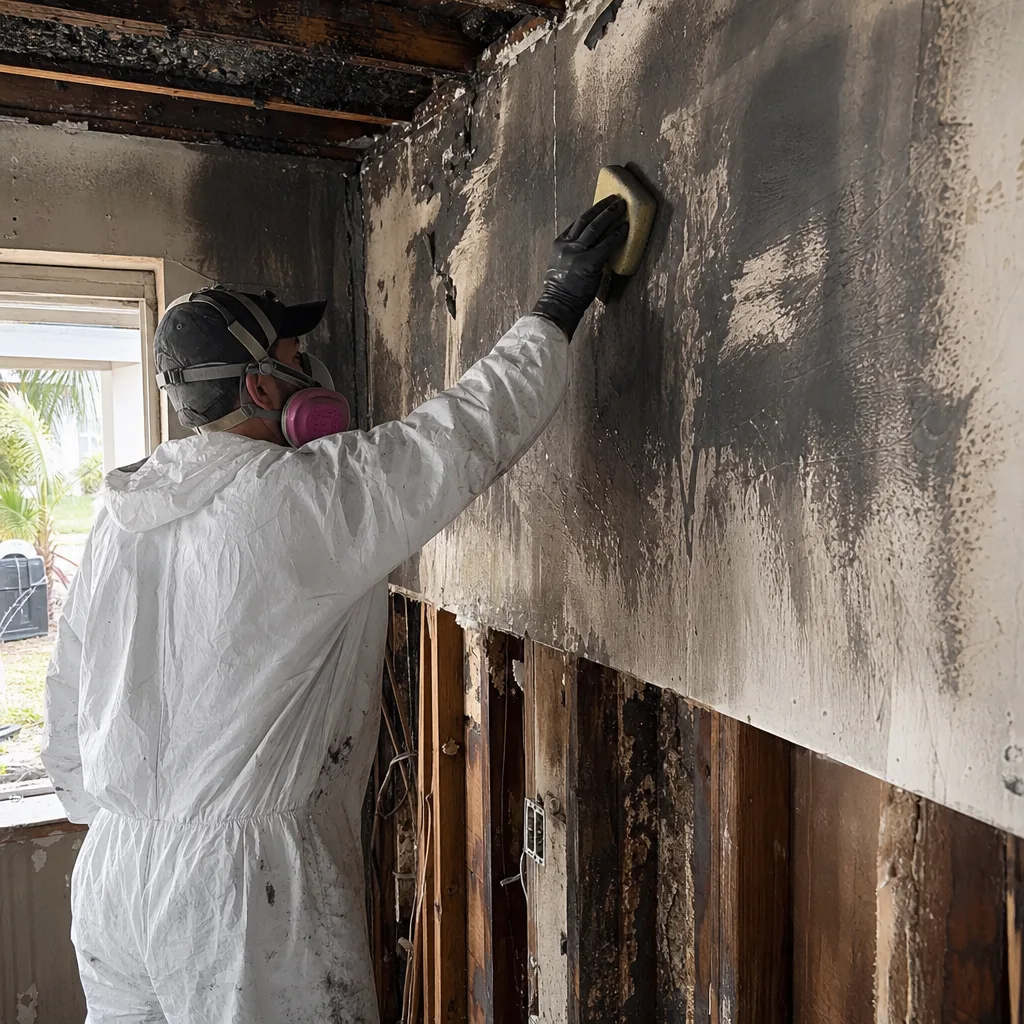
Structural Fire Repair
Charred structural elements are replaced to code; intact elements are restored and sealed. In Miami Beach’s historic district, we work with preservation guidelines and scope custom millwork replication when original materials cannot be saved. Reconstruction is coordinated with the same team that performed mitigation, ensuring continuity in documentation and no gaps between phases.
What happens when you call
- 1
A real person answersNo phone trees - you reach a local pro.
- 2
You get an upfront price rangeHonest numbers before anyone is dispatched.
- 3
A background-checked tech heads outLicensed & insured, dispatched right away.
- 4
You approve before work beginsNothing starts until you say go.
Fire & Smoke Damage Restoration Costs in Miami Beach, FL
Fire restoration pricing in Miami Beach reflects the specialized labor, equipment, and documentation required, plus the premium on working in a high-cost market with historic preservation considerations.
| Service | Typical Range in Miami Beach |
|---|---|
| Emergency board-up and tarping | $800 - $2,400 |
| Smoke and soot cleanup (per affected room) | $1,200 - $3,800 |
| Odor removal and deodorization (whole unit) | $2,500 - $6,500 |
| Contents pack-out and cleaning | $1,800 - $5,200 |
| Structural repairs and reconstruction | $8,500 - $45,000+ |
What moves the price: fire class and residue type (protein fires cost more to deodorize), square footage affected, presence of water damage from suppression, historic material restoration requirements, and whether the property is a high-rise requiring freight elevator coordination and after-hours work. Most fire losses in Miami Beach are insurance claims; we provide the documentation your carrier requires and bill directly when possible. For out-of-pocket scenarios, we deliver a written price before work begins - Haven Standard, Clause 1 - with no scope additions once the crew is inside.
Call (754) 222-3479 for a free visual inspection and written scope. Estimates are free; documentation is standard.
We Also Serve Cities Near Miami Beach
Our crews respond throughout the Miami metro area. We regularly provide Fire & Smoke Damage Restoration in Miami Beach and surrounding communities including Miami, Key Biscayne, Coral Gables, and Hialeah. Dispatch and scheduling are coordinated from our Miami (South FL) office.
Serving Miami Beach, FL - Our Local Coverage Area
We’re based in the Miami Beach area and know this community well. Use the map below to see our service coverage - if you’re nearby, we can almost certainly help.
Miami Beach Fire & Smoke Damage Restoration Questions, Answered
Does a fire in a historic Art Deco or Mediterranean Revival home on Miami Beach require different cleanup than a newer condo?
Yes. Historic plaster walls, lath, and dimensional lumber absorb smoke differently than modern drywall and steel framing, and wrong cleaning agents can drive soot deeper or damage fragile surfaces. Original custom millwork can’t be replaced with stock materials, so restoration and finish matching is scoped instead of removal. We test every surface before cleaning and adjust technique to the substrate, not a one-size-fits-all protocol.
How long after a fire before mold can start in a Miami Beach home?
Mold can begin colonizing within 24 to 48 hours of water introduction from fire suppression. In Miami Beach, where humidity typically exceeds 75% year-round, that timeline compresses. We extract standing water immediately and begin structural drying with dehumidifiers and air movers sized to the space, logging daily moisture readings until materials return to dry standard. Call (754) 222-3479 for immediate response.
Can you board up and tarp my South Beach home the same day as the fire, before insurance is settled?
Yes. Emergency board-up and tarping is standard practice on every fire loss and does not require insurance pre-approval. We secure the property, document conditions with photos, and include emergency services in the scope submitted to your carrier. Most policies cover reasonable emergency protective measures; we provide the documentation that supports that coverage.
Will smoke odor come back in a high-humidity Miami Beach home after restoration?
It can, if deodorization was incomplete or porous materials weren’t properly sealed. Miami Beach’s chronic humidity reactivates odor compounds that were only surface-treated. We verify odor elimination with multiple testing methods and apply sealants to porous substrates where necessary. Our 365-Day Done Right Promise covers callback if odor returns - a written warranty under The Haven Standard, not a verbal assurance.
Do you handle contents cleaning and storage if my Miami Beach condo has to be vacated?
Yes. Contents pack-out, inventory, climate-controlled storage, and specialized cleaning are standard services. We photograph every item’s pre-loss condition, clean and deodorize using ultrasonic, ozone, and textile-specific methods, and return items when the structure is restored. Electronics receive corrosion-inhibitor treatment within 24 hours. Nothing is discarded without your written authorization and claim documentation.
How fast can your crew actually get to Miami Beach?
We commit to 45-minute response times to Miami Beach from our South FL dispatch center, with live phone coverage 24 hours a day. Trucks carry board-up materials, emergency tarping, and initial cleaning equipment so work begins on arrival, not after a return trip. Call (754) 222-3479; a real person answers.
Will my insurance cover the full cost of fire restoration?
Most homeowner and condo policies cover fire damage restoration, including smoke and soot removal, odor deodorization, contents cleaning, and structural repairs, subject to your deductible and policy limits. We document thoroughly from day one, provide line-item scopes in industry-standard format, and coordinate directly with your adjuster to support full coverage. We also offer a Free Second Opinion on any competitor’s written estimate.
What should I do in the first 30 minutes after a fire is extinguished?
Ensure everyone is safe and accounted for, then call us at (754) 222-3479. Do not enter until the fire department clears the structure. If safe and cleared, open windows only if weather permits - in Miami Beach’s humid climate, opening windows can introduce moisture that compounds smoke damage. Do not touch soot-covered surfaces; oils from skin can set residues permanently. Our crew will assess, document, and begin protective measures on arrival.
Fire damage in Miami Beach demands more than standard restoration. The historic plaster, custom millwork, and coastal humidity of this island’s unique building stock require technicians who understand what they’re working on - and document what they’ve done. That’s the work we built this company to deliver.
Written by Alicia Brennan, Owner at DryMark Restoration Hollywood, serving Miami Beach since 2011 under The Haven Standard.
Fire & Smoke Damage Restoration in Nearby Areas