
Last updated September 23, 2026
Free visual inspection and a written scope of work before any mitigation begins - photos, moisture readings, and drying logs go in your claim file
The scope we write is the scope we bill. Anything new gets shown to you, in writing, before we touch it.
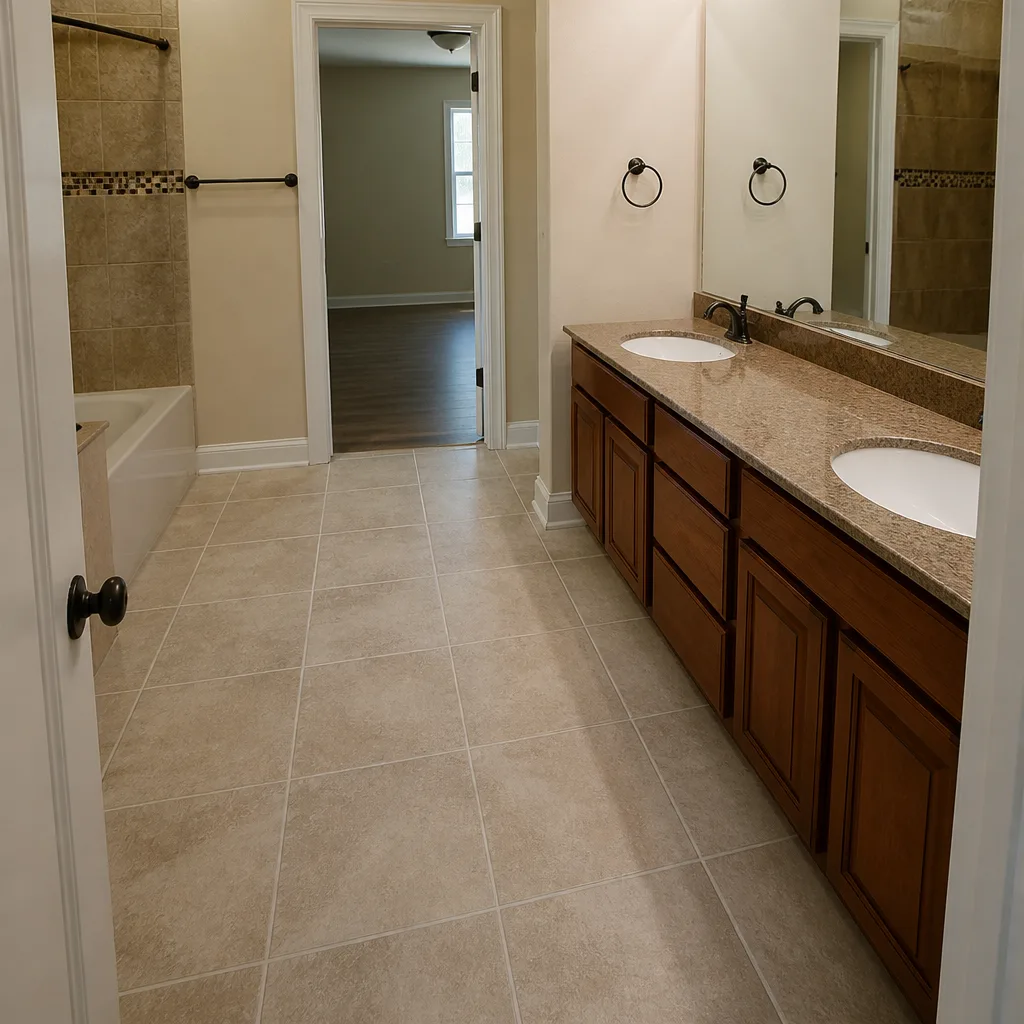
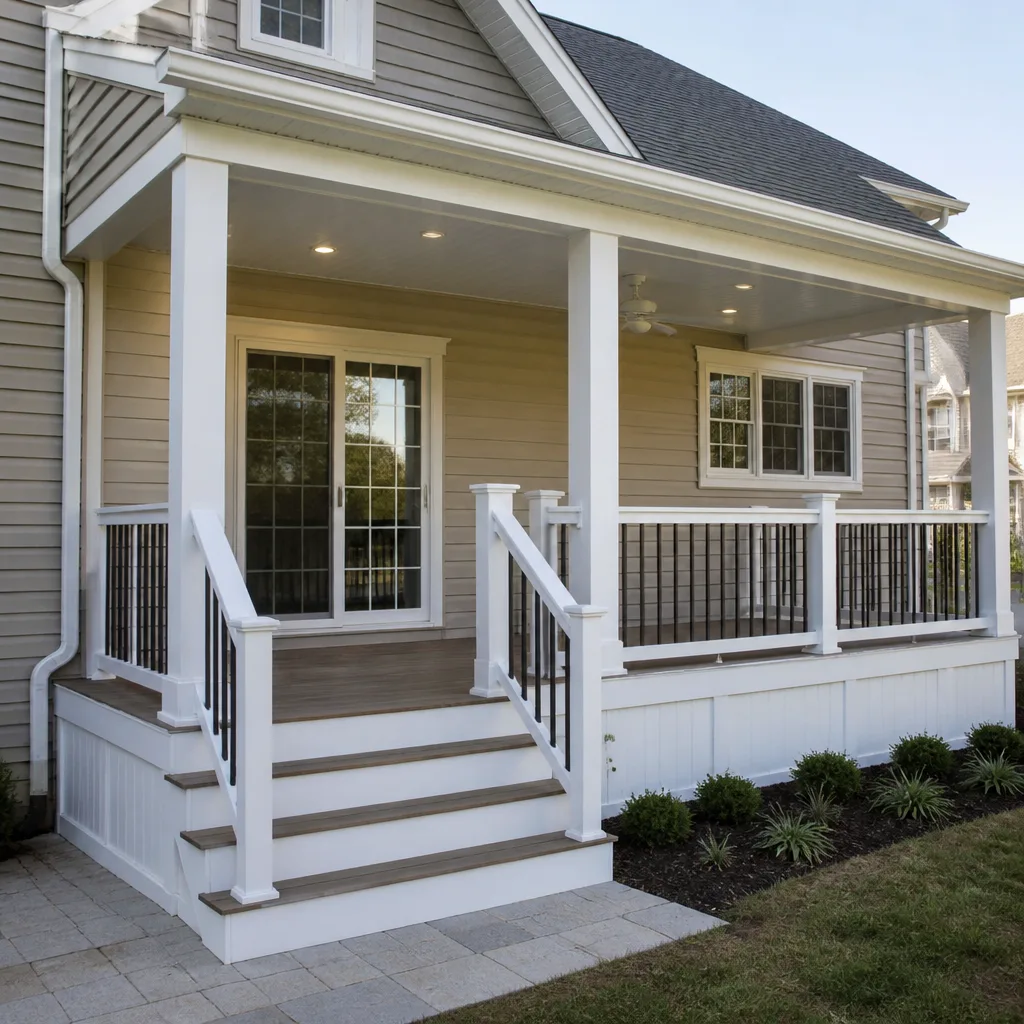
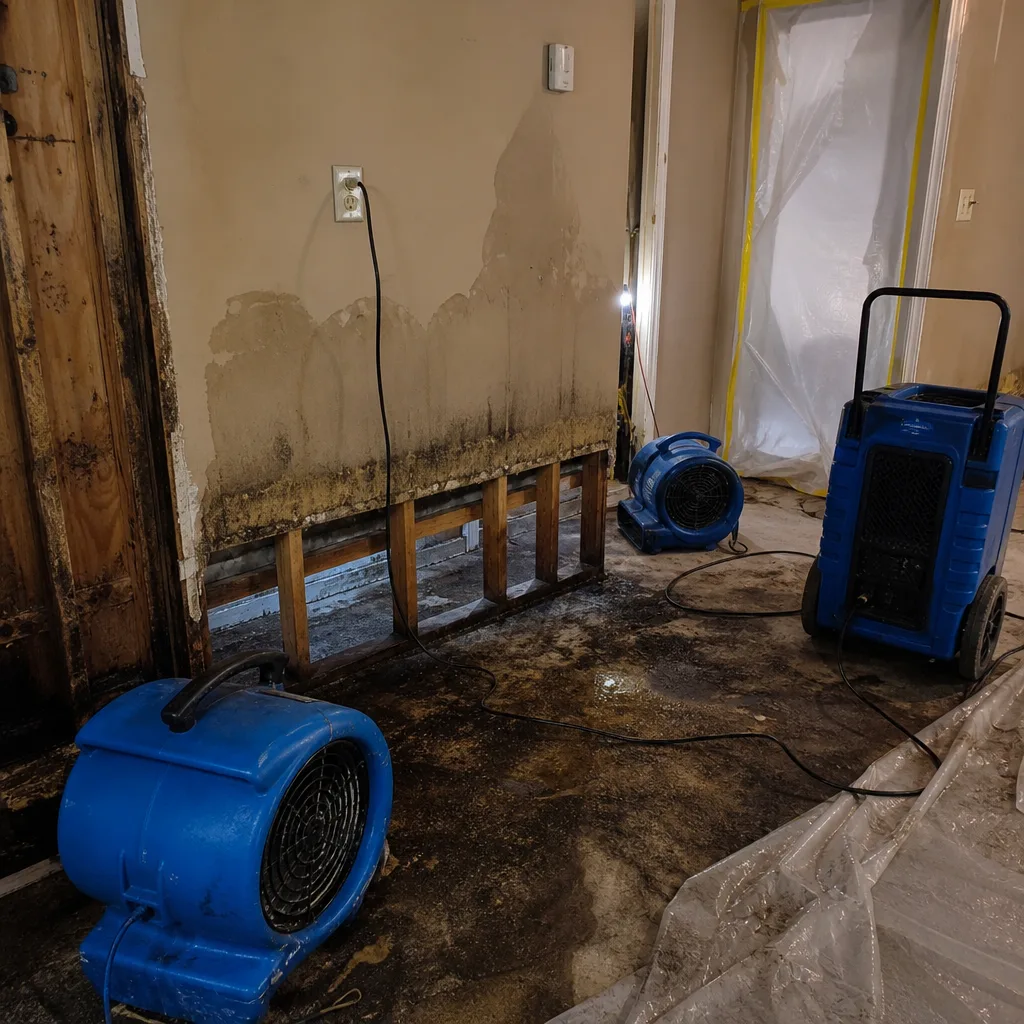 Before
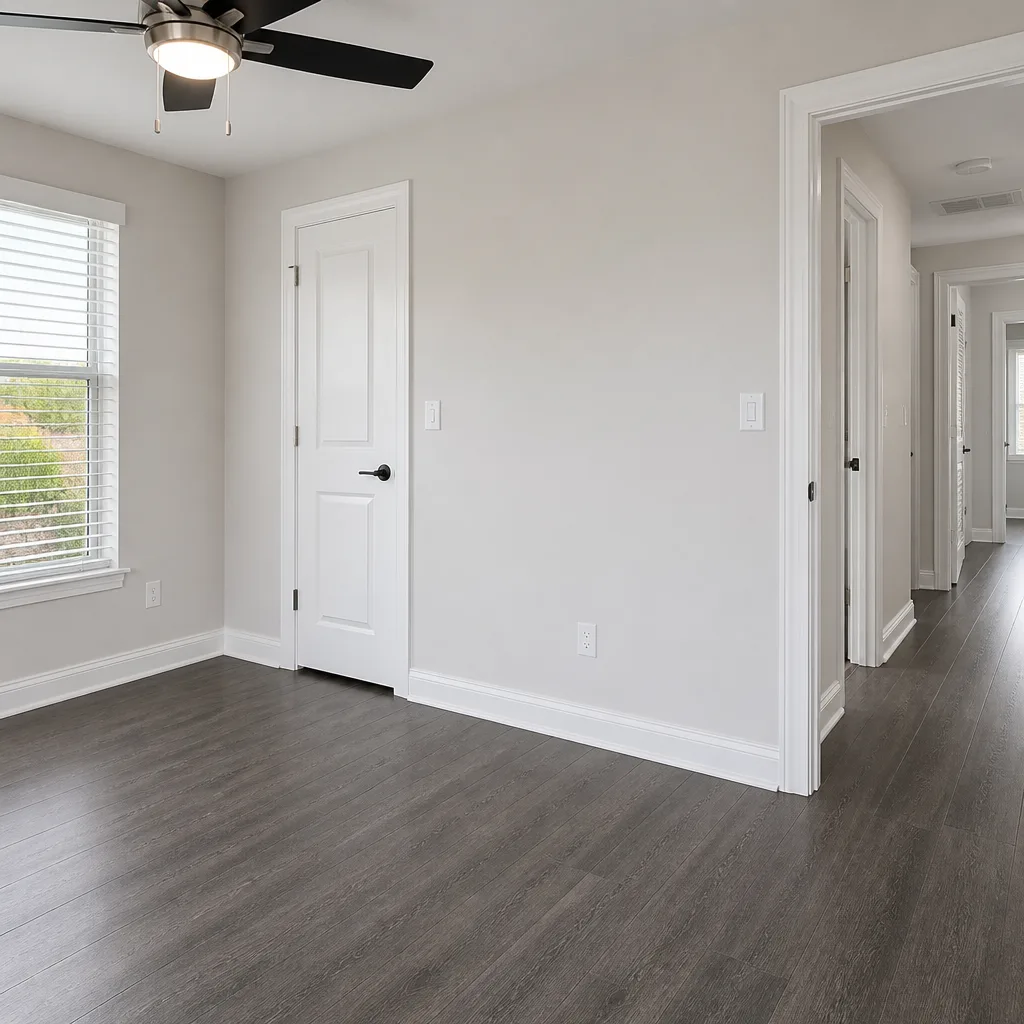 After
After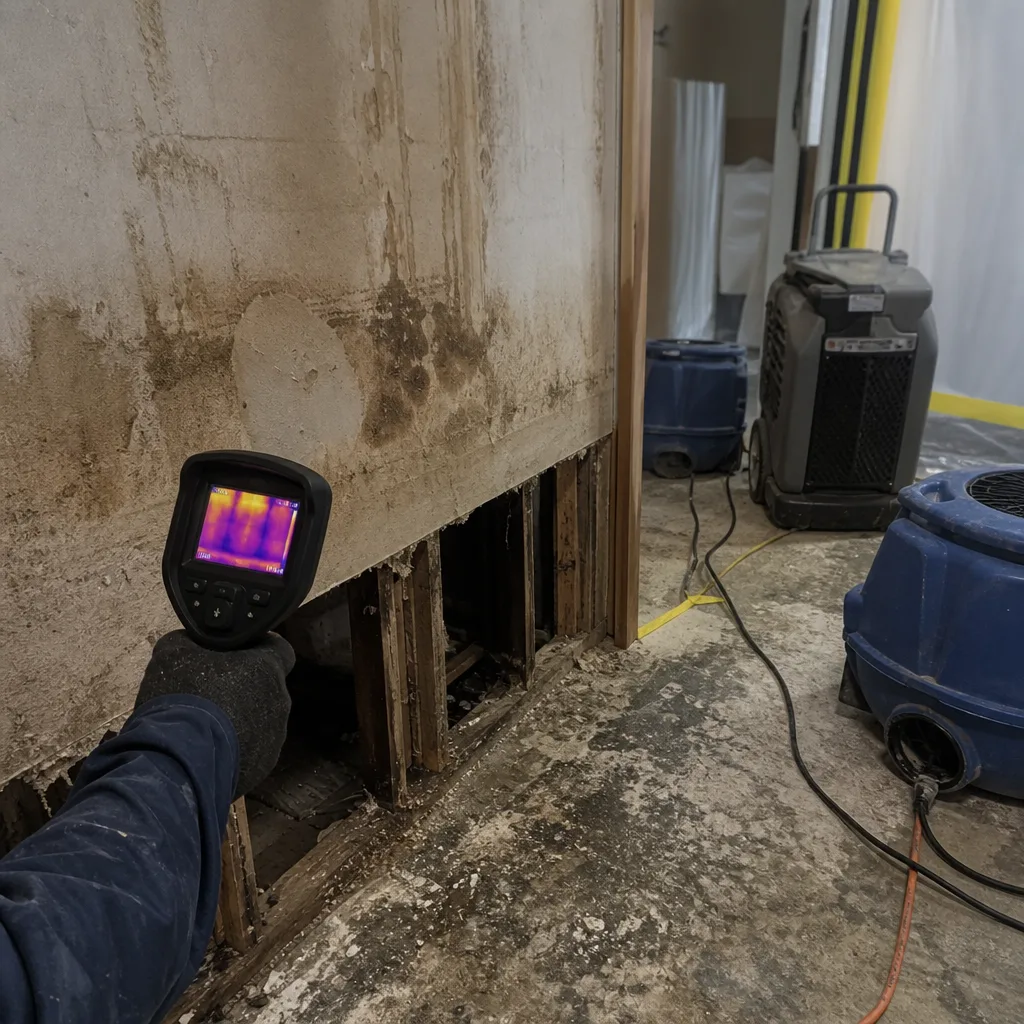 Before
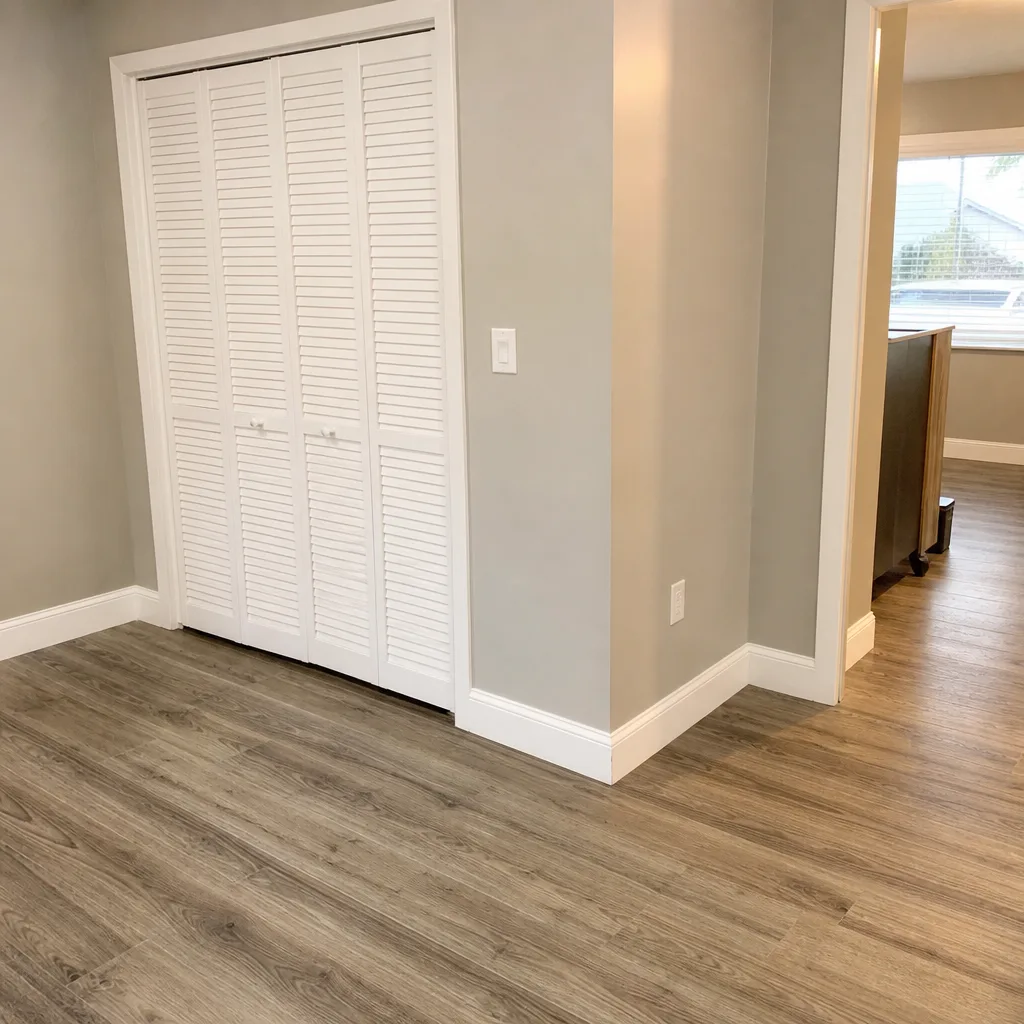 After
After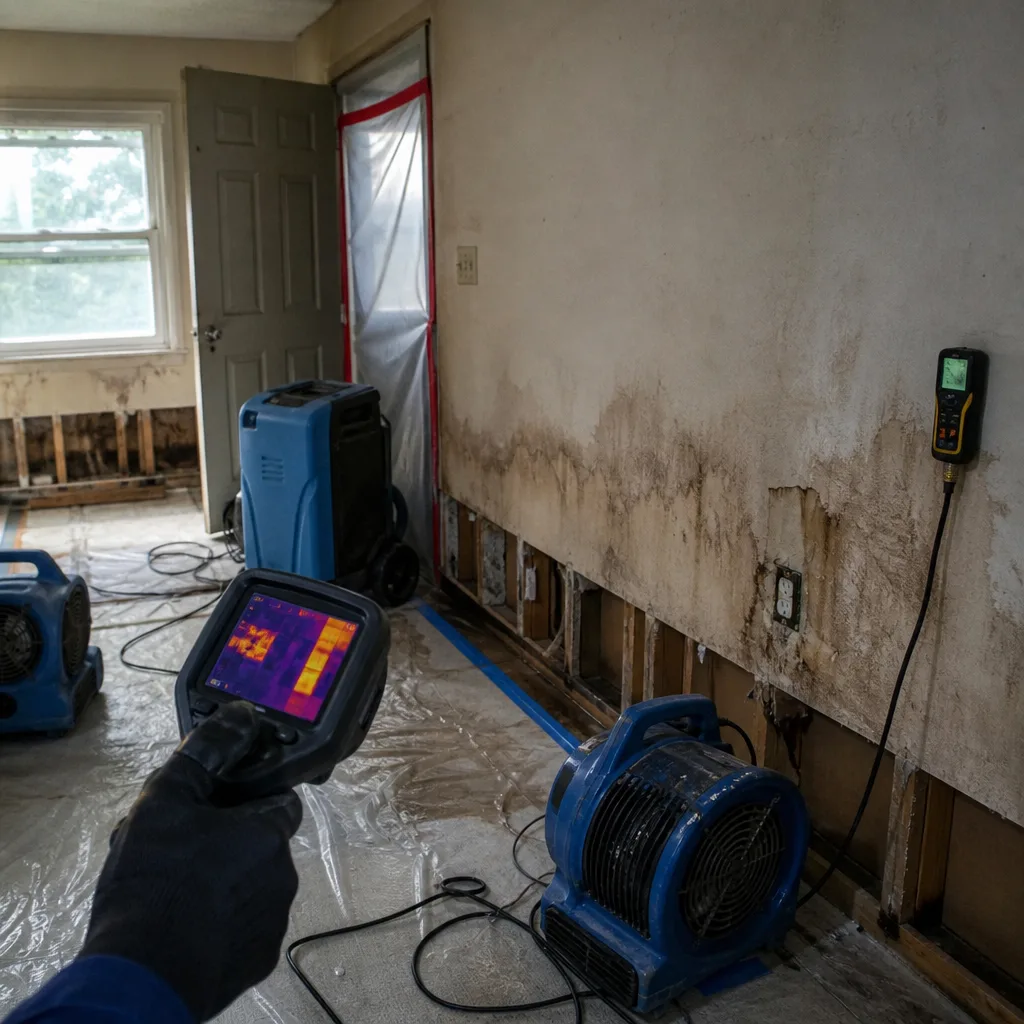 Before
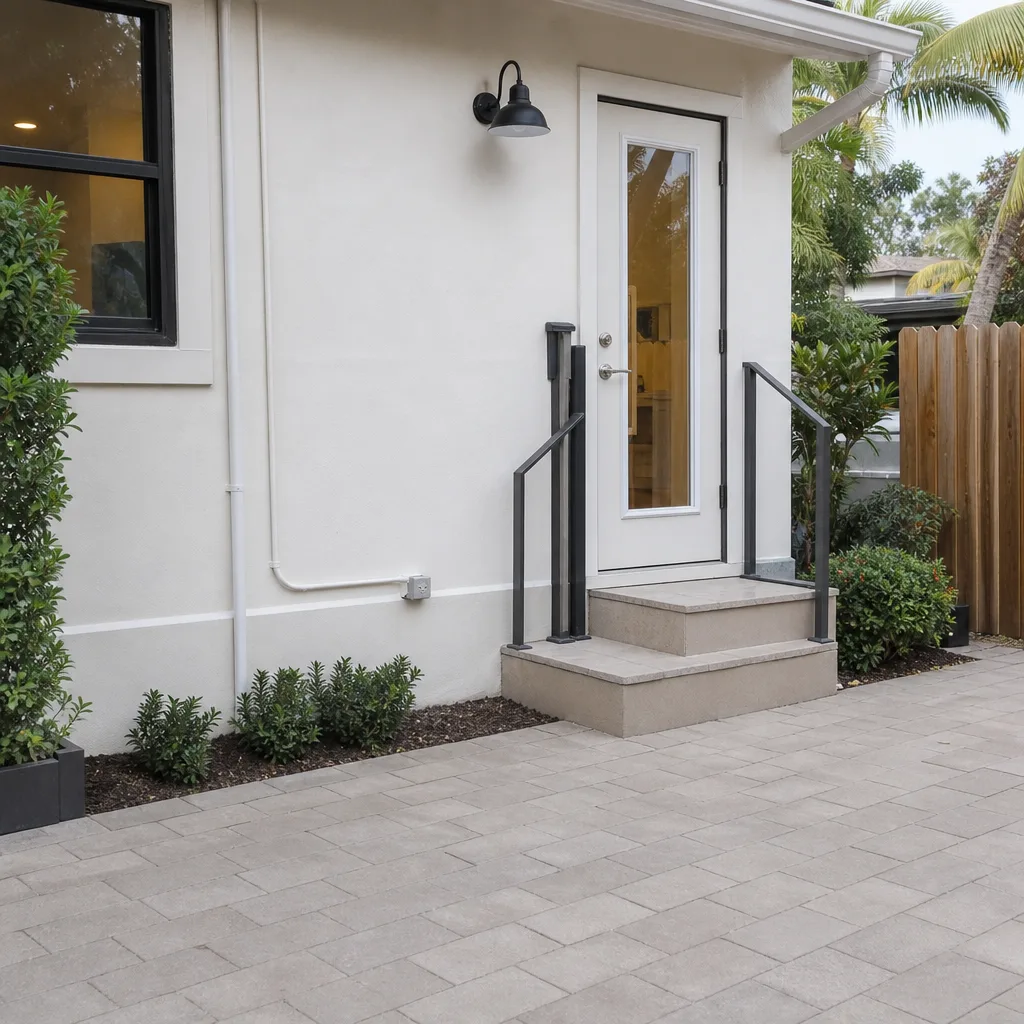 After
AfterDamage Restoration Permits, Codes & Inspections in FL: What You Need to Know
A Hollywood homeowner finishes a full kitchen rebuild after a pipe burst. The contractor’s final walkthrough goes perfectly. Three years later, a buyer’s title search flags unpermitted drywall and electrical work. The sale stalls. The homeowner learns that Broward County’s building department never closed the permit because no one pulled one in the first place. This happens more often than most restoration companies admit. In this guide, we’ll show you exactly where Florida’s building code draws the line between permit-free mitigation and permitted reconstruction, how Hollywood’s flood zone designation changes those rules, and why a closed permit is often worth more than the repair itself when it’s time to sell or file a future claim. For more guides & resources on navigating the restoration process, visit our blog.
Quick Answer
Most water damage mitigation in Hollywood - extraction, drying, and selective demolition - does not require a building permit under the Florida Building Code. Once you cross into reconstruction, replacement of structural elements, or any electrical, plumbing, or HVAC work, Broward County requires permits and inspections. In FEMA AE and VE flood zones, which cover much of eastern Hollywood, the 50% substantial improvement rule may trigger elevation certificate requirements that turn a standard rebuild into a months-long permitting process.
Table of Contents
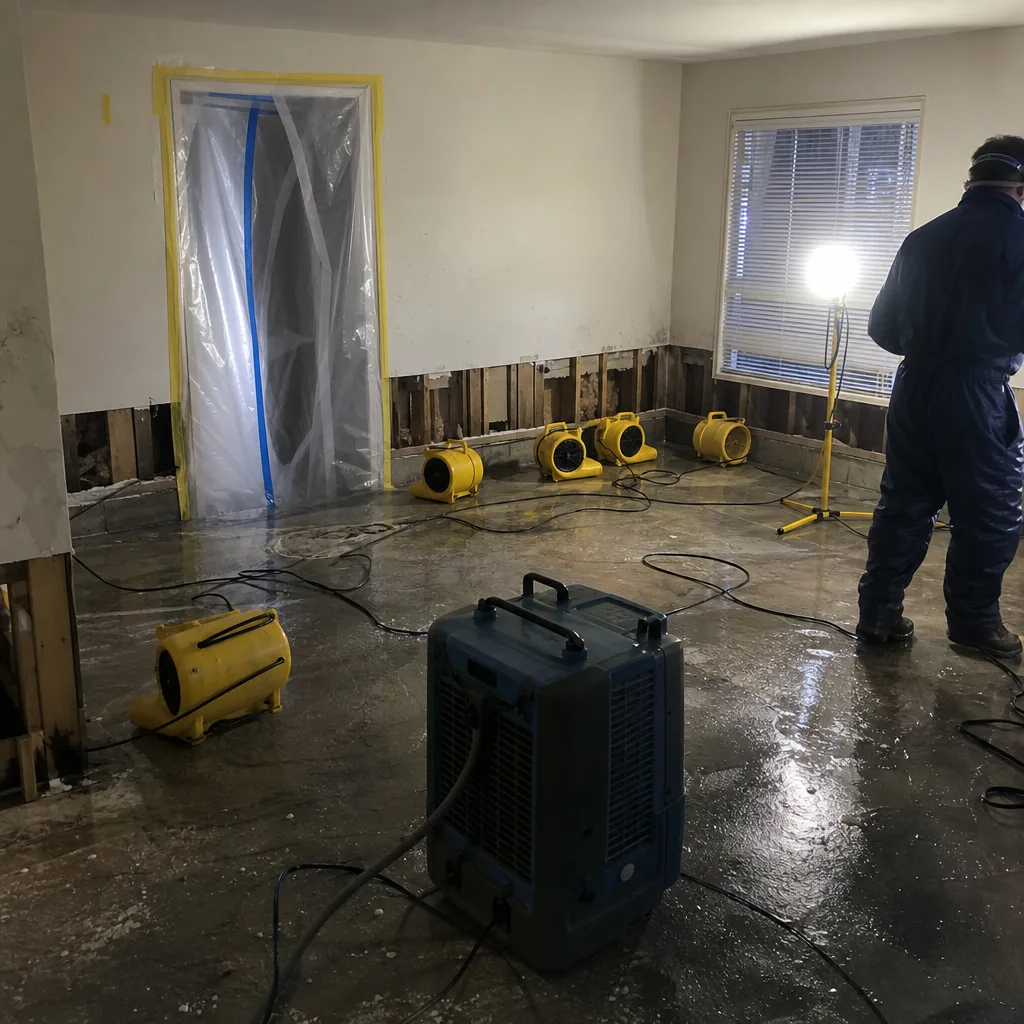
- Mitigation vs. Reconstruction: Where the Permit Line Actually Sits
- Hollywood’s Flood Zones: How AE and VE Designations Change Everything
- Which Trades Need Separate Permits vs. a Single General Application
- The Broward County Inspection Sequence for Post-Water-Damage Rebuilds
- Why a Closed Permit Is Documentation, Not Just Bureaucracy
- How Permits and Inspections Affect Your Insurance Claim
- Common Mistakes to Avoid
- When to Call a Professional
- Frequently Asked Questions
 Before
 After
AfterMitigation vs. Reconstruction: Where the Permit Line Actually Sits
The Florida Building Code draws a sharp line between mitigation and reconstruction, but that line sits in a place that surprises most homeowners. Understanding it before work starts prevents the unpermitted-work problem that surfaces years later.
What the Code Calls “Maintenance and Repair”
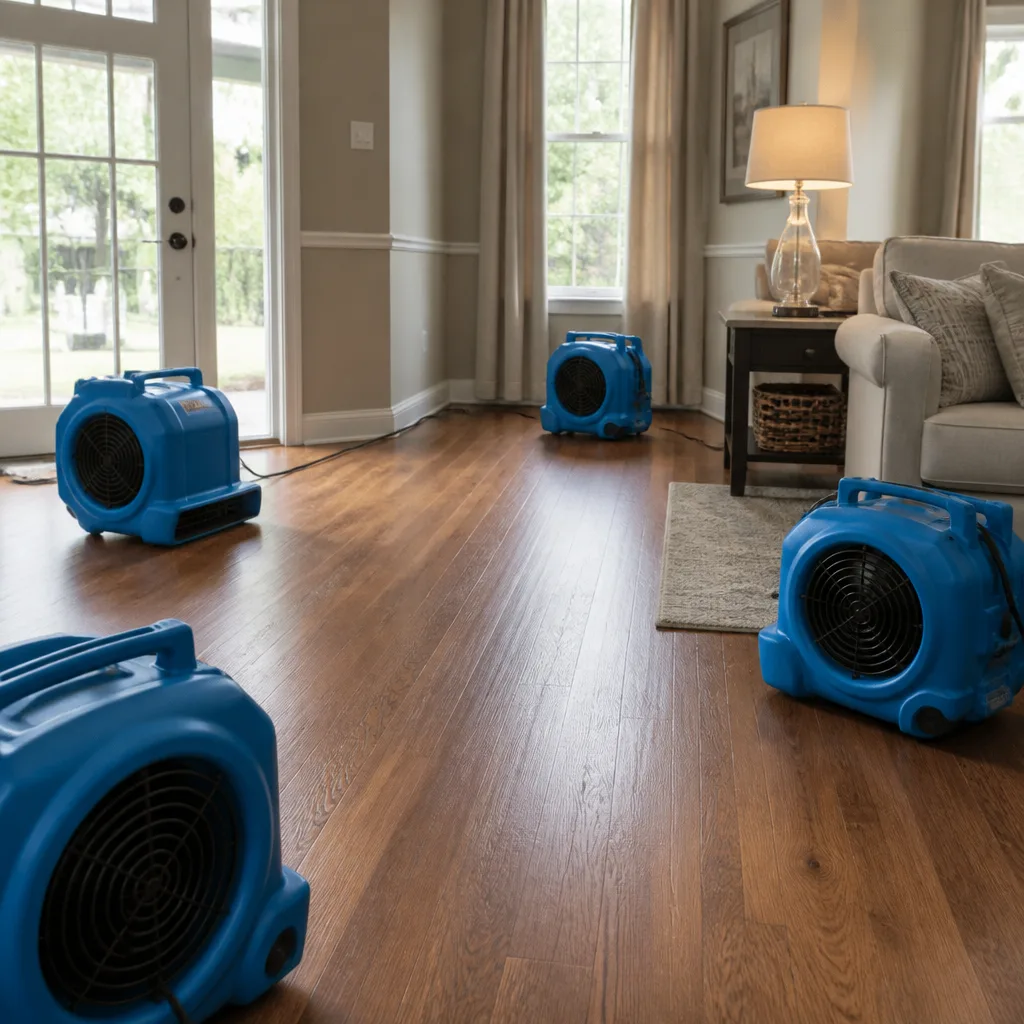
Section 105 of the Florida Building Code exempts “ordinary minor repairs” from permit requirements. In practice, this covers the work we perform in the first 72 hours after water damage: standing water extraction, deployment of Dri-Eaz and Phoenix dehumidification systems, air mover placement for psychrometric drying, and selective demolition of wet drywall, baseboard, or flooring to expose wall cavities for tertiary drying. We document every step with moisture readings, photo records, and daily drying logs to IICRC and RIA standards. None of this requires a permit.
The code also exempts replacement of like-for-like finishes when no structural, electrical, or plumbing elements are altered. So if we remove wet carpet and pad, dry the slab to acceptable moisture content verified by thermo-hygrometer readings, and reinstall comparable carpet, no permit is needed.
Where You Cross Into Permitted Work
The permit trigger hits when any of these occur:
- Structural elements are modified, removed, or replaced - wall studs, ceiling joists, subflooring, roof decking
- Electrical circuits are added, relocated, or extended beyond the original junction box
- Plumbing supply or drain lines are altered, not merely reconnected at existing fittings
- HVAC ductwork is replaced or re-routed
- The work area exceeds 25% of the building’s total floor area in a single repair event
- In flood zones, the cost of repair cumulatively exceeds 50% of the structure’s market value over any rolling ten-year period
That last point - the 50% substantial improvement rule - catches Hollywood homeowners by surprise. We’ve seen properties in the Water Damage Restoration in Hollywood corridor where a 2021 pipe burst repair and a 2024 hurricane damage rebuild, taken together, pushed the cumulative cost past the threshold. When that happens, the entire structure must be brought into current floodplain compliance, including potential elevation.
The Documentation Gap That Hurts Claims
Here’s where our documentation-first approach matters. Many restoration companies blur mitigation and reconstruction in their scopes, making it impossible for an adjuster to see where permit-exempt work ended and permitted work began. We separate them explicitly in our written price before work starts, per Haven Standard, Clause 1. The mitigation scope stands alone. The reconstruction scope, if needed, includes permit costs, inspection scheduling, and the licensed subcontractor pull for each trade. The photo record on every visit shows exactly what was demolished, what was dried in place, and what was rebuilt. This separation protects the homeowner if the insurer later questions whether permitted work was properly documented.
Hollywood’s Flood Zones: How AE and VE Designations Change Everything
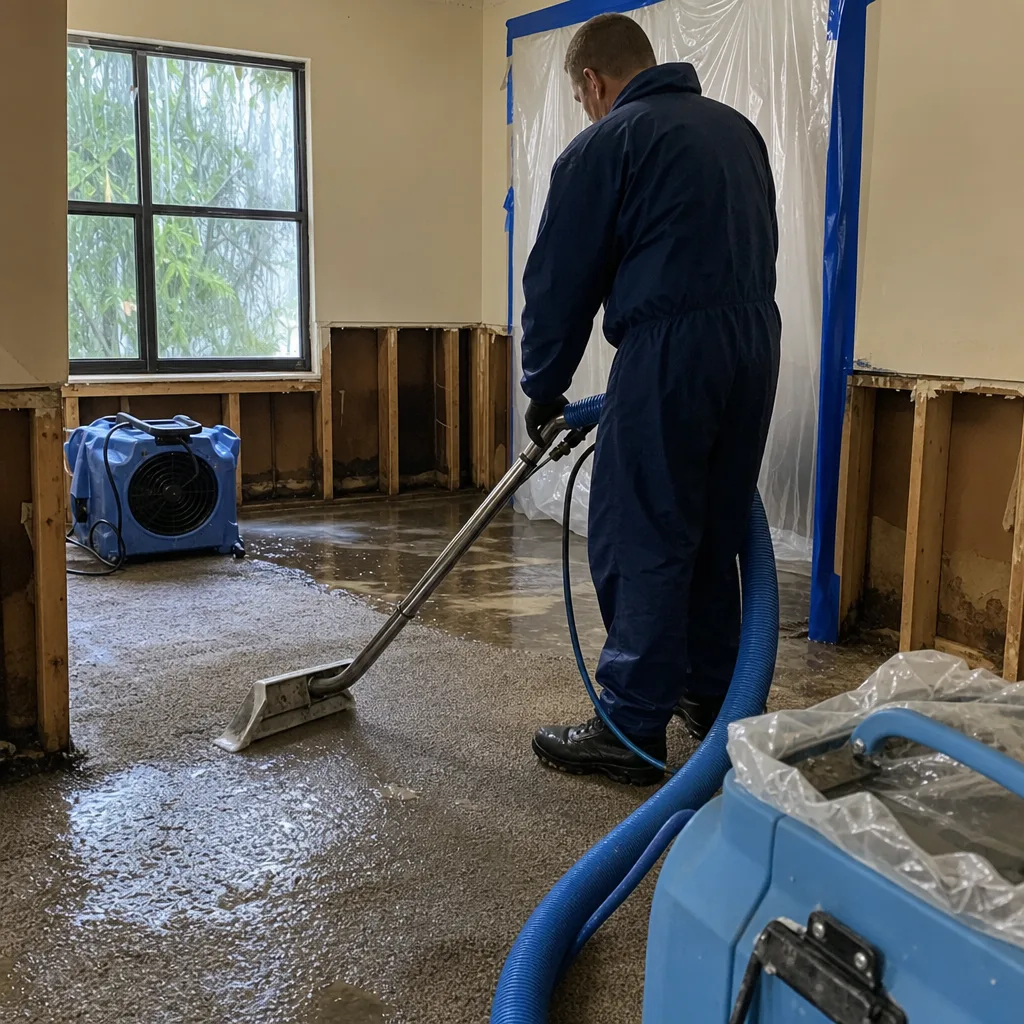
Hollywood sits on Broward County’s eastern edge, with elevations ranging from sea level to roughly 15 feet. FEMA’s Flood Insurance Rate Map panels 12011C0135F, 12011C0140F, and 12011C0145F cover the city, and the zone designation on your specific parcel changes permit requirements dramatically.
Zone X: The Simpler Path
Properties in Zone X, generally west of Interstate 95 and north of Sheridan Street, sit outside the 1% annual chance floodplain. Standard permit rules apply. Reconstruction after water damage follows normal Broward County building department procedures without additional FEMA or elevation certificate requirements.
Zone AE: The 50% Rule Applies
Zone AE covers much of central and eastern Hollywood, including neighborhoods between I-95 and the Intracoastal Waterway. These are 1% annual chance floodplains with base flood elevations determined. Here, the substantial improvement rule is active. If the cost of repairs over any ten-year period exceeds 50% of the structure’s market value, the building must be brought into compliance with current floodplain management requirements.
For a 1980s ranch in Hollywood Hills or an older home near Hollywood Beach, this can mean elevation requirements that did not exist when the house was built. The permit application must include an elevation certificate from a licensed surveyor, and the finished floor must meet or exceed the base flood elevation for the specific FIRM panel. We’ve seen homeowners discover this requirement mid-project when a contractor who skipped proper permitting faced a stop-work order. Our Damage Restoration Warning Signs: A Hollywood Homeowner’s Reference Guide can help you spot red flags before work begins.
Zone VE: Coastal High Hazard
Zone VE covers the barrier island portion of Hollywood, including areas east of the Intracoastal. These are velocity zones where wave action is a factor. The 50% rule applies, and additional requirements govern the type of construction, foundation standards, and materials. Post-damage reconstruction often requires architectural drawings stamped by a Florida-licensed design professional, not just a contractor’s sketch.
How to Check Your Zone
- Visit FEMA’s Map Service Center and search by your Hollywood address
- Download the FIRM panel for your area and locate your lot on the map
- Note the zone designation and any base flood elevation (BFE) listed
- Contact Broward County Building Code Compliance at (754) 222-3479 to confirm current requirements, as post-Hurricane Irma and Ian updates have modified some boundaries
- If you’re in AE or VE, request a preliminary substantial improvement determination before signing any reconstruction contract
In our experience, Hollywood properties built before 1992 - when Broward County adopted stricter floodplain standards - are most at risk of triggering elevation requirements. The moisture reading and drying log from our initial mitigation visit becomes part of the documentation package that establishes pre-damage condition if elevation compliance disputes arise.
Which Trades Need Separate Permits vs. a Single General Application
Broward County’s building department processes restoration permits through two main pathways. Understanding which trades trigger separate subcontractor permits prevents the delays that leave homeowners without functional kitchens or bathrooms for weeks longer than necessary.
The Single General Contractor Path
A licensed general contractor can pull a single building permit that covers structural repairs, drywall replacement, flooring installation, painting, and finish carpentry. This applies to the majority of post-water-damage reconstruction: replacing saturated wall studs, hanging new drywall, installing baseboard and trim, laying replacement flooring. The general contractor schedules all inspections under their permit number and is responsible for code compliance across all covered trades.
Trades That Require Separate Permits
These trades must be permitted separately, either by the general contractor as a named subcontractor or by the subcontractor directly:
- Electrical: Any new circuit, relocation of existing outlets or switches, panel upgrades, or replacement of flooded wiring below the established flood level. A licensed electrical contractor must pull an electrical permit, and rough-in inspection must occur before wall closure.
- Plumbing: Replacement of supply lines, drain lines, or fixtures beyond direct reconnection. A licensed plumbing contractor must pull a plumbing permit. In Hollywood’s older neighborhoods like Hollywood Lakes, galvanized supply lines that failed during a water event often require full replacement to current copper or PEX standards.
- HVAC: Replacement of air handlers, ductwork, or condensate lines. A licensed mechanical contractor must pull an HVAC permit. Post-flood air handler replacement is common in Hollywood’s slab-on-grade homes where units sit in garages or closets that took water.
- Gas: Any work on natural gas lines, including appliance reconnection after displacement. Requires a licensed gas contractor permit.
The Subcontractor Coordination Problem
Here’s where restoration projects commonly stall. A general contractor pulls the building permit, schedules drywall delivery, and discovers the electrical rough-in was never inspected because the electrician’s permit wasn’t coordinated with the main permit. The walls can’t close. The painter can’t start. The homeowner’s temporary housing allowance from their insurer runs out.
We prevent this by writing the full permit sequence into our scope before work begins, per Haven Standard, Clause 1. Each trade permit is listed with its pull date, inspection date, and dependency on prior inspections. The photo record on every visit documents inspection sign-offs. For Mold Remediation in Hollywood projects that follow water damage, this coordination is especially critical because mold clearance testing must occur before reconstruction closes the affected cavities.
Owner-Builder Permits: A Warning
Florida allows homeowners to pull their own permits as owner-builders, saving contractor markup. The catch: the owner assumes full liability for code compliance and becomes the de facto general contractor for all subcontractor coordination. In our experience, owner-builder permits work for single-trade projects like a bathroom vanity replacement. For multi-trade restoration after significant water damage, the coordination burden overwhelms most homeowners, and the resulting delays often exceed any cost savings. See our DIY vs Professional Damage Restoration: The Hollywood Homeowner’s Decision Guide for a deeper comparison. We’ve been called to projects where owner-builder permits sat open for 18 months because the homeowner never scheduled final inspection.
The Broward County Inspection Sequence for Post-Water-Damage Rebuilds
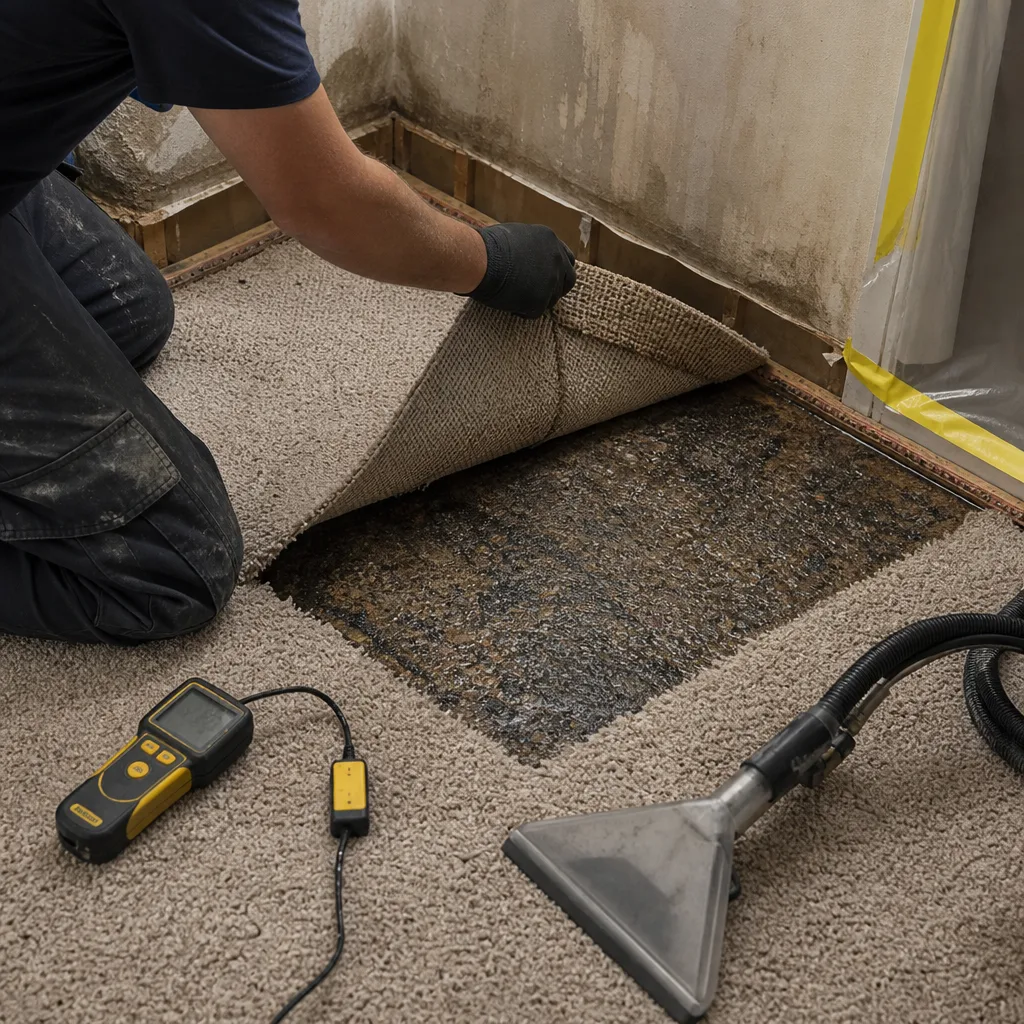
Broward County Building Code Compliance follows a specific inspection sequence for reconstruction permits. Missing a step or scheduling inspections out of order triggers re-inspection fees and project delays. Here’s the sequence we follow for typical post-water-damage rebuilds in Hollywood.
Step 1: Permit Pull and Plan Review
The general contractor or named subcontractor submits permit application with scope of work, contractor license verification, and insurance documentation. For projects over $75,000 in valuation, Broward County requires a certified copy of the contractor’s general liability insurance. Plan review for residential reconstruction typically takes 5-10 business days if no zoning variances are required.
Step 2: Foundation and Slab Inspection (If Applicable)
For projects involving slab repair, elevation, or foundation work - more common in Hollywood’s VE zone properties - a foundation inspection occurs before vertical construction begins. The inspector verifies elevation compliance against the FEMA BFE and the approved plans.
Step 3: Rough-In Inspections (Critical Path)
This is the inspection sequence that most often delays projects. Rough-in inspections must occur before insulation and drywall close the wall cavities:
- Electrical rough-in: Inspector verifies circuit routing, box placement, grounding, and GFCI protection in wet locations. All outlets within 6 feet of a sink or in garages must be GFCI-protected under current NEC adoption.
- Plumbing rough-in: Inspector verifies supply line materials (copper, PEX, or approved alternative), drain slope, venting, and fixture location compliance with IPC standards.
- Mechanical rough-in: Inspector verifies ductwork sizing, return air pathways, and condensate drainage. In Hollywood’s humid climate, proper condensate drainage prevents the secondary moisture problems that lead to Mold Remediation in Hollywood calls six months later.
Each rough-in requires 24-hour notice to the inspector. Failed inspections require correction and re-inspection, typically adding 3-5 business days per cycle. We build 10 business days of rough-in inspection buffer into every reconstruction schedule.
Step 4: Insulation and Drywall Inspection
After all rough-ins pass, insulation is installed and inspected for R-value compliance and vapor barrier placement. Then drywall hangs and receives a pre-finish inspection for fastening pattern and fire-rated assembly compliance where required.
Step 5: Final Inspection and Certificate of Completion
The final inspection verifies finished work against approved plans, including operational testing of electrical, plumbing, and HVAC systems. Upon passing, Broward County issues a Certificate of Completion or Certificate of Occupancy, depending on project scope. This document is what closes the permit in the county’s system and removes the open-permit flag from property records.
Requesting Rough-In Before Walls Close
Homeowners and contractors can request rough-in inspection scheduling through Broward County’s online portal or by calling (754) 222-3479. We recommend requesting the earliest available slot as soon as the preceding inspection passes, not when the trade work is complete. The portal shows real-time availability, and morning slots in Hollywood’s district typically fill 5-7 days in advance.
Why a Closed Permit Is Documentation, Not Just Bureaucracy
The permit process feels like bureaucracy when you’re living in temporary housing and waiting for your kitchen back. But the closed permit and final inspection report function as documentation assets with real financial value. This is where our documentation-first philosophy, born from Alicia Brennan’s background as a claims adjuster, diverges from competitors who treat permits as an afterthought.
The Title Search Problem
Florida is a disclosure state for real estate transactions. Sellers must disclose known defects, and buyers’ title searches increasingly include open-permit and unpermitted-work searches through third-party services like BuildingFoothold and PermitDocs. An open permit from a 2022 water damage repair that never received final inspection will surface in a 2025 title search. The standard purchase contract used by most Florida Realtors includes a clause allowing buyers to request permit closure as a closing condition.
We’ve been called to Hollywood homes where the seller’s “quick” repair from three years prior now requires reopening walls, re-inspecting electrical, and paying re-inspection fees to close the permit before closing can proceed. The $800 permit the original contractor skipped now costs $4,000 in reopening work and delays a $650,000 sale.
The Future Insurance Claim
Insurance adjusters review prior loss documentation when evaluating new claims. A closed permit with final inspection for a 2023 pipe burst repair establishes that the repair was performed to code and that subsequent damage is genuinely new, not recurring from improper initial repair. We’ve seen claims denied because the adjuster could not verify that prior water damage was properly remediated. The permit file, with its inspection photos and sign-offs, provides that verification.
The Warranty Chain
Our 365-Day Done Right Promise under The Haven Standard covers workmanship defects. But warranty coverage requires that work was performed within permitted scope. If we replace drywall over unpermitted electrical work performed by another contractor, our warranty covers the drywall, not the underlying electrical. The closed permit on the electrical work establishes the warranty boundary clearly.
What Homeowners Should Request
At project completion, request these documents from your contractor and store them with your insurance policy:
- Final inspection report or Certificate of Completion from Broward County
- Contractor’s final invoice with permit number referenced
- Photo documentation of completed work (we provide this as standard)
- Any elevation certificates or floodplain compliance documentation for AE/VE zone work
- Warranty documents with permit numbers referenced for traceability
How Permits and Inspections Affect Your Insurance Claim
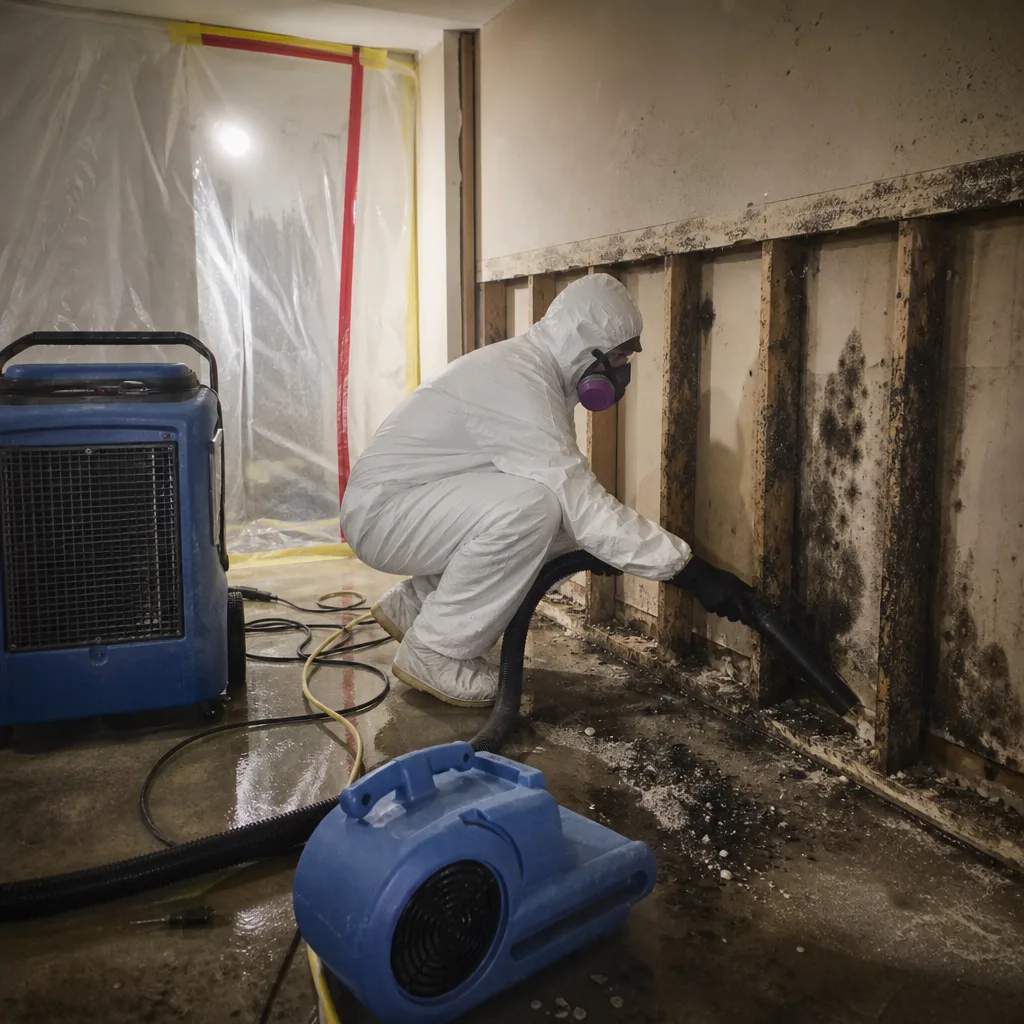
Insurance adjusters evaluate restoration claims against two standards: the policy’s coverage terms and the reasonableness of the scope. Permits and inspections influence both, and understanding that influence helps homeowners avoid the common adjuster disputes we see in Hollywood claims.
When Insurance Requires Permits
Most standard HO-3 and HO-5 policies do not explicitly require permits for covered repairs. However, policy language typically requires repairs to be performed “in a workmanlike manner” and to “comply with applicable building codes.” In practice, this means that code-compliant work requires permits where the code requires them, and the insurer’s obligation to pay “replacement cost” extends to permit fees and inspection costs as part of the covered repair.
The dispute arises when adjusters apply “actual cash value” depreciation to permit costs or exclude them as “soft costs” unrelated to physical repair. We document permit requirements explicitly in our written scope, with Florida Building Code citations, to support inclusion in the claim. Our daily drying logs and photo records establish that the physical damage necessitated the permitted reconstruction scope.
The Code Upgrade Coverage
Standard policies exclude “enforcement of any ordinance or law” requiring upgrades beyond direct replacement. However, most insurers offer Ordinance or Law coverage as an endorsement, typically at 10%, 25%, or 50% of dwelling coverage. In Hollywood’s AE and VE zones, where the 50% substantial improvement rule may trigger elevation requirements, this endorsement can be the difference between a fully funded rebuild and a homeowner facing tens of thousands in out-of-pocket elevation costs.
We review our clients’ policy declarations at the initial assessment to identify Ordinance or Law coverage limits. If the policy lacks this endorsement and the property is in a flood zone, we flag the exposure in writing so the homeowner can make an informed decision about reconstruction scope.
Direct Adjuster Coordination
Our documentation package - written scope, photo record, drying logs, and permit documentation - is formatted for direct submission to adjusters. We’ve found that adjusters who receive complete documentation with code citations process claims faster and dispute fewer line items. The permit documentation, in particular, preempts the adjuster’s need to independently verify code compliance, which is the most common source of scope reductions.
For Fire & Smoke Damage Restoration in Hollywood, permit documentation serves an additional function: establishing pre-loss condition for smoke and water damage that may not be immediately visible. The approved permit scope becomes the baseline against which hidden damage discoveries are measured.
Common Mistakes to Avoid
- Assuming mitigation and reconstruction are the same permit category. They are not. Mitigation is typically exempt; reconstruction is not. Contractors who blur this distinction in their scopes set homeowners up for unpermitted-work discoveries later.
- Skipping elevation certificate research in AE/VE zones. Hollywood properties east of I-95 should verify FEMA zone before signing reconstruction contracts. The 50% substantial improvement rule has triggered elevation requirements on repairs that homeowners expected to be routine.
- Letting a contractor work under an open permit from a prior owner. Permits are non-transferable between owners for ongoing work. A prior owner’s kitchen remodel permit cannot cover your water damage reconstruction, even if it’s the same contractor.
- Failing to schedule rough-in inspections before wall closure. This is the most common delay in Broward County restoration projects. Once drywall is hung over uninspected electrical, the reopening cost exceeds the original inspection would have cost by a factor of ten.
- Accepting verbal assurance that permits were “taken care of.” Verify permit status through Broward County’s online permit search using your address. A legitimate permit appears within 48 hours of pull. If it’s not in the system, it doesn’t exist.
- Ignoring the ten-year cumulative cost tracking for substantial improvement. Keep records of all permitted work and insurance claim payments. We’ve seen Hollywood homeowners trigger the 50% rule with a 2018 roof claim, 2021 water damage repair, and 2024 hurricane damage taken together.
- Not requesting final inspection sign-off before final payment. The Certificate of Completion is your proof that work passed inspection. Contractors who pressure for final payment before final inspection may lack confidence that the work will pass, or may never intend to schedule it.
When to Call a Professional
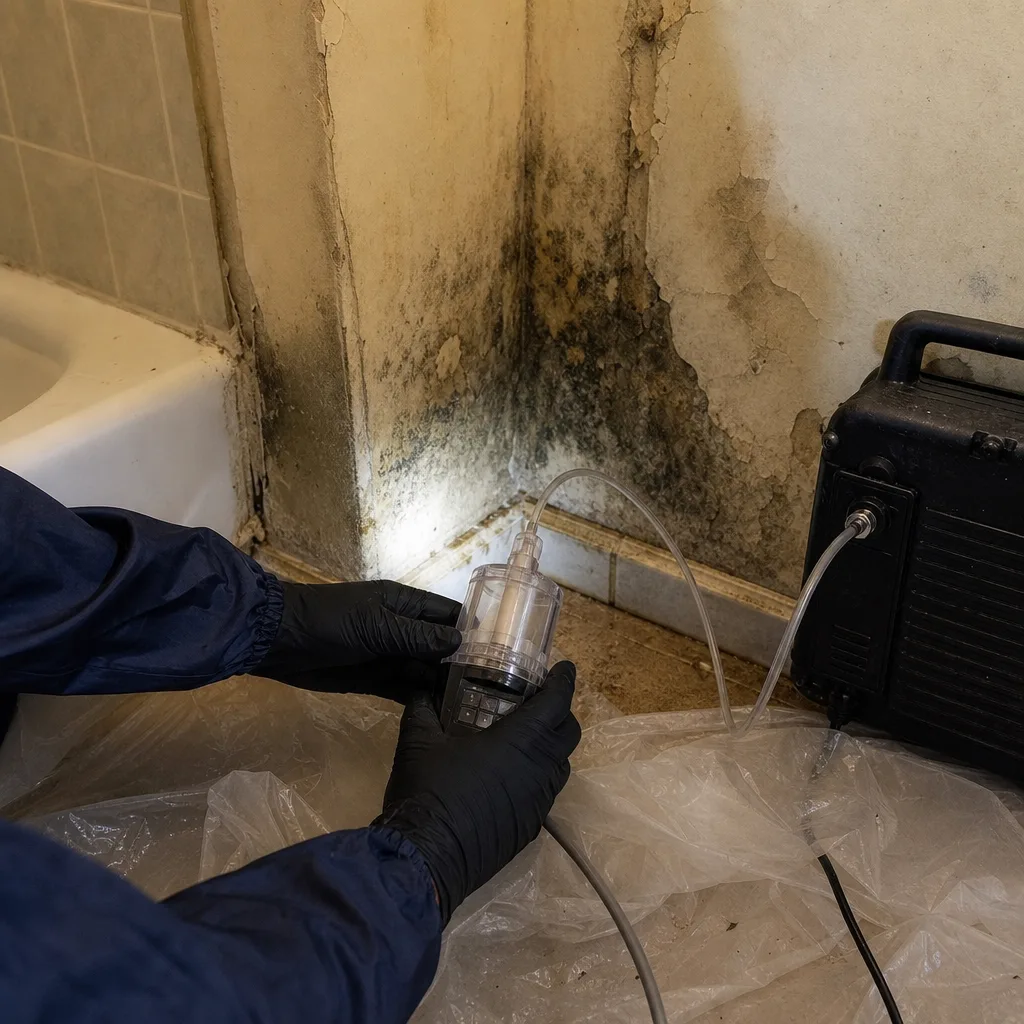
Call a licensed restoration contractor when water damage has affected structural elements, when your property is in a FEMA AE or VE flood zone, or when any electrical, plumbing, or HVAC systems require repair. Not sure how to choose? Read How to Hire a Damage Restoration Contractor in Hollywood: A Step-by-Step Guide first. The permit coordination burden in these scenarios exceeds what most homeowners can manage without project delays that compound temporary housing costs and insurance coverage limits.
DryMark Restoration Hollywood offers free estimates in Hollywood, and our written scope includes permit requirements, inspection sequencing, and cost before any work begins. If you’ve received another contractor’s estimate and want a second opinion on whether permits were properly addressed, we review competitor quotes at no charge. Call (754) 222-3479.
Frequently Asked Questions
No. Water extraction, structural drying with professional dehumidification equipment, and selective demolition to access wet cavities are classified as maintenance and repair under Florida Building Code Section 105, and do not require permits. The permit requirement triggers when you enter reconstruction: replacing wall studs, drywall, electrical, plumbing, or HVAC components. Call (754) 222-3479 if you’re unsure where your project sits on that line - we’ll assess and document it in writing at no charge.
Enter your address at FEMA’s Map Service Center and download the Flood Insurance Rate Map panel for your area. Hollywood properties in Zone X generally face standard permit rules. Properties in Zone AE or VE, which include much of the area between I-95 and the Atlantic, are subject to the 50% substantial improvement rule that may require elevation certificates and floodplain compliance upgrades. Broward County Building Code Compliance at (754) 222-3479 can confirm current requirements for your specific parcel.
A licensed general contractor can pull a single building permit that covers structural, drywall, flooring, and finish work. However, electrical, plumbing, HVAC, and gas work each require separate permits pulled by licensed subcontractors in those trades. The general contractor coordinates these as part of the overall project, but the permits remain separate in Broward County’s system. Our written scope lists every required permit and its pull schedule before work begins.
Buyers’ title searches increasingly flag open permits, and Florida’s standard real estate contract allows buyers to request permit closure as a closing condition. An open permit typically requires reopening completed work for inspection, paying re-inspection fees, and potentially correcting code violations that weren’t caught initially. We’ve seen this add $3,000-$8,000 and 4-6 weeks to home sales. The preventive solution is ensuring every restoration project receives final inspection and Certificate of Completion before the contractor’s final payment.
Standard policies cover permit and inspection costs as part of code-compliant repair, though some adjusters initially classify these as “soft costs” and apply depreciation. The key is documenting that permits are required by applicable building code, not optional. Our scopes include Florida Building Code citations to support inclusion. If your property is in an AE or VE flood zone and the 50% rule triggers elevation requirements, you’ll need Ordinance or Law coverage on your policy to cover the elevation costs beyond direct replacement.
Plan review for residential reconstruction typically takes 5-10 business days. The inspection sequence adds 15-25 business days depending on trade coordination and whether any inspections require re-inspection. We build 30 calendar days of permit and inspection time into our reconstruction schedules for Hollywood projects, with 10 days of buffer for rough-in inspection scheduling. Rush scheduling is sometimes available for emergency habitability cases, but Broward County does not guarantee expedited processing.
Keep the Certificate of Completion or Certificate of Occupancy from Broward County, the contractor’s final invoice with permit numbers referenced, photo documentation of completed work, any elevation certificates, and warranty documents. Store these with your insurance policy and property records. This documentation establishes code-compliant repair for future claims, supports your position in any warranty dispute, and prevents open-permit complications when you sell. We provide the photo record and warranty documentation as standard deliverables on every job.
The Bottom Line
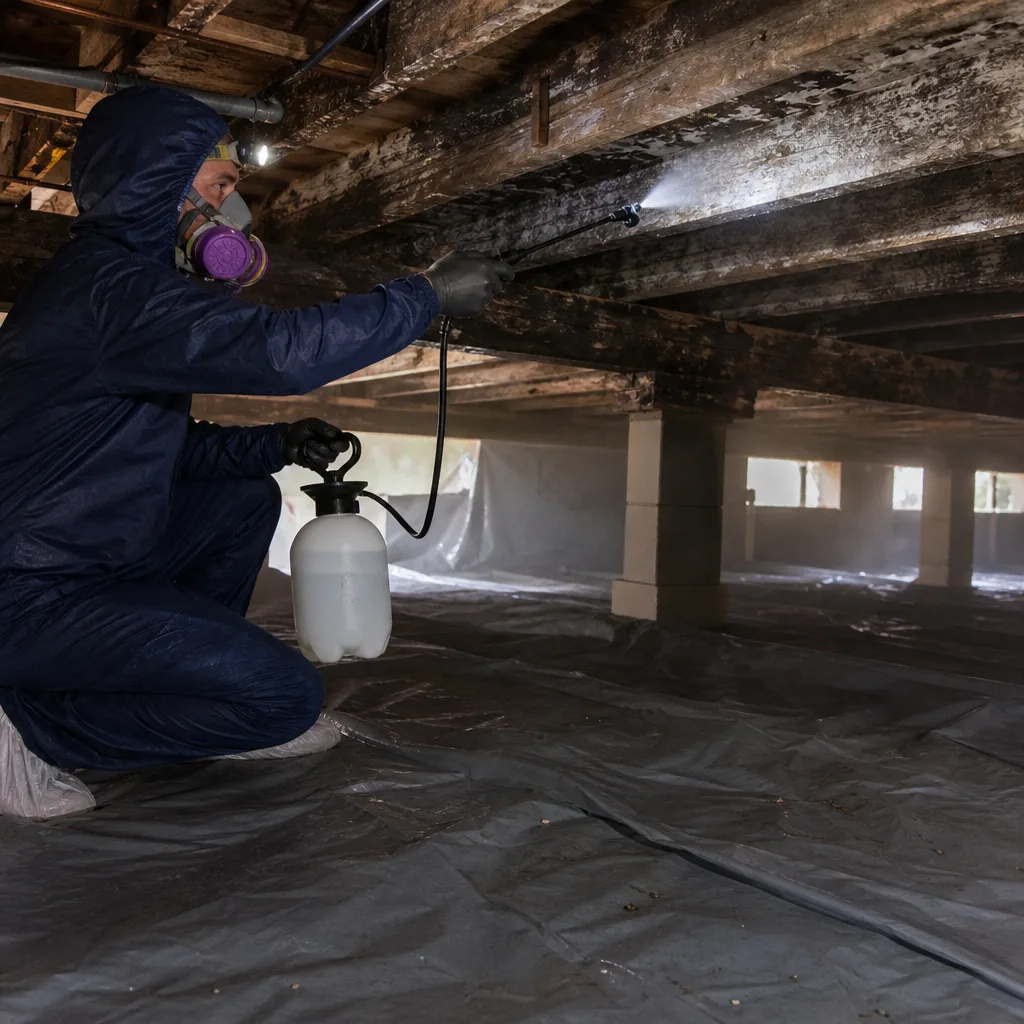
Florida’s restoration permit rules are navigable once you understand the mitigation-reconstruction boundary and your property’s flood zone designation. In Hollywood, that means knowing whether you’re in Zone X, AE, or VE before signing a reconstruction contract, coordinating rough-in inspections before walls close, and treating the closed permit as documentation with lasting value. The contractors who skip permits to save time create liabilities that surface years later. The ones who document every step, permit included, give homeowners evidence that outlasts the repair itself.
Written by Alicia Brennan, Owner at DryMark Restoration Hollywood, serving Hollywood since 2011.