
Last updated September 23, 2026
Free visual inspection and a written scope of work before any mitigation begins - photos, moisture readings, and drying logs go in your claim file
The scope we write is the scope we bill. Anything new gets shown to you, in writing, before we touch it.
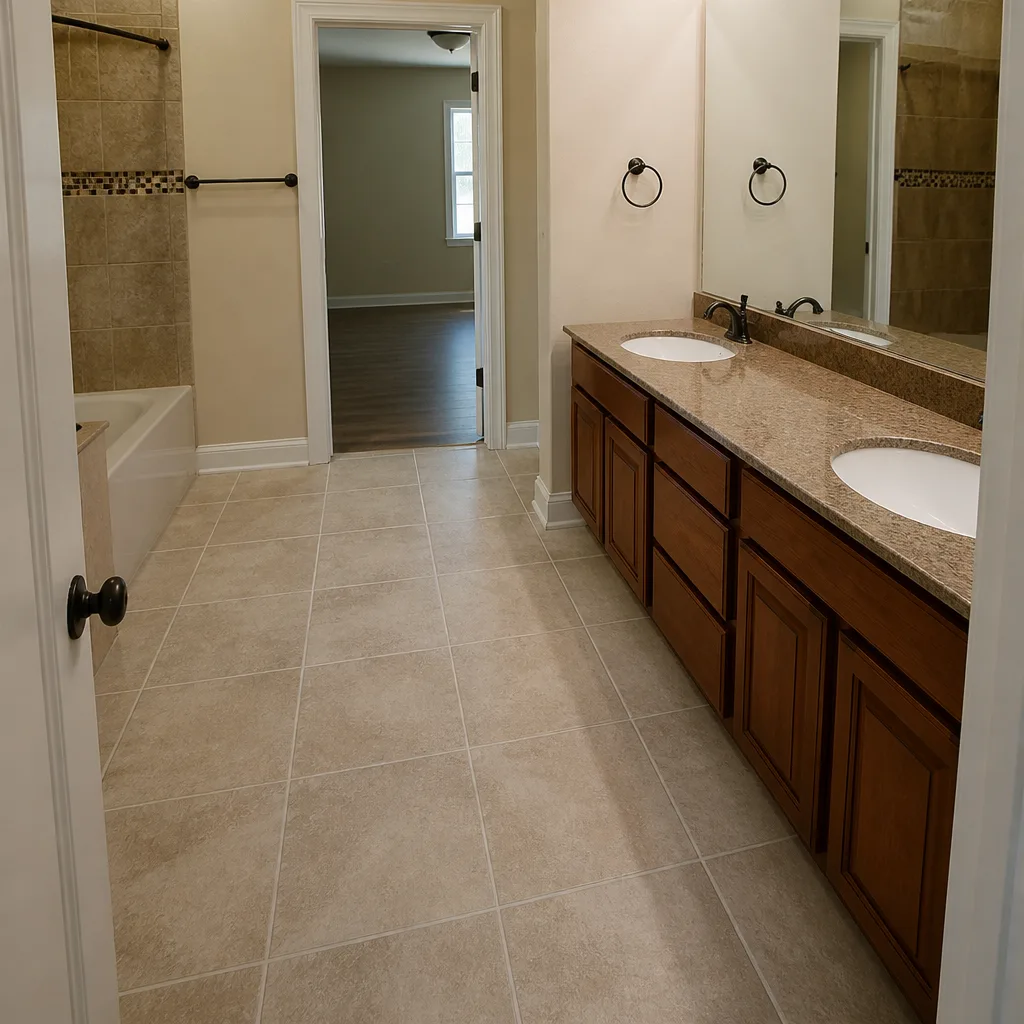
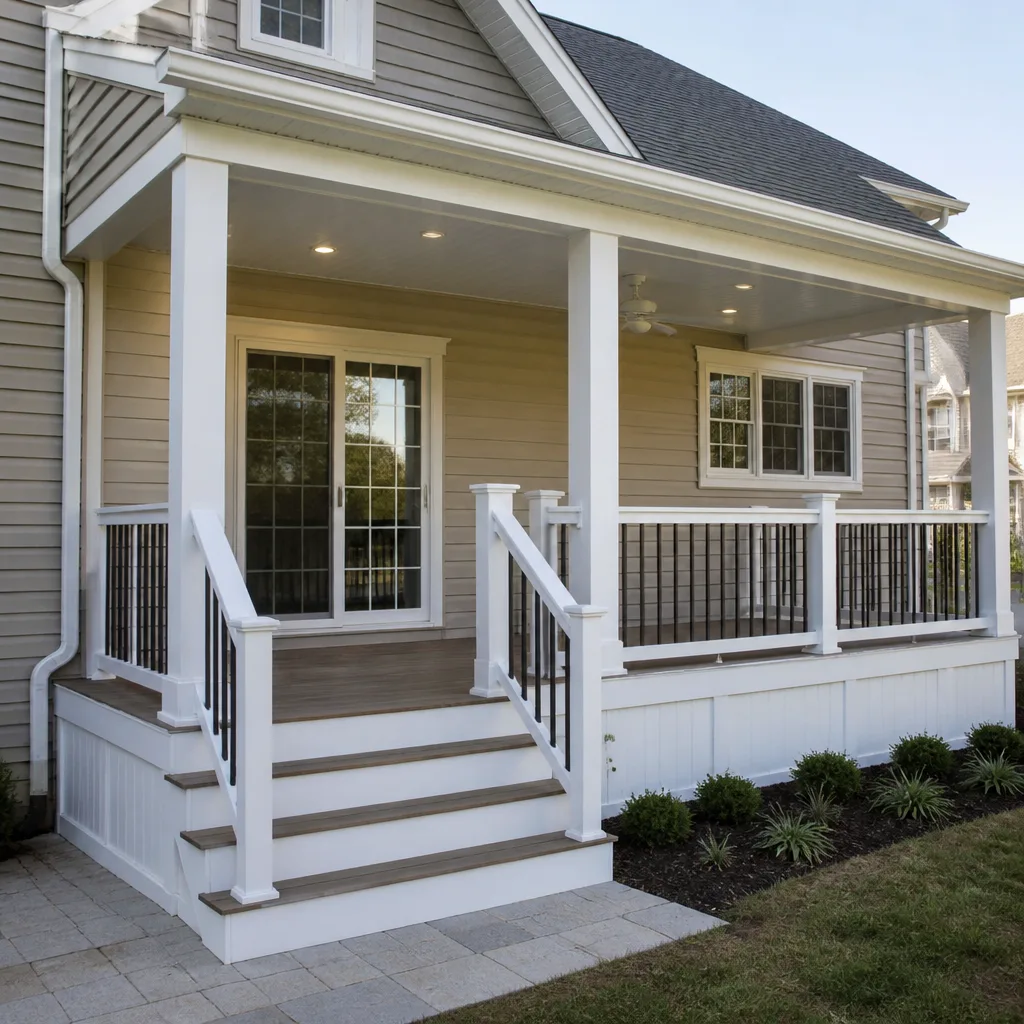
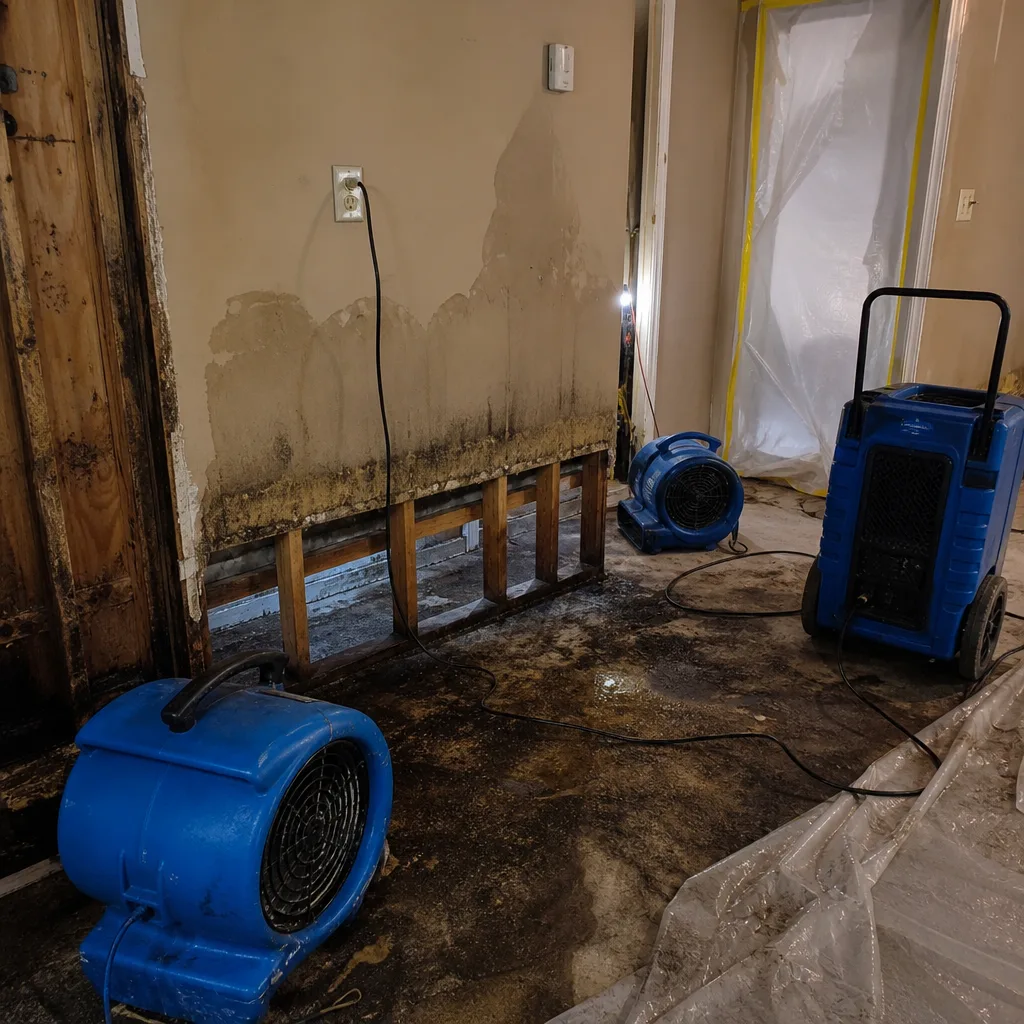 Before
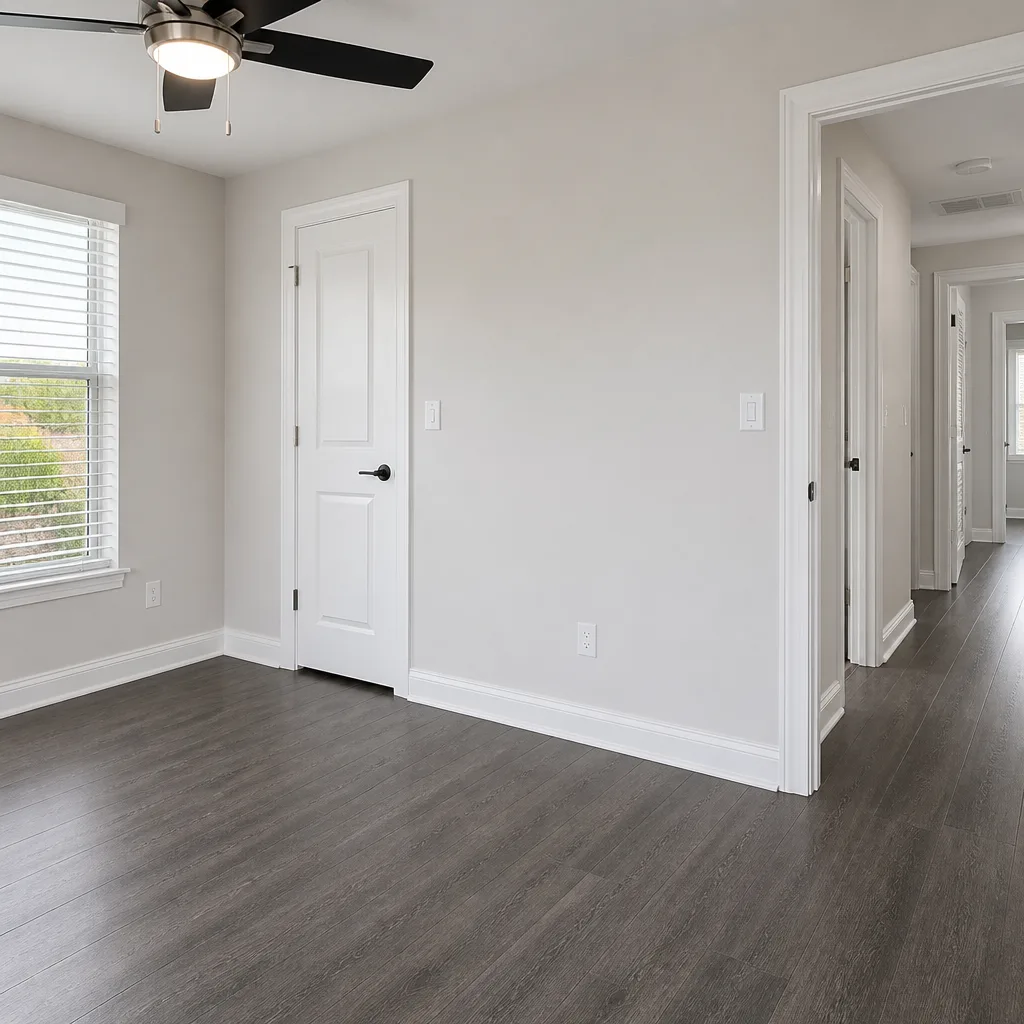 After
After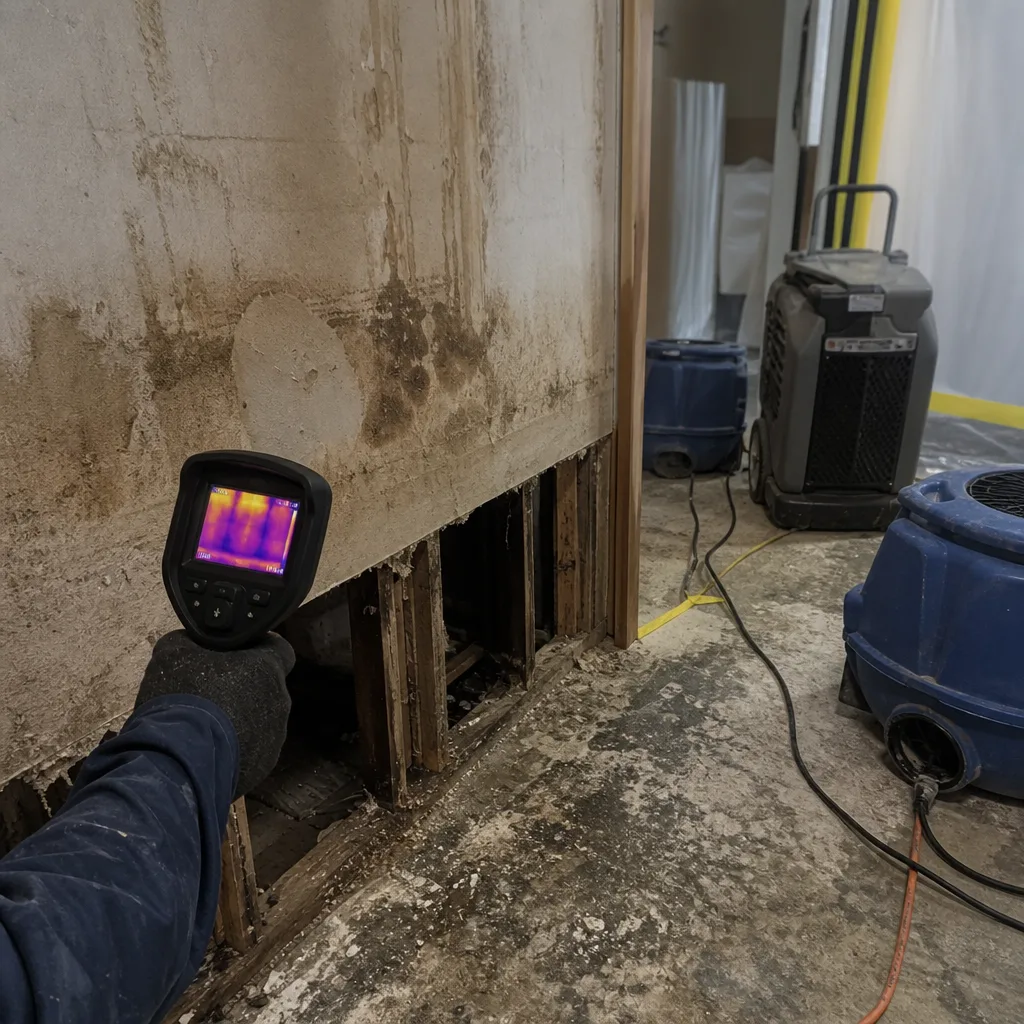 Before
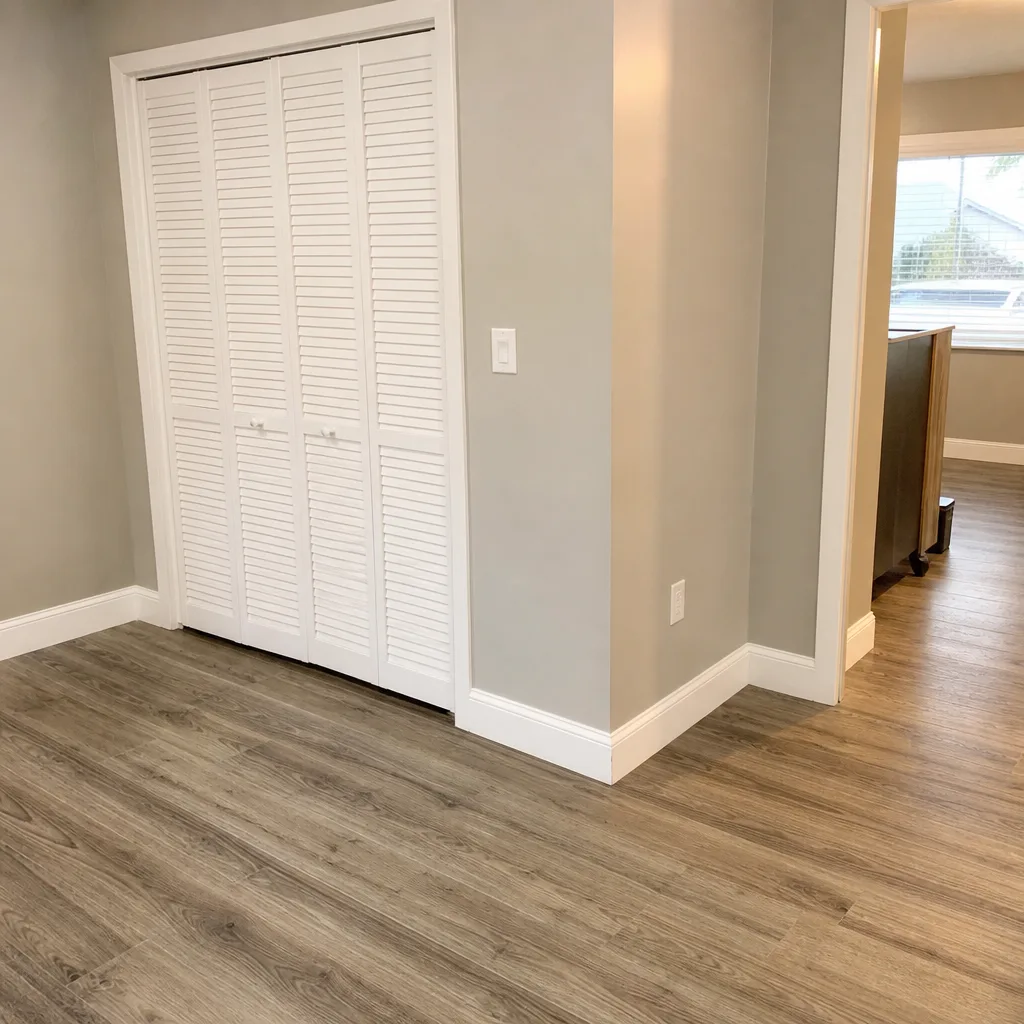 After
After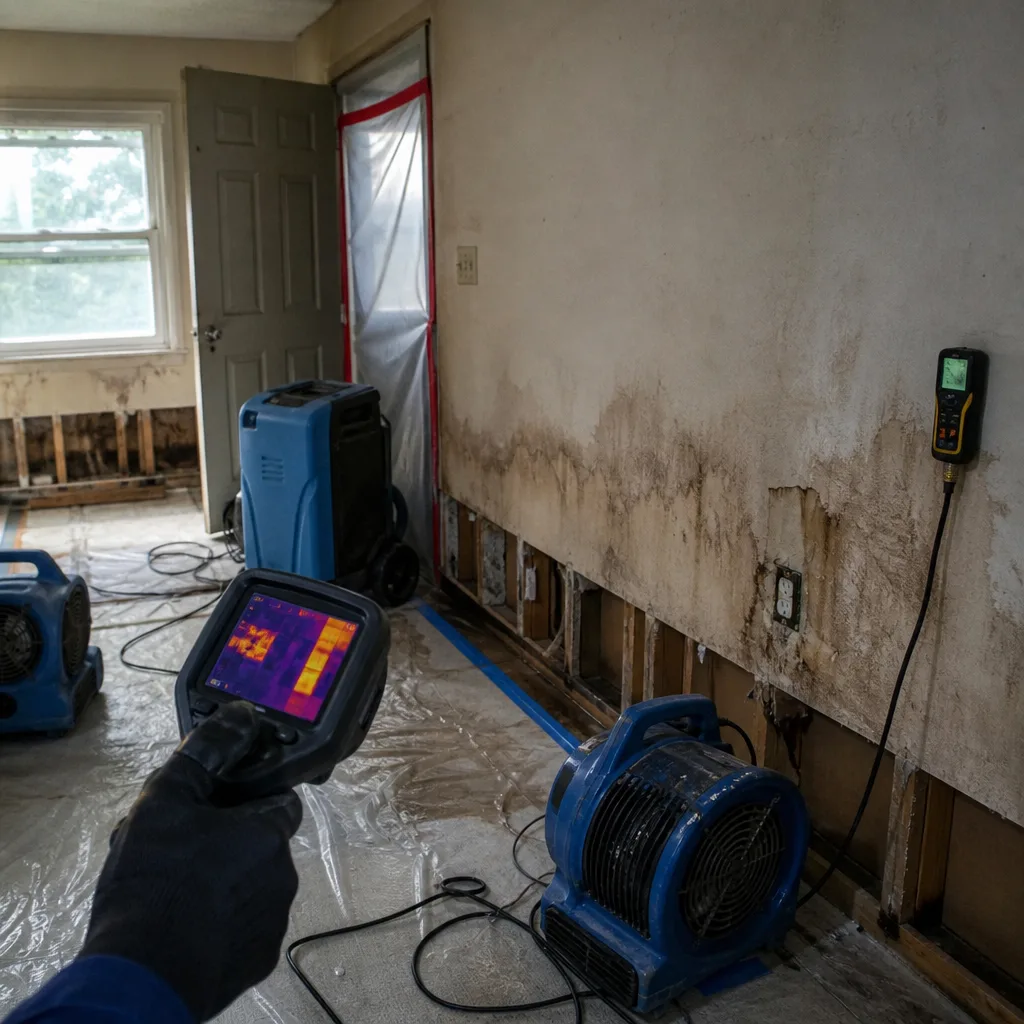 Before
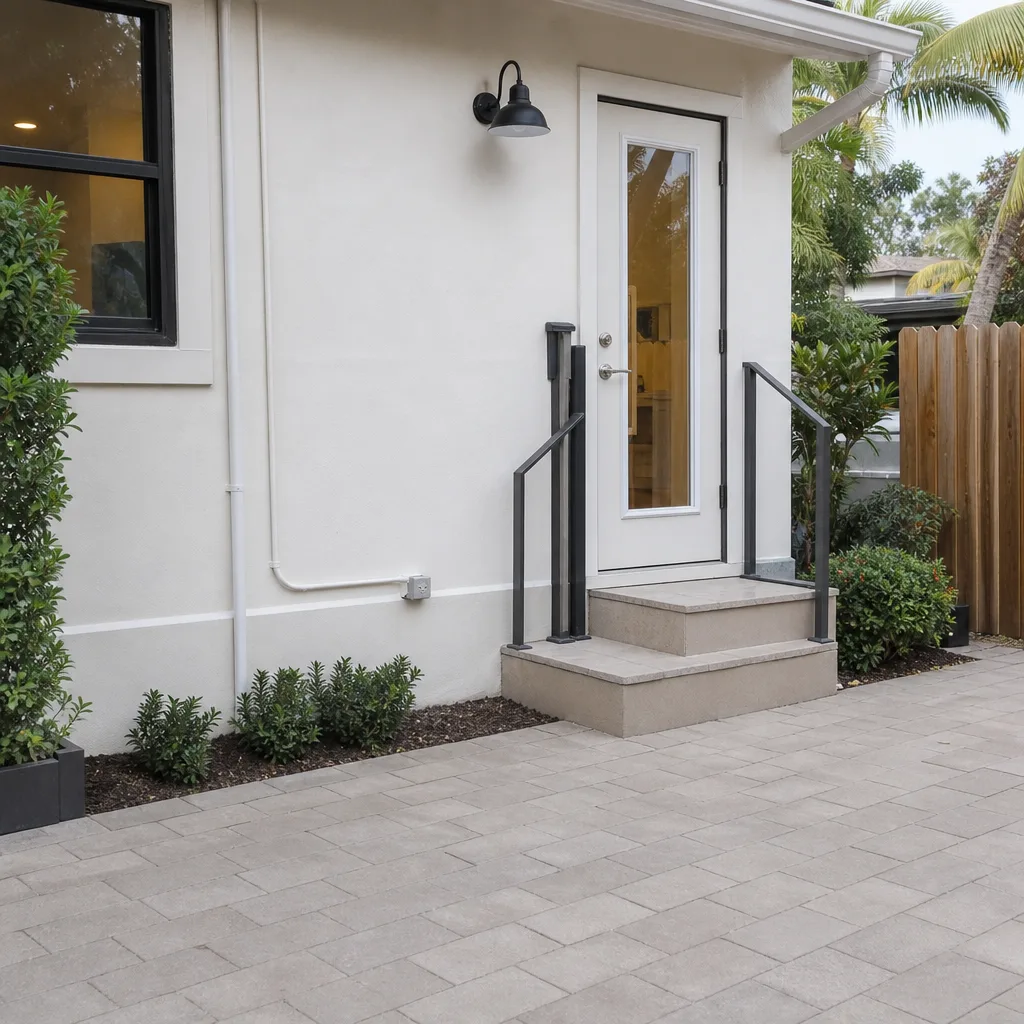 After
AfterWater Damage Restoration Maintenance Checklist for Hollywood Homeowners
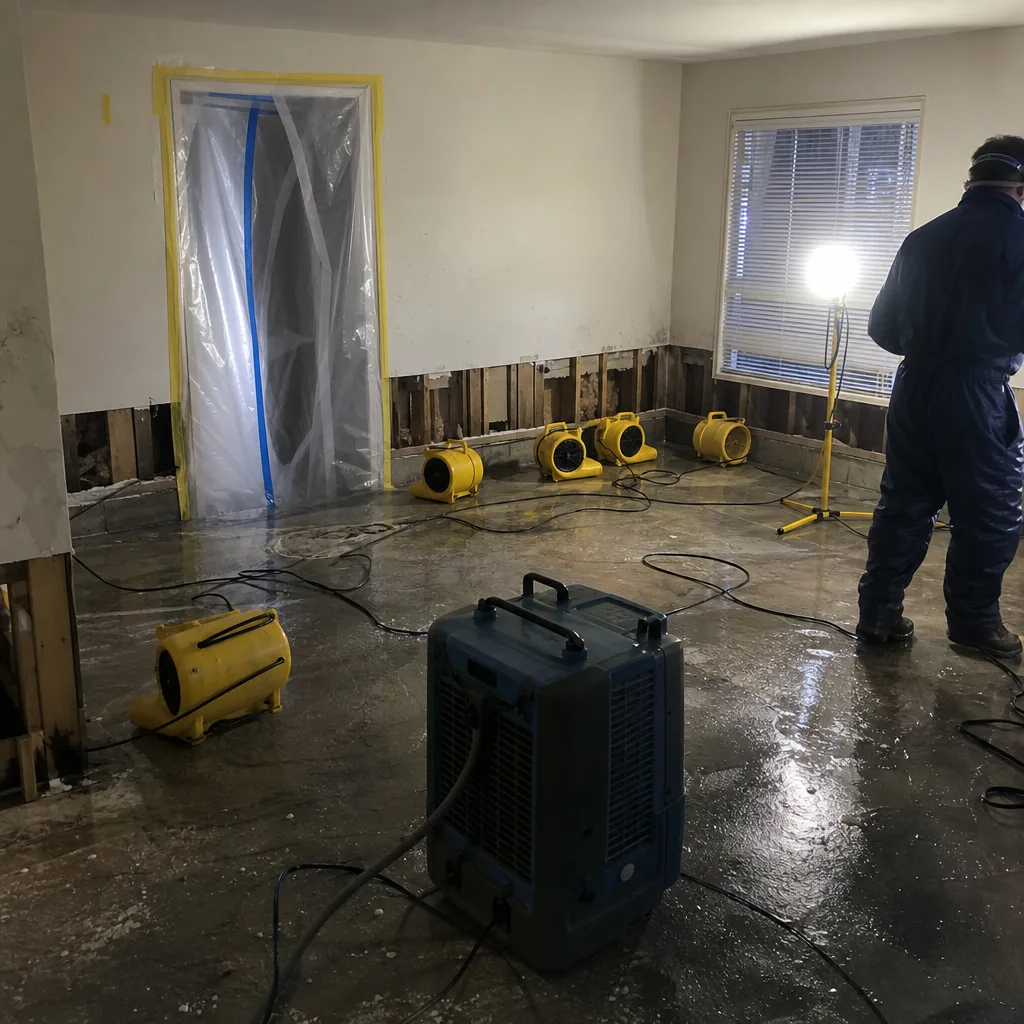
Most water damage claims in Hollywood are denied or reduced not because the damage didn’t happen, but because the homeowner cannot prove the loss was sudden and not the result of long-term neglect. In our experience restoring over 12,000 homes since 2011, the difference between a paid claim and a disputed one often comes down to a single photo dated six months earlier, or a moisture log showing the house was maintained within acceptable parameters. Hollywood’s flat topography, prolonged wet season from May through October, and year-round air conditioning load create a specific maintenance profile that generic checklists miss entirely. This guide, alongside our Complete Guide to Damage Restoration in Hollywood, gives you measurable pass/fail thresholds, room-by-room humidity benchmarks, and a documentation protocol that produces admissible pre-loss records.
Quick Answer
A defensible water damage prevention checklist for Hollywood homeowners includes maintaining indoor relative humidity between 45-55% year-round, ensuring all drainage slopes carry water away from foundation at 6 inches of drop per 10 feet of run, inspecting roof penetrations quarterly with dated photo documentation, and servicing AC condensate systems every 90 days during operation. Each item should be recorded with a date-stamped photograph and stored in cloud backup, creating a maintenance log that insurers recognize as credible pre-loss evidence.
Table of Contents
- Room-by-Room Humidity Benchmarks for Hollywood’s Climate
- Roof-to-Foundation Drainage Inspection Sequence
- AC Condensate and Air Handler Maintenance
- How to Photograph and Date-Stamp Maintenance Checks
- Interior Plumbing and Appliance Checks
- Seasonal Maintenance Calendar for Hollywood
- When DIY Documentation Needs a Licensed Inspector
- Common Mistakes to Avoid
 Before
 After
AfterRoom-by-Room Humidity Benchmarks for Hollywood’s Climate
Hollywood’s coastal location means outdoor relative humidity routinely hits 85-90% from June through September, and rarely drops below 70% even in January. A home without active moisture management will drift toward ambient conditions within 48 hours of HVAC failure. The IICRC S500 standard for water damage restoration defines Category 1, 2, and 3 water by contamination level, but the precursor to all three categories is sustained humidity above 60% RH, which activates dormant mold spores and begins wood decay in 72-96 hours.
We use psychrometric data, the measurement of air’s moisture-holding capacity at specific temperatures, to set drying goals on every job. Homeowners can apply the same principle with a $25 digital hygrometer. The vapor pressure differential, the difference between moisture in the air and moisture in materials, drives whether your drywall is absorbing or releasing water. In Hollywood’s climate, you want that differential working in your favor.
Target ranges by room and season:
| Location | May-October | November-April | Measurement frequency |
|---|---|---|---|
| Living areas | 45-50% RH | 40-50% RH | Weekly |
| Kitchens | 45-50% RH | 40-50% RH | Weekly |
| Bathrooms (post-ventilation) | <55% RH within 30 min | <50% RH within 30 min | After each shower |
| Bedrooms | 45-50% RH | 40-50% RH | Weekly |
| Closets and interior rooms | 40-50% RH | 35-45% RH | Bi-weekly |
| Garage | <60% RH | <55% RH | Weekly |
| Attic (if conditioned) | 50-55% RH | 45-50% RH | Monthly |
| Crawl space | <60% RH | <55% RH | Monthly |
Readings above these thresholds for more than 48 hours indicate either an HVAC capacity problem, an envelope breach, or a hidden moisture source. In Hollywood’s older neighborhoods like Hollywood Lakes and Emerald Hills, we’ve found that original jalousie windows and unsealed concrete block walls often allow vapor migration that overwhelms standard residential dehumidification. A reading of 62% RH in a closet for three consecutive days is not “a little humid.” It’s a documented condition that supports mold growth and will be cited by an adjuster as evidence of long-term maintenance failure if damage later occurs.
Record each reading with the date, time, room, and outdoor conditions. The Water Damage Restoration in Hollywood page outlines how we use similar data to establish drying protocols on active losses.
Roof-to-Foundation Drainage Inspection Sequence
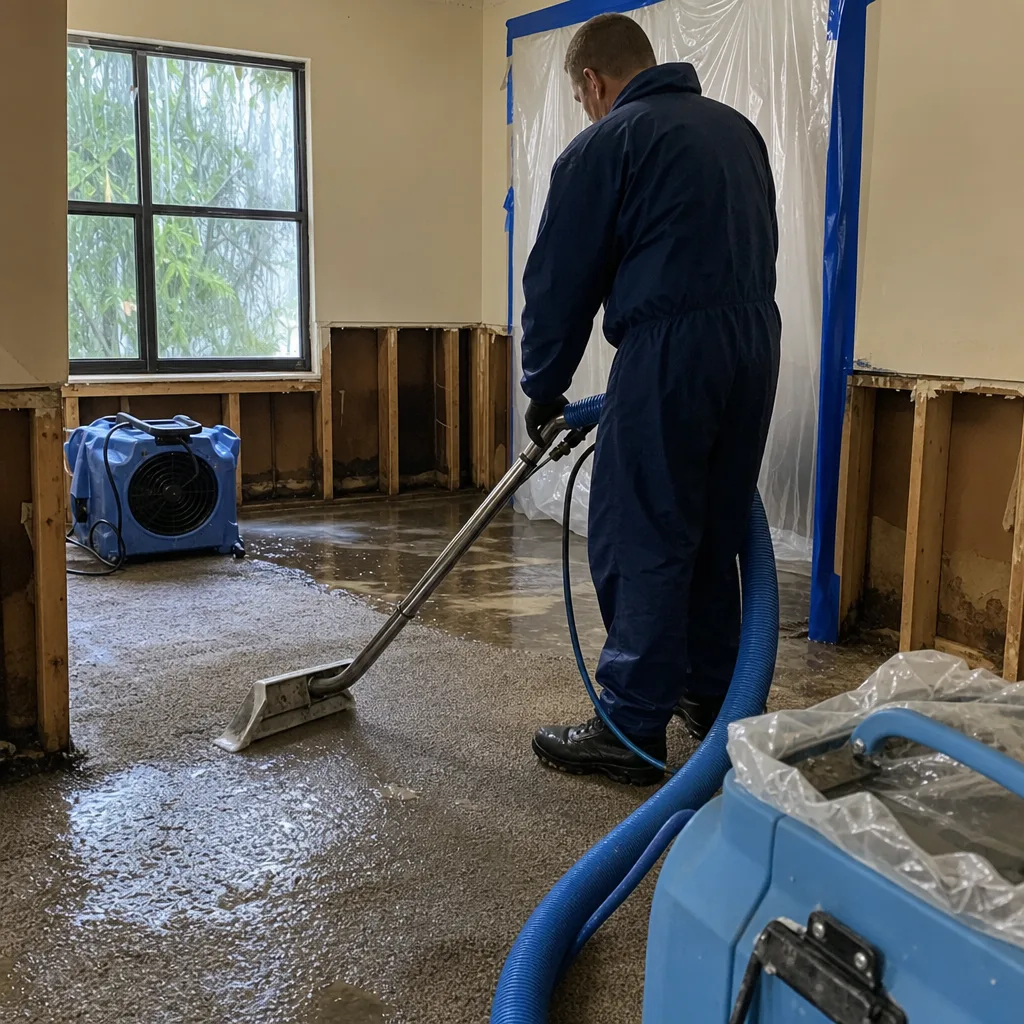
Hollywood’s flat lot topography is a drainage problem disguised as buildable land. The city sits on a coastal plain with minimal natural grade, and many subdivisions were graded with just enough slope to meet code minimums that predate modern storm intensity. When a summer cell drops three inches in ninety minutes, water has nowhere to go but toward your foundation if the drainage sequence has any failure point.
We inspect this sequence from top to bottom on every storm-related call. Homeowners should do the same quarterly, with particular attention before June 1 and after any named storm.
Step 1: Roof surface and penetrations
Inspect shingles or membrane for lifting, cracking, or granule loss. Check all penetrations, vents, skylights, and chimney flashings. In Hollywood, the UV load and salt air degrade sealants faster than inland climates. A flashing that looked sound in March can be gapped by August. Pass/fail: no visible gaps, no cracked sealant, no debris accumulation in valleys.
Step 2: Gutters and downspouts
Clear all debris. Test flow with a hose at each downspout. Verify downspouts are secured and terminate at least six feet from foundation or connect to subsurface drainage. In Hollywood’s dense neighborhoods like Downtown Hollywood and Driftwood, many homes have downspouts that discharge directly onto planting beds against the foundation. This is a fail condition.
Step 3: Surface grading
Measure slope from foundation wall to grade break. Acceptable: 6 inches of vertical drop per 10 horizontal feet, extending at least 10 feet from structure. Hollywood’s flat lots often achieve this only with engineered swales or retaining walls. If you can place a level on the ground and it reads level within 6 feet of your foundation, you have a fail condition that will pool water during sustained rain.
Step 4: Hardscape and permeability
Check that patios, walkways, and driveways drain away from structure. Sealed pavers or concrete that slope toward the house act as collection surfaces. In Hollywood’s summer storms, a 1,000-square-foot patio sheds 625 gallons per inch of rain. If that water is directed at your foundation, your sump pump or French drain is being asked to handle a volume it was not designed for.
Step 5: Foundation perimeter and drainage infrastructure
Inspect for cracks, efflorescence (white mineral deposits indicating water migration through concrete), or standing water. If you have a French drain, test it by flooding the collection area and confirming discharge. In Hollywood’s high water table areas, particularly east of Federal Highway, we’ve found that perimeter drains installed in the 1980s and 1990s are often collapsed or silted. A drain that doesn’t flow is worse than no drain, because it creates a false sense of security.
Document each step with photographs showing the measurement, the condition, and the date. This sequence, performed quarterly and stored in dated folders, creates a defensible record that the home was maintained to prevent water intrusion.
AC Condensate and Air Handler Maintenance
South Florida air conditioning systems operate 10-12 months annually, producing condensate at rates that surprise most homeowners. A three-ton residential unit generates 2.5-3.5 gallons of condensate per hour at design conditions. That water must go somewhere, and in Hollywood homes, the somewhere is too often the ceiling cavity or wall cavity when maintenance lapses.
The condensate line is the most common source of avoidable water damage we respond to in Hollywood. It’s also the most commonly denied claim category, because insurers classify condensate overflow as maintenance-related rather than sudden and accidental.
Monthly checks during operation (March through November minimum):
- Verify condensate line flow at the exterior termination. You should see steady dripping when the AC is running. No flow means a blockage. Intermittent flow means partial blockage or improper trap design.
- Inspect the condensate pan inside the air handler for cracks, rust, or standing water. In Hollywood’s salt air, galvanized pans corrode through in 8-12 years. A pan with any visible deterioration is a fail condition.
- Check the float switch, the safety device that should shut the system down if the primary drain fails. Test by lifting the float manually while the system runs. If the unit doesn’t shut off within 30 seconds, the switch has failed.
- Examine the air handler platform or stand for level. A tilted handler drains incompletely, leaving standing water that breeds microbial growth and can overflow the pan rim.
Quarterly deep maintenance:
- Pour one cup of white vinegar through the condensate line to dissolve algae and biofilm. Hollywood’s warm condensate is an ideal growth medium, and we’ve extracted lines completely occluded with fungal mass.
- Inspect the evaporator coil for frost or ice, which indicates airflow problems that can cause pan overflow when the ice melts.
- Verify that secondary drain lines, where present, terminate in a visible location and are not capped or redirected into wall cavities. We’ve seen “creative” installations in Hollywood condos where the secondary line was routed into a neighboring unit’s space.
The air handler location matters for documentation. Attic-mounted handlers in Hollywood ranches and mid-century homes produce catastrophic ceiling damage when they fail. Closet-mounted units in condos and townhomes damage multiple units below. A dated photograph showing clean flow, intact pan, and functional float switch is evidence that you maintained the system appropriately if a failure later occurs.
All work we perform is documented to IICRC, RIA, and IFA standards, with daily moisture logs that become part of the claim file. The same discipline applied to maintenance creates the same evidentiary value.
How to Photograph and Date-Stamp Maintenance Checks
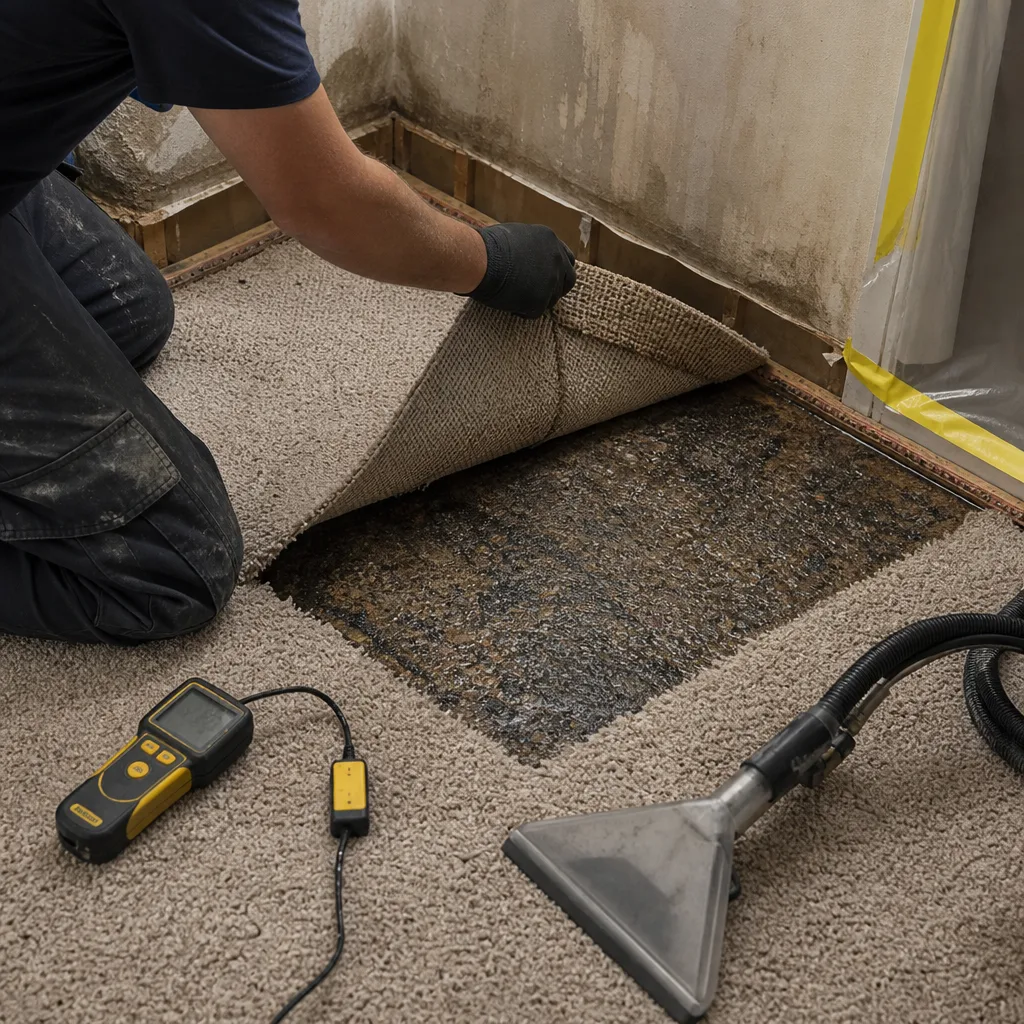
A maintenance log only has value if it can be authenticated. Insurers and their adjusters are trained to question undocumented claims of proper maintenance. The homeowner who says “I checked the gutters regularly” without evidence is in a weaker position than one who produces a dated photo showing the condition.
We document every job with photo records as a standard deliverable, never an upsell, under The Haven Standard. Homeowners can apply the same rigor to maintenance.
Required elements for each maintenance photograph:
- Date and time stamp embedded in metadata. Use your phone’s camera with location services enabled, or a dedicated app like Timestamp Camera or GPS Map Camera that burns the date into the image. Screenshots of photos, or photos of photos, lose metadata and are inadmissible.
- Measurement visible in frame. If you’re documenting humidity, the hygrometer reading must be legible. If you’re documenting slope, a level or measuring tape must appear. If you’re documenting gutter flow, water must be running.
- Location identifier. Include enough of the room or exterior feature to establish where the photo was taken. A close-up of a hygrometer screen doesn’t prove which room it was in.
- Condition context. One photo of a clean gutter is less useful than a sequence: before cleaning, during cleaning, after cleaning with water flowing.
Storage protocol:
Upload to cloud storage within 24 hours. Google Drive, Dropbox, iCloud, or similar services maintain upload timestamps that corroborate the photo metadata. Organize by date and by system: 2025-06-15_Roof, 2025-06-15_HVAC, 2025-06-15_Foundation. A single folder with 200 unlabeled photos from three years of maintenance is nearly as useless as no photos at all.
We recommend a simple spreadsheet log: Date, System Checked, Condition (Pass/Fail), Photo File Names, Notes. This becomes your maintenance record, producible on demand if a claim is filed. In Hollywood’s insurance market, where carriers are increasingly applying maintenance exclusions, this documentation often determines whether your deductible is your only out-of-pocket cost or whether you’re funding remediation yourself. See our Damage Restoration Cost Breakdown: The Hollywood Homeowner’s Reference for 2026 for typical remediation expenses.
The DryMark Restoration Hollywood home page describes our full documentation protocol for active losses. The same principles apply to prevention.
Interior Plumbing and Appliance Checks
Interior water damage sources are more predictable than weather events and therefore less defensible when they cause damage. A supply line that burst after 12 years of corrosion, or a dishwasher that leaked at a degraded compression fitting, will be scrutinized for maintenance history. Hollywood’s water chemistry, moderately hard with some areas showing elevated mineral content, accelerates wear on rubber components and valve seats.
Quarterly inspection points:
- Washing machine supply hoses: Inspect for bulging, cracking, or corrosion at fittings. Replace rubber hoses with braided stainless steel every 5 years regardless of appearance. The burst pressure of a deteriorated rubber hose at 60 PSI is not a question you want answered experimentally.
- Dishwasher: Check under-sink connections for moisture or mineral staining. Run a cycle and inspect the cabinet floor beneath with a flashlight during drain cycle. A small leak may evaporate between cycles, leaving only the stain as evidence.
- Refrigerator ice maker: Verify the saddle valve or dedicated shutoff is accessible and not corroded. Check the line behind the refrigerator for kinking or abrasion against the wall.
- Water heater: Inspect the temperature-pressure relief valve discharge pipe for flow or corrosion. Check the pan beneath for water. In Hollywood’s warm ambient temperatures, water heaters operate at higher incoming water temperatures and experience more thermal cycling. A TPR valve that weeps continuously indicates either valve failure or excessive pressure, both fail conditions.
- Toilet flanges and wax rings: Check for softness in the flooring around the toilet base. Rocking or staining indicates seal compromise. In concrete-slab construction common in Hollywood, a failed wax ring leaks directly into the slab edge, causing hidden damage for months.
- Sink and shower caulking: Verify continuous seal without gaps or mold penetration. Caulk is not decorative; it’s the primary water barrier at the wall-to-fixture joint. Gapped caulk in a second-floor Hollywood bathroom is a direct path to ceiling damage below.
Document each inspection with photographs of the condition, not just the problem. A photo showing intact hoses in March is evidence that a May burst was sudden and not the result of visible deterioration that was ignored.
Seasonal Maintenance Calendar for Hollywood
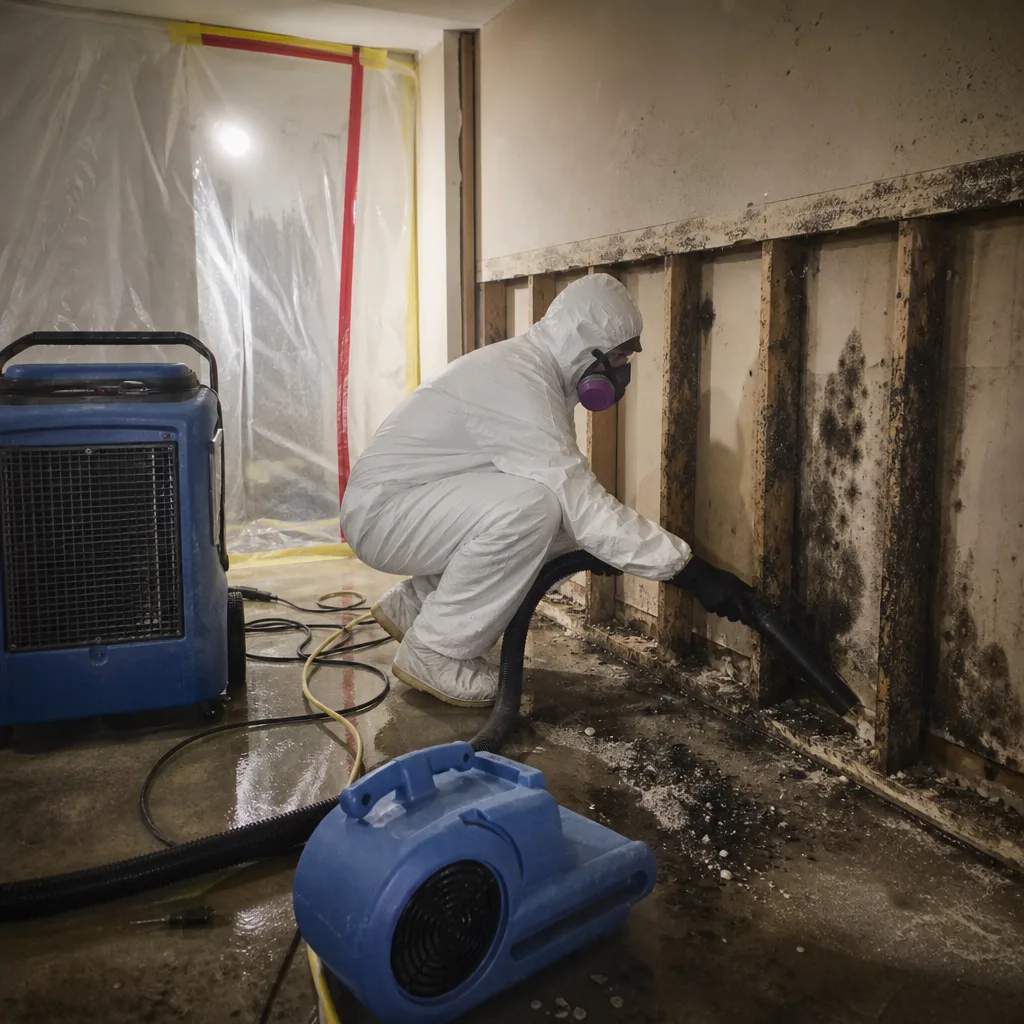
Hollywood’s climate doesn’t divide neatly into four equal seasons. The useful division is wet season (May through October), dry season (November through April), and hurricane season (June 1 through November 30, with peak August through October). Maintenance tasks should cluster around these periods, with intensity increasing before June 1.
March-April (Pre-wet season preparation):
- Complete full roof-to-foundation drainage sequence.
- Service AC system: professional coil cleaning, refrigerant check, condensate line flush, float switch test.
- Test sump pump by filling pit to float activation level; verify discharge is clear and unobstructed.
- Inspect and clean all gutters and downspouts; verify extensions and splash blocks.
- Document all findings with dated photographs; upload to cloud storage.
May-June (Wet season onset):
- Begin weekly humidity monitoring in all rooms; log readings.
- Inspect roof and flashing after first major storm.
- Verify landscape irrigation is not directed at foundation; adjust spray heads.
- Check exterior caulk and weatherstripping at doors and windows.
July-October (Peak storm period):
- Maintain weekly humidity logs; increase to daily if AC service is interrupted.
- Inspect roof, gutters, and drainage within 48 hours of any named storm or sustained rain event exceeding 2 inches.
- Test generator or backup power if present; verify sump pump battery backup charge.
- Review insurance policy for flood coverage status; standard HO-3 policies exclude rising water.
November-December (Post-season assessment):
- Complete full drainage sequence inspection; repair any storm damage.
- Schedule professional HVAC maintenance for heating function if applicable.
- Review annual maintenance log for patterns: recurring humidity spikes, repeated drain blockages, deteriorating components.
- Archive year’s documentation with permanent backup.
January-February (Dry season maintenance):
- Complete interior plumbing and appliance inspection.
- Inspect water heater anode rod if accessible; replace if more than 50% consumed.
- Verify all interior shutoff valves operate freely; exercise quarterly-turn ball valves.
- Plan any major exterior drainage improvements for dry-season construction window.
This calendar produces approximately 40-50 documented maintenance events annually. That volume of evidence, stored with proper organization, establishes a pattern of reasonable care that is difficult for an insurer to overcome with a maintenance exclusion.
When DIY Documentation Needs a Licensed Inspector
There is a threshold where homeowner maintenance logs, however thorough, are less persuasive than a third-party professional report. Knowing that threshold prevents you from investing effort in documentation that won’t carry weight in a dispute.
A licensed inspector’s written report is worth the cost when:
- The home is more than 25 years old and has no prior professional inspection documenting systems condition. In Hollywood’s housing stock, this includes most homes in Hollywood Lakes, Surfside, and the original 1920s sections.
- You’re documenting conditions after a repair or improvement, to establish a new baseline. A post-repair inspection by a licensed general contractor or home inspector creates a professional opinion of the work quality.
- The system in question is not visible or accessible to a homeowner. Roof conditions requiring ladder access above single story, crawl space conditions, or attic structural elements should be documented by a professional with appropriate equipment and insurance.
- An insurance claim is already in progress or anticipated. A pre-loss inspection report from a licensed inspector is stronger evidence than homeowner photos if litigation becomes necessary.
- The issue involves code compliance. Hollywood operates under the Florida Building Code, 7th Edition (2020), with local amendments. A licensed inspector can opine on whether a condition meets code, which homeowners generally cannot.
Cost expectation in the Hollywood market: a full home inspection with written report runs $350-$550 for a typical single-family home. A targeted inspection, roof-only or plumbing-only, runs $150-$300. These costs are recoverable if they prevent a claim denial or support a disputed claim.
The crossover point is typically when a potential loss exceeds $10,000. Below that threshold, thorough homeowner documentation is usually sufficient. Above it, the professional report’s cost is a small percentage of the potential dispute value. We recommend that homeowners in Hollywood maintain their own logs for routine items and engage a licensed inspector every 3-5 years for a full documented assessment, or immediately after any major repair.
The Mold Remediation in Hollywood page addresses conditions where professional assessment is required by Florida statute, regardless of homeowner capability.
Common Mistakes to Avoid
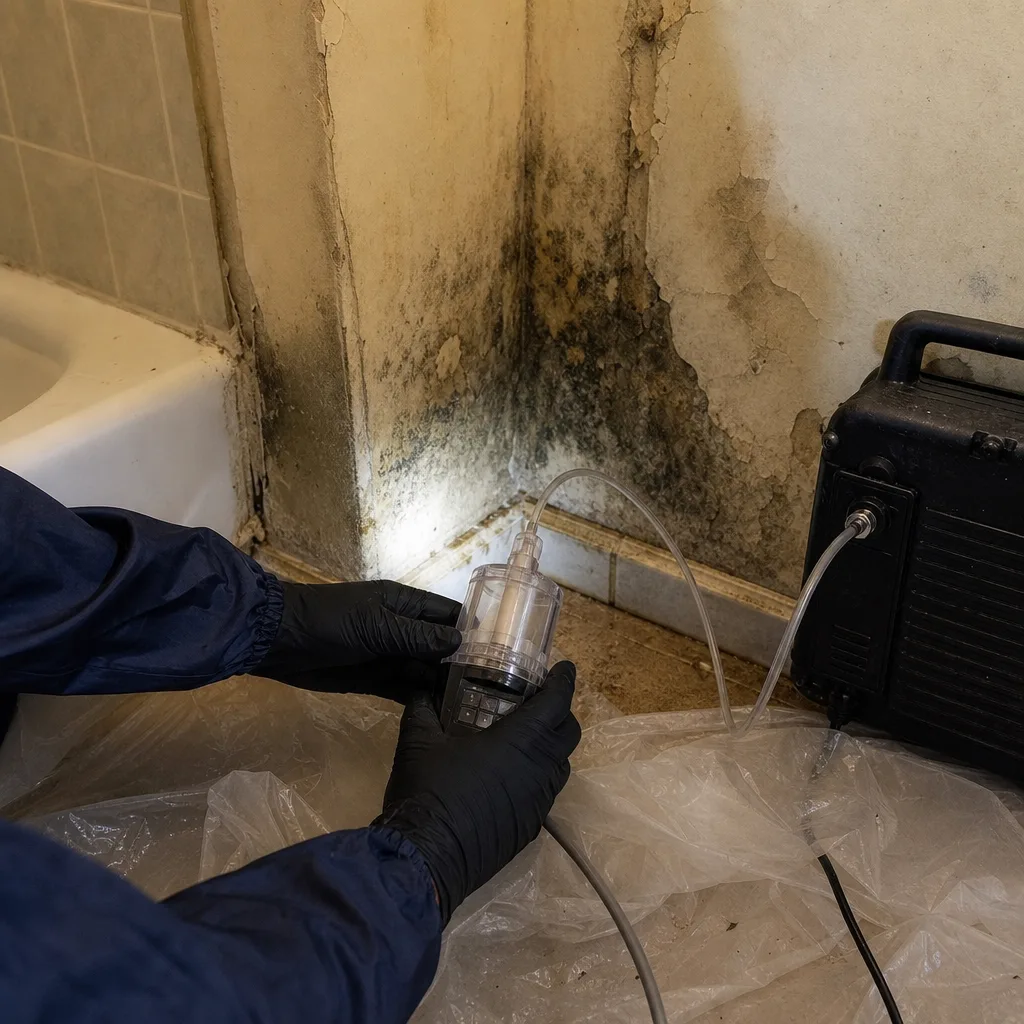
- Recording only problems, not normal conditions. A photo of a leaking pipe in May doesn’t prove the pipe was intact in March. Document pass conditions with the same rigor as fail conditions.
- Using screenshots or forwarded photos. These strip metadata and are easily challenged. Always use original camera files with embedded timestamp and geolocation.
- Ignoring the garage and exterior storage. Hollywood homeowners often store valuable items in garages that reach 80% RH in summer. These spaces need the same humidity monitoring as interior rooms.
- Assuming new construction doesn’t need monitoring. We’ve responded to water damage in homes less than two years old in Hollywood’s newer developments like ArtPark and Downtown Hollywood. Construction-phase moisture in concrete and lumber, combined with tight building envelopes, creates unique humidity dynamics.
- Letting maintenance documentation live only on a phone. Phones fail, are lost, or replaced without complete data transfer. Cloud upload within 24 hours is mandatory.
- Failing to document professional service visits. When a plumber, HVAC technician, or roofer performs work, request a written invoice or report that describes what was found and what was done. This third-party documentation corroborates your maintenance log.
- Setting humidity targets too high for the season. A homeowner who maintains 55% RH in July may feel comfortable, but is allowing conditions that support dust mite proliferation and mold germination. The target is 45-50% regardless of comfort preference.
When to Call a Professional
Some conditions exceed homeowner capability and require immediate professional response. Active water intrusion during a storm, sewage backup, water contacting electrical systems, or structural saturation of walls or floors are all scenarios where delay increases damage and cost. In these situations, speed of proper response matters more than documentation, though you should photograph what you safely can before the crew arrives.
For non-emergency conditions, a professional assessment is warranted when you find sustained humidity above 60% RH that you cannot correct with normal HVAC operation, visible mold growth of any size, or any foundation moisture that recurs after rain. These indicate system problems that maintenance alone won’t resolve.
DryMark Restoration Hollywood offers free estimates in Hollywood. Our assessments include a written scope with line-item pricing before any work begins, Haven Standard, Clause 1, and a documented photo record of conditions. For emergency response or to schedule an assessment, call (754) 222-3479. Live phone coverage is available 24 hours a day, 7 days a week with no voicemail on emergency lines.
Frequently Asked Questions
A professional inspection for active water damage in Hollywood typically ranges from $150 for a limited assessment to $350 for a full property evaluation with moisture mapping and written report. DryMark Restoration Hollywood provides free estimates, including moisture readings and a documented photo record, with a written price before any work begins. Call (754) 222-3479 to schedule.
Insurers generally accept well-documented homeowner maintenance logs, particularly when they include dated photographs with embedded metadata, consistent measurement records, and organized storage. The log’s credibility increases with specificity: humidity readings with device model numbers, drainage slope measurements with tool visibility, and third-party service invoices that corroborate your records. A log without dates, without measurements, or consisting only of problem documentation is less likely to be persuasive.
At 80°F and 70% relative humidity, typical of Hollywood’s summer conditions, water from a supply line leak can wick through drywall at 1-2 inches per hour horizontally and saturate a standard 2×4 wall cavity within 4-6 hours. Mold germination begins on organic surfaces within 24-48 hours at these conditions. This timeline is why we maintain 24-hour live phone coverage and why immediate source control, even before professional arrival, is critical.
A properly sized and maintained AC system should maintain 45-50% RH in Hollywood’s climate during operation. If your system cannot achieve this, the cause may be oversized equipment that cycles too briefly to dehumidify, degraded coil condition, envelope air leakage, or excessive internal moisture generation. A portable dehumidifier is appropriate for targeted problem areas like closets or garages, but persistent whole-house humidity issues indicate a system problem requiring professional diagnosis, not supplemental equipment.
Indoor relative humidity below 60% prevents mold spore germination on most building materials. However, the practical target for Hollywood is 45-50% RH, which provides margin for measurement error, temporary spikes, and local variations. At 55% RH, some xerophilic mold species can colonize. The IICRC S520 mold remediation standard references 60% as the control threshold, but we specify 50% for our drying projects to ensure safety margin.
PVC condensate lines in normal service do not require scheduled replacement if properly maintained with quarterly flushing. However, in Hollywood’s conditions, we recommend replacement when: the line shows visible biofilm accumulation that cannot be cleared with flushing, the line has been physically damaged or kinked, or the line is original equipment in a home exceeding 20 years. Flexible drain lines, common in retrofit installations, should be inspected annually for sagging or compression that creates trap conditions.
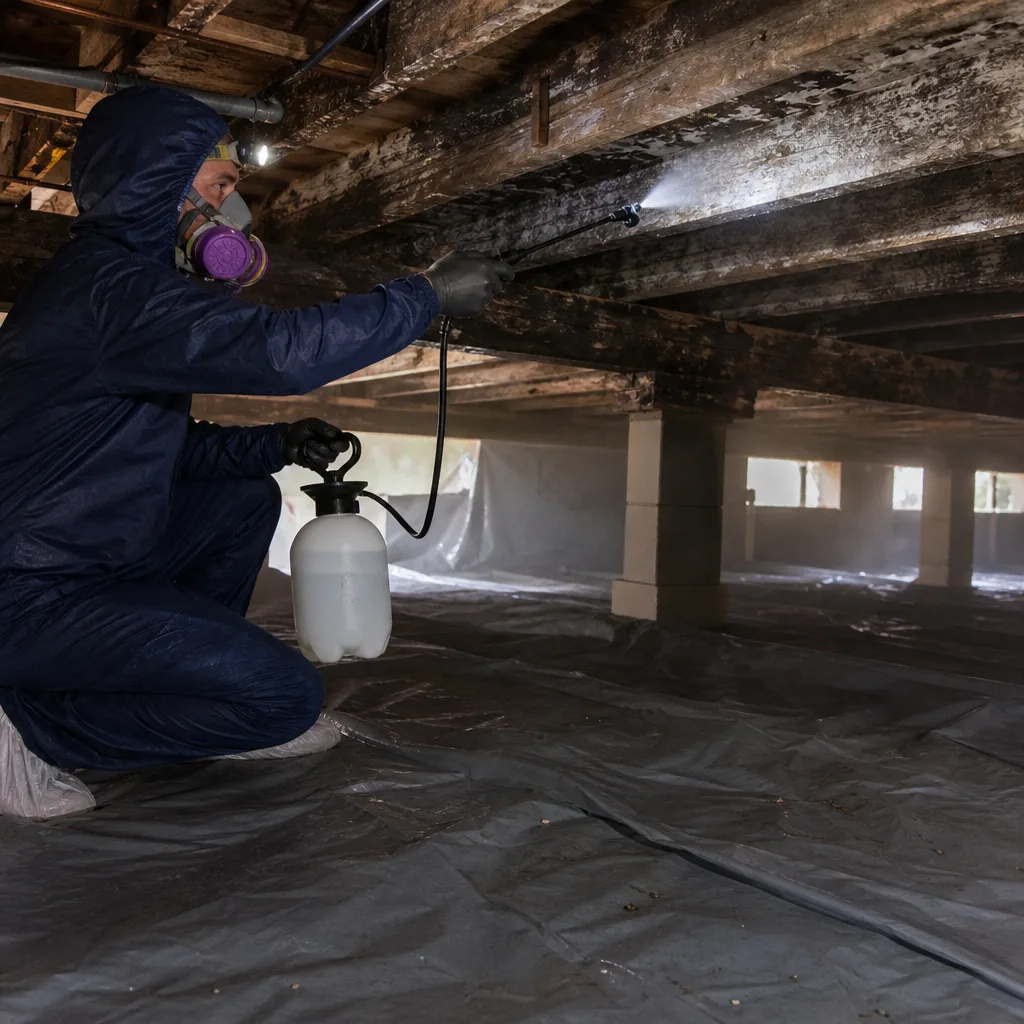
Bleach is not recommended for mold on porous materials like drywall or wood. The chlorine does not penetrate below the surface, while the water component feeds deeper growth. For small, non-porous areas like tile grout or glass, a detergent solution followed by thorough drying is more effective. For any visible mold growth exceeding 10 square feet, or mold in HVAC systems, Florida statute requires licensed mold remediation. The Fire & Smoke Damage Restoration in Hollywood page addresses related indoor air quality concerns from combustion sources.
The Bottom Line
Water damage prevention in Hollywood is not a matter of luck or generic advice. It’s a measurable discipline: humidity controlled to specific ranges, drainage verified with actual slope measurements, systems inspected with documented regularity, and all of it recorded in a format insurers recognize. The homeowner who treats maintenance as documentation, not chore, enters any claim negotiation with evidence instead of assertion. The tools are inexpensive, the time commitment is modest, and the return, measured in avoided damage and paid claims, is substantial. Start with a hygrometer, a level, and a cloud storage account. Build the habit. For ongoing maintenance strategies, explore our more guides & resources. The record you create is the protection you cannot buy after the loss occurs.
Written by Alicia Brennan, Owner at DryMark Restoration Hollywood, serving Hollywood since 2011.