Free visual inspection and a written scope of work before any mitigation begins - photos, moisture readings, and drying logs go in your claim file
The scope we write is the scope we bill. Anything new gets shown to you, in writing, before we touch it.
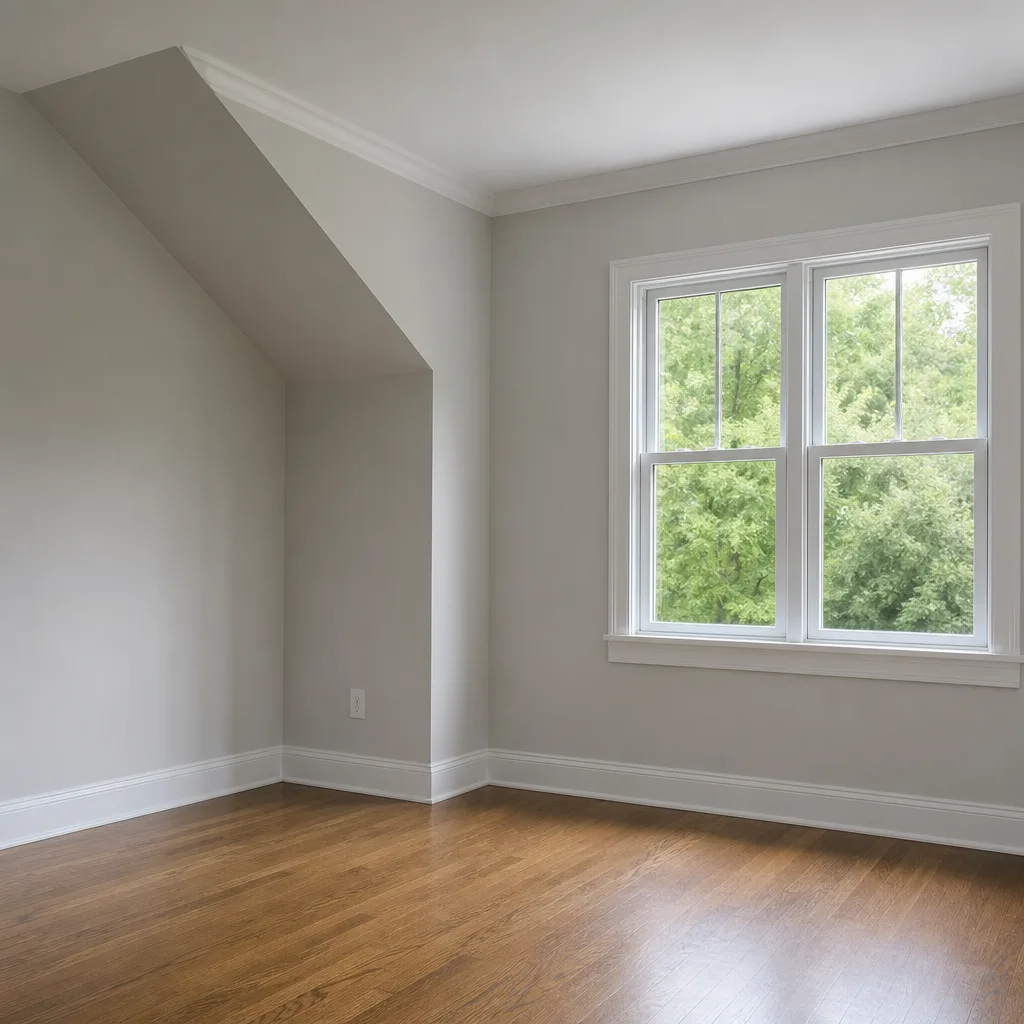
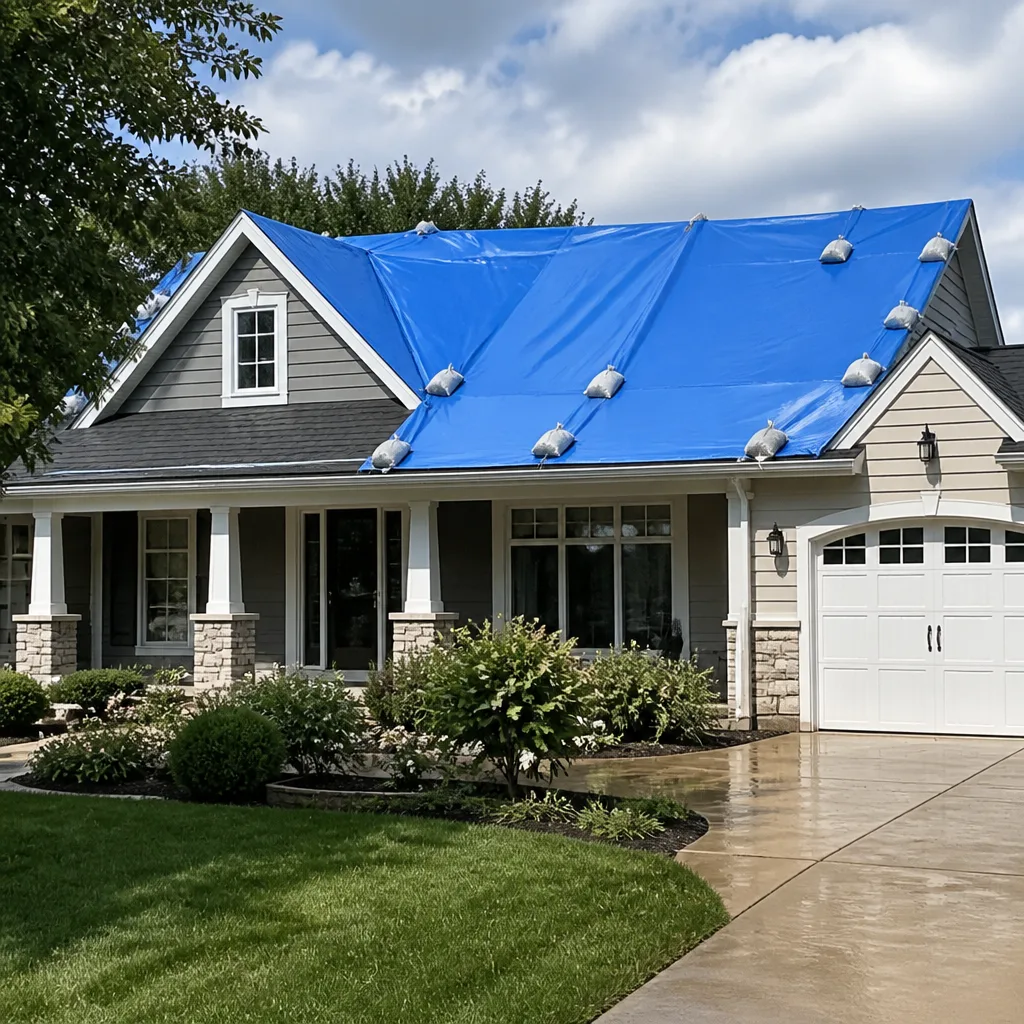
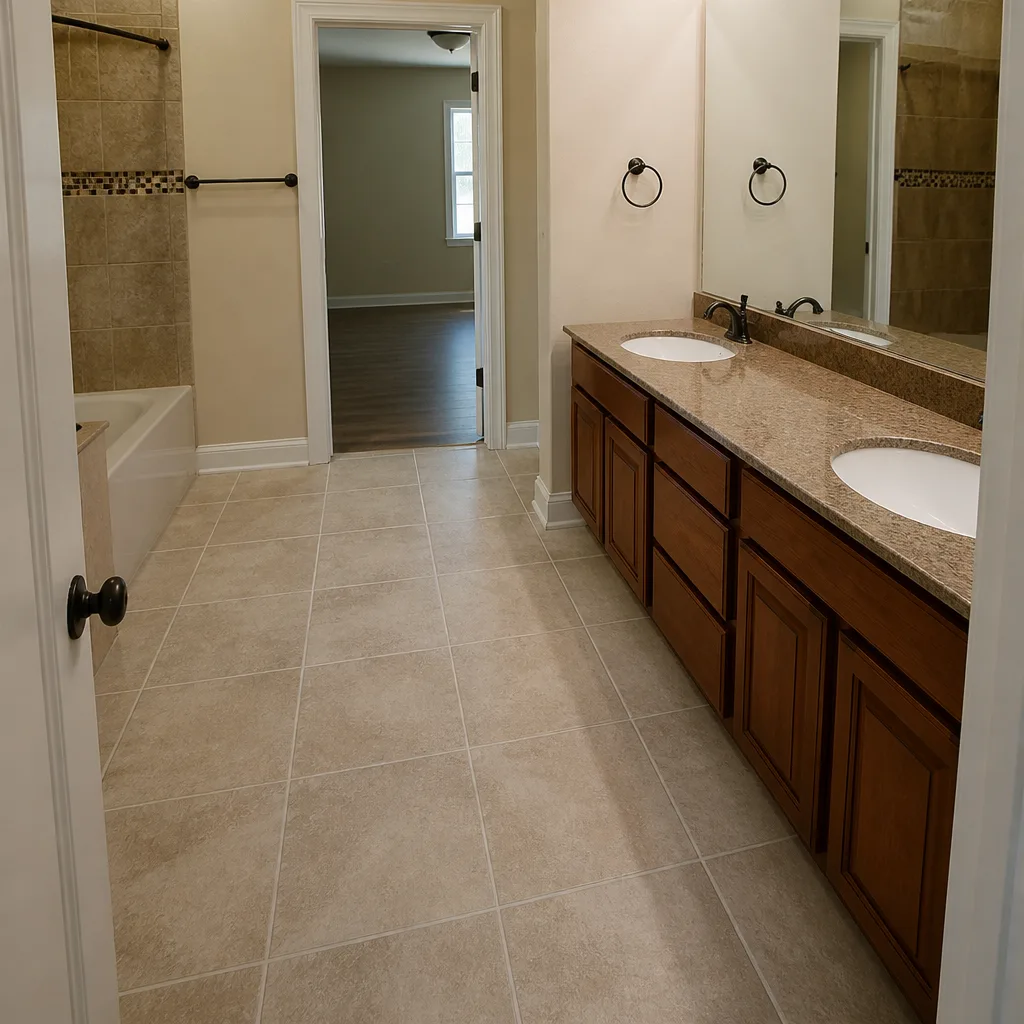
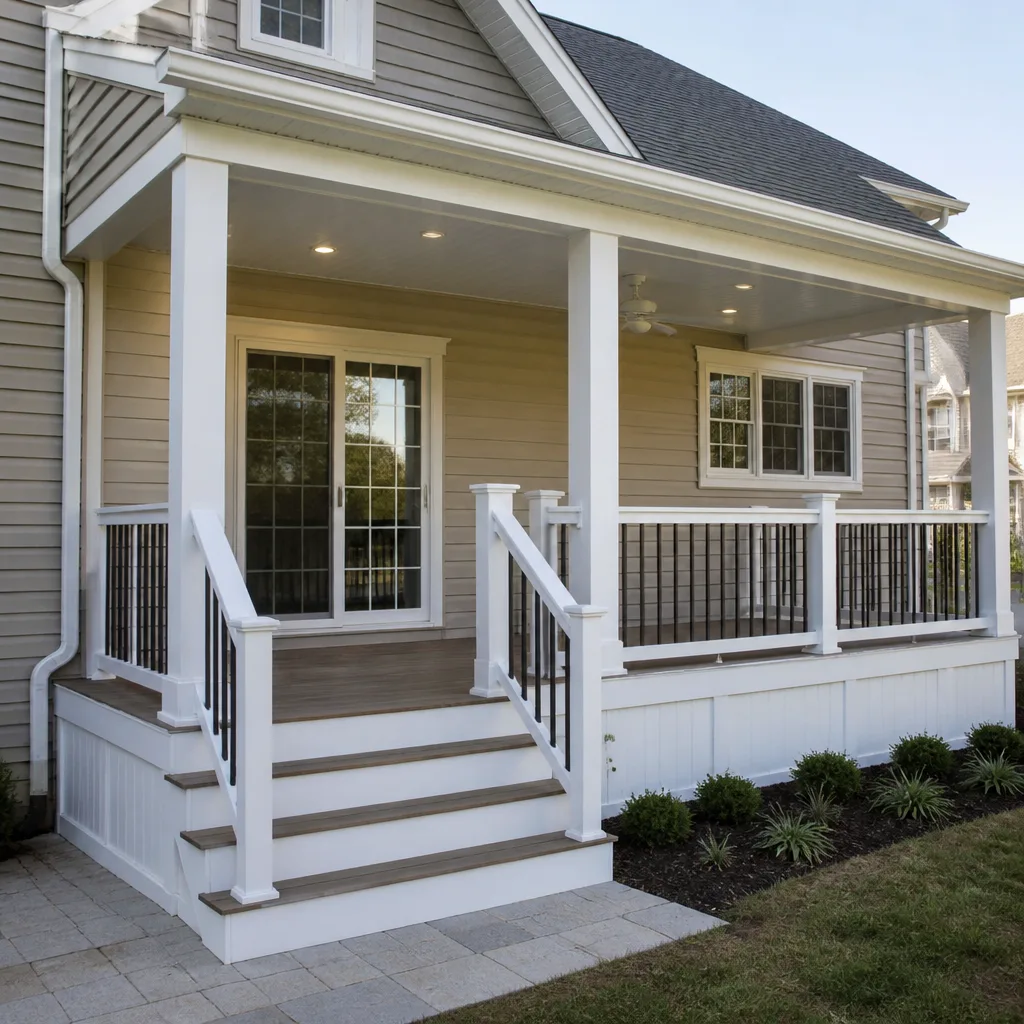
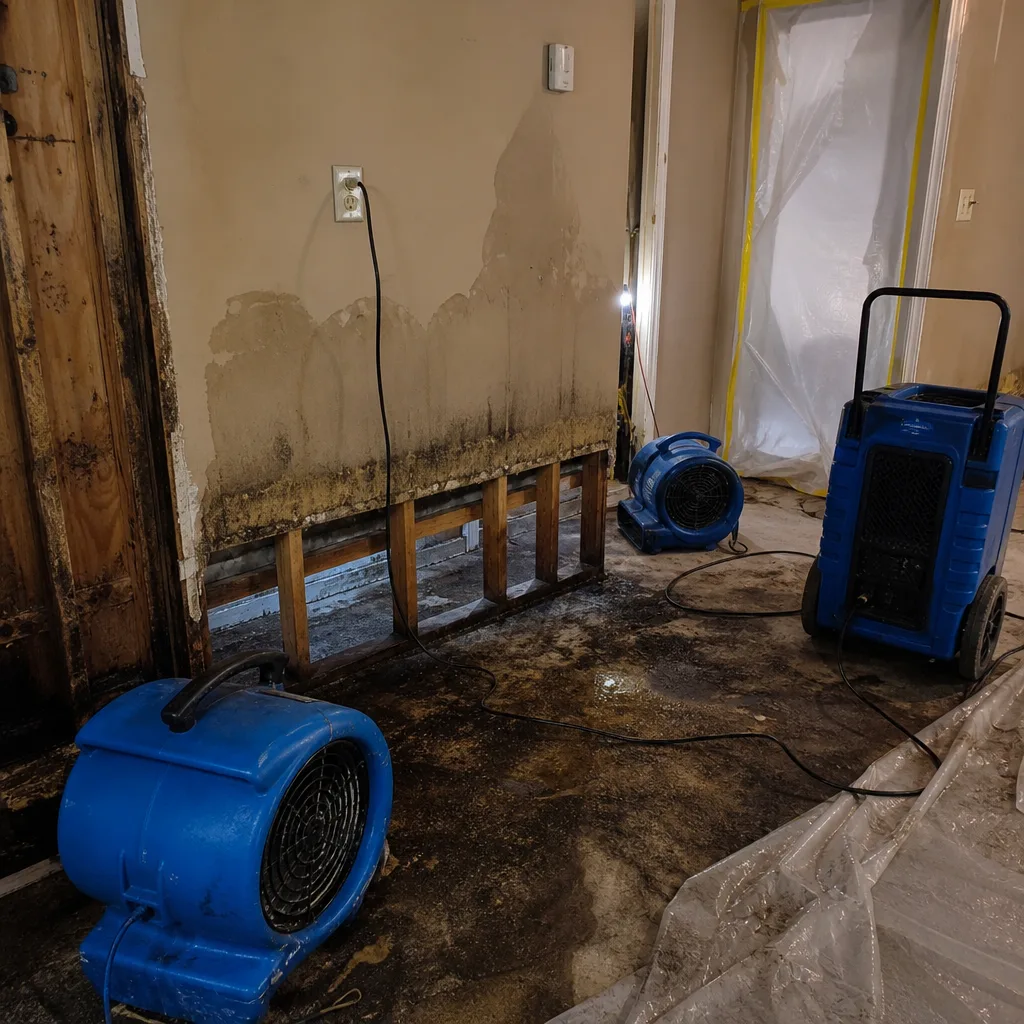 Before
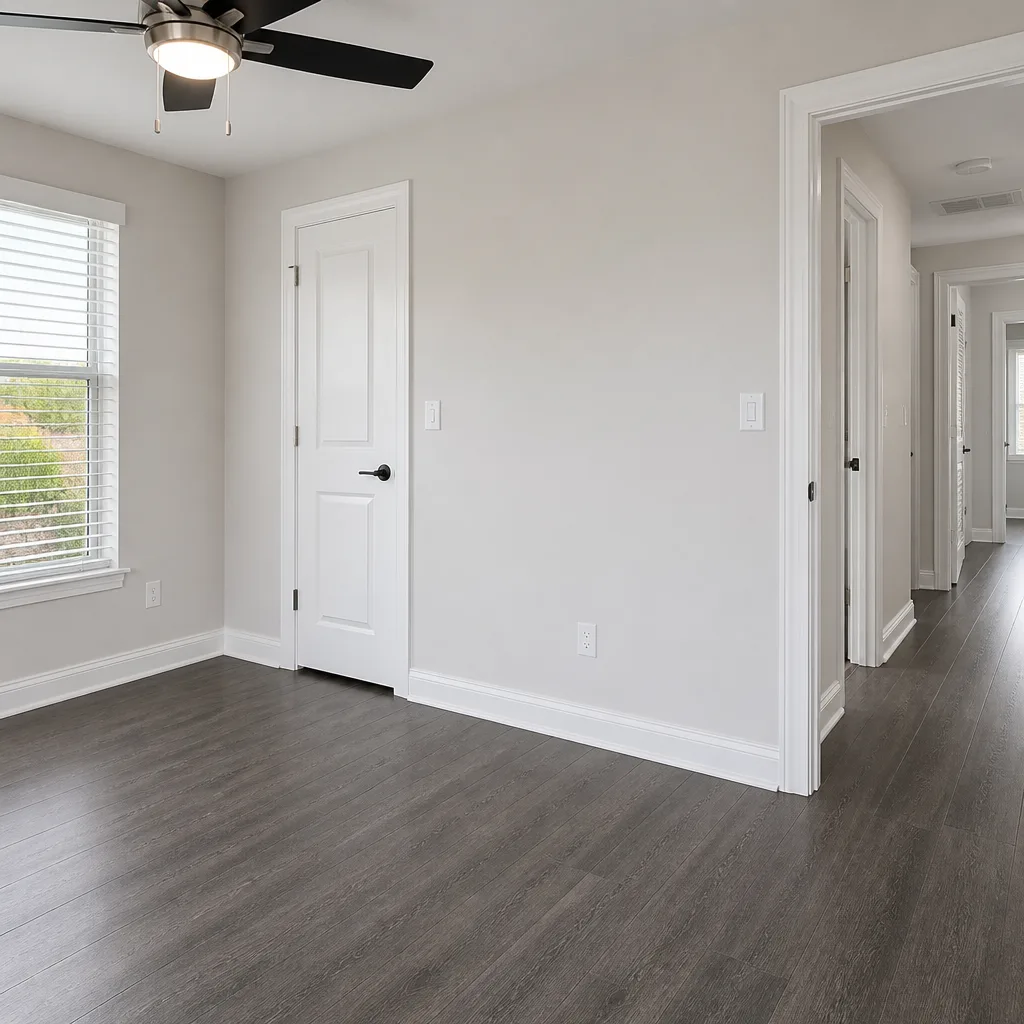 After
After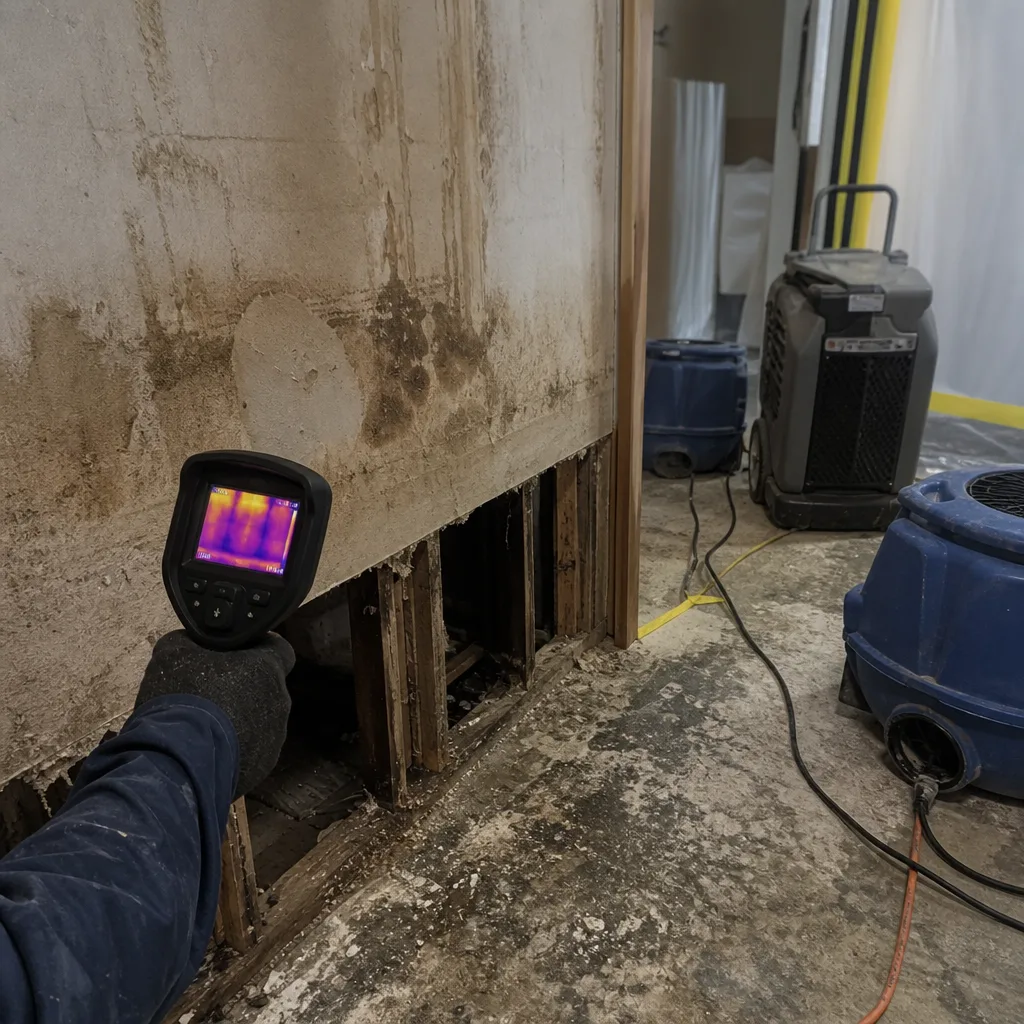 Before
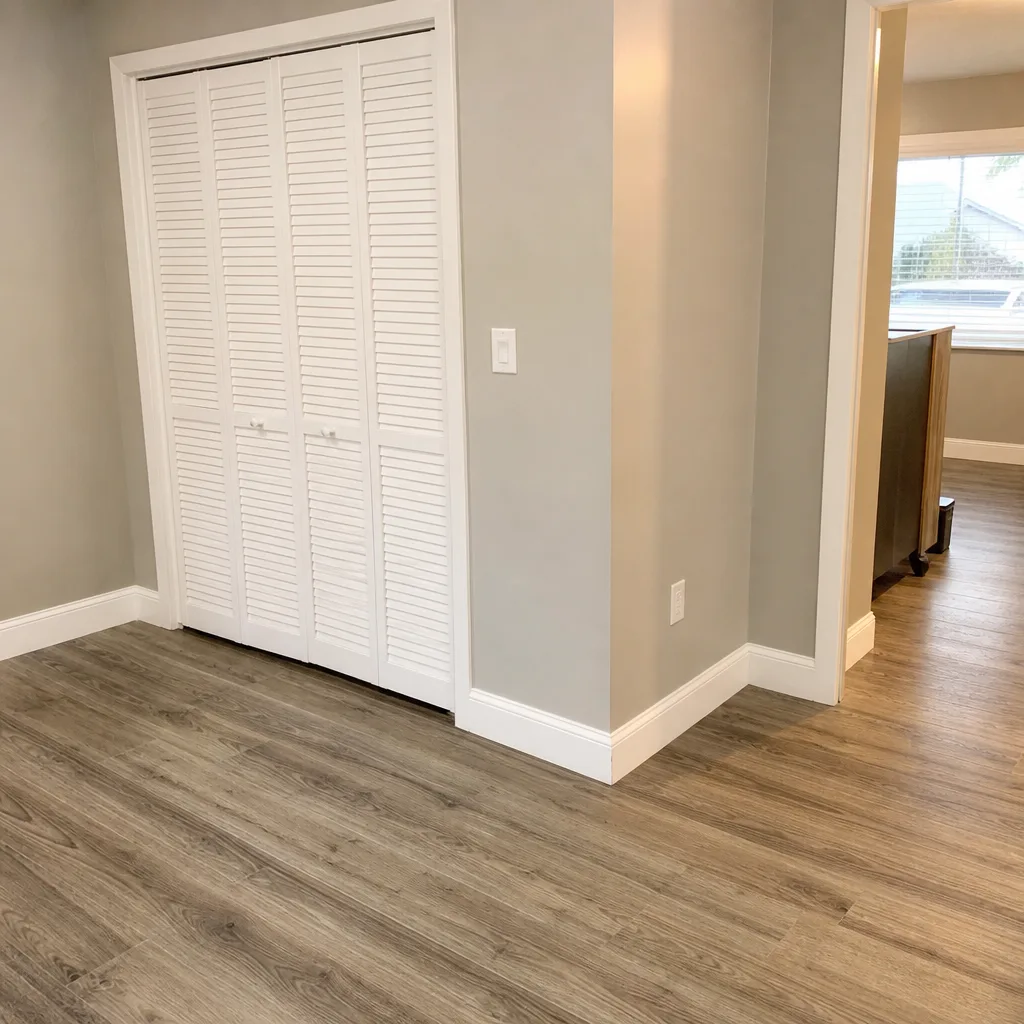 After
After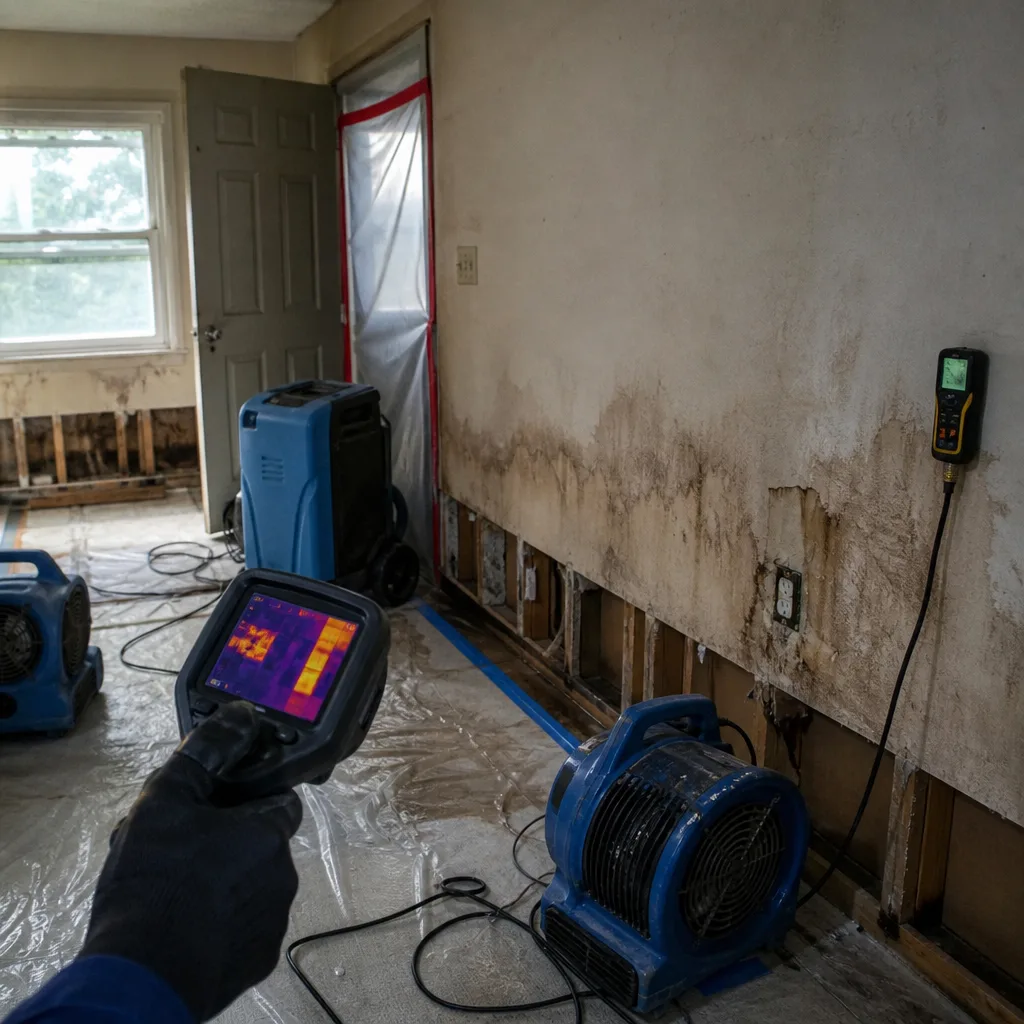 Before
 After
After24/7 Emergency Mold Remediation in Coral Springs
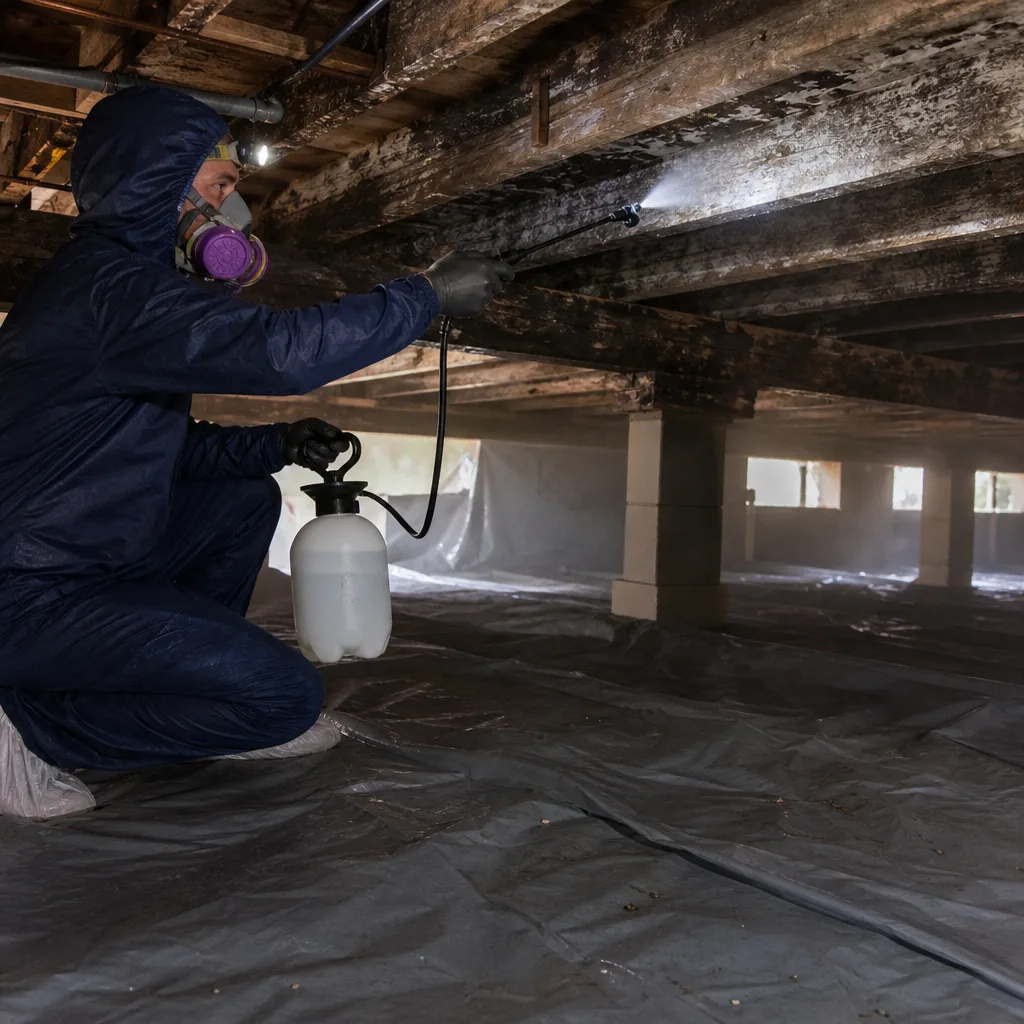
Call (754) 222-3479 now. A live person answers every call, 24 hours a day, 7 days a week, and crews are dispatched throughout the Coral Springs area within 45 minutes of your call. We provide a free visual inspection on arrival, and for mold, the first hours after water intrusion are when containment matters most. Once moisture sits in Coral Springs’s humid climate for more than 24 to 48 hours, airborne mold spores colonize porous surfaces fast. Our Mold Remediation team arrives with containment barriers, HEPA-filtered negative air machines, and moisture mapping equipment to stop that spread before it reaches unaffected rooms.
Understanding Mold Remediation Severity in Coral Springs Properties
Mold damage in Coral Springs falls into three practical severity tiers, each dictating containment strategy and material removal. Limited contamination covers under 10 square feet of visible growth, typically on non-porous surfaces like tile or sealed concrete. This level responds to surface remediation with HEPA vacuuming and antimicrobial application under localized containment. Moderate contamination, 10 to 100 square feet, demands full containment with 6-mil polyethylene barriers, negative air pressure maintained by HEPA scrubbers, and removal of porous materials like drywall and insulation within the affected zone.
Major contamination exceeds 100 square feet or involves HVAC systems, requiring full-area isolation, dedicated decontamination chambers, and often temporary relocation of occupants. Coral Springs’s housing stock intensifies these thresholds. The dominant concrete block and stucco (CBS) homes built between the mid-1970s and mid-1990s feature slab-on-grade foundations and original single-pane windows that allow moisture to wick upward through the slab and into block walls after flood events. When Category 2 or 3 water from inland stormwater backup saturates these assemblies, the porous block continues migrating moisture inward for weeks, spawning hidden mold colonies in wall cavities that don’t show visible signs until a second inspection. This callback pattern is specific to Coral Springs’s planned-canal-community construction style.
Why Coral Springs Property Owners Choose DryMark Restoration Hollywood
- 45-minute response commitment to Coral Springs neighborhoods from our Miami (South FL) dispatch office.
- 24/7 live answer: a real person, never an automated system or voicemail tree, on every call.
- IICRC-certified crews holding AMRT (Applied Microbial Remediation Technician) and WRT (Water Damage Restoration Technician) certifications.
- Free visual inspection on every call, with a written scope and price before any work begins.
- Direct insurance billing with photo-documented assessments and adjuster coordination as standard.
- One team from mold containment through reconstruction, so no handoff gaps in documentation or accountability.
 Before
 After
AfterOur Mold Remediation Process
1. Inspection & Assessment
We start with a moisture map using thermal imaging cameras and calibrated hygrometers to locate hidden water in Coral Springs’s CBS block walls, slab edges, and crawl spaces. Air and surface samples are collected where visible growth is present or where musty odors indicate concealed colonization. Every reading is logged with time, location, and photo documentation.
2. Containment & Air Filtration
Polyethylene barriers seal the work zone under negative pressure. HEPA air scrubbers, rated at 99.97% efficiency at 0.3 microns, run continuously during remediation to prevent spore migration through Coral Springs’s tight townhome clearances and shared-wall construction.
3. Moisture Control & Drying
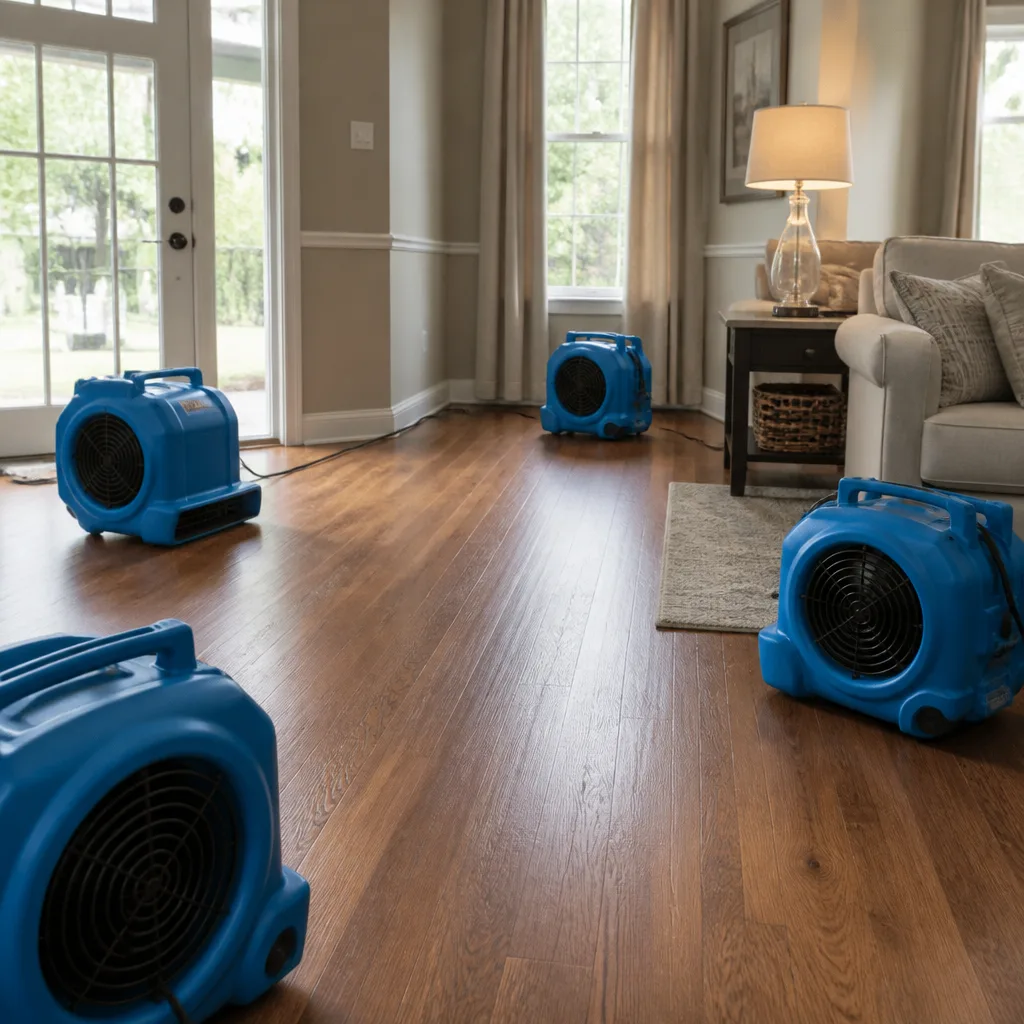
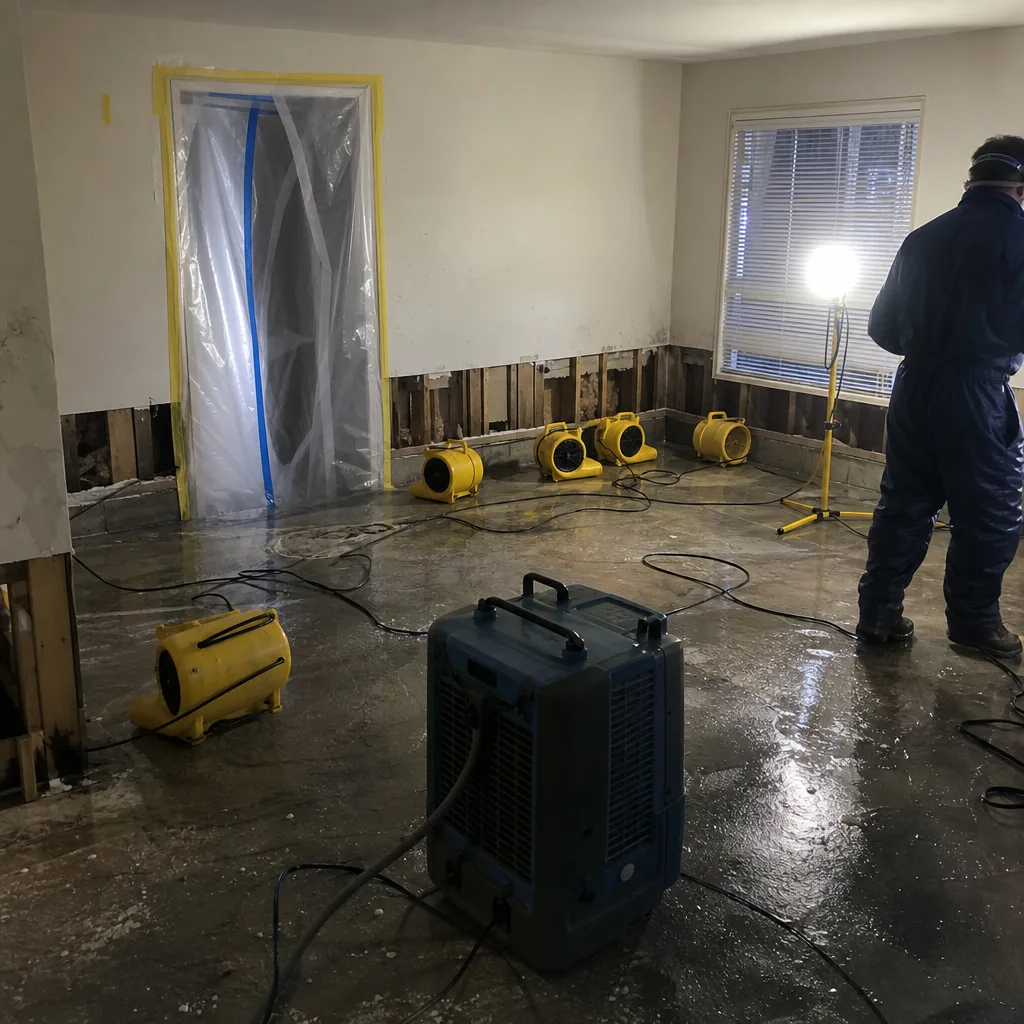
Industrial dehumidifiers from Dri-Eaz and Phoenix pull vapor from the air while targeted air movers accelerate evaporation from wet substrates. In Coral Springs’s year-round humidity above 70%, this phase runs longer than in drier climates, and we log psychrometric data daily to prove progress to your insurer.
4. Removal of Contaminated Materials
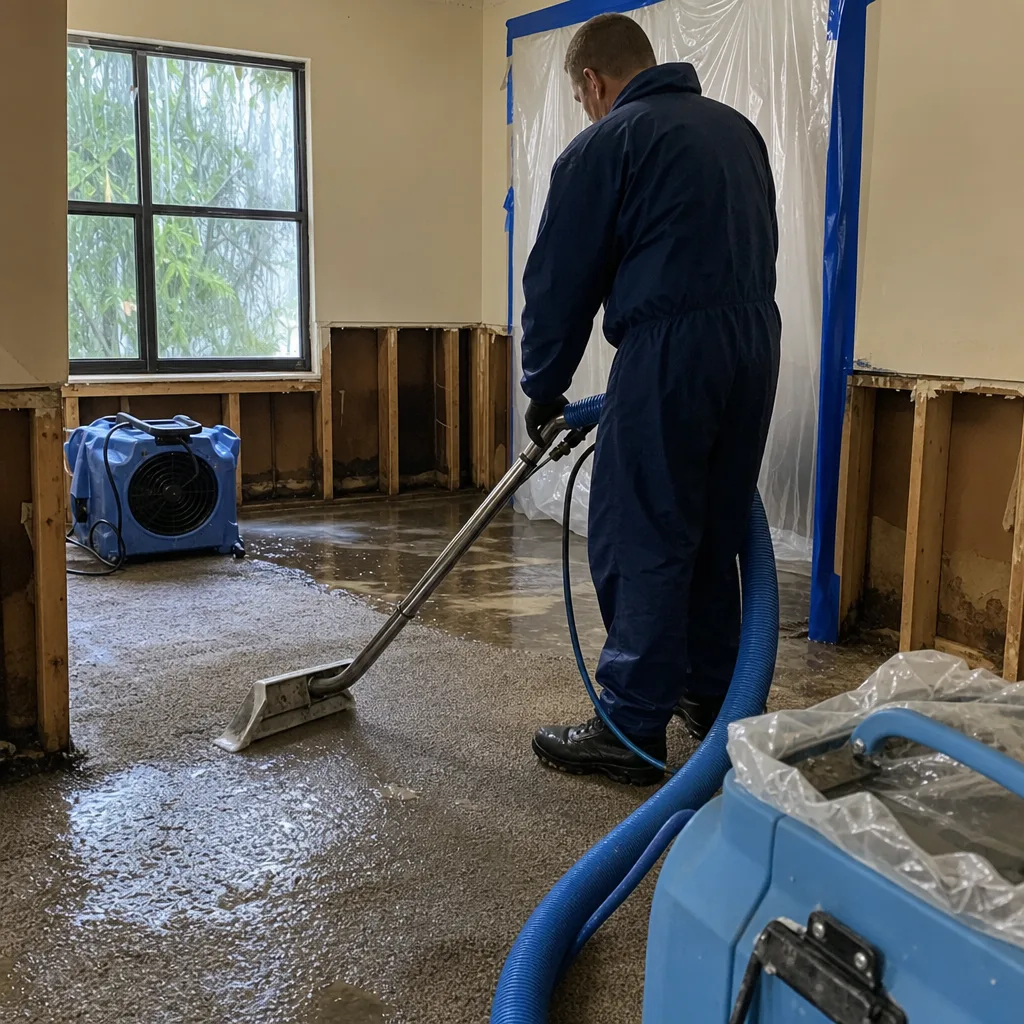
Porous materials that absorbed Category 2 or 3 water, including drywall, insulation, carpet pad, and baseboards, are removed under containment and bagged for proper disposal. Non-porous surfaces are HEPA-vacuumed and treated with EPA-registered antimicrobial solutions.
5. Antimicrobial Treatment & HEPA Cleaning
All surfaces within the containment zone receive antimicrobial application followed by detailed HEPA vacuuming and damp-wiping. Air scrubbers continue running through this phase to capture dislodged spores. Post-remediation verification sampling confirms airborne spore counts have returned to normal background levels.
6. Repairs & Restoration
Our reconstruction crew replaces removed drywall, insulation, flooring, and trim to match existing finishes. Every repair is documented with before-and-after photos, and the 365-Day Done Right Promise applies to all work performed under The Haven Standard.
Need Emergency Mold Remediation in Coral Springs Now?
Crews minutes away, answering live 24 hours a day. The sooner we start, the less it costs.
Working With Your Insurance Company
Documentation from the first hour is what turns a mold remediation invoice into a claim your insurer pays without dispute. Our estimates follow industry-standard Xactimate pricing, and we communicate directly with your adjuster rather than handing you a bill to explain. Every visit produces a photo record, moisture readings with equipment serial numbers, and a drying log that tracks progress in measurable terms.
What We Provide Your Insurer
- Thorough documentation of the loss
- Photos of all damage, room by room
- Moisture readings and drying logs
- A detailed, line-item scope of work
- Direct coordination with your carrier
Built for Coral Springs’s Loss Calendar
Coral Springs’s mold season doesn’t follow a calendar. It follows water events, and here those events have a distinct inland signature. From June through November, tropical systems and afternoon thunderstorms dump rain across western Broward County faster than the canal system can carry it away. When the South Florida Water Management District releases water from conservation areas adjacent to Coral Springs’s western edge, that controlled release compounds local stormwater drainage and floods neighborhoods from inland sources, a mechanism entirely separate from coastal surge.
These canal-backing events leave standing water inside CBS-block homes for days. The flat, low-elevation inland basin offers no natural drainage, so water lingers in slab-on-grade construction where it wicks into porous block walls. Even after visible water is extracted, the block continues migrating moisture inward. The year-round humidity, routinely above 70%, means any water intrusion that lingers more than 24 to 48 hours almost guarantees secondary mold remediation work. December through May brings drier air but also cold-front-driven roof leaks through aging flat or low-slope tile roofs, and pinhole plumbing failures in original copper lines common to 1980s construction. Each event type demands a different moisture-mapping protocol, and our crews are trained to distinguish them.
Mold Remediation Across Coral Springs’s Neighborhoods
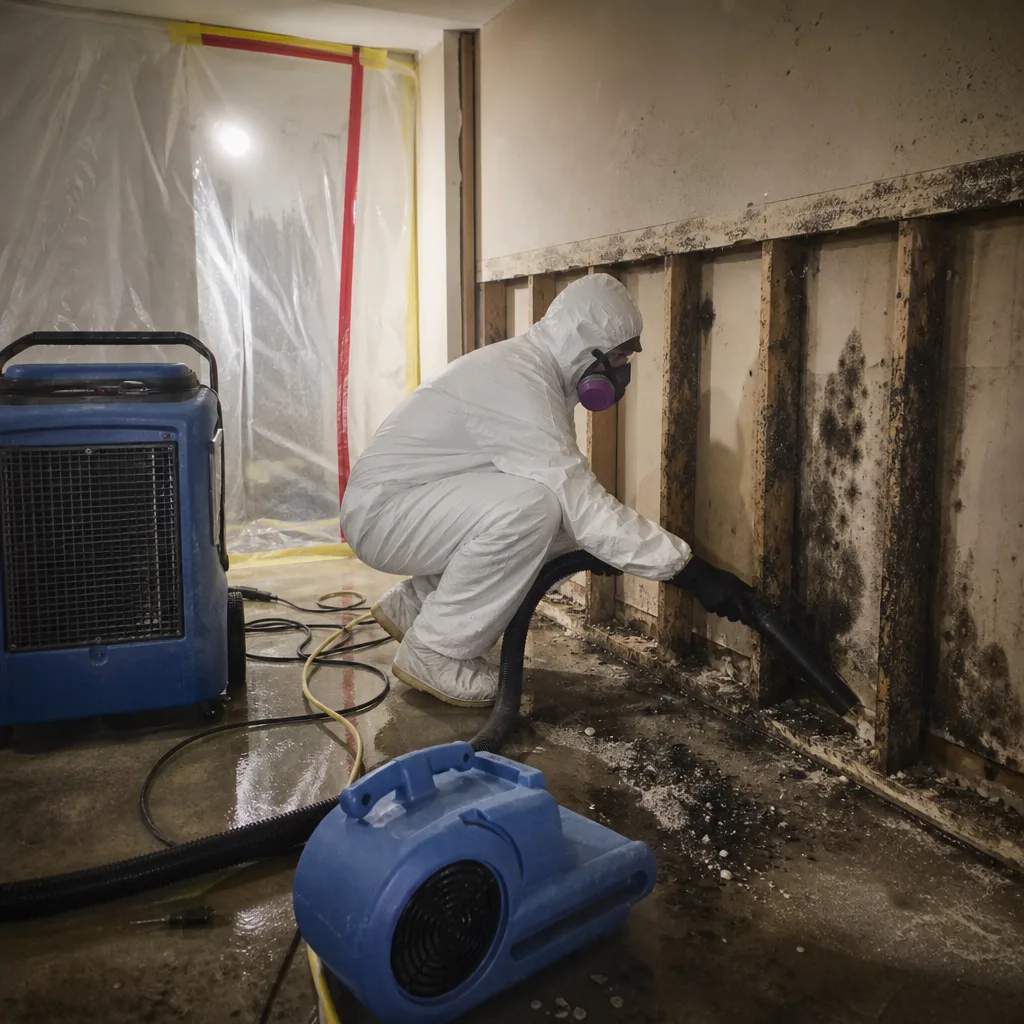
Riverside Drive corridor homes, many built in the 1970s and 1980s with direct canal frontage, face the most severe canal-backing risk. After a tropical system pushed SFWMD water releases into a canal-backing home off Riverside Drive, our techs arrived to find standing water in a slab-on-grade CBS house with a low-slope tile roof. We ran water extraction, set air movers and dehumidification, logged moisture readings at the base of the block walls, and applied antimicrobial treatment after a moisture map confirmed hidden wicking. On a two-week follow-up probe we caught a wall-cavity colony behind the exterior block before it reached the living space.
The Country Club of Coral Springs area and neighborhoods north of Royal Palm Boulevard feature larger lots with more setback from canals, but the same CBS construction and aging infrastructure. Here we see roof leaks and pinhole plumbing as the primary mold triggers, with attic and ceiling cavity colonization that spreads through soffit vents before occupants notice staining.
Townhome clusters near University Drive and Sample Road present tight clearances and alley-loaded access that limit equipment staging. Containment must be designed around parking constraints and shared-wall construction where spore migration threatens neighboring units. We coordinate with property management for roof access and utility shutoffs before arrival.
Ramblewood and neighborhoods along Atlantic Boulevard west of the Turnpike include some of the city’s older 1970s stock with original single-pane windows and minimal vapor barriers. Slab moisture wicking is chronic in these homes, and we frequently recommend crawl space vapor barrier installation and dehumidification as permanent humidity control after remediation is complete.
Specialized Mold Remediation Services We Offer in Coral Springs
Mold Inspection & Testing
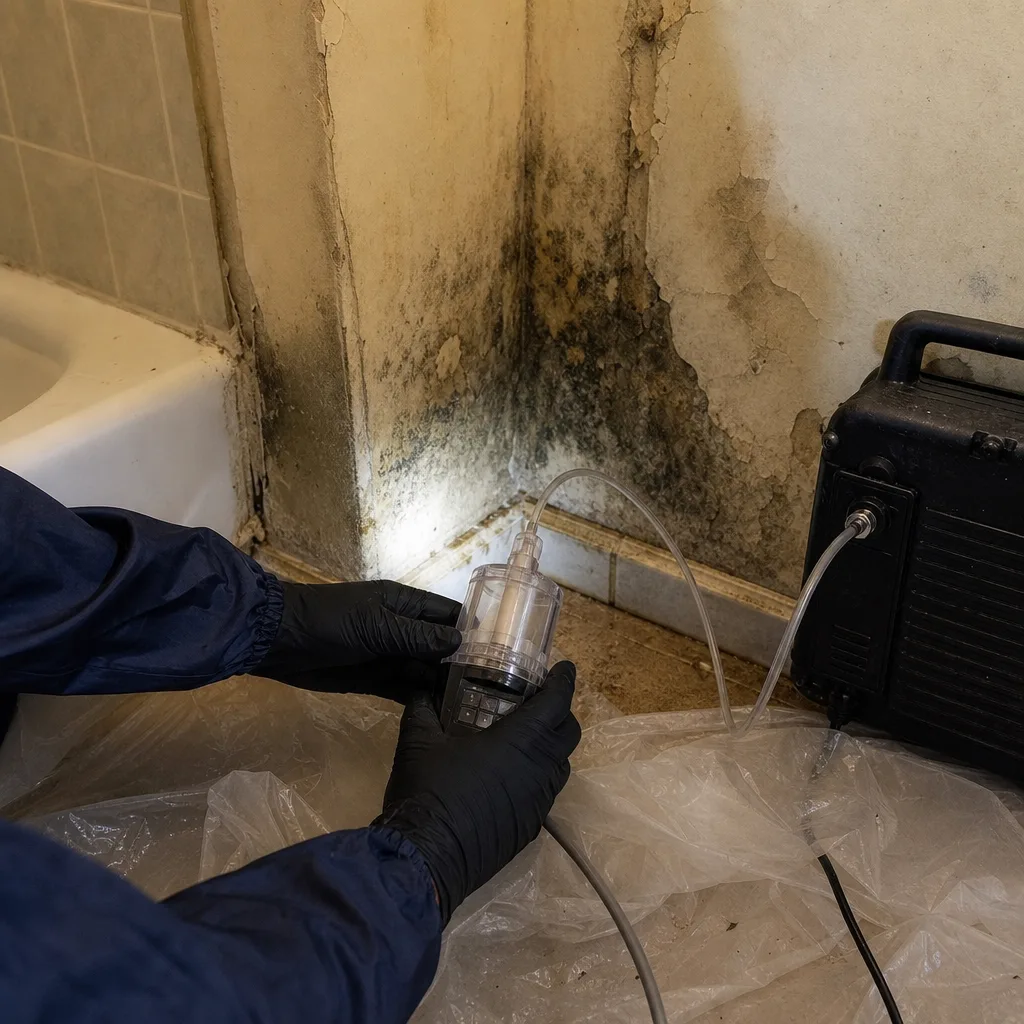
Our inspections combine visual assessment, moisture mapping with thermal imaging, and air quality sampling analyzed by independent laboratories. In Coral Springs, we probe the interior base of exterior CBS block walls as standard practice, not as an add-on, because hidden cavity colonization is the defining failure mode in this market.
Mold Removal
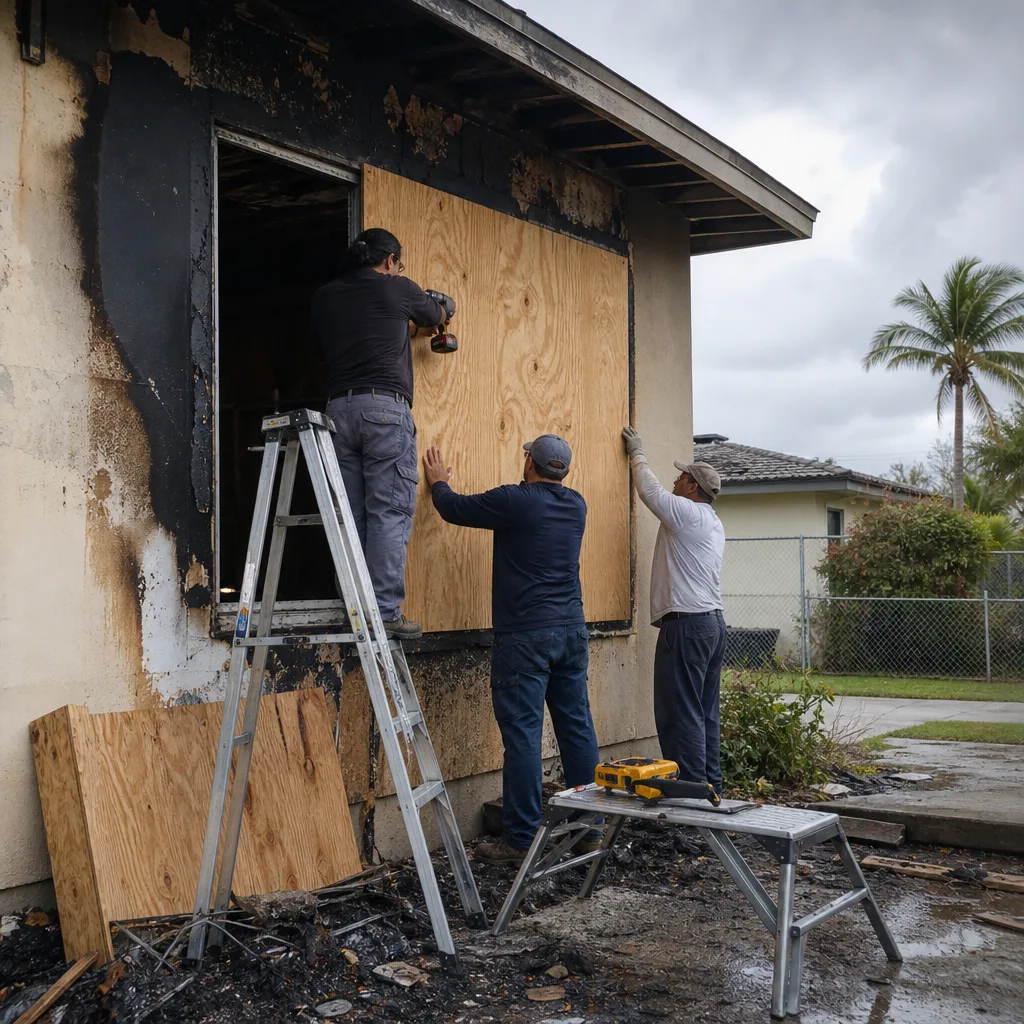
Containment, HEPA filtration, and controlled demolition of contaminated porous materials, followed by antimicrobial treatment and post-remediation verification. Every removal project in Coral Springs includes the two-week follow-up probe protocol developed specifically for canal-backing CBS construction.
Black Mold Remediation
Stachybotrys chartarum and other toxigenic species require enhanced containment, full-face respirator protocols, and strict disposal procedures. We document chain-of-custody for contaminated materials and provide laboratory clearance documentation for insurance and real estate transactions.
Air Quality Restoration
After remediation, HEPA scrubbers continue running until independent air sampling confirms spore counts at or below outdoor background levels. For Coral Springs homes with chronic humidity issues, we design permanent dehumidification strategies to prevent recurrence.
Crawl Space Treatment
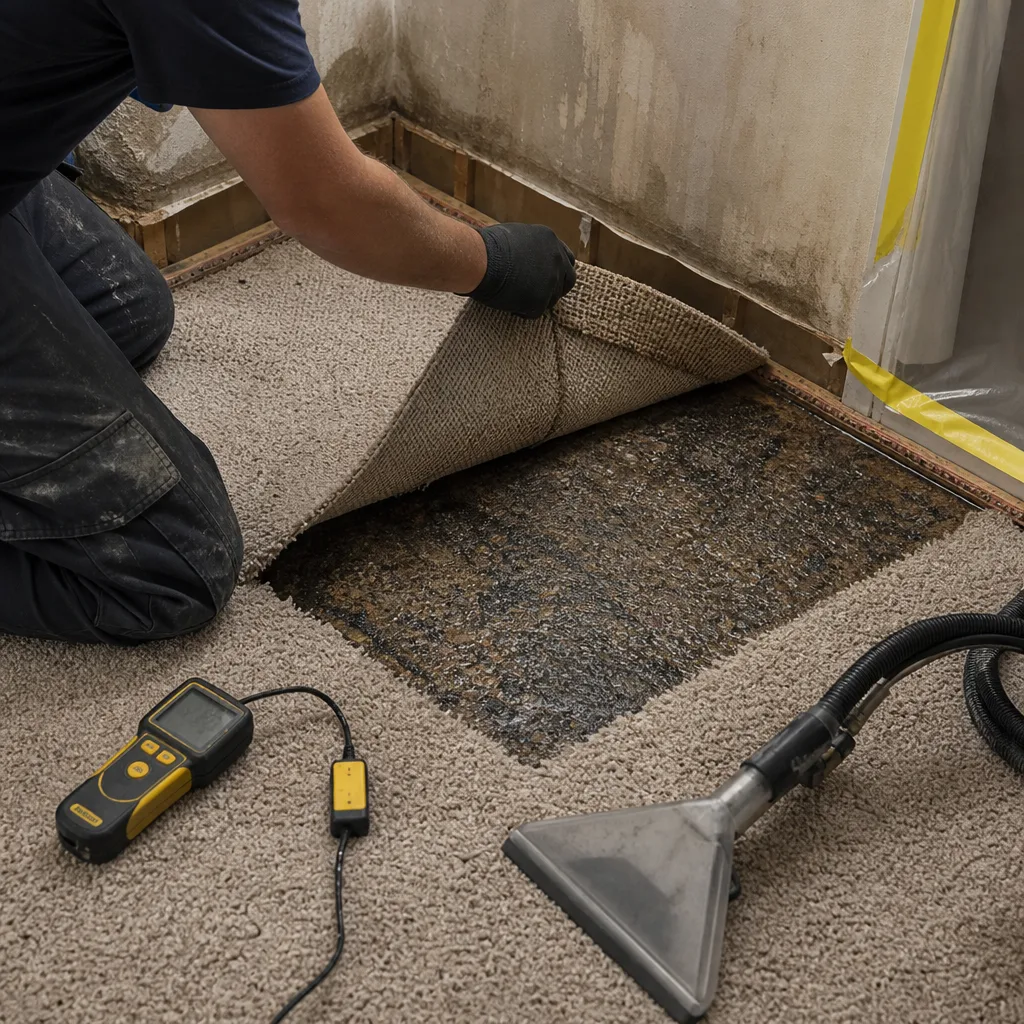
Slab-on-grade construction dominates Coral Springs, but where crawl spaces exist, typically in additions or specific subdivisions, we install vapor barriers, seal vents, and deploy dedicated dehumidifiers to break the moisture cycle that feeds mold growth.
Moisture & Humidity Control
The single most effective mold prevention measure in Coral Springs’s climate. We install whole-home and targeted dehumidification systems, improve ventilation in chronically damp areas, and provide ongoing monitoring recommendations based on your home’s specific moisture profile.
What happens when you call
- 1
A real person answersNo phone trees - you reach a local pro.
- 2
You get an upfront price rangeHonest numbers before anyone is dispatched.
- 3
A background-checked tech heads outLicensed & insured, dispatched right away.
- 4
You approve before work beginsNothing starts until you say go.
Mold Remediation Costs in Coral Springs, FL
A typical mold inspection with moisture mapping in Coral Springs runs $250-$450. Limited remediation of under 10 square feet, contained to one room with no material removal, typically costs $500-$1,200. Moderate remediation involving drywall and insulation removal in a single contained area runs $1,500-$4,000. Major contamination exceeding 100 square feet, or involving HVAC systems and whole-home air scrubbing, ranges from $4,500-$12,000 or more depending on square footage and reconstruction scope.
What moves the price: the square footage of contained area, the category of water that caused the mold (Category 3 sewage backup requires more extensive removal), whether asbestos-containing materials are present in pre-1990 construction, and the extent of reconstruction needed after remediation. Most mold remediation resulting from sudden water damage is covered by standard homeowners insurance, though gradual leaks and maintenance-related moisture are typically excluded. We review your policy language and provide documentation to support your claim. Every project starts with a free visual inspection and a written price before any work begins, Haven Standard, Clause 1. Call (754) 222-3479 for an exact quote on your property.
We Also Serve Cities Near Coral Springs
Our crews respond throughout the western Broward County corridor, including Coral Springs and neighboring Margate, Coconut Creek, Pompano Beach, and Plantation. Each city shares the same inland basin geography and canal-dependent drainage, though loss patterns vary by housing age and proximity to conservation areas.
Serving Coral Springs, FL - Our Local Coverage Area
We’re based in the Coral Springs area and know this community well. Use the map below to see our service coverage - if you’re nearby, we can almost certainly help.
Coral Springs Mold Remediation Questions, Answered
Why does mold appear in my Coral Springs CBS block wall weeks after the flood water is gone?
Because Coral Springs’ CBS block walls wick and hold water long after a canal-backing flood event looks resolved, moisture continues migrating inward through the porous block for weeks.
The slab-on-grade foundation and exterior block wall assembly acts like a wick, drawing water from saturated soil upward and inward. Surface drying with air movers only addresses the interior face; the core of the block and the cavity behind it remain damp. In Coral Springs’s humidity above 70%, that residual moisture sustains mold colonization that only becomes visible when it reaches the interior surface or produces enough metabolic byproduct to create odor. Our protocol includes probing the interior base of exterior walls at two weeks post-event to catch this before it spreads. Call (754) 222-3479 to schedule a follow-up probe if you’ve had recent water intrusion.
Does mold really start that fast after water gets into my Coral Springs home?
Yes, in Coral Springs’s climate, mold colonization can begin within 24 to 48 hours of water intrusion.
The combination of year-round temperatures above 70°F and relative humidity routinely above 70% creates optimal conditions for spore germination on organic surfaces like drywall paper facing, wood framing, and dust accumulation. CBS construction doesn’t prevent this; it delays visible detection by hiding growth inside wall cavities. The block itself is inorganic, but the paper-faced drywall, wood furring, and accumulated organic debris inside the cavity provide ample food source. Speed matters for containment, not just drying. Call (754) 222-3479 for immediate response.
What does full moisture mapping involve if my townhome has tight clearances and alley-loaded access?
Moisture mapping uses non-invasive thermal imaging and pin-type probes to identify wet substrates without removing materials unnecessarily.
In tight Coral Springs townhome clearances where equipment staging is limited, we prioritize targeted probe locations at the base of exterior walls, around plumbing chases, and beneath windows where seal failure is common. Thermal imaging identifies temperature differentials that indicate evaporative cooling behind surfaces; pin probes confirm actual moisture content in wood framing and drywall. We work with property management for roof access and coordinate containment setup to minimize disruption to neighboring units. The moisture map becomes part of your documented record for insurance. Call (754) 222-3479 to schedule mapping for your property.
Why do crews have to probe my exterior block walls a second time after a Coral Springs storm?
The first inspection catches visible water and surface moisture; the second probe catches the hidden migration pattern unique to Coral Springs’s canal-backing CBS construction.
After a tropical rain event or SFWMD water release, the exterior block of Coral Springs homes can remain saturated for weeks while interior surfaces read dry. Our field data shows cavity colonization peaks at 10 to 14 days post-event in this construction type. The second probe, conducted with moisture meters at the interior base of exterior walls, identifies elevated readings that predict mold growth before it becomes visible or odorous. This protocol was developed specifically for Coral Springs’s planned-canal-community housing stock and is standard on every canal-backing job we handle. Call (754) 222-3479 if your home flooded recently and you haven’t had a follow-up probe.
How do restoration pros decide what can be dried and what must come out?
The decision rests on water category, material porosity, and contamination level, documented with moisture readings and photo evidence.
Non-porous materials like tile, sealed concrete, and metal can be cleaned and dried in place. Porous materials that absorbed Category 2 or 3 water, including drywall, insulation, carpet pad, particleboard, and baseboards, are removed because antimicrobial treatment cannot reliably penetrate to eliminate embedded contamination. In Coral Springs’s 1970s-90s homes, we also remove water-damaged plaster and lath where present, and any material showing visible mold growth beyond surface level. Every removal decision is documented with before-and-after photos and moisture content percentages for your insurance file. Call (754) 222-3479 for a documented assessment of your specific damage.
Will my insurance cover mold remediation in Coral Springs?
Mold remediation is covered when it results from a sudden, accidental water event like a burst pipe, storm damage, or appliance failure.
Gradual leaks, maintenance neglect, and long-term humidity issues are typically excluded under standard policy language. For covered events, we document the water source, the timeline of discovery, and the direct causal link between water damage and mold growth to support your claim. We provide Xactimate-formatted estimates, photo documentation, and direct adjuster coordination. If your claim is disputed, our documentation package, built from the first hour of response, provides the evidence trail that resolves most coverage questions. Call (754) 222-3479 and we will review your situation and policy language at no charge.
How long does mold remediation take in Coral Springs?
Most limited remediation projects are completed in 1 to 3 days; moderate projects run 3 to 7 days; major contamination may require 1 to 2 weeks or more.
Coral Springs’s high humidity extends drying phases compared to drier climates, and the CBS block wall probe protocol adds a mandatory two-week follow-up visit for canal-backing events. Post-remediation air sampling requires 24 to 48 hours of laboratory turnaround. Reconstruction timing depends on material availability and scope. We provide a written timeline with your written price before work begins, Haven Standard, Clause 1. Call (754) 222-3479 for a project-specific schedule.
Can my family stay in the home during mold remediation?
For limited contamination under 10 square feet in a non-occupied room, occupants typically remain with containment barriers in place and HEPA scrubbers running.
For moderate or major contamination, or when toxigenic species are identified, temporary relocation is recommended during active remediation and until post-remediation air sampling confirms safe levels. We coordinate with your insurance adjuster when additional living expense coverage applies. Every containment setup includes negative air pressure verification to prevent spore migration to unaffected areas. Your safety documentation includes air scrubber serial numbers, HEPA filter ratings, and laboratory clearance results. Call (754) 222-3479 to discuss your specific situation.
Written by Alicia Brennan, Owner at DryMark Restoration Hollywood, serving Coral Springs since 2011.
Mold Remediation in Nearby Areas