
Free visual inspection and a written scope of work before any mitigation begins - photos, moisture readings, and drying logs go in your claim file
The scope we write is the scope we bill. Anything new gets shown to you, in writing, before we touch it.
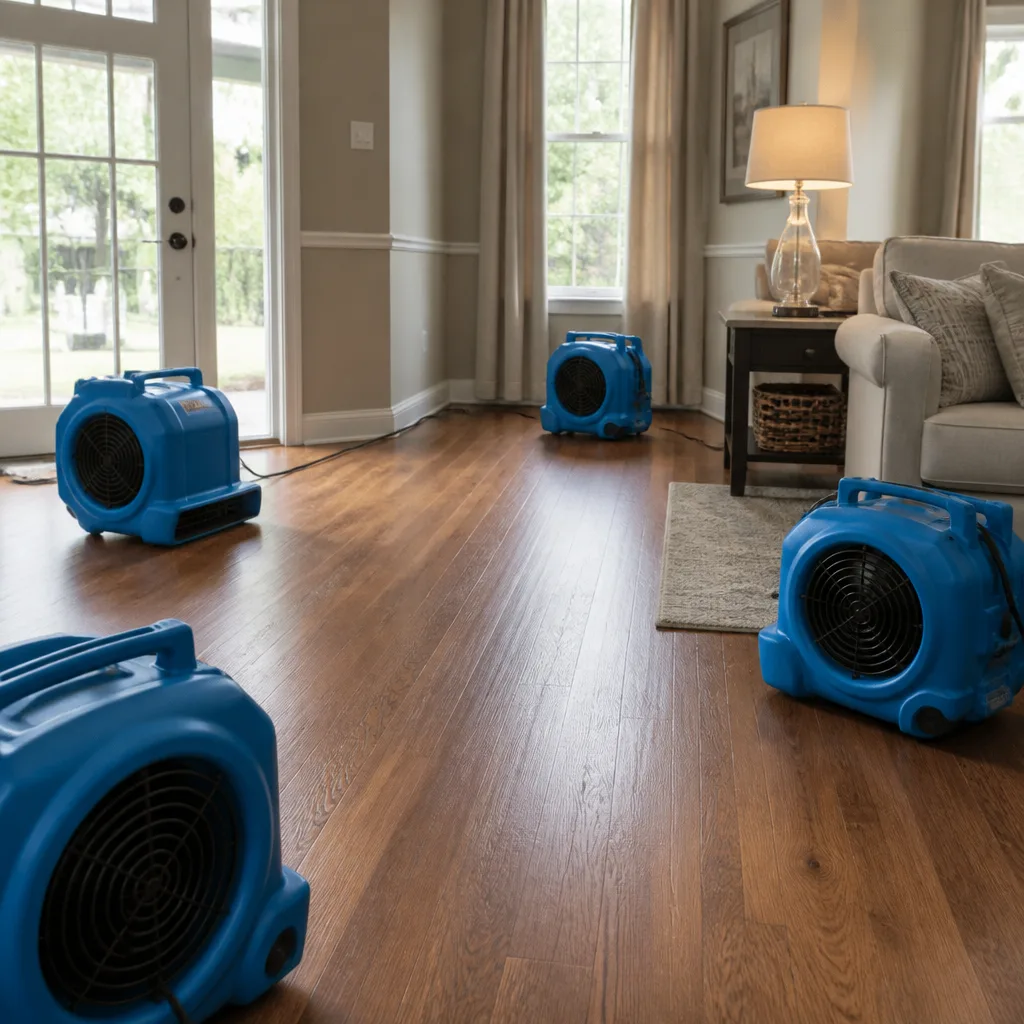
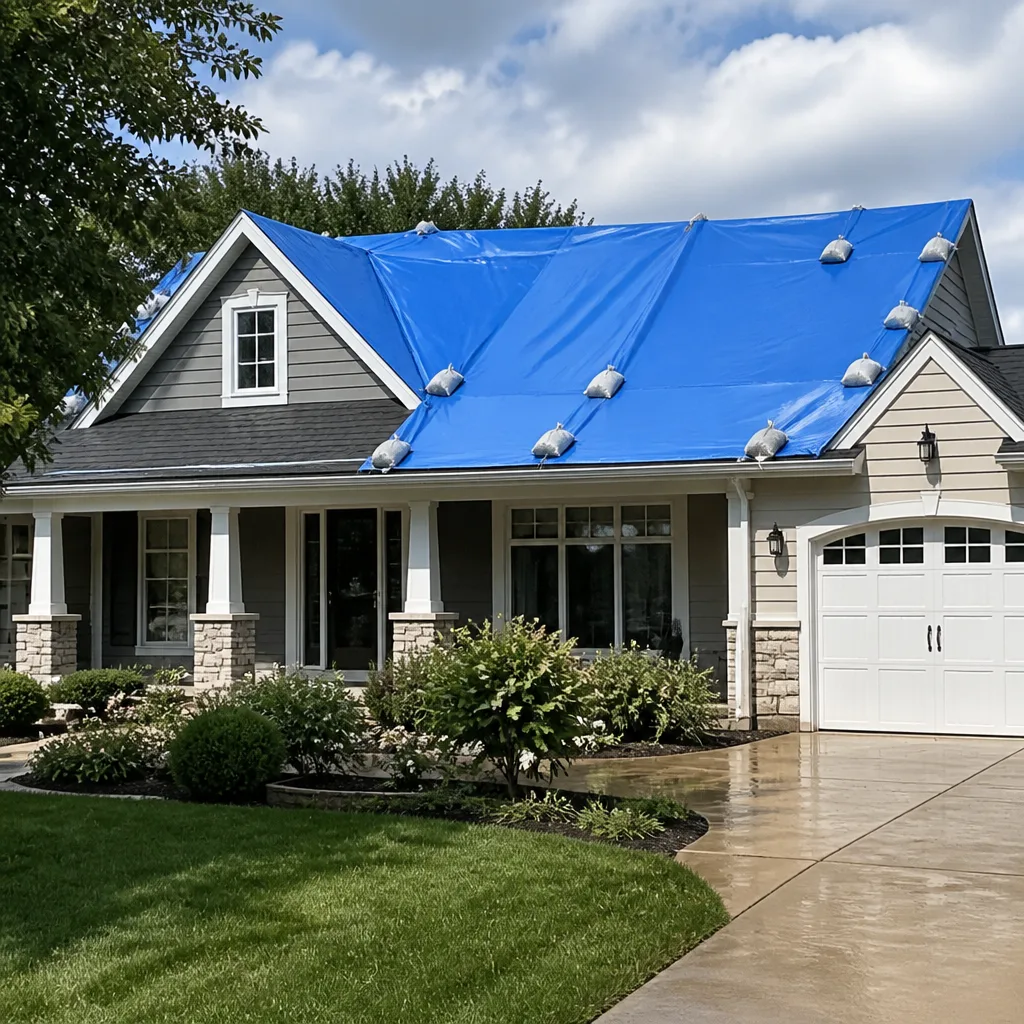
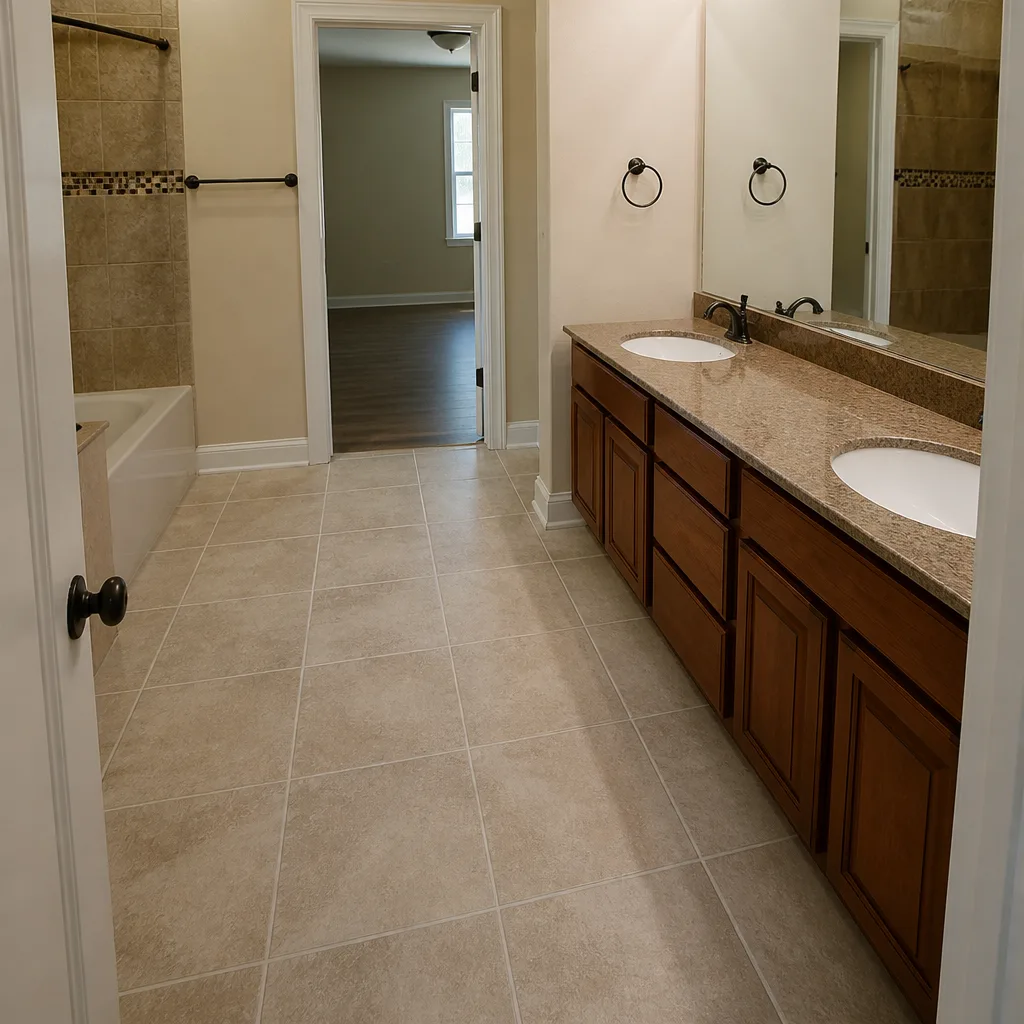
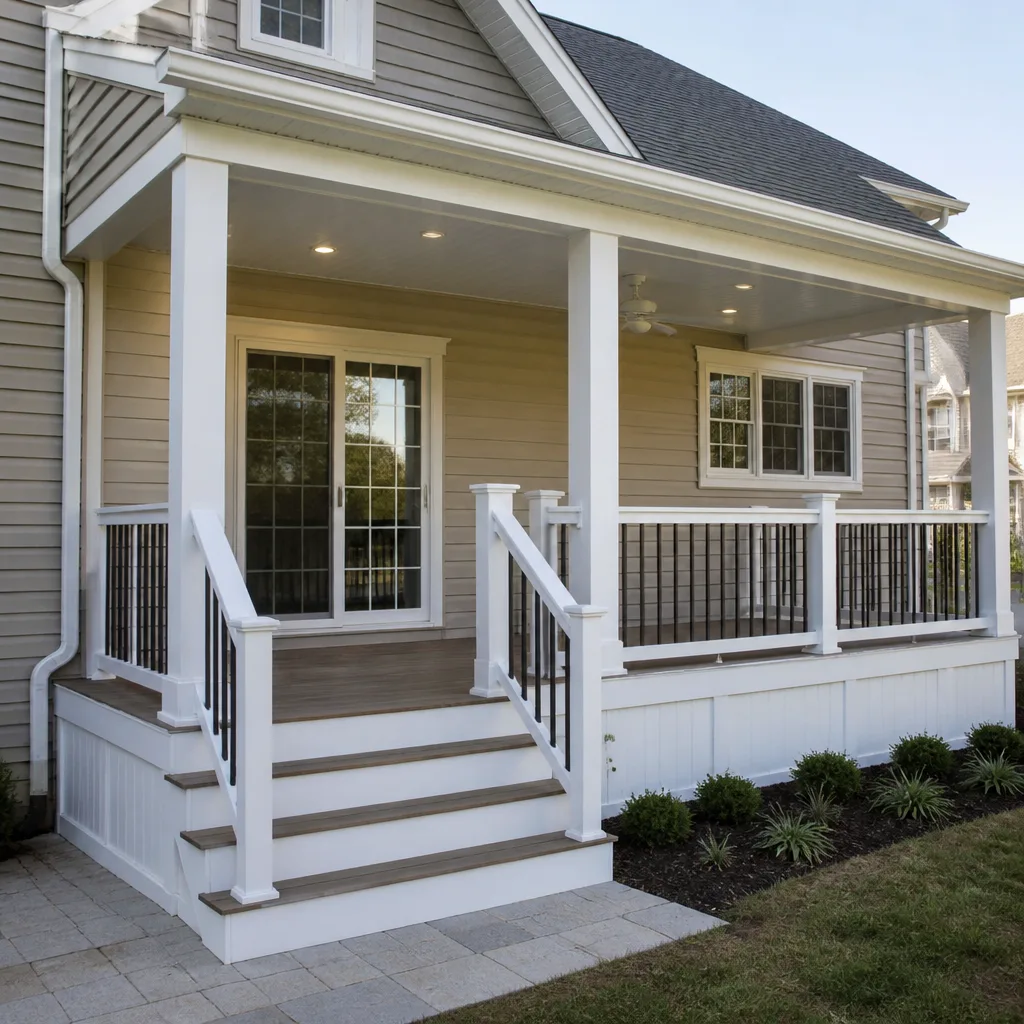
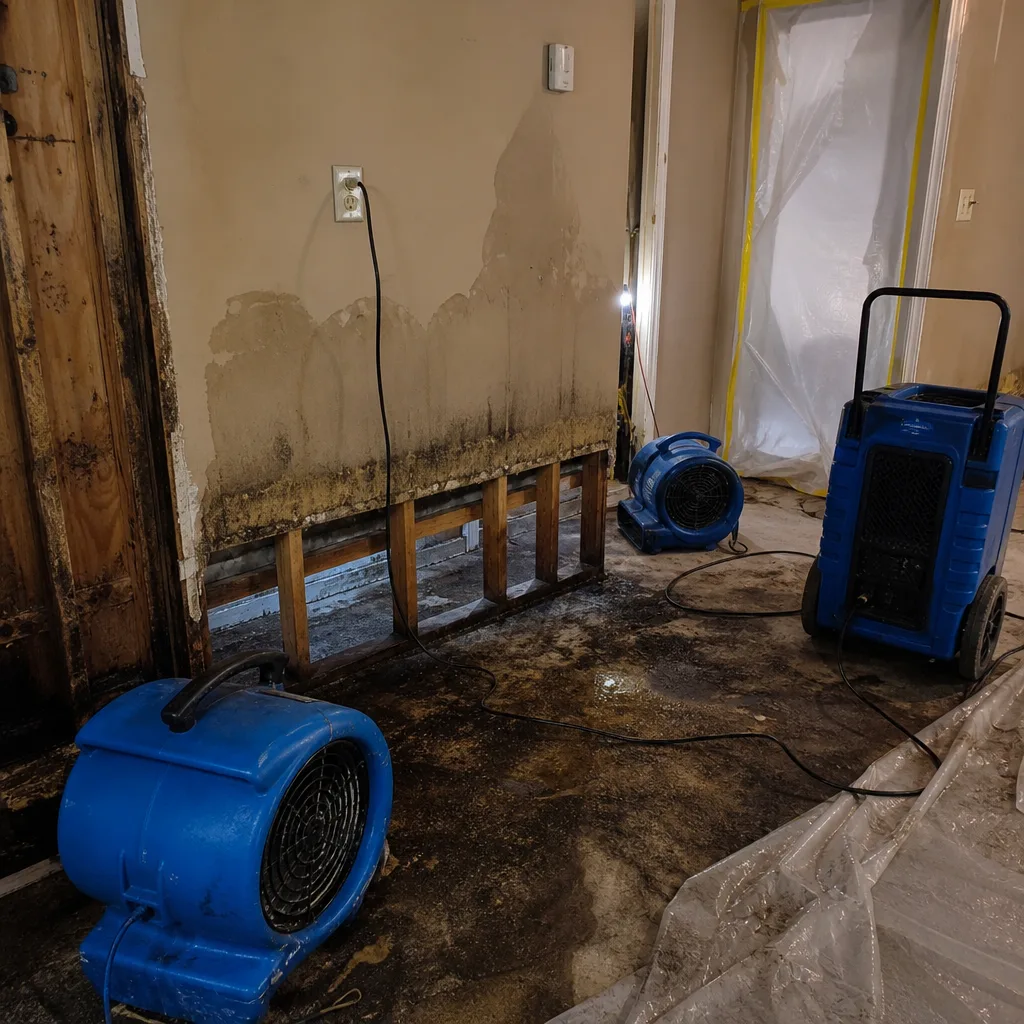 Before
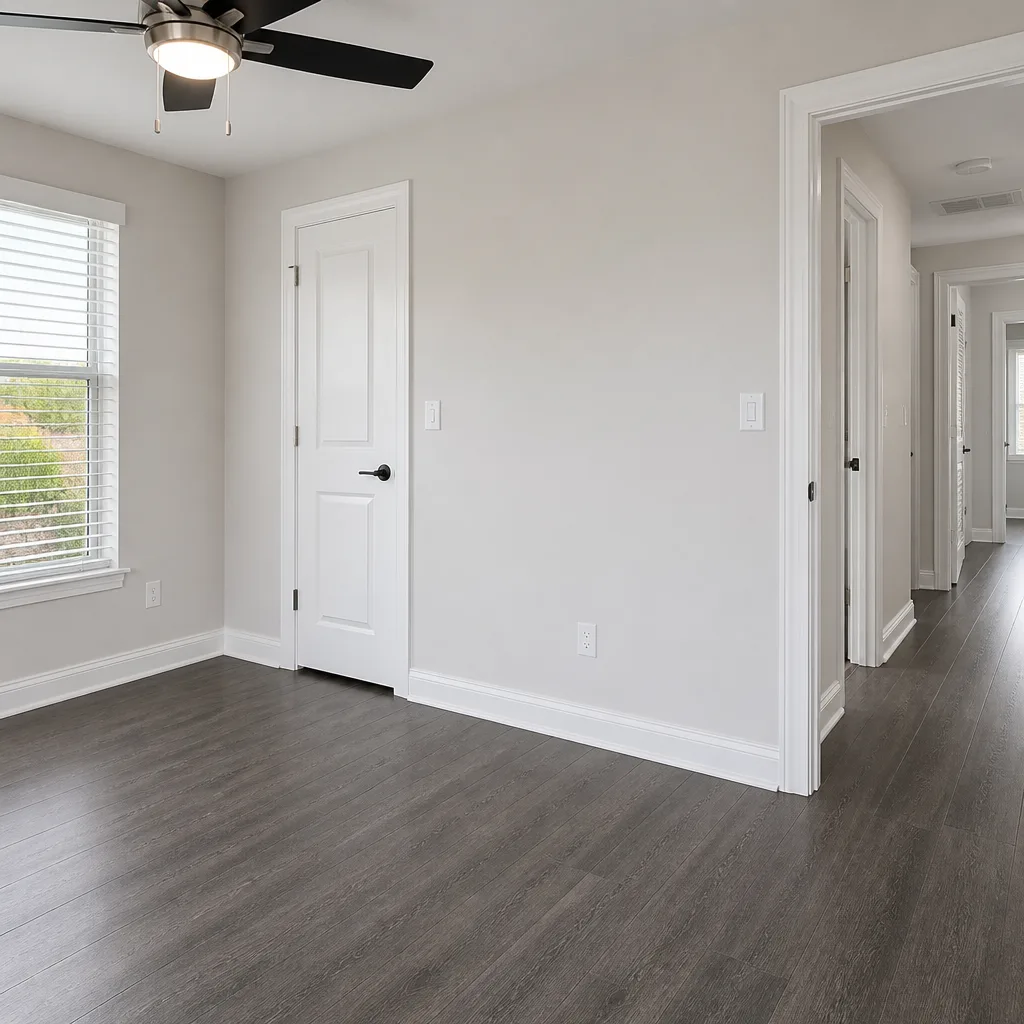 After
After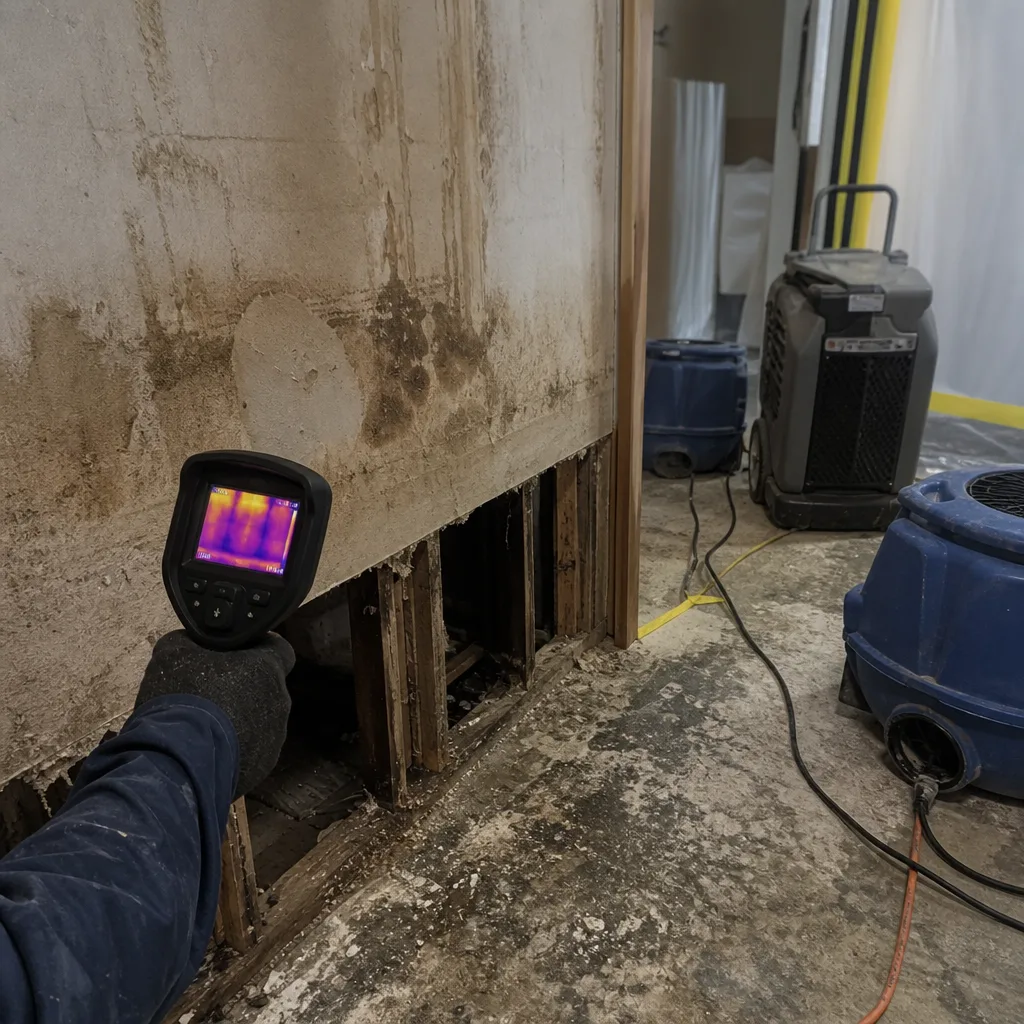 Before
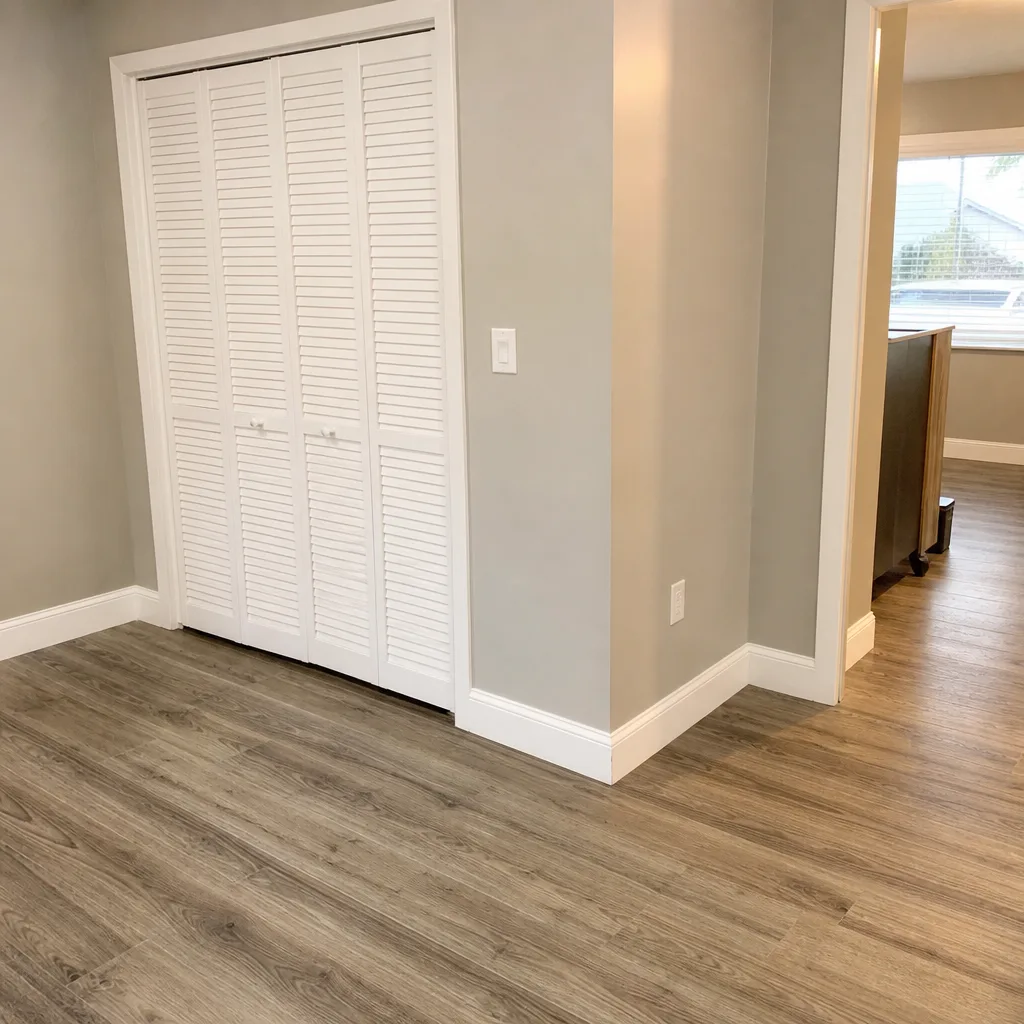 After
After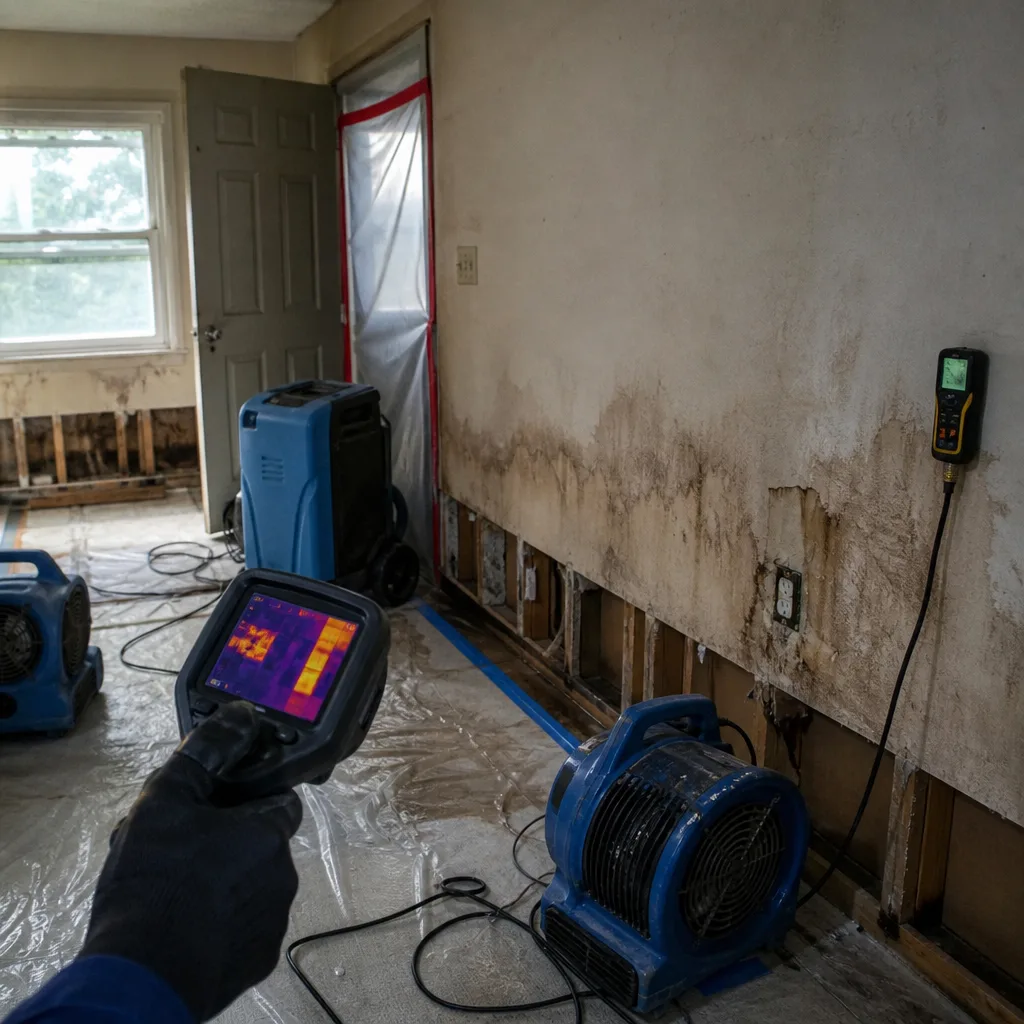 Before
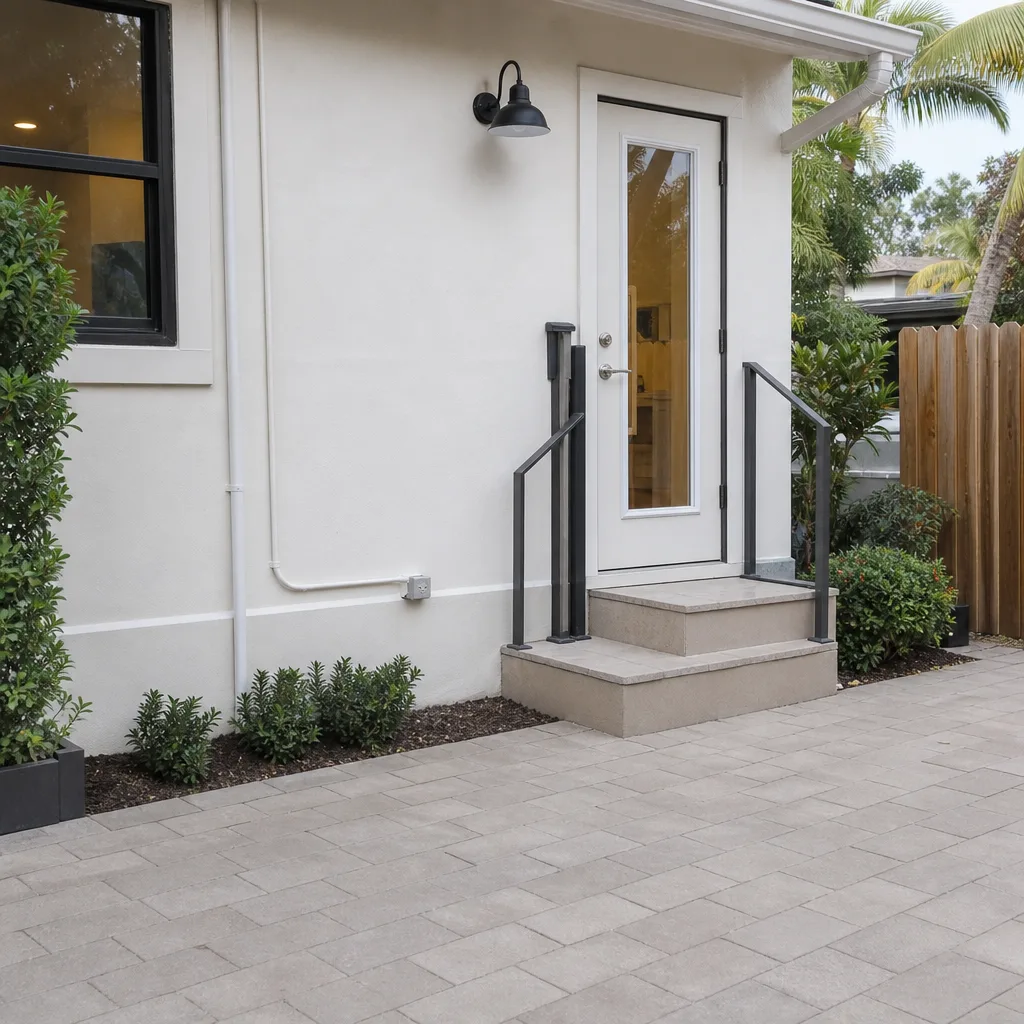 After
After24/7 Emergency Mold Remediation in Miami Gardens
Mold remediation in Miami Gardens typically runs $1,800-$4,500 for contained single-room jobs and $6,000-$15,000+ for whole-house colonization following prolonged water intrusion. Most inspections can be scheduled same day, and our crews carry containment and air-scrubbing equipment on every truck. Call (754) 222-3479 now - a live person answers, 24 hours a day, with no voicemail trees while water keeps moving through your walls.
We dispatch from our Miami office directly into Miami Gardens, usually reaching properties near Hard Rock Stadium, along the NW 183rd Street corridor, or in the Lake Lucerne area within 45 minutes of your call. The first hour matters because Miami Gardens’s pre-1992 CBS homes, built before Hurricane Andrew rewrote the Florida Building Code, absorb and wick moisture through open-cell block walls faster than wood-frame construction. Our Mold Remediation team arrives with moisture meters, thermal imaging, and HEPA containment already staged - not borrowed from another job, not ordered after we look.
Every inspection is free. We document what we find, write the scope, and deliver a firm price before any containment goes up. Haven Standard, Clause 1.
Understanding Mold Remediation Severity in Miami Gardens Properties
Mold severity follows the water source and the time elapsed. Category 1 water - a clean supply line or rainwater - colonizes slowly, 48-72 hours in dry conditions. Category 2, with chemical or biological loading, accelerates that window. Category 3, groundwater or sewage, can trigger visible mold in 24 hours. In Miami Gardens, the baseline is already compromised: year-round relative humidity above 75% and temperatures averaging 80°F mean the “safe” window shrinks by half.
The local housing stock makes this worse. Those 1950s-1970s CBS ranch homes with flat built-up roofs were never designed for South Florida’s current rainfall intensity. Successive re-roofing with layered membranes traps water between plies. Our crews use moisture mapping - a systematic grid of readings with calibrated pinless meters - to locate hidden saturation that visual inspection misses. Psychrometric data, the measurement of air temperature, relative humidity, and vapor pressure differential, tells us whether the environment inside your walls can support continued mold growth even after visible water is gone.
Tertiary drying, the final phase where we drop vapor pressure low enough to pull bound moisture from dense materials, takes longer in CBS construction than wood frame. We plan for that. Inexperienced crews don’t, and mold returns.
Why Miami Gardens Property Owners Choose DryMark Restoration Hollywood
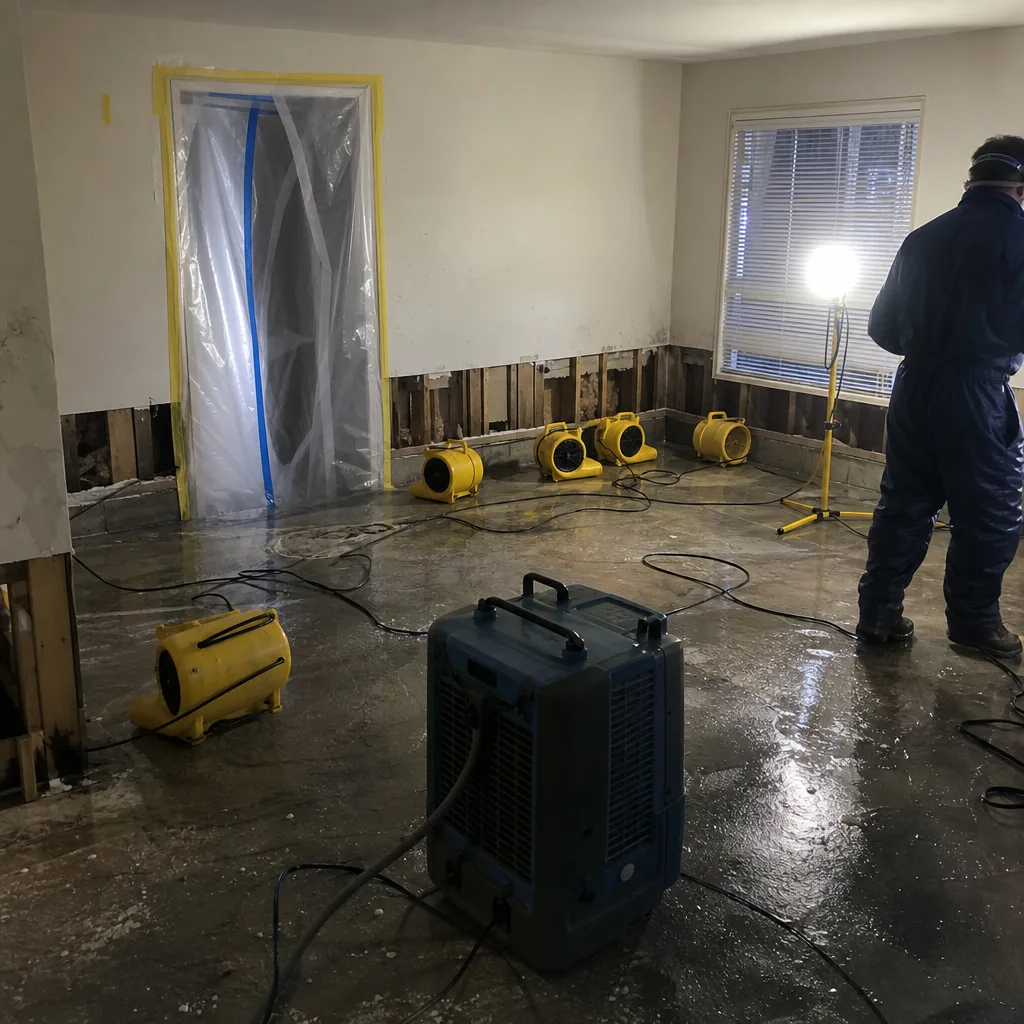
- 45-minute response commitment to Miami Gardens properties - our trucks stage with equipment loaded, not dispatched from a warehouse after your call.
- 24/7 live answer: a real person, never an automated system, on every call, every hour, including holidays.
- IICRC-certified crews holding WRT (Water Damage Restoration Technician), AMRT (Applied Microbial Remediation Technician), and FSRT (Fire & Smoke Restoration Technician) credentials - license numbers provided on request.
- Free visual inspection and moisture assessment, with written findings delivered before any work discussion.
- Direct insurance billing and adjuster coordination - we speak the language of claims, because our founder spent years on the other side of the desk.
- One team from containment to clearance testing to reconstruction - no handoffs to unknown subcontractors, no gaps in documentation.
 Before
 After
AfterOur Mold Remediation Process
1. Inspection & Assessment
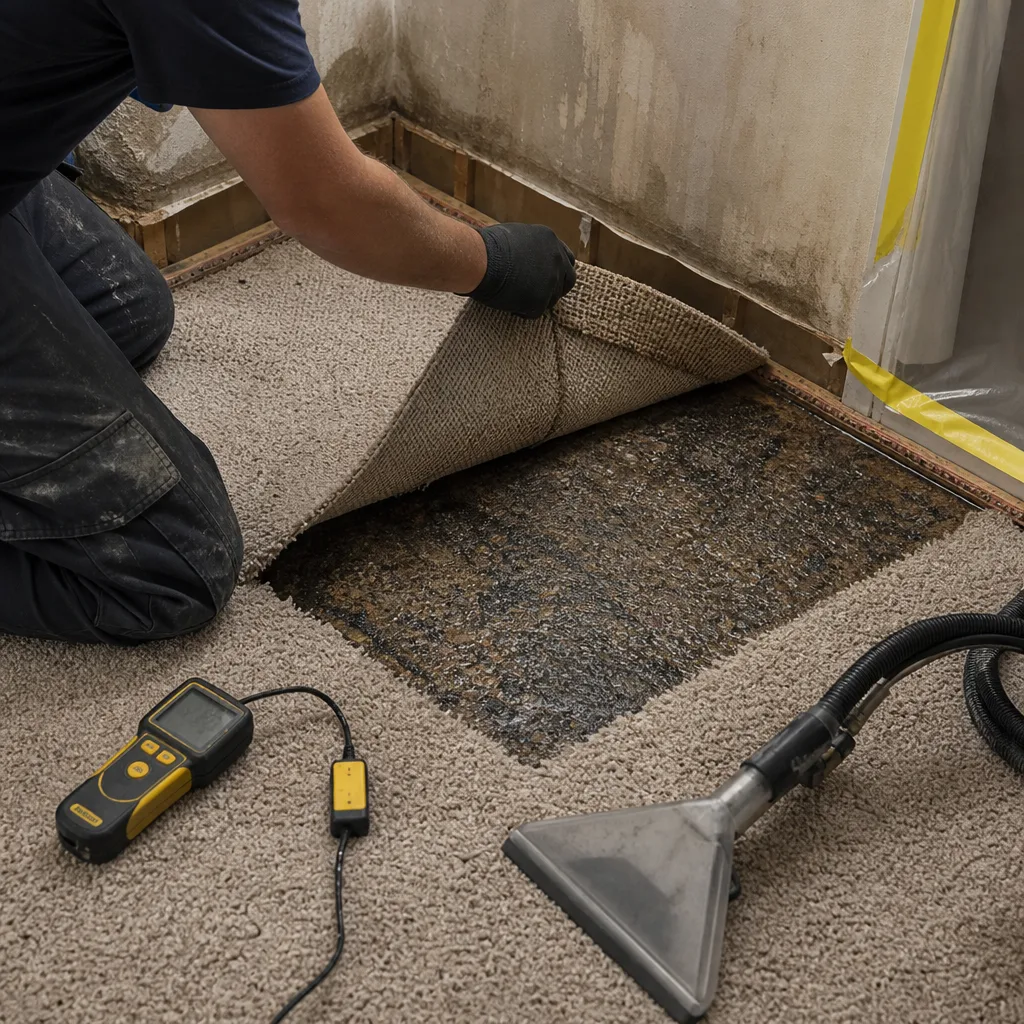
We arrive with FLIR thermal imaging, Tramex moisture meters, and borescopes for wall cavity inspection. In Miami Gardens’s flat-roof CBS homes, we map the full membrane system, not just the visible stain. The written assessment includes moisture readings by room, photo documentation, and a defined containment strategy.
2. Containment & Air Filtration
Negative-air containment goes up first - polyethylene barriers, sealed entry chambers, and HEPA air scrubbers running at 500+ CFM. This prevents cross-contamination to unaffected areas, critical in Miami Gardens’s smaller ranch layouts where HVAC systems share air across the entire house.
3. Moisture Extraction & Structural Drying
We deploy Dri-Eaz and Phoenix LGR dehumidifiers sized to the cubic footage and vapor load, plus Injectidry systems for wall cavity drying. CBS block walls require extended drying cycles - we run daily moisture logs until wood equivalent moisture (WME) drops below 16%, the threshold where mold cannot sustain growth.
4. Cleaning & Antimicrobial Treatment
HEPA vacuuming of all surfaces, followed by EPA-registered antimicrobial application to porous materials that can be salvaged. Non-salvageable materials are removed with documented square footage for insurance. We treat the block itself, not just the finish, because open-cell concrete block retains spores in its void structure.
5. Black Mold & Air Quality Restoration
Stachybotrys and other toxigenic species require enhanced PPE, sealed waste transport, and post-remediation air sampling by an independent third-party laboratory. We coordinate clearance testing to AIHA/IESO standards, with results delivered before containment comes down.
6. Repairs & Moisture Control
Our reconstruction crew replaces drywall, insulation, and finish materials to match existing. We install supplemental dehumidification or ventilation where Miami Gardens’s ambient humidity makes recurrence likely. The 365-Day Done Right Promise covers all work under The Haven Standard.
Need Emergency Mold Remediation in Miami Gardens Now?
Crews minutes away, answering live 24 hours a day. The sooner we start, the less it costs.
Working With Your Insurance Company
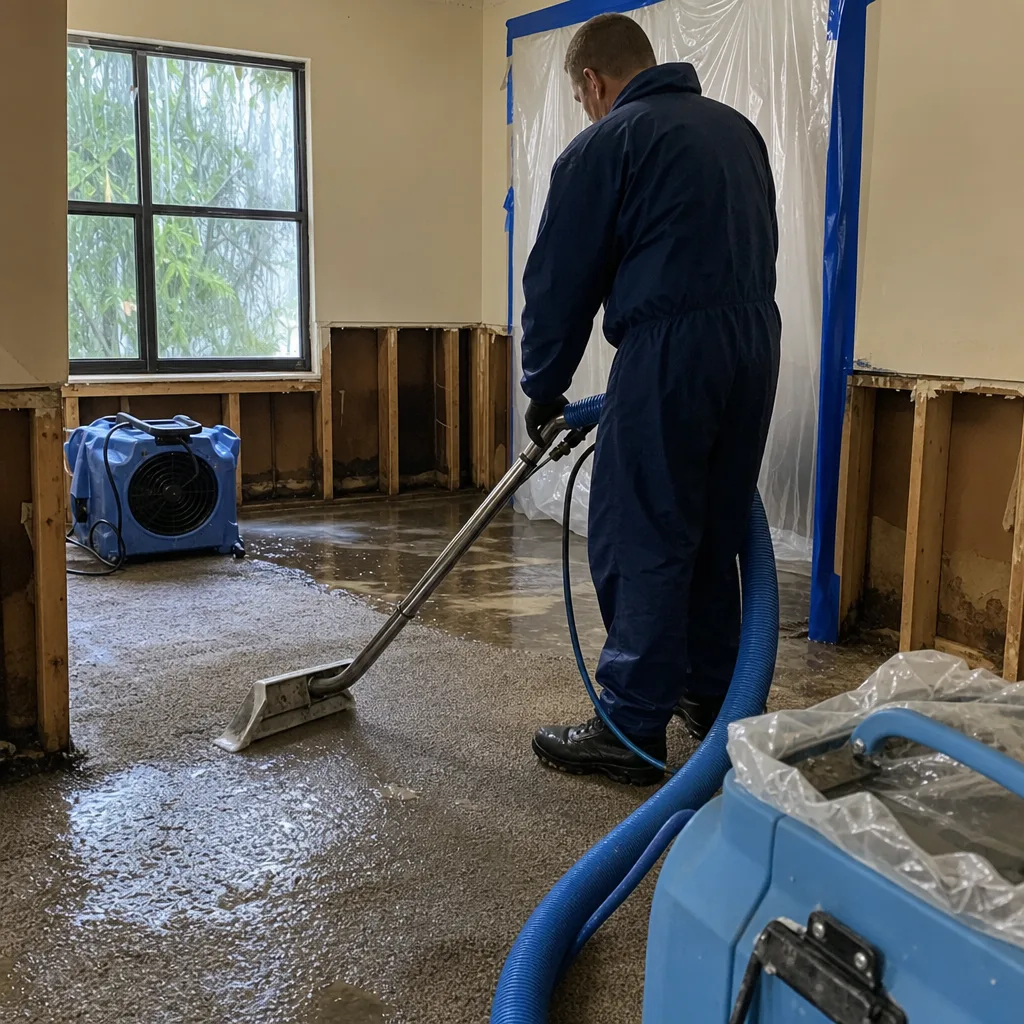
Insurance claims succeed or fail on documentation. We know this because Alicia Brennan founded Back to Dry Restoration in 2011 after watching homeowners lose legitimate claims to incomplete files. Every Miami Gardens job starts with a photo record - time-stamped, geotagged, room-by-room - and continues with daily moisture logs, equipment placement diagrams, and a line-item scope written to Xactimate standards.
Your adjuster receives the same file we give you: no selective editing, no withheld readings. We coordinate directly, attend inspections when requested, and provide supplemental documentation if coverage questions arise. The goal is a payable claim on first submission, not a three-month appeals process.
What We Provide Your Insurer
- Thorough documentation of the loss
- Photos of all damage, room by room
- Moisture readings and drying logs
- A detailed, line-item scope of work
- Direct coordination with your carrier
Built for Miami Gardens’s Loss Calendar
January through May brings dry-season stability, but cold fronts can still drive wind-driven rain through aging flat-roof flashings. June marks the shift: tropical moisture, afternoon thunderstorms, and the wet-season water table rise that turns slab cracks into secondary water sources. July through September is peak risk - hurricane season叠加 (overlapping) with the highest humidity readings of the year. October’s late tropical systems often cause the worst damage, because roofs weakened by summer storms fail under sustained loading.
We were called to a 1968 single-story CBS ranch off NW 183rd Street where the homeowner had patched a ceiling stain for months; after a July thunderstorm, moisture readings showed 28% WME across the hallway ceiling. Moisture mapping revealed a four-layer roof membrane had channeled water six feet laterally from a failed seam, and our containment and structural drying crew pulled the saturated drywall, applied antimicrobial treatment, and ran Dri-Eaz dehumidification for three days - mold was already visible on the back of the drywall, confirming the sub-48-hour colonization risk. Because the homeowner wanted it fixed in one trip, we completed the scope of work and left drying logs with daily readings so his insurance adjuster could verify pre-loss condition.
November through December offers brief recovery windows, but we never schedule maintenance remediation then - the next system is already forming.
Mold Remediation Across Miami Gardens’s Neighborhoods
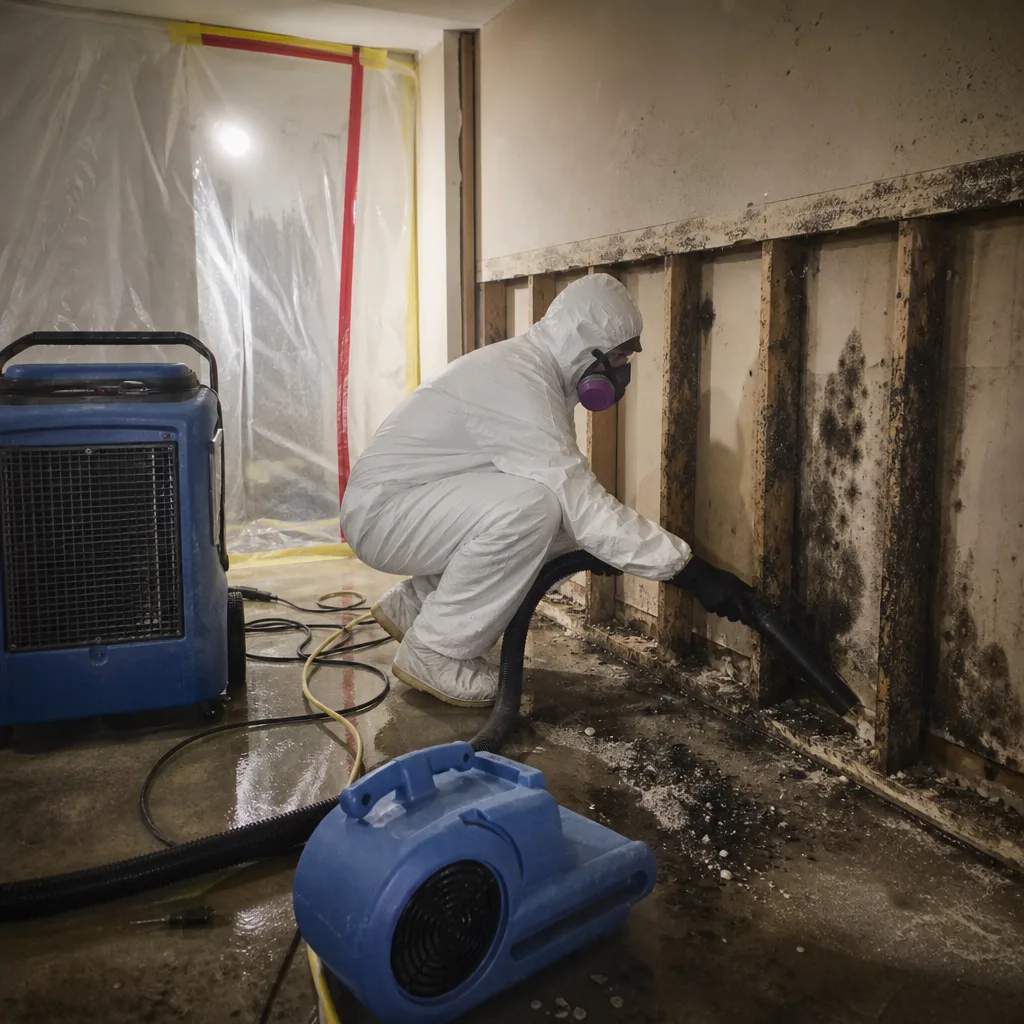
The NW 183rd Street corridor, running east-west through the city’s northern tier, is our highest-call-density zone. The 1950s-1970s CBS ranches here have the layered membrane problem in its most acute form. Crews working near Rolling Oaks Park or the Lake Lucerne subdivision find similar stock, with the added complication of mature landscaping that traps ground moisture against slab foundations. We check perimeter grade on every job; negative slope toward the block is common and fixable, but only if someone looks.
Properties near Hard Rock Stadium, particularly the commercial and mixed-use buildings along NW 27th Avenue, present different challenges - larger footprints, shared HVAC, and occupancy constraints that require night and weekend containment work. We’ve developed protocols for minimal-disruption remediation in these settings, with temporary barriers that maintain business operations in adjacent spaces.
The southern neighborhoods toward County Line Road, including areas bordering I-75, tend toward slightly newer construction - 1980s and early 1990s - but still pre-Andrew. These homes often have the first generation of hurricane straps and better roof-to-wall connections, yet the same flat-roof membrane aging. Our inspection checklist adapts: we verify strap condition when attic access exists, because a roof that’s technically code-compliant can still leak for years before visible damage appears.
Near the Miami-Dade/Broward line, we coordinate closely with properties that may fall under either county’s environmental health jurisdiction. The remediation standards are similar, but permit pathways differ. We handle both.
Specialized Mold Remediation Services We Offer in Miami Gardens
Mold Inspection & Testing
Our inspections start with moisture mapping, not guesswork. In Miami Gardens, we specifically probe for lateral membrane travel on flat roofs and slab-edge moisture in low-lying lots. Air and surface sampling goes to AIHA-accredited laboratories; we don’t perform our own testing to avoid conflict of interest. Results typically return in 48-72 hours, with species identification and concentration data that informs the remediation scope.
Black Mold Remediation
Stachybotrys chartarum and other toxigenic molds require containment beyond standard practice: full-face respirators, sealed disposable suits, and negative-pressure HEPA scrubbing at 6+ air changes per hour. We follow IICRC S520 standards for microbial remediation and coordinate independent post-remediation verification. In Miami Gardens’s humid climate, we also address the moisture source with permanent solutions, not just removal.
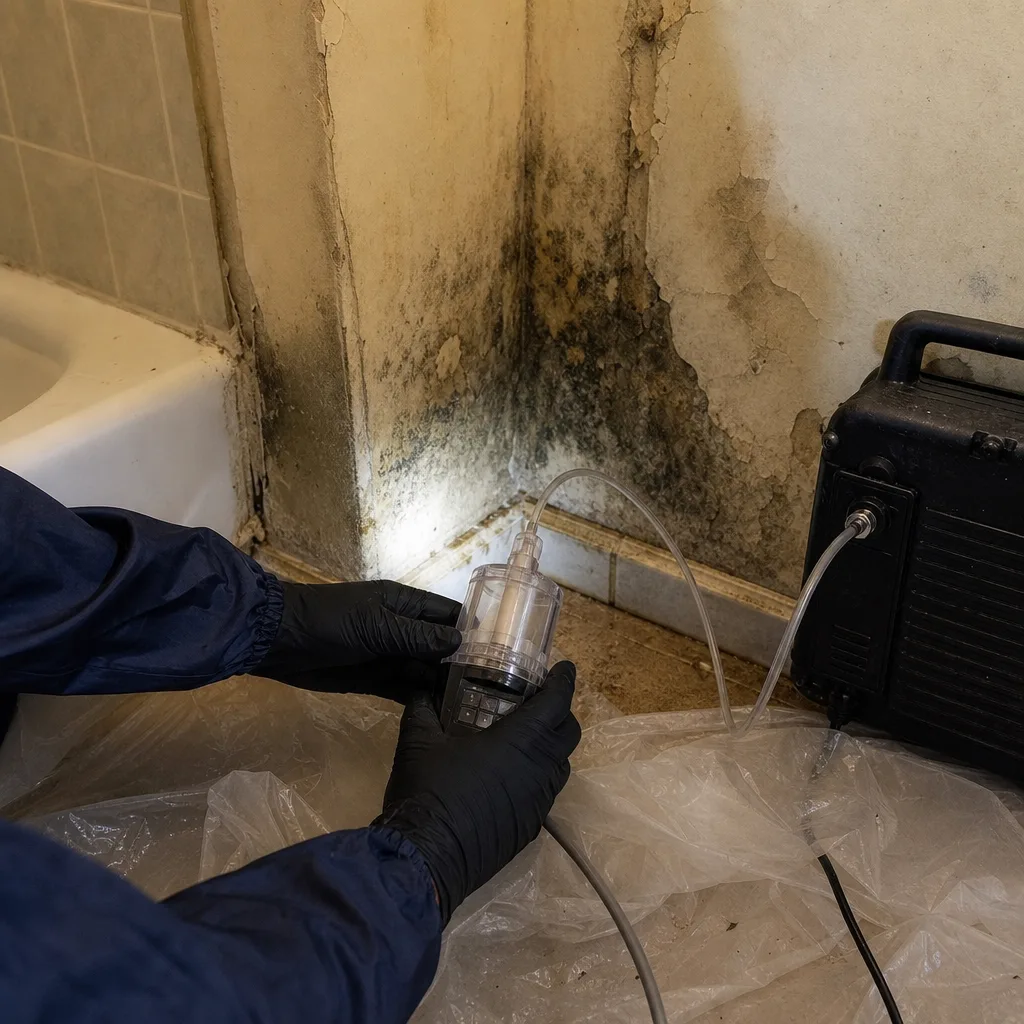
Air Quality Restoration
Post-remediation, we restore HVAC systems with duct cleaning, coil treatment, and filter upgrades to MERV 13 or better. Miami Gardens’s year-round AC operation means ductwork is a continuous circulation path; if spores entered the system before containment, they will redistribute until physically removed.
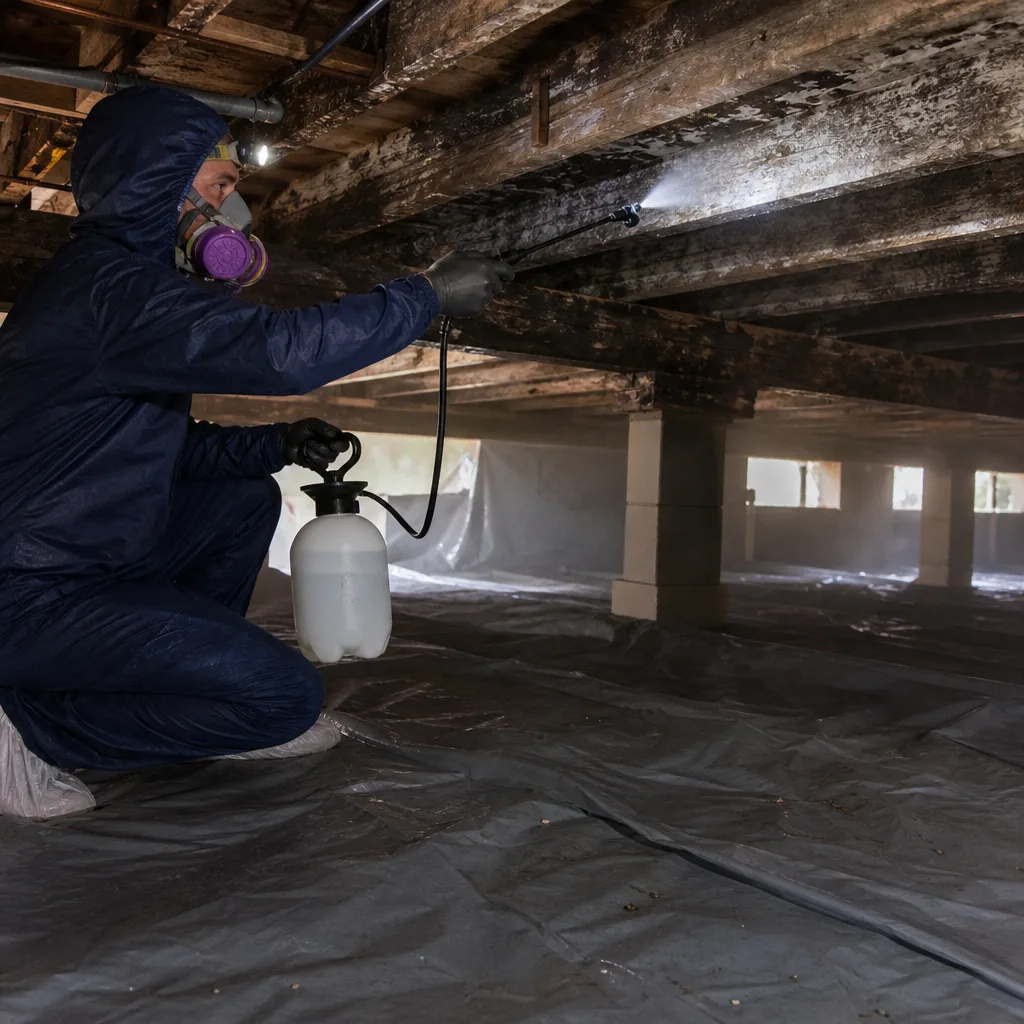
Crawl Space Treatment
Raised-floor homes in the Lake Lucerne area and near drainage canals often have vented crawl spaces that become mold incubators during wet season. We install vapor barriers, seal vents where appropriate, and deploy dedicated dehumidification - treating the crawl space as a conditioned zone rather than an afterthought.
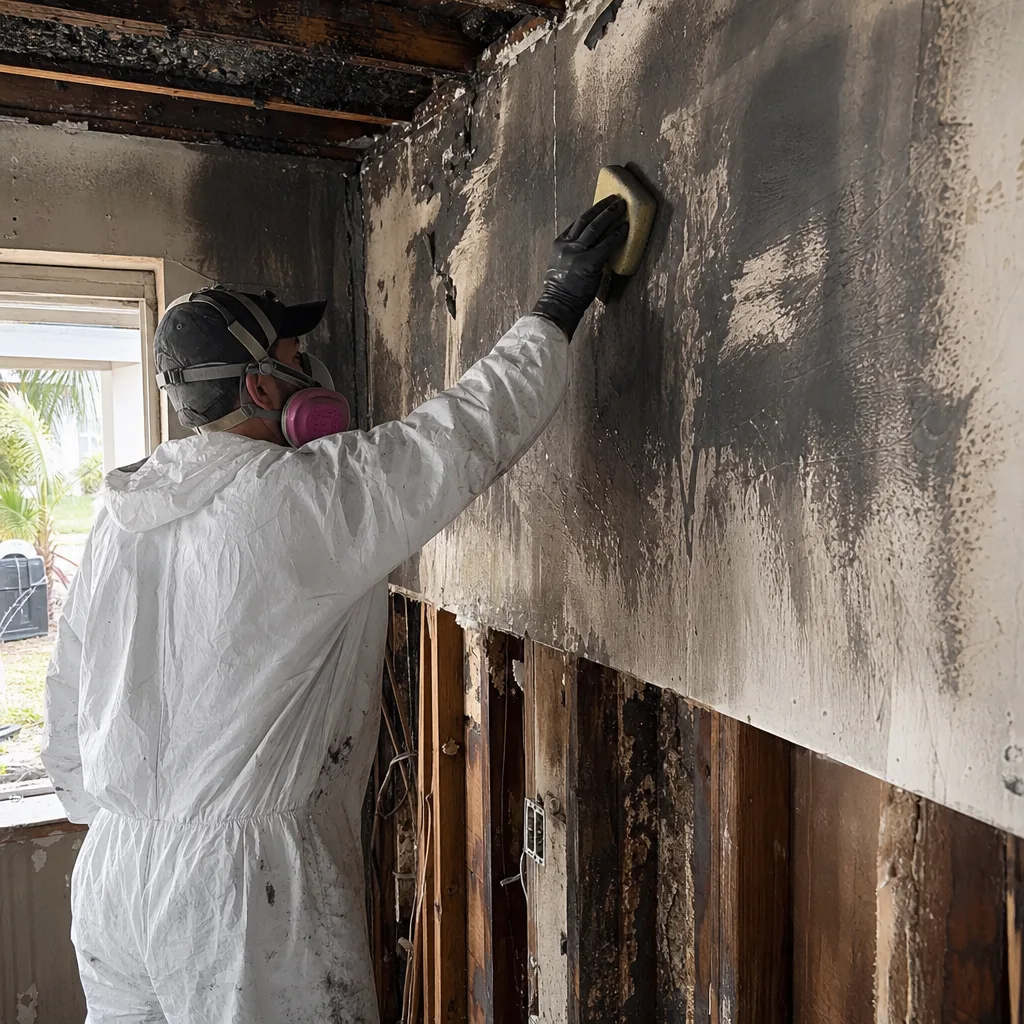
Moisture & Humidity Control
Permanent mold prevention in Miami Gardens requires managing ambient humidity, not just responding to leaks. We specify and install whole-home dehumidification, supplemental ventilation for problem rooms, and smart moisture monitoring that alerts homeowners before readings reach colonization thresholds. This is especially critical for seasonal residents who may not detect problems for weeks.
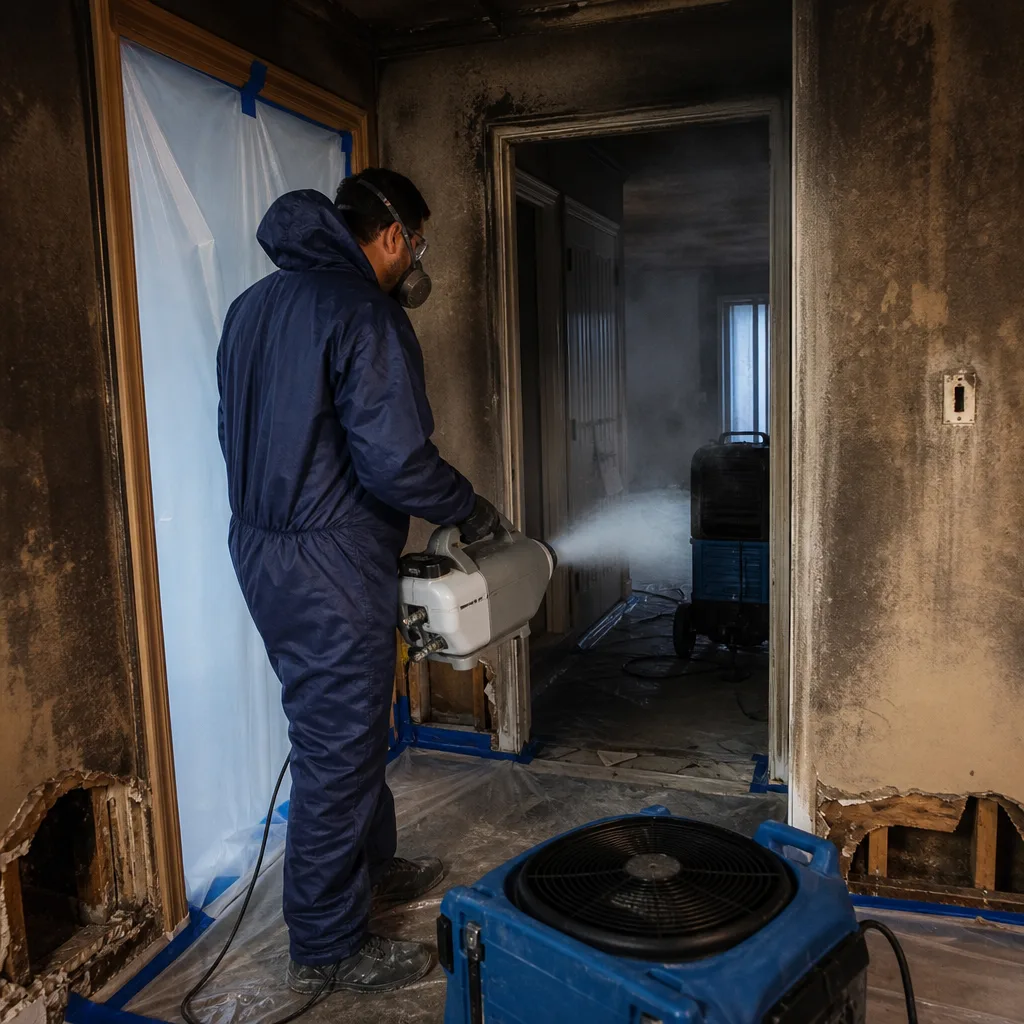
What happens when you call
- 1
A real person answersNo phone trees - you reach a local pro.
- 2
You get an upfront price rangeHonest numbers before anyone is dispatched.
- 3
A background-checked tech heads outLicensed & insured, dispatched right away.
- 4
You approve before work beginsNothing starts until you say go.
Mold Remediation Costs in Miami Gardens, FL
A typical contained single-room mold remediation in Miami Gardens runs $1,800-$4,500. Whole-house colonization following prolonged roof or slab intrusion: $6,000-$15,000+, with complex structural drying and reconstruction at the higher end. Here’s how Miami Gardens pricing breaks down:
| Service | Typical Range |
|---|---|
| Mold inspection & moisture mapping | $0 (free visual) - $450 (full lab testing) |
| Single-room containment & remediation | $1,800 - $4,500 |
| Multi-room with HVAC decontamination | $4,500 - $9,000 |
| Whole-house with structural drying | $9,000 - $15,000+ |
| Independent clearance testing | $350 - $650 |
What moves the price: square footage of affected area, species identification (toxigenic molds require enhanced protocols), accessibility (attic and crawl space work adds labor), and whether reconstruction is included. Insurance typically covers mold remediation when the underlying water damage is a covered peril - sudden storm breach, pipe rupture, AC overflow. Long-term maintenance issues - the leak you ignored for three seasons - may be excluded. We review your policy language and document the loss origin to support coverage arguments.
Bring any competitor’s written estimate; our Free Second Opinion reviews it at no charge. Haven Standard, Clause 1 applies to our pricing too: written price before work begins, every time. Call (754) 222-3479 for your inspection.
We Also Serve Cities Near Miami Gardens
Our Mold Remediation in Miami Gardens crews also respond to properties in Hialeah, North Miami Beach, Pembroke Pines, and Hollywood - the same equipment, the same documentation standards, the same 365-Day Done Right Promise. Dispatch and scheduling are coordinated from our Miami office; crews serve each city locally without the franchise-model variability that fragments accountability.
Serving Miami Gardens, FL - Our Local Coverage Area
We’re based in the Miami Gardens area and know this community well. Use the map below to see our service coverage - if you’re nearby, we can almost certainly help.
Miami Gardens Mold Remediation Questions, Answered
How quickly does mold grow in Miami Gardens homes after a roof leak?
Mold can colonize within 24-48 hours in Miami Gardens’s climate, compared to 48-72 hours in drier regions. The combination of 75%+ relative humidity, 80°F+ temperatures, and open-cell CBS block walls that wick moisture inward creates optimal growth conditions almost immediately after water intrusion. Call (754) 222-3479 immediately after any suspected leak - our moisture mapping finds hidden saturation before visible mold appears.
My Miami Gardens flat roof has multiple membrane layers-does that affect mold remediation?
Yes, significantly. Four to five overlapping membrane layers, common along NW 183rd Street and similar corridors, trap water that travels laterally far from the actual breach point. Crews who dry only the visible ceiling stain miss the wet substrate inside the membrane stack and behind the block. Our moisture mapping protocol specifically tests for this lateral travel, and our scopes include membrane-edge inspection and extended drying cycles. Underestimating this is the single most common cause of failed remediation in Miami Gardens.
Can you tell the difference between a Category 1 roof leak and Category 3 groundwater in my Miami Gardens home?
Yes, and distinguishing them is critical for both health safety and insurance coverage. During wet season, Miami Gardens’s water table rises to within inches of grade; slab cracks allow groundwater intrusion simultaneous with roof leaks. We test water source using conductivity meters, inspect slab perimeters for efflorescence, and review the loss timeline. Category 3 groundwater requires more extensive antimicrobial treatment, different disposal protocols, and specific documentation for health department notification. Misclassification by an inexperienced crew can leave Category 3 contamination untreated or void your coverage.
How does the CBS block construction in Miami Gardens change the drying timeline?
Open-cell concrete block walls absorb and redistribute moisture faster than wood frame, but release it more slowly. Standard 3-day drying timelines, adequate for wood construction in drier climates, often fail in Miami Gardens CBS homes. We extend structural drying to 5-7 days minimum, with daily moisture logs showing progressive WME reduction. Tertiary drying, where we lower vapor pressure enough to pull bound moisture from the block itself, requires additional equipment runtime. Rushing this step guarantees mold recurrence.
Do you handle mold remediation in Miami Gardens crawl spaces and attic spaces?
Yes, both are common in our Miami Gardens work. Attic mold follows roof leaks and inadequate ventilation; we install temporary decking for safe access and HEPA-contained removal. Crawl spaces, found in raised-floor homes near Lake Lucerne and drainage canals, require vapor barrier installation and often dedicated dehumidification. Both spaces demand specific safety protocols - confined space entry, enhanced ventilation, and often temperature-extremes PPE. Our AMRT-certified crews are equipped for both.
Will my insurance cover mold remediation in Miami Gardens?
Insurance covers mold remediation when the underlying water damage is from a sudden, accidental covered peril - storm breach, pipe rupture, AC system failure. It typically excludes mold from long-term maintenance neglect or gradual leaks. We document the loss origin with photos, moisture readings, and timeline analysis to support coverage. Our direct adjuster coordination includes Xactimate-standard estimates and supplemental documentation for disputed claims. Bring your policy; we’ll review coverage specifics before any work begins.
How long does full mold remediation take in a typical Miami Gardens home?
Contained single-room remediation: 3-5 days active work plus 48-hour clearance testing. Multi-room or whole-house with structural drying: 7-14 days. Reconstruction adds 3-10 days depending on finish complexity. CBS construction extends drying but not necessarily total timeline, because we parallel-process containment setup and material procurement. We provide a day-by-day schedule with your written scope, updated daily with actual progress. No open-ended projects.
Can my family stay in the home during mold remediation?
Sometimes, for contained single-room jobs with no HVAC contamination and no toxigenic species. More often, temporary relocation is safer and more comfortable - containment creates noise, negative air pressure differences, and restricted access to parts of the home. For whole-house or black mold remediation, we recommend relocation until clearance testing confirms safe reoccupancy. We coordinate with your insurance on additional living expense documentation when coverage applies.
Every mold remediation job we complete in Miami Gardens carries the 365-Day Done Right Promise under The Haven Standard. If it’s not done right, we make it right. That guarantee is written, signed, and transferable - not a verbal assurance that disappears with the crew.
Written by Alicia Brennan, Owner at Back to Dry Restoration, serving Miami Gardens since 2011.
Mold Remediation in Nearby Areas