
Last updated September 23, 2026
Free visual inspection and a written scope of work before any mitigation begins - photos, moisture readings, and drying logs go in your claim file
The scope we write is the scope we bill. Anything new gets shown to you, in writing, before we touch it.
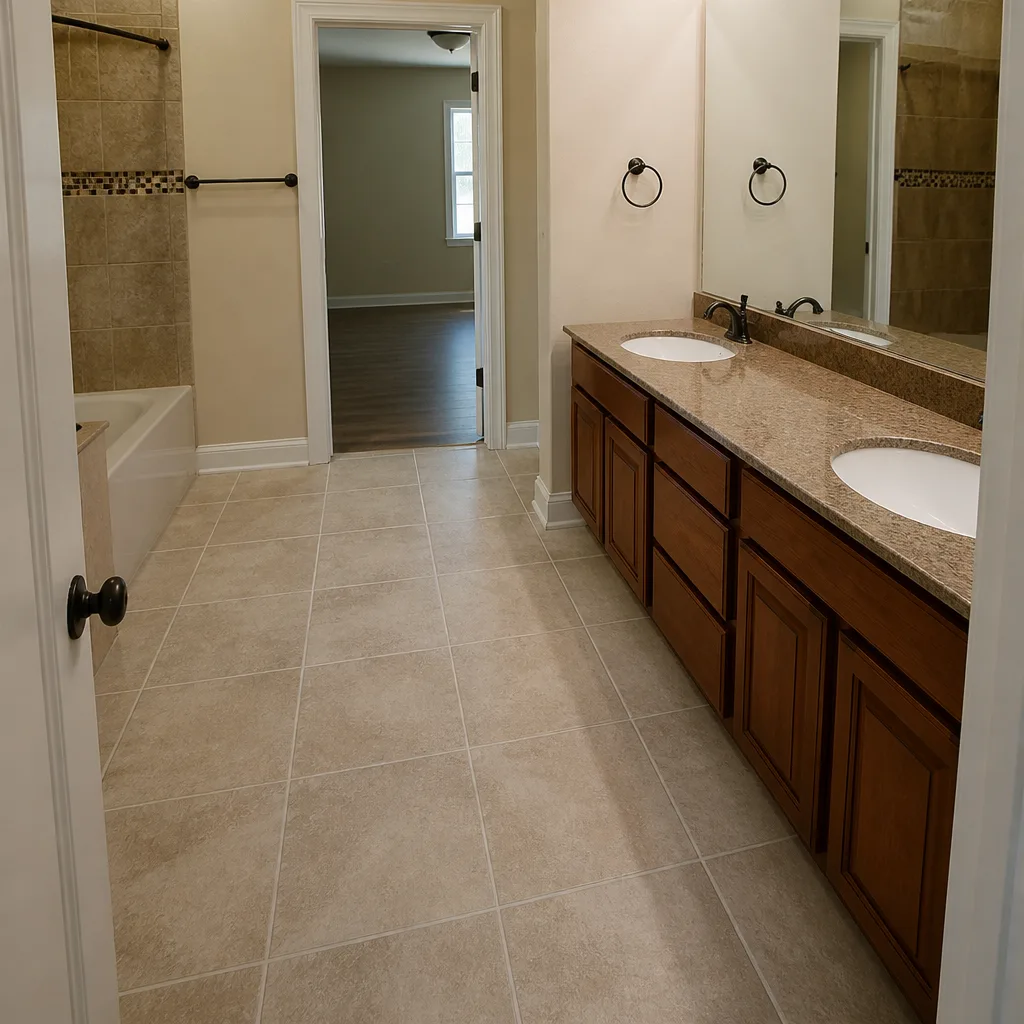
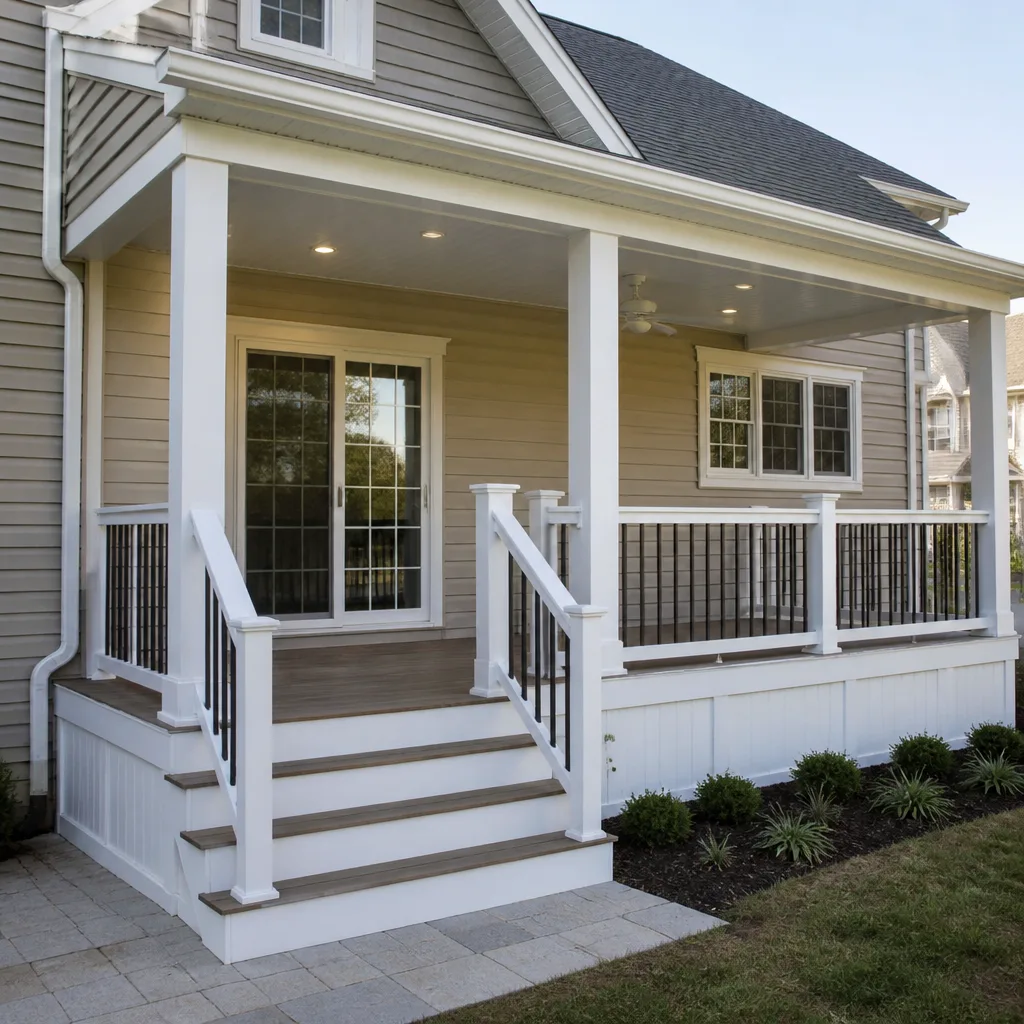
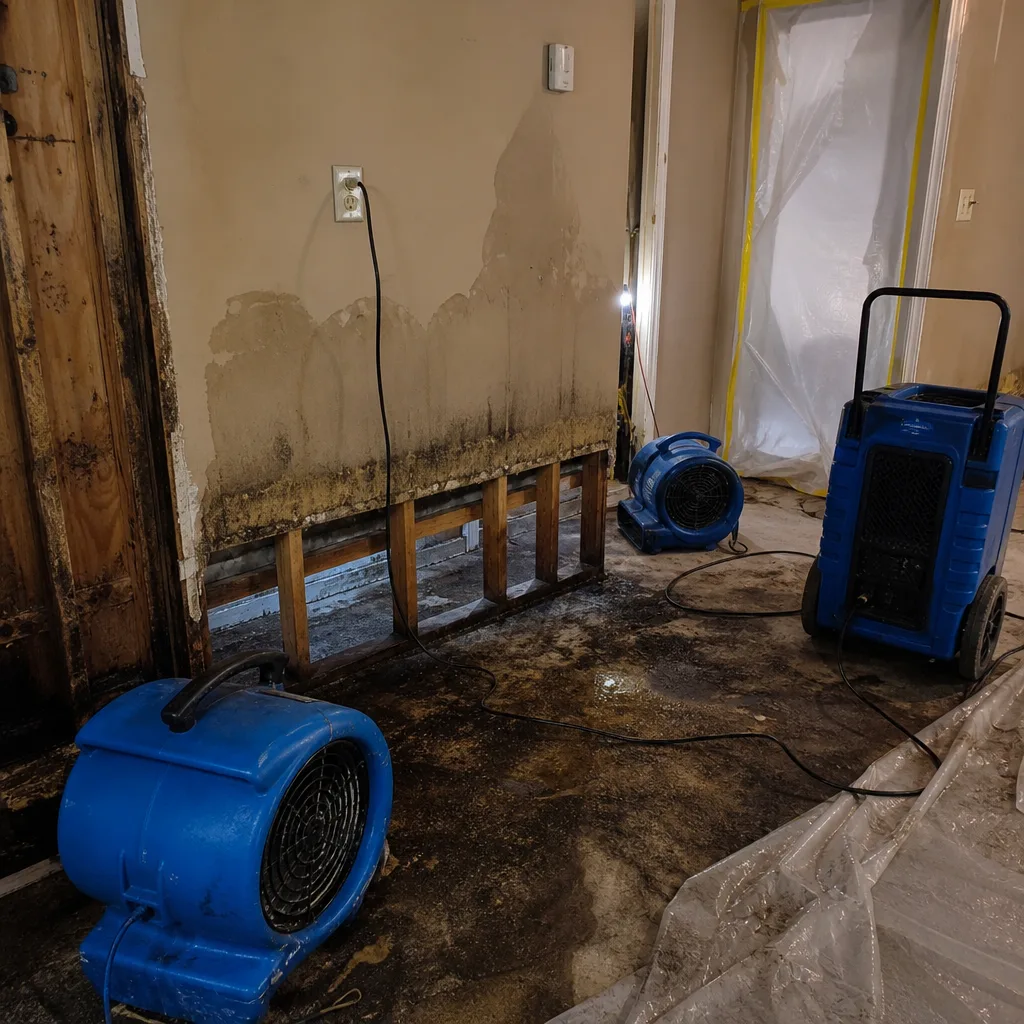 Before
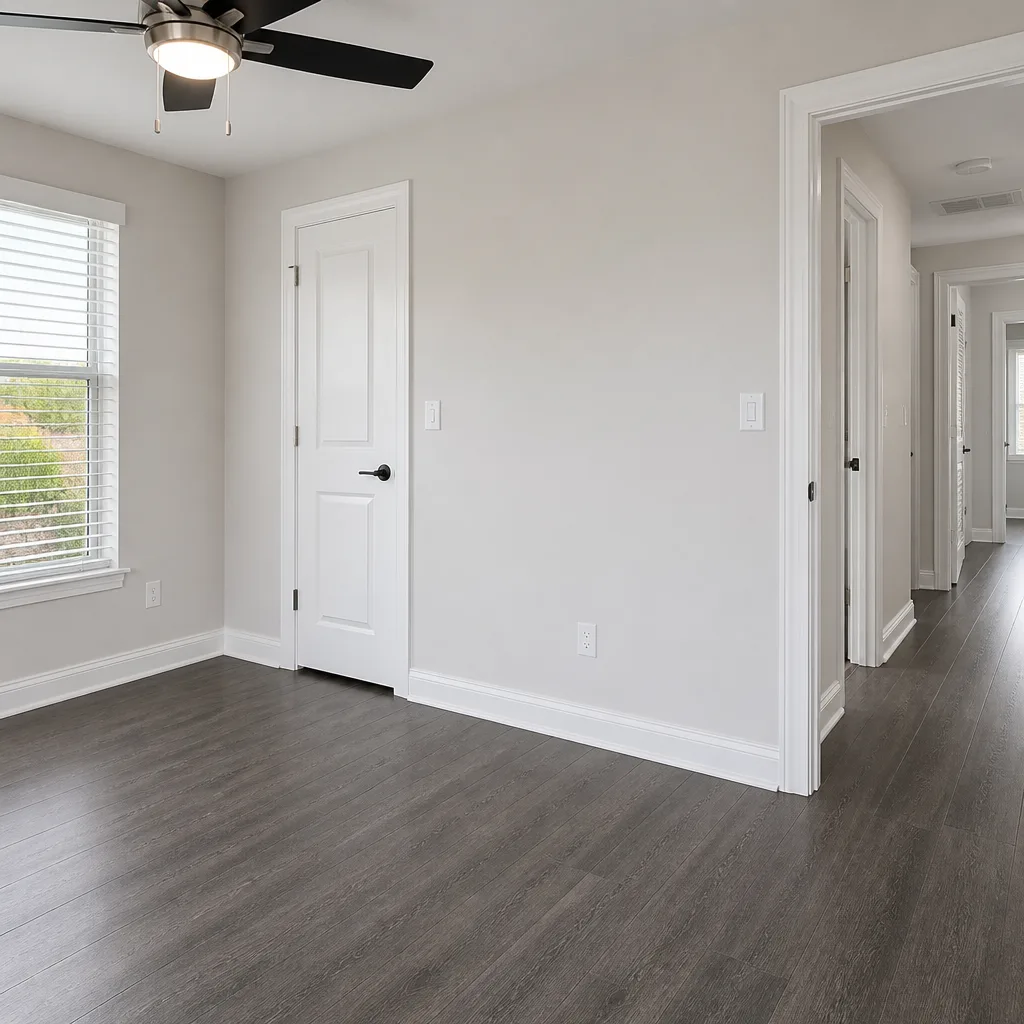 After
After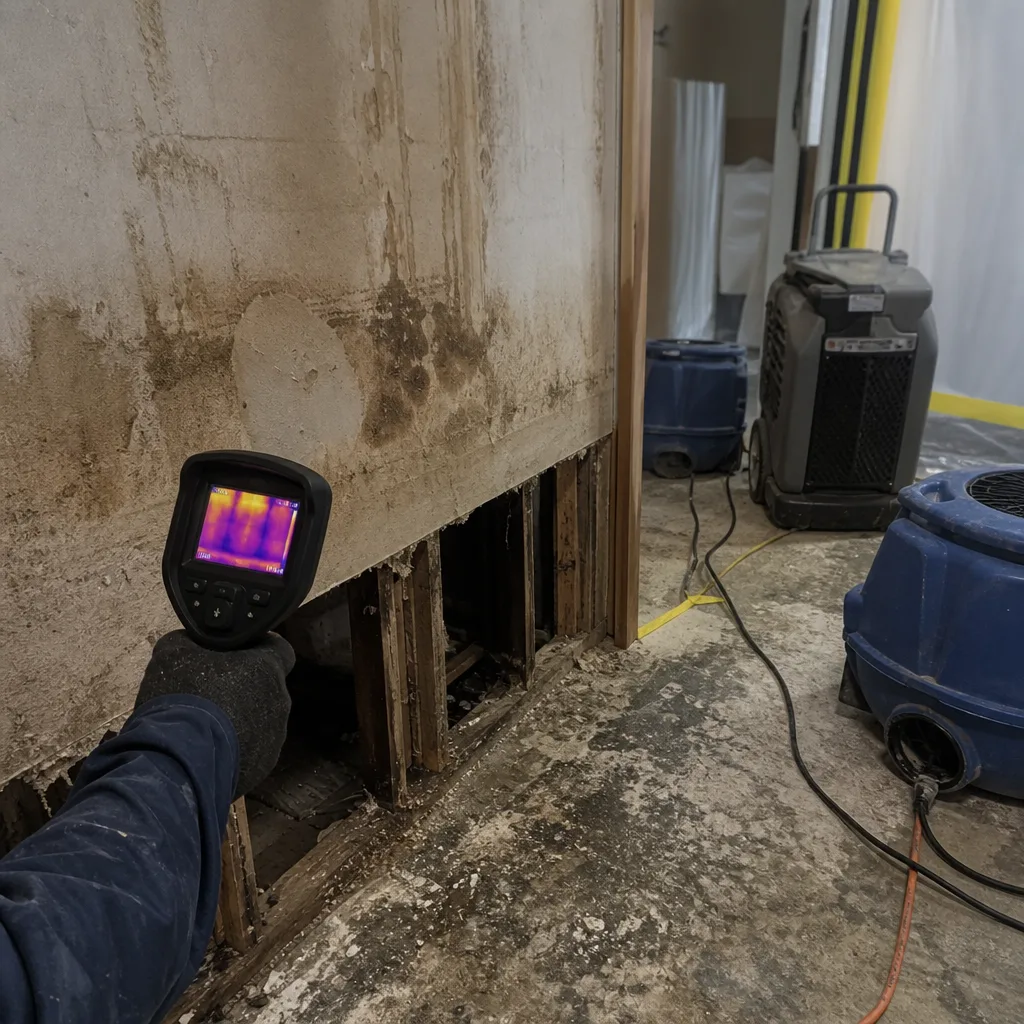 Before
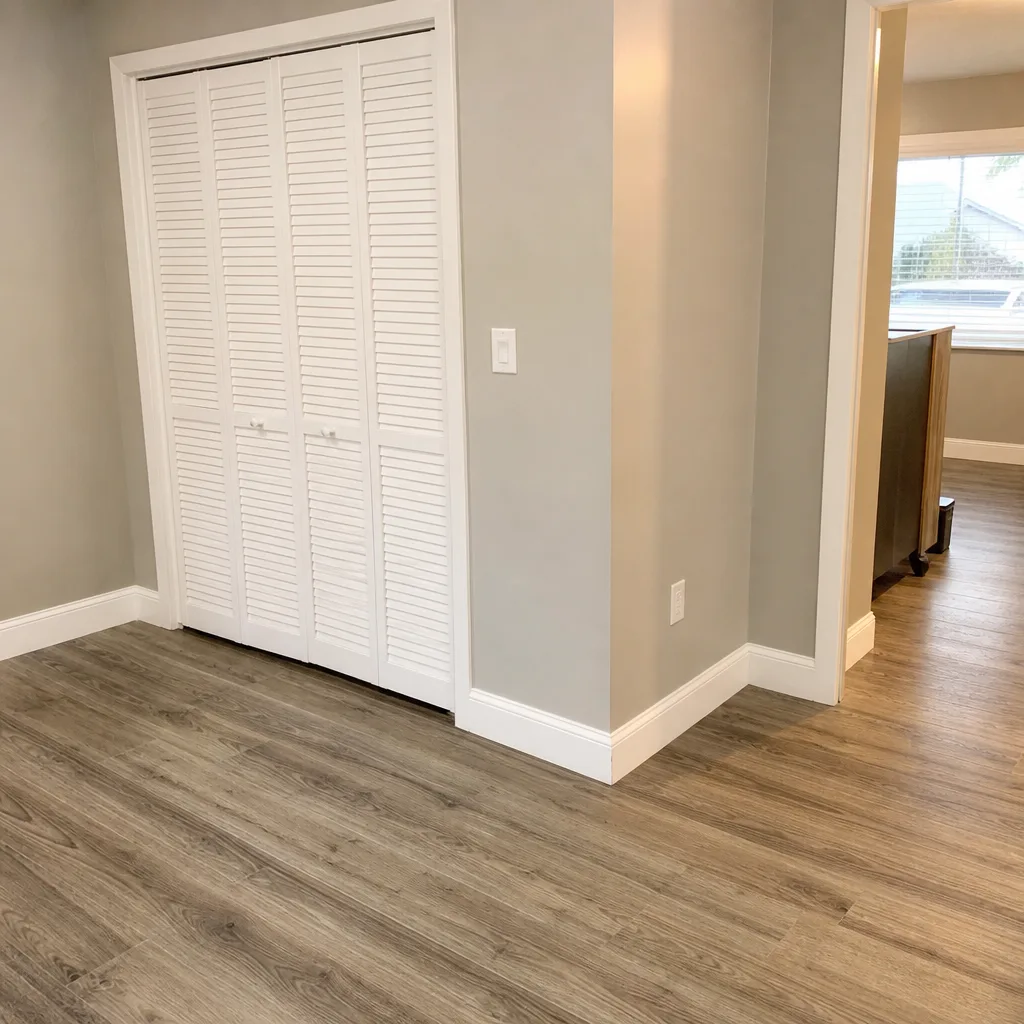 After
After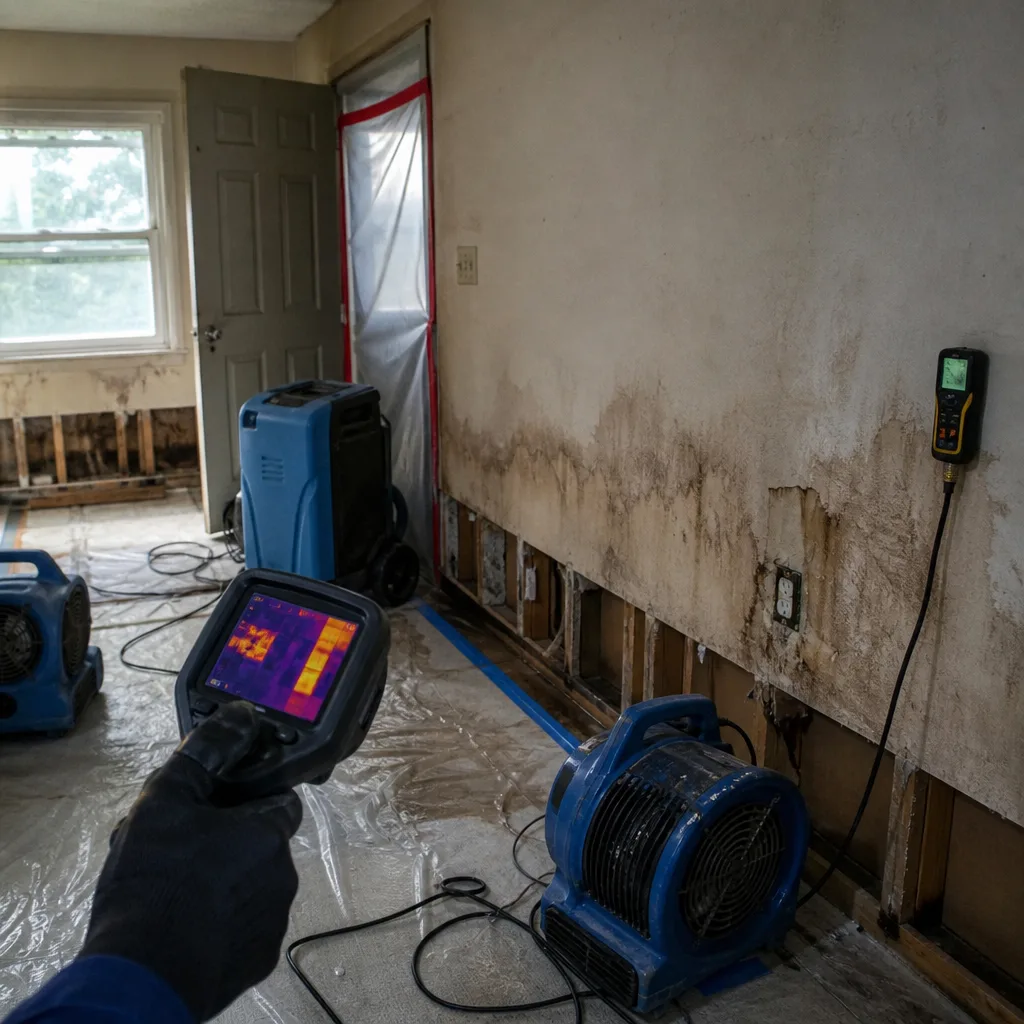 Before
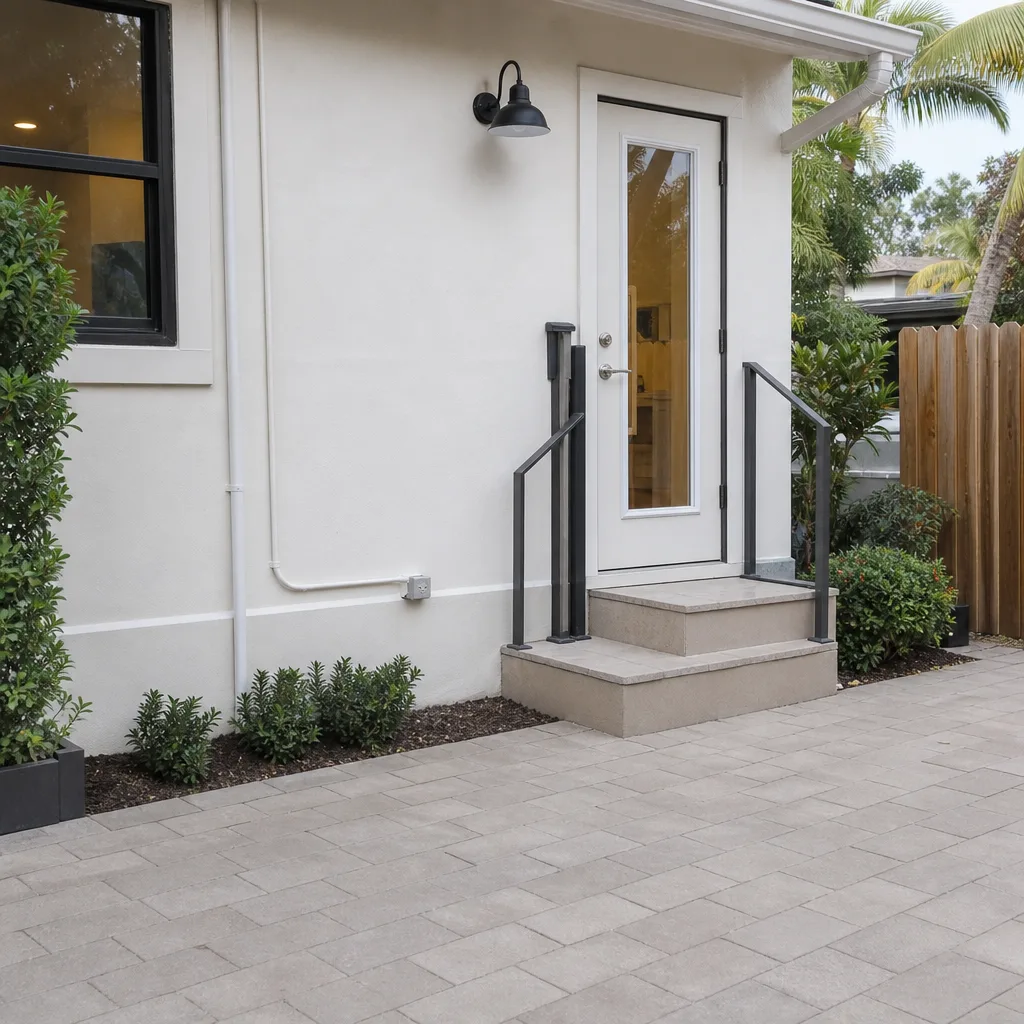 After
AfterHow to Hire a Damage Restoration Contractor in Hollywood: A Step-by-Step Guide
Florida’s Division of Hotels and Restaurants lists hundreds of active mold assessors and remediators, but a contractor’s license number tells you nothing about whether they will hand you a daily drying log your adjuster can actually use. In Hollywood, where the coastal humidity averages 74% year-round and summer storms can push water through stucco walls in minutes, the difference between a paid claim and a denied one often comes down to paperwork, not workmanship. This complete guide to damage restoration in Hollywood teaches you to vet restoration contractors as documentation professionals first and tradespeople second. You’ll learn the five documents to demand before anyone starts work, how to read a restoration contract for hidden traps, and the exact license checks that matter in Florida’s dual-licensing system.
Quick Answer
To hire a damage restoration contractor in Hollywood, request five documents before signing: a written scope of work, a line-item price, an equipment placement plan, a photo documentation protocol, and defined project completion criteria. Verify Florida-specific licenses through the Division of Hotels and Restaurants (mold assessor MRSA / remediator MRSR) or the Department of Business and Professional Regulation (general contractor), then compare bids on drying equipment specifications and monitoring frequency rather than headline price alone.
Table of Contents
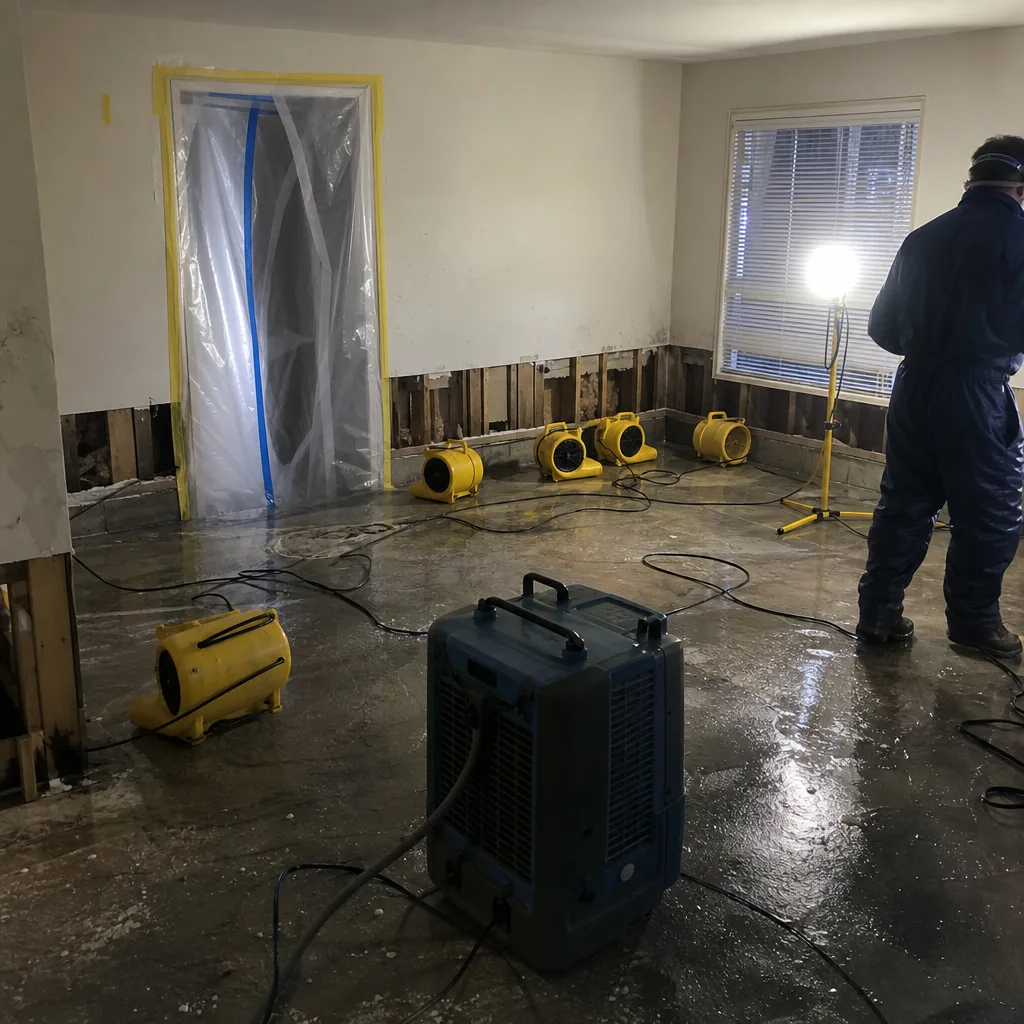
- Why Documentation Matters More Than the License Number
- The Five Documents to Request Before Signing
- Florida License Verification: MRSA, MRSR, and General Contractor
- Red Flags Hidden in Restoration Contracts
- How to Compare Bids When Line Items Differ
- Questions That Reveal Documentation Quality
- Hollywood-Specific Considerations: Climate, Codes, and Neighborhoods
- Common Mistakes to Avoid
- When to Call a Professional
- Frequently Asked Questions
- The Bottom Line
 Before
 After
AfterWhy Documentation Matters More Than the License Number
Every legitimate contractor in Hollywood carries a license. Fewer than half produce the documentation that turns a restoration invoice into a payable insurance claim. We’ve seen this gap from both sides. Alicia Brennan founded DryMark Restoration Hollywood in 2011 after working as a claims adjuster and watching homeowners lose tens of thousands because their contractor’s “invoice” was a single-page total with no moisture readings, no photo record, and no drying log.
The insurance adjuster’s job is to verify that work happened, happened correctly, and happened in the amount billed. Without documentation, they deny line items or the entire claim. The homeowner then faces a choice: pay out of pocket or sue the contractor. Neither ends well.
Here’s what proper documentation actually looks like on a water damage job in Hollywood:
- Daily psychrometric readings - temperature, relative humidity, and vapor pressure differential recorded morning and evening, with target thresholds for each phase of drying (psychrometric data is the measurable relationship between air temperature, humidity, and moisture content; vapor pressure differential is the force that drives moisture from wet materials into drier air, measured in inches of mercury)
- Room-by-room moisture content logs - wood, drywall, and concrete readings in percentage, mapped to floor plans, with dates and technician initials
- Photo record on every visit - dated, geotagged, showing equipment placement, moisture meter readings on screen, and material conditions
- Written scope with line-item pricing - each task, material, and equipment rental listed separately, with quantities and unit costs
- Completion criteria signed by both parties - specific moisture targets, not “looks dry” or “smells fine”
A contractor who builds these documents as standard practice is building your claim as they build your dry-out. A contractor who treats them as extras is asking you to carry the insurance risk.
Since 2011, we’ve restored over 12,000 homes, every one with a written price before work started and a documented record when the crew left. The documentation-first approach is not faster or cheaper on day one. It is the only approach that produces a clean claim settlement on day thirty.
The Five Documents to Request Before Signing
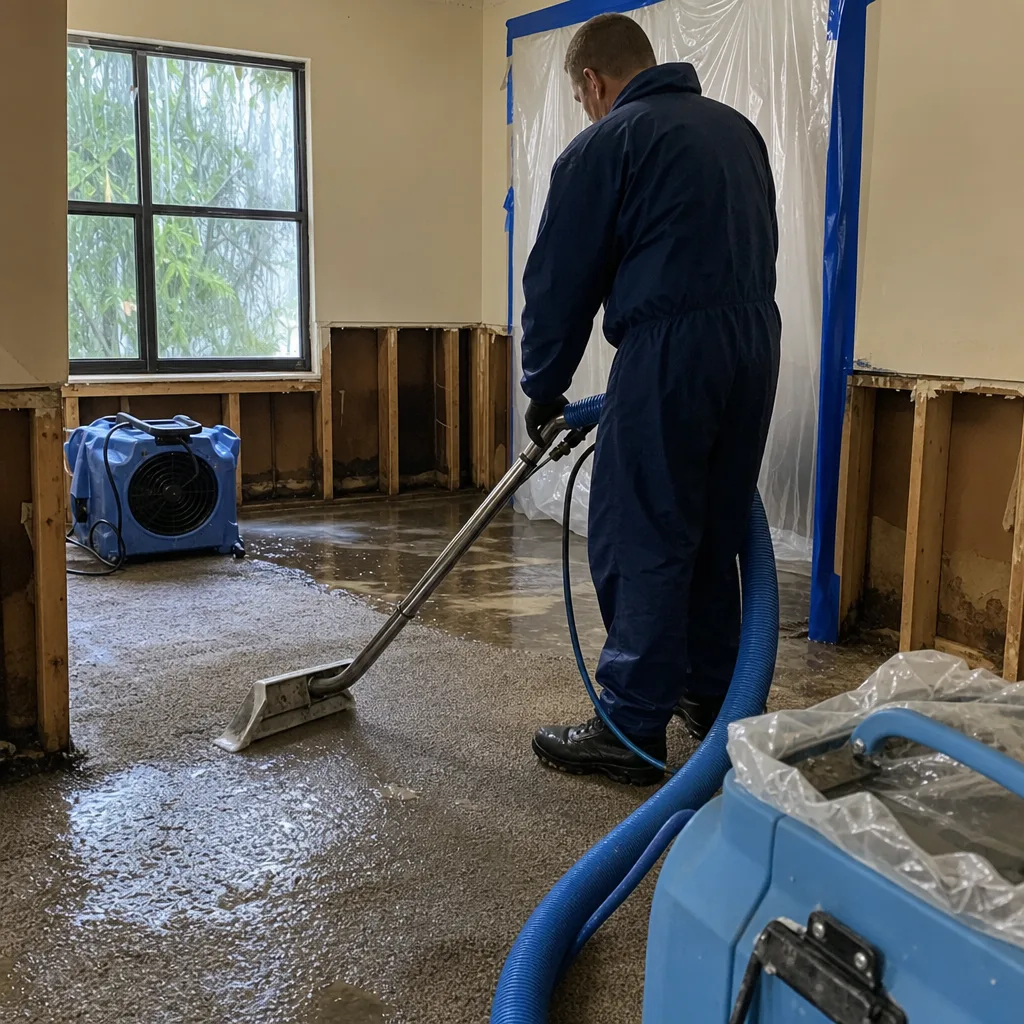
Never sign a restoration contract until you hold these five documents in hand. Each serves a distinct purpose in protecting your property, your claim, and your legal position.
1. Written Scope of Work
This document defines what the contractor will actually do. It should specify affected rooms by name, materials to be removed or dried in place, cleaning and antimicrobial applications by product name, and reconstruction items with material specifications. “Dry out kitchen” is not a scope. “Remove 24 linear feet of 1/2″ wet drywall from kitchen north wall to 12″ above visible water line; HEPA vacuum and apply Microban to exposed studs; install 24 linear feet new 1/2″ mold-resistant drywall; tape, mud, texture match to orange peel” is a scope.
2. Line-Item Price
Haven Standard, Clause 1: written price before work begins. Every task, material, and equipment item listed separately with quantity, unit price, and extended total. This prevents scope creep, enables insurance line-item matching, and creates an audit trail if disputes arise. A single lump-sum number is a red flag. How do you know what you’re paying for? How does your adjuster know what to approve?
3. Equipment Placement Plan
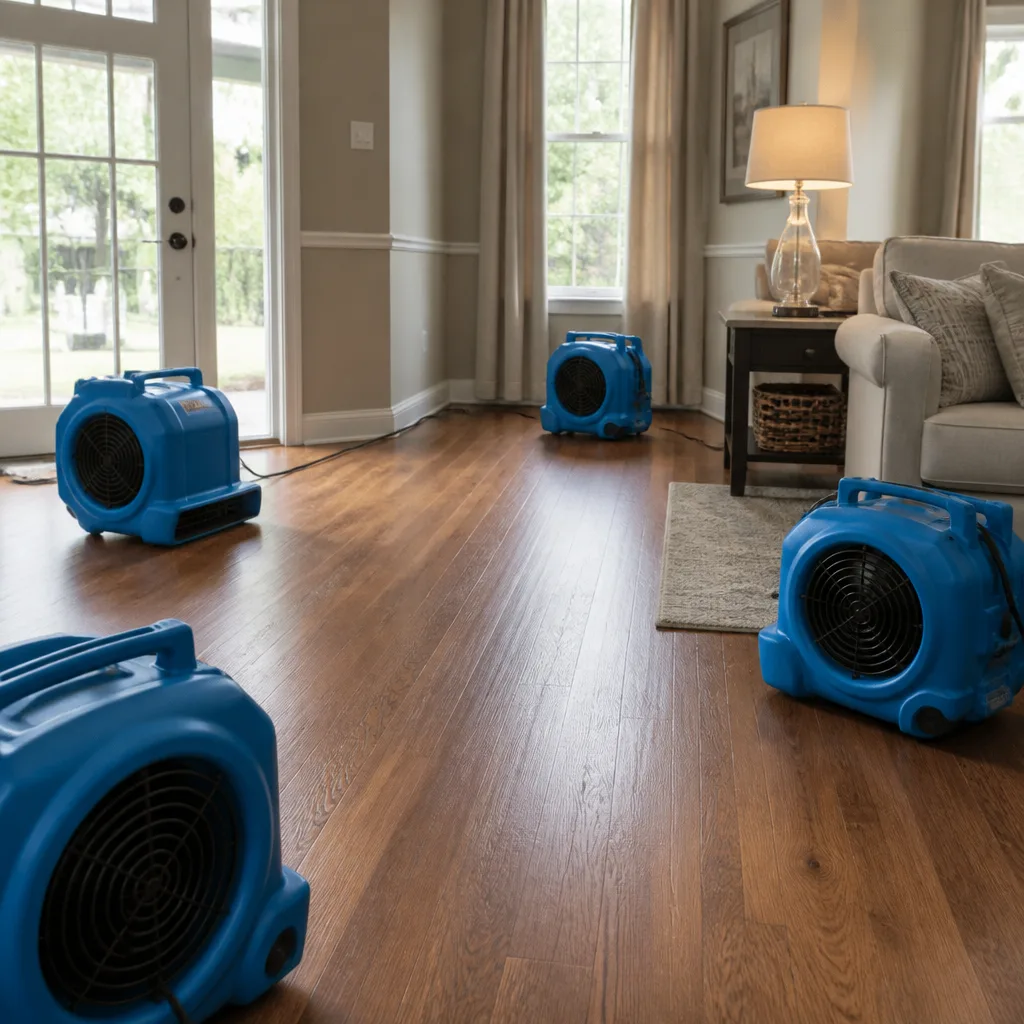
Professional drying requires strategic equipment placement based on airflow calculations, not guesswork. The plan should show: number and type of air movers (Dri-Eaz, Phoenix, or equivalent), dehumidifier capacity in pints per day, and any specialty equipment like Injectidry hardwood floor drying mats or B-Air negative air machines. It should also state monitoring frequency - daily in Hollywood’s humid climate, not “we’ll check back.”
4. Photo Documentation Protocol
The protocol should specify: photos taken on every visit, minimum angles (wide room, equipment placement, moisture meter reading on screen, close-up of any material change), date and time stamping, and delivery format - typically a shared cloud folder or PDF report. At DryMark Restoration Hollywood, our photo record is a standard deliverable on every job, never an upsell.
5. Project Completion Criteria
This is where most disputes originate. Completion criteria must be numerical: wood moisture content below 12%, drywall below 1% above normal equilibrium, concrete subfloors below 75% relative humidity per ASTM F2170. “Feels dry” or “looks good” invites re-damage, mold growth, and claim denial. Both homeowner and contractor should sign off on the criteria before work starts.
Contractors who resist providing these five documents before signature are not necessarily dishonest. They are simply not organized to document your claim properly. In Hollywood’s insurance market, that costs you more than a slightly higher bid from a documentation-first contractor.
Florida License Verification: MRSA, MRSR, and General Contractor
Florida’s licensing system for restoration work is layered and often misunderstood. The right license depends on the work being performed, and hiring the wrong license type can invalidate your insurance claim or leave you without recourse.
General Contractor (CG or CBC)
A Florida-certified general contractor can perform structural repairs, reconstruction, and any building work that alters the structure. For restoration, this matters when walls come out, subfloors are replaced, or any permit-required work follows the dry-out. Verify through the Florida Department of Business and Professional Regulation - search by name or license number, and confirm the license is active and free of disciplinary actions.
Certified Mold Assessor (MRSA)
Only a Mold-Related Services Assessor (license prefix MRSA) can legally write a mold remediation protocol in Florida. This is the document that defines the scope of mold work, the containment area, and the clearance criteria. If your Hollywood home has visible mold or a moisture issue that may involve mold, the assessor must be independent - Florida law prohibits the same person or company from assessing and remediating on the same job. Verify MRSA licenses through the Division of Hotels and Restaurants.
Certified Mold Remediator (MRSR)
The Mold-Related Services Remediator (license prefix MRSR) performs the actual mold removal, containment, and clearance sampling. They must follow the assessor’s protocol exactly. Hiring an unlicensed remediator in Hollywood exposes you to liability if spores spread, and most insurers will deny claims for unlicensed mold work.
Water Damage Restoration: No Dedicated License, But Standards Apply
Water damage restoration itself requires no Florida-specific license beyond general contracting for structural work. However, proper water damage work follows IICRC S500 standards, and reputable contractors carry IICRC Water Damage Restoration Technician (WRT) and Applied Structural Drying (ASD) certifications. Ask to see current certificates. At DryMark Restoration Hollywood, all water damage technicians hold current WRT certification minimum, with ASD required for lead technicians on complex jobs.
The License Check Process
- Ask for the license number and full legal business name
- Verify active status on the appropriate state portal
- Check for disciplinary history - even a single complaint can indicate documentation or workmanship issues
- Confirm general liability and workers compensation insurance are current; request certificates of insurance naming you as additional insured for the project duration
- For mold jobs, confirm assessor and remediator are different individuals or companies with no shared ownership
In Hollywood’s older neighborhoods like Hollywood Lakes and Emerald Hills, homes built before 1980 often contain multiple material layers - plaster over drywall, tile over concrete slab - that complicate both drying and reconstruction. A general contractor with restoration-specific experience, not just new construction background, understands how to document these conditions for your adjuster.
Red Flags Hidden in Restoration Contracts
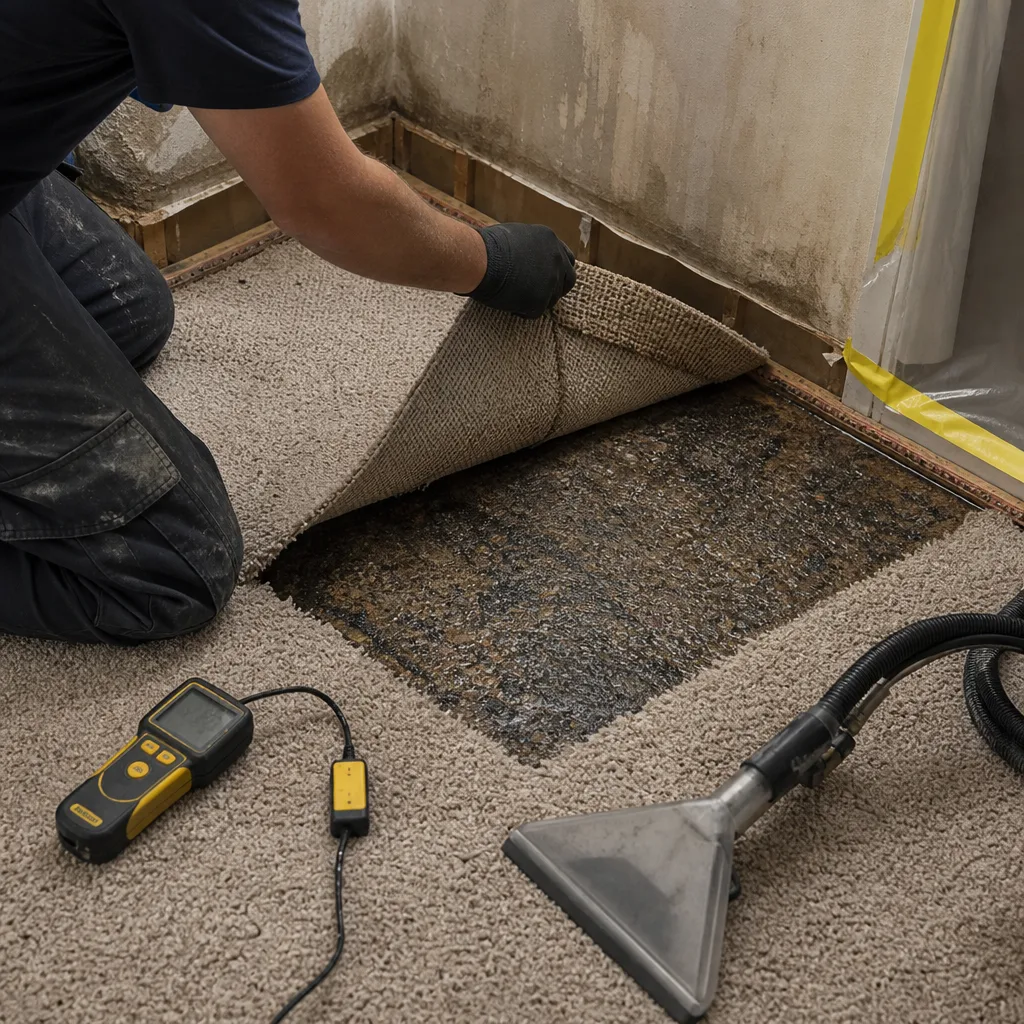
Restoration contracts in Florida carry specific risks that standard home improvement contracts do not. Three clauses in particular can transfer liability from the contractor to you, or trap you in a relationship you cannot exit.
Assignment of Benefits (AOB)
An AOB clause transfers your insurance policy rights to the contractor, who then bills your insurer directly and can sue the insurer in your name. Florida’s 2019 AOB reform law (Section 627.7152) added consumer protections, but AOBs still limit your control and can lead to inflated claims and litigation. We do not use AOBs at DryMark Restoration Hollywood. You retain your policy rights; we document the work so thoroughly that direct billing proceeds without dispute.
No-Written-Estimate Policies
Any contract stating “estimate provided after work begins” or “pricing based on time and materials with final invoice to follow” violates the basic principle of informed consent. Haven Standard, Clause 1 exists because Alicia Brennan saw too many homeowners shocked by final invoices that bore no resemblance to verbal assurances. A written price before work starts is not a courtesy. It is a contractual protection.
Vague Completion Language
Watch for phrases like “work completed to industry standards” or “satisfactory dryness” without numerical definitions. Industry standards are specific - IICRC S500 for water damage, IICRC S520 for mold - and satisfactory dryness is measurable. Vague language lets contractors declare completion before your structure is actually dry, leaving you with hidden moisture that breeds mold and rots framing.
Other Warning Signs
- Pressure to sign immediately - “emergency rates increase after hours” or “we need to start now to prevent further damage” without providing the five documents
- Requests for large upfront deposits on insurance jobs - reputable contractors bill insurance directly or accept payment upon documented completion
- No mention of The Haven Standard or equivalent written guarantee - verbal promises of “we’ll make it right” are unenforceable
- Equipment rental charges without brand names or specifications - “dehumidifier, $85/day” could mean a Home Depot rental or a Phoenix 200MAX; the drying performance differs by orders of magnitude
In Hollywood, where many homes are second properties or vacation rentals, absentee owners are particularly vulnerable to these tactics. If you cannot be on-site, designate a local representative with written authority to review and approve all documentation before work proceeds.
How to Compare Bids When Line Items Differ
Restoration bids rarely match line-for-line. One contractor includes air scrubbers; another assumes your HVAC will suffice. One specifies daily monitoring; another plans twice-weekly visits. Comparing headline totals is meaningless without normalizing for scope, equipment, and service level.
The Comparison Framework
Use this structure to evaluate competing bids for water damage restoration in Hollywood:
| Category | What to Compare | Why It Matters |
|---|---|---|
| Drying Equipment | Brand, model, and capacity of dehumidifiers; CFM of air movers; presence of specialty equipment (Injectidry mats, negative air) | A Phoenix 200MAX removes 145 pints/day at AHAM conditions; a rental-grade unit removes 50. Drying time and mold risk depend on this difference. |
| Monitoring Frequency | Daily, every other day, or weekly visits; remote monitoring with wireless sensors | In Hollywood’s 74% average humidity, daily readings catch equipment failures or hidden moisture migration before secondary damage develops. |
| Moisture Targets | Specific percentage goals by material type; reference to IICRC S500 or other standard | Without targets, contractors can remove equipment while materials remain wet, shifting mold liability to you. |
| Technician Certification | IICRC WRT, ASD, AMRT; RIA credentials; ongoing education requirements | Certifications expire; current training indicates commitment to documented, standards-based work. |
| Photo Documentation | Frequency, delivery format, inclusion in base price vs. add-on | Your adjuster needs this to approve the claim. If it’s an upsell, the contractor’s base price is misleading. |
| Completion Warranty | Duration, specific coverage, written or verbal | The 365-Day Done Right Promise under The Haven Standard covers re-drying, reconstruction defects, and any documentation gaps that cause claim issues. |
When bids differ significantly, request a Free Second Opinion on any competitor’s written estimate. At DryMark Restoration Hollywood, we review competitor quotes at no charge, not to undercut but to identify scope gaps, equipment shortfalls, or documentation deficiencies that could cost you at claim time.
Price Ranges in Hollywood
Based on our work across Hollywood since 2011, typical water damage restoration costs fall in these ranges for standard residential scenarios:
- Category 1 water (clean source, limited area): $1,800-$4,500 for dry-out only, 2-4 day duration
- Category 2 water (gray water, dishwasher/overflow): $3,200-$7,500 including antimicrobial treatment and extended drying
- Category 3 water (sewage or flooding): $5,500-$14,000+ requiring full PPE, containment, and specialized disposal
- Mold remediation following water damage: $2,500-$8,500 depending on affected square footage and material removal requirements
- Reconstruction after dry-out: $45-$125 per square foot depending on finish level and Hollywood permit requirements
These ranges reflect Hollywood’s labor market, material costs, and the humidity-driven extended drying times common in coastal Broward County. Bids significantly below these ranges typically indicate undocumented corners: fewer air movers, shorter monitoring, or equipment that cannot achieve target dryness in this climate.
Questions That Reveal Documentation Quality
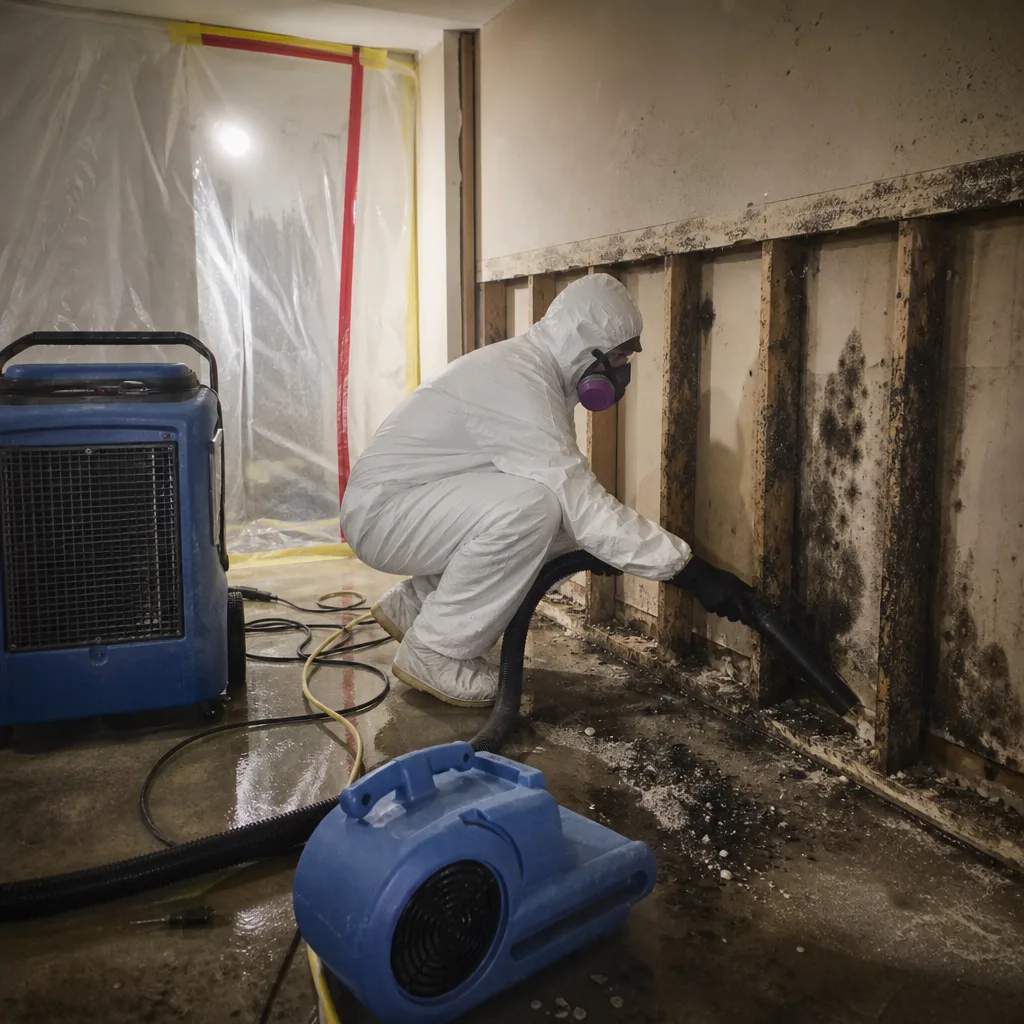
The right questions expose whether a contractor’s documentation habit is built for your claim or merely for their internal convenience. Ask these before hiring any restoration contractor in Hollywood.
- “Can you show me a sample daily drying log from a recent job?” A contractor with genuine documentation discipline keeps examples ready. Look for date-stamped readings, technician initials, equipment serial numbers, and notes on any adjustments. A blank template or refusal to share indicates the log may not exist in practice.
- “How do you deliver the photo record, and when do I receive it?” Same-day cloud folder access is standard for documentation-first contractors. “We’ll put it on a drive at the end” or “our office will mail a CD” suggests photos are an afterthought, not a integrated process.
- “What moisture meter do you use, and can you show me how to read it?” Pinless meters (like Protimeter Surveymaster) read surface moisture; pin-type meters (like Delmhorst BD-2100) penetrate to measure core conditions. Both have roles. A technician who cannot explain the difference, or who owns only one type, may be missing hidden moisture in Hollywood’s multi-layer wall assemblies.
- “Who writes the initial scope, and who adjusts it if hidden damage is found?” The answer should involve you, your adjuster, and a written amendment - not a verbal “we’ll just add it to the bill.” Haven Standard, Clause 1 requires written price amendments for any scope change before additional work proceeds.
- “What happens if my adjuster disputes a line item?” The contractor should describe a specific process: providing additional documentation, speaking with the adjuster directly, and if necessary, revising the scope with your approval. “That’s between you and your insurance” is an abdication of the documentation role.
- “Can I have your license number and certificate of insurance now, before you leave?” Immediate provision indicates organized compliance. “I’ll have the office email that” or “it’s on the truck” are common stalling tactics from contractors with lapsed coverage or disciplinary history.
These questions are not adversarial. They are the same questions Alicia Brennan asked as an adjuster, and they predict claim outcomes with remarkable accuracy. Contractors who welcome them tend to produce clean claims. Contractors who bristle tend to produce disputes.
Hollywood-Specific Considerations: Climate, Codes, and Neighborhoods
Hollywood’s geography and building stock create restoration challenges that inland Florida contractors may not anticipate. Hiring locally matters for reasons beyond response time.
Coastal Humidity and Salt Air
Hollywood’s position between the Atlantic and the Intracoastal Waterway means sustained humidity even when inland areas dry out. Salt air accelerates corrosion in HVAC systems and electrical components, complicating equipment-based drying strategies. Contractors who work primarily in western Broward County may undersize dehumidification or fail to account for salt-degraded building envelopes that leak moisture continuously.
Neighborhood-Specific Building Types
Hollywood Lakes and Hollywood Hills: Homes from the 1920s-1950s with plaster walls, terrazzo floors, and minimal vapor barriers. Drying requires extended timelines and specialty equipment; reconstruction demands tradespeople familiar with historic materials. Documentation must show moisture readings at multiple plaster depths, not just surface conditions.
Emerald Hills and Park East: Mid-century ranch homes with concrete slab foundations and original terrazzo. Slab moisture migration is common after water events; ASTM F2170 calcium chloride testing or in-situ relative humidity probes are necessary before flooring replacement. Contractors without concrete moisture experience will miss this and install new flooring over wet slabs.
Downtown Hollywood and beachfront condos: High-rise construction with shared walls, association-managed common elements, and complex insurance arrangements. Restoration requires coordination with building management, often during limited access hours, with documentation that satisfies both individual unit policies and master association policies.
Broward County Building Codes
Post-Hurricane Andrew code requirements mean replacement materials must meet current wind-load and moisture-resistance standards, even when matching original construction appearance. Permits are required for most reconstruction beyond cosmetic repair. A contractor unfamiliar with Broward County’s online permitting system and inspection scheduling will delay your return to normal life.
In our experience, Hollywood jobs require 15-25% longer drying timelines than comparable inland properties due to humidity and construction type. Bids that assume standard inland durations will either fail to dry completely or require expensive re-drying after premature equipment removal.
Common Mistakes to Avoid
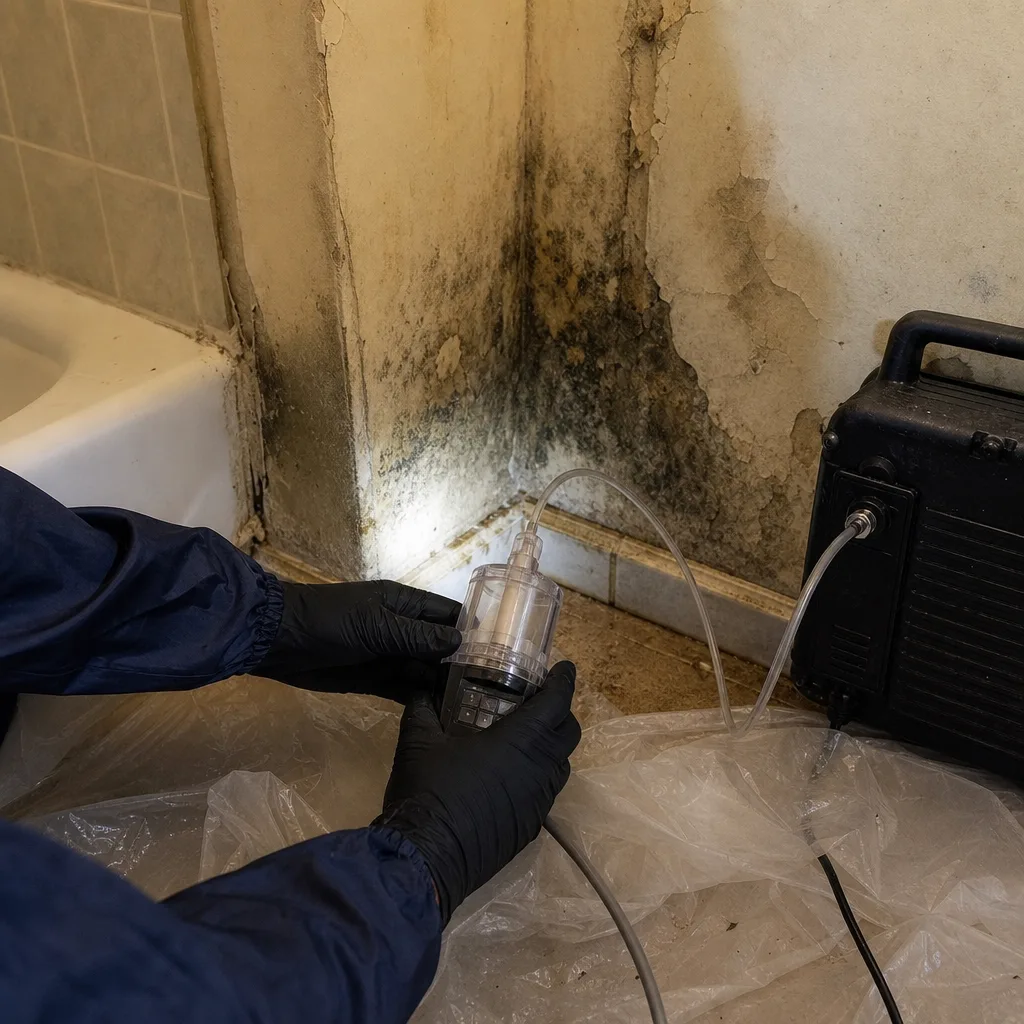
- Hiring based on response speed alone. A contractor who arrives in 30 minutes but cannot produce a written scope is not helping you; they are beginning undocumented work that your adjuster will dispute. Speed matters for emergency mitigation, but documentation matters for everything that follows.
- Accepting verbal estimates. Florida does not require written estimates for emergency services, but your insurance policy does require documentation for reimbursement. A verbal “it’ll be around five grand” becomes “we said fifteen” with no protection for you.
- Skipping the assessor-remediator separation on mold jobs. Florida law exists because the same person assessing and remediating has a financial incentive to find more mold and recommend more work. The separation protects you; ignoring it invalidates your legal protections.
- Neglecting to verify insurance certificates. Ask for certificates naming you as additional insured. Uninsured workers on your property create liability that your homeowner’s policy may not cover, especially in Hollywood’s active litigation environment.
- Comparing only total prices without equipment specifications. A $3,500 bid with two air movers and a rental dehumidifier will not dry a Hollywood home in summer. A $5,200 bid with proper equipment and daily monitoring achieves dryness faster and with less mold risk, often at lower total cost when re-drying is avoided.
- Failing to define completion in writing. “When it looks dry” leads to callbacks, mold, and claim disputes. Numerical completion criteria, signed by both parties, prevent this entirely.
- Ignoring documentation until the claim is denied. By then, the crew has moved on and memories have faded. Demand documentation throughout the job, review it weekly, and address gaps immediately.
When to Call a Professional
Some damage scenarios in Hollywood require immediate professional response regardless of your DIY capabilities. Call a restoration contractor when:
- Water has affected drywall, insulation, or structural materials - surface drying with household fans will not reach embedded moisture
- The water source was a dishwasher, washing machine, or sewage backup - Category 2 or 3 contamination requires antimicrobial treatment and proper disposal
- You smell mustiness but see no visible mold - hidden mold in Hollywood’s humid wall cavities spreads rapidly and requires professional detection
- Your insurance policy requires professional documentation for coverage - most policies do for losses exceeding $1,000-$2,500
- The affected area exceeds approximately 10 square feet - IICRC guidelines recommend professional remediation above this threshold
- Fire or smoke damage has occurred - soot and odor removal require specialized equipment and techniques; improper cleaning can permanently set odors
Water Damage Restoration in Hollywood and Mold Remediation in Hollywood are complex specialties where documentation quality directly determines your financial outcome. DryMark Restoration Hollywood offers free estimates in Hollywood - call (754) 222-3479. We provide a written price before any work starts, a photo record on every visit, and the 365-Day Done Right Promise backed by The Haven Standard.
Frequently Asked Questions
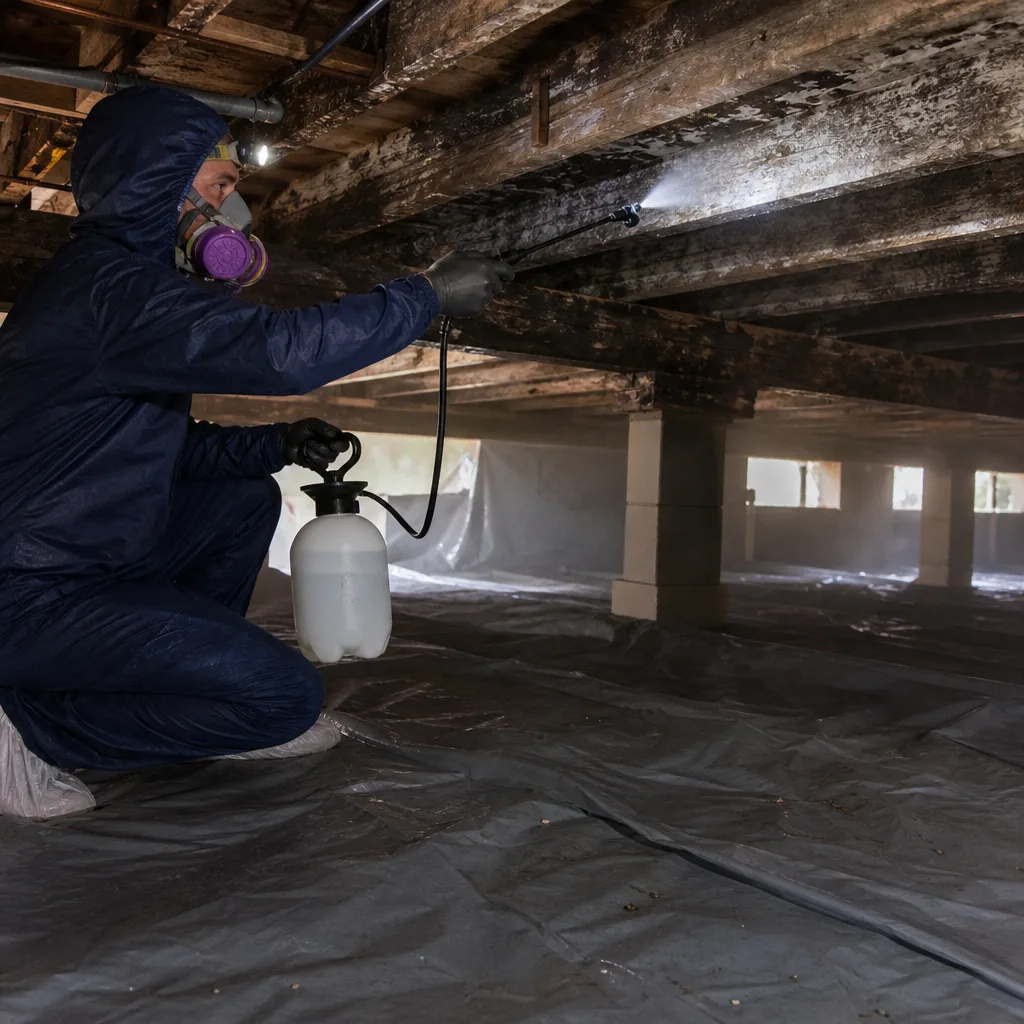
Typical water damage restoration in Hollywood ranges from $1,800 for limited clean-water damage to $14,000 or more for extensive sewage contamination with reconstruction. The specific cost depends on water category, affected square footage, material types, and required documentation level. Explore our more guides & resources for deeper cost breakdowns. Call (754) 222-3479 for a written estimate with line-item pricing - estimates are free and delivered before any work begins under Haven Standard, Clause 1.
Most homeowner’s policies cover sudden and accidental water damage, but coverage depends on your documentation quality. Insurers approve claims with daily drying logs, photo records, and line-item invoices; they deny or reduce claims with summary billing and no moisture evidence. We coordinate directly with adjusters and provide the documentation package that supports full approval. Call (754) 222-3479 to discuss your specific policy and loss.
For emergency water damage, DryMark Restoration Hollywood answers live 24 hours a day, 7 days a week with no voicemail trees, and dispatches background-checked, uniformed technicians promptly. Exact arrival time depends on current call volume, your Hollywood neighborhood, and traffic conditions. For reconstruction and non-emergency work, we schedule in writing with a defined start date, not vague promises. Call (754) 222-3479 for current availability.
For water damage affecting drywall, insulation, or structural materials, professional drying is necessary - household equipment cannot achieve the vapor pressure differential required to remove embedded moisture. For mold exceeding 10 square feet or involving HVAC systems, Florida law requires licensed assessment and remediation. DIY attempts in Hollywood’s humid climate often leave hidden moisture that develops into costlier problems within weeks.
A certified mold assessor (MRSA) inspects, tests, and writes the remediation protocol but cannot perform the actual removal. A certified mold remediator (MRSR) performs the removal following the assessor’s protocol. Florida law prohibits the same person or company from doing both on the same job to prevent conflicts of interest. Verify both licenses independently through the Division of Hotels and Restaurants.
At DryMark Restoration Hollywood, we coordinate directly with your adjuster, providing the photo documentation, drying logs, and line-item scope that adjusters need to approve claims efficiently. You remain the policyholder and make all final decisions, but we handle the documentation burden that most homeowners find overwhelming during a loss. This service is included in our standard process, never an additional charge.
The Bottom Line
Hiring a damage restoration contractor in Hollywood is not primarily a question of who has the lowest bid or the fastest truck. It is a documentation decision. The contractor who produces five specific documents before work begins - written scope, line-item price, equipment plan, photo protocol, and completion criteria - is the contractor who will produce a claim your insurer pays without a fight. Verify Florida licenses independently, read contracts for AOB clauses and vague language, and compare bids on equipment specifications and monitoring frequency, not headline price. In Hollywood’s humid coastal climate, proper documentation is not extra service. It is the service.
Written by Alicia Brennan, Owner at DryMark Restoration Hollywood, serving Hollywood since 2011.