
Last updated September 23, 2026
Free visual inspection and a written scope of work before any mitigation begins - photos, moisture readings, and drying logs go in your claim file
The scope we write is the scope we bill. Anything new gets shown to you, in writing, before we touch it.
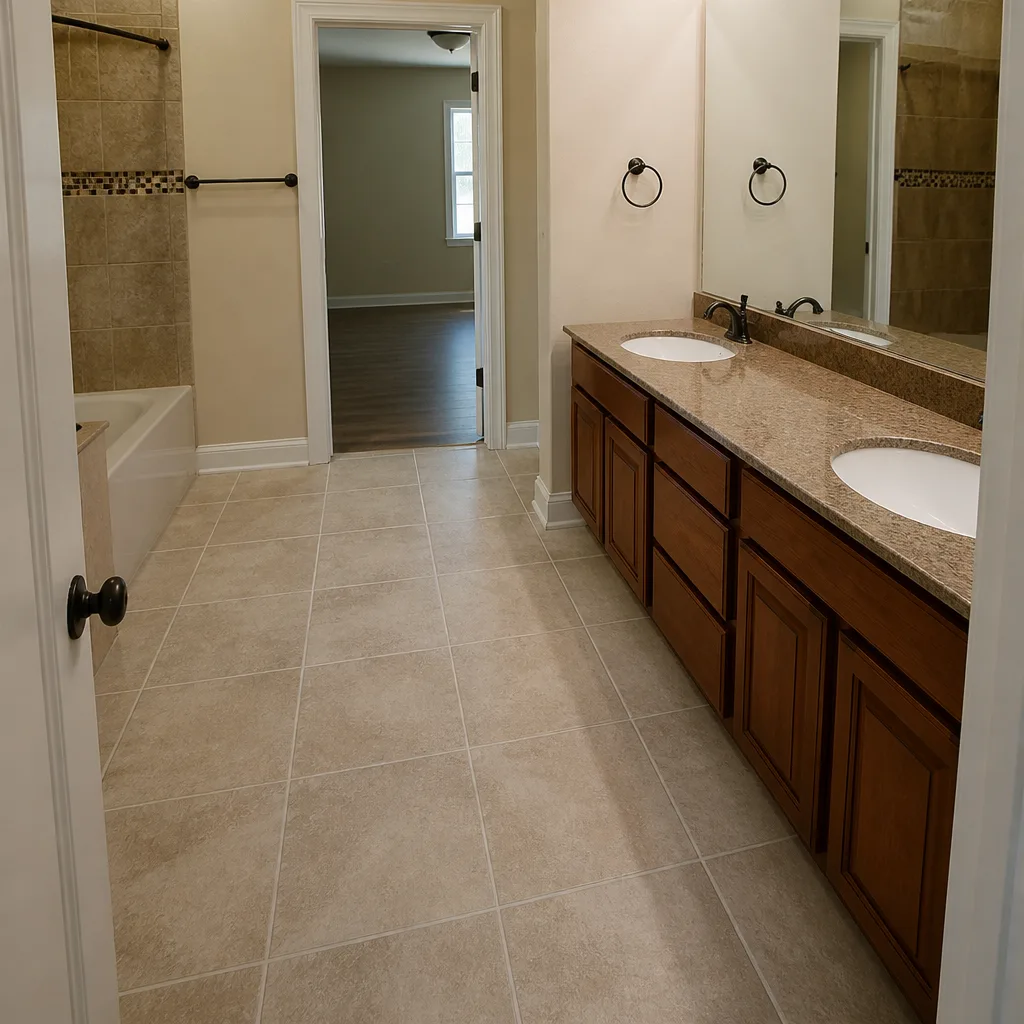
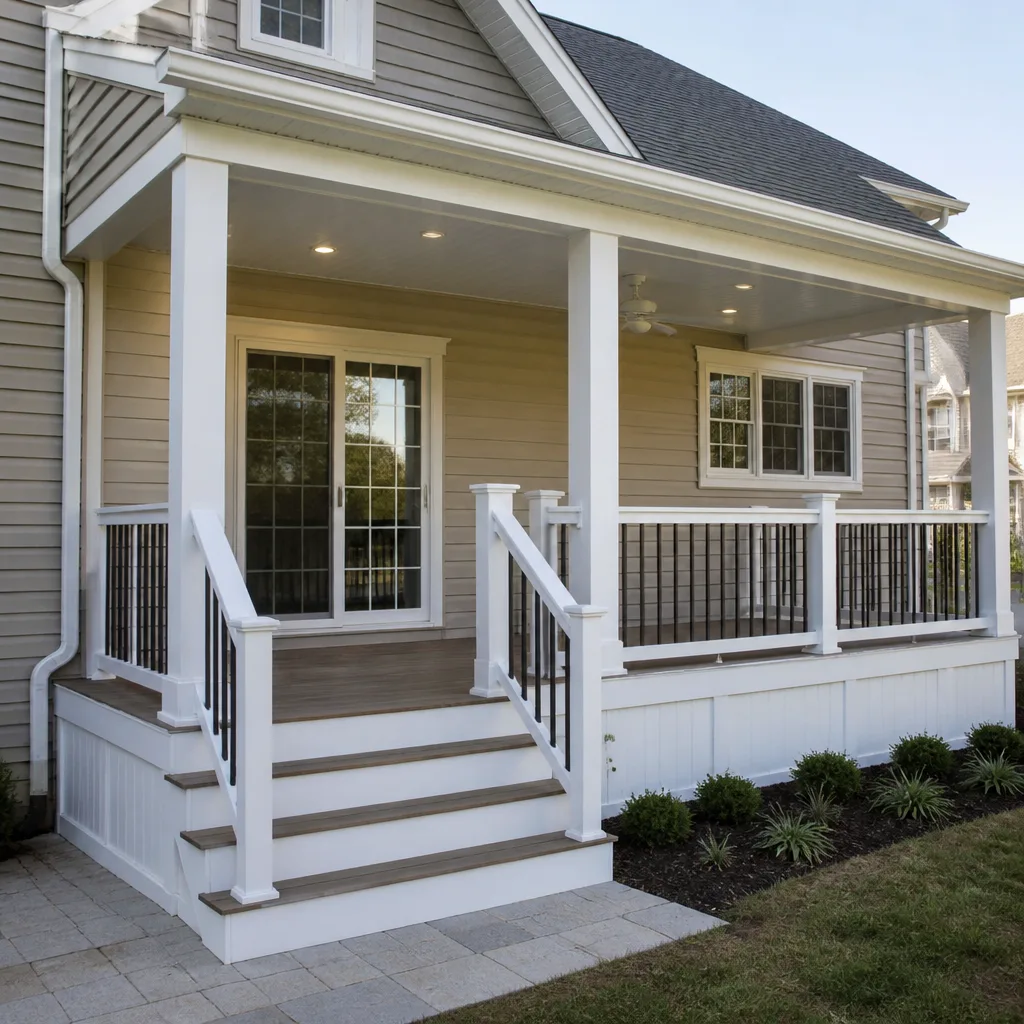
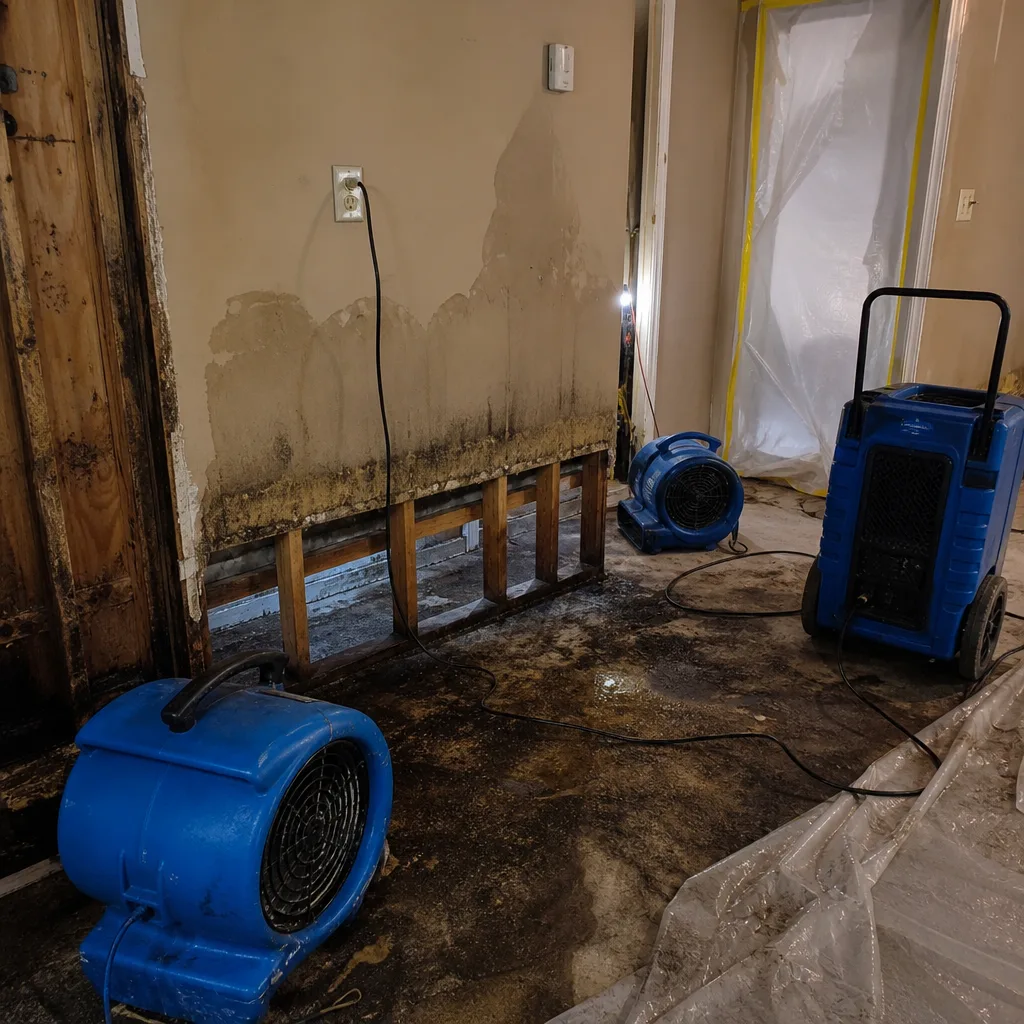 Before
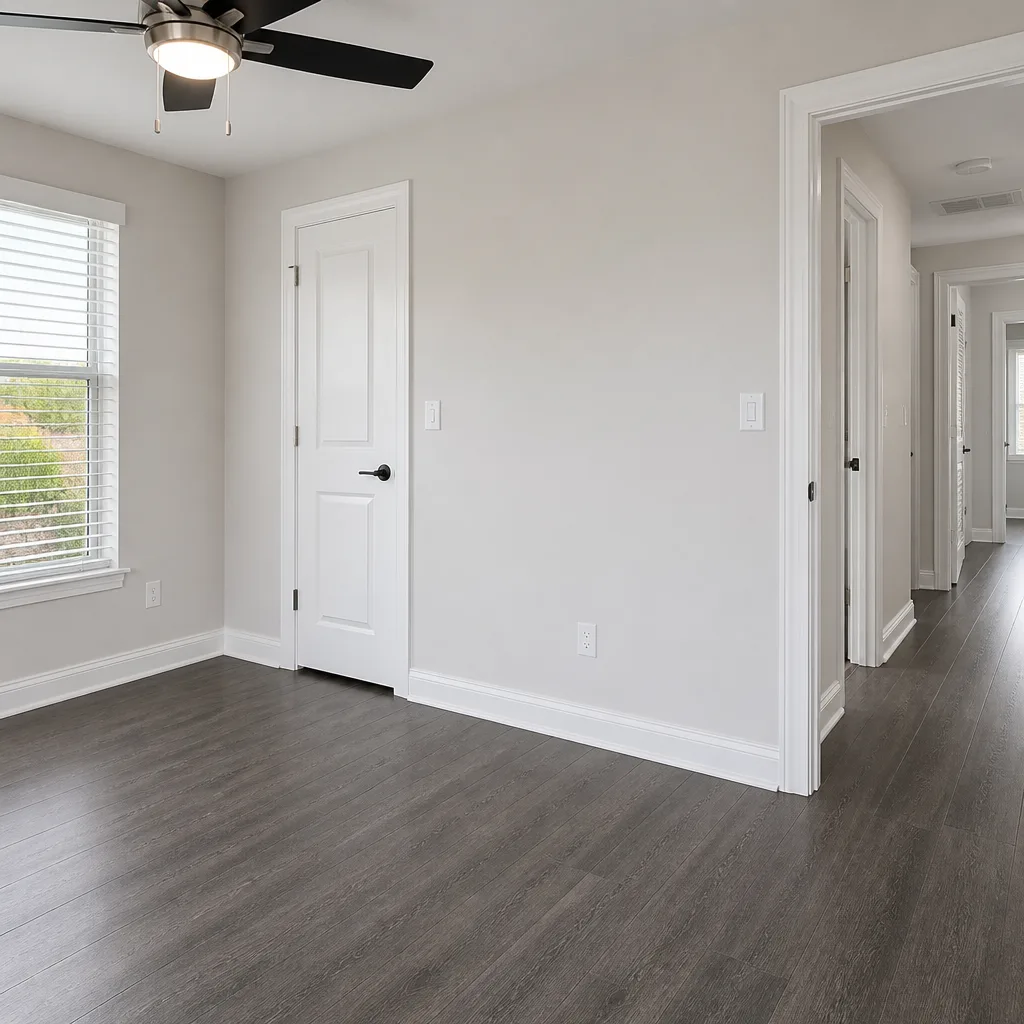 After
After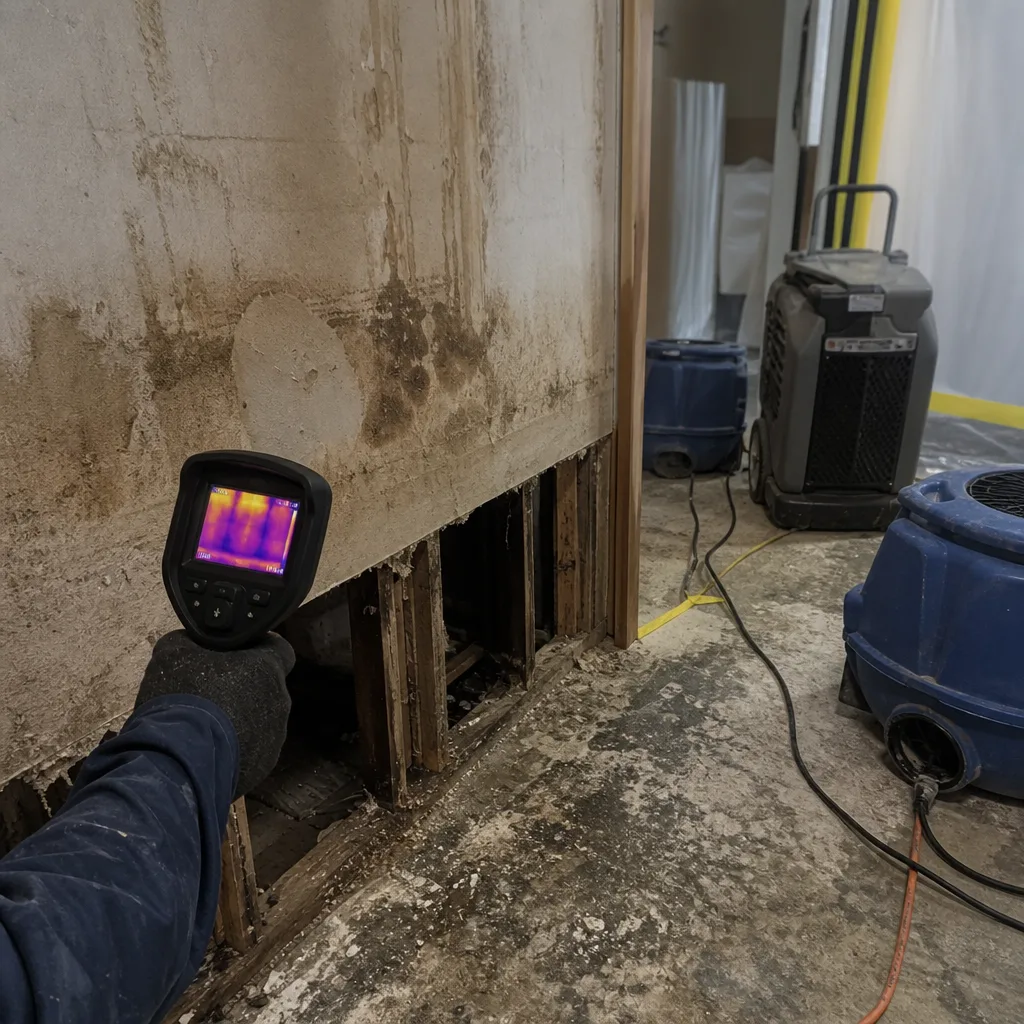 Before
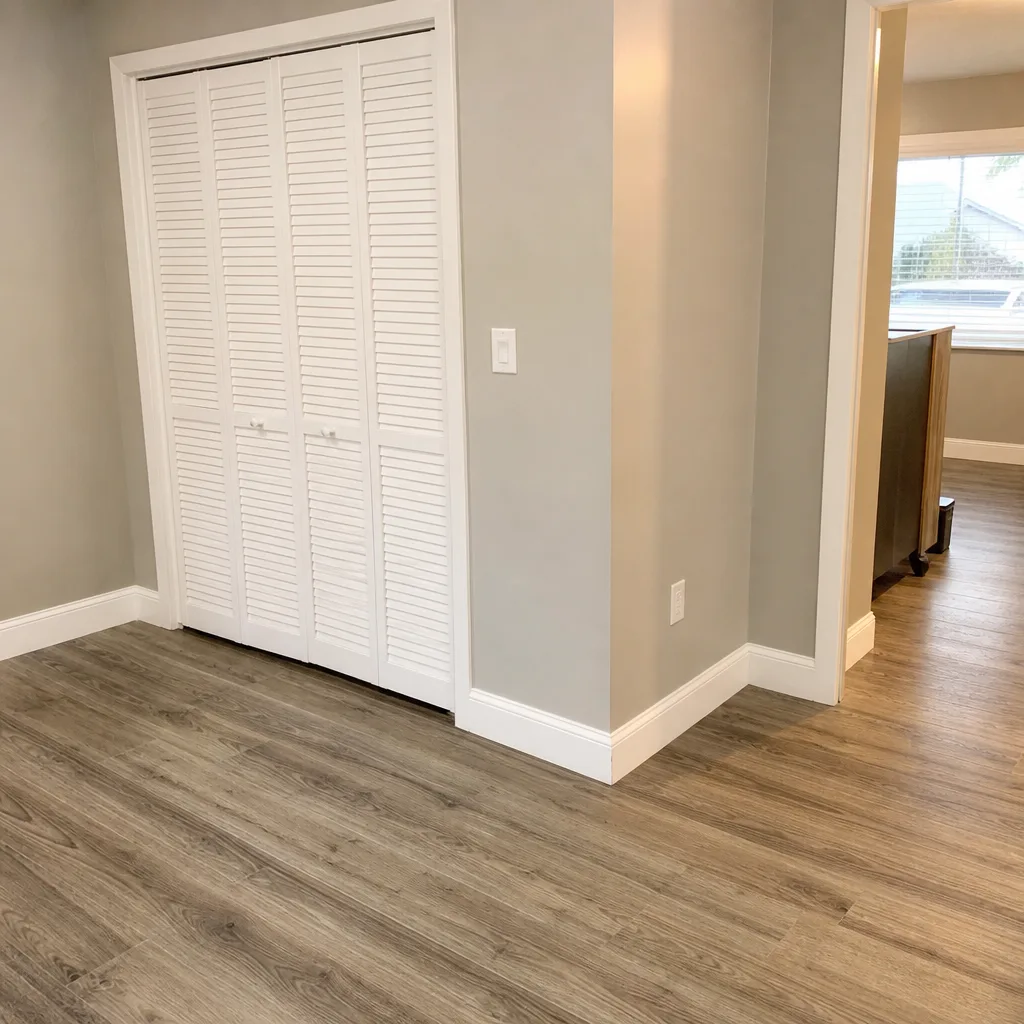 After
After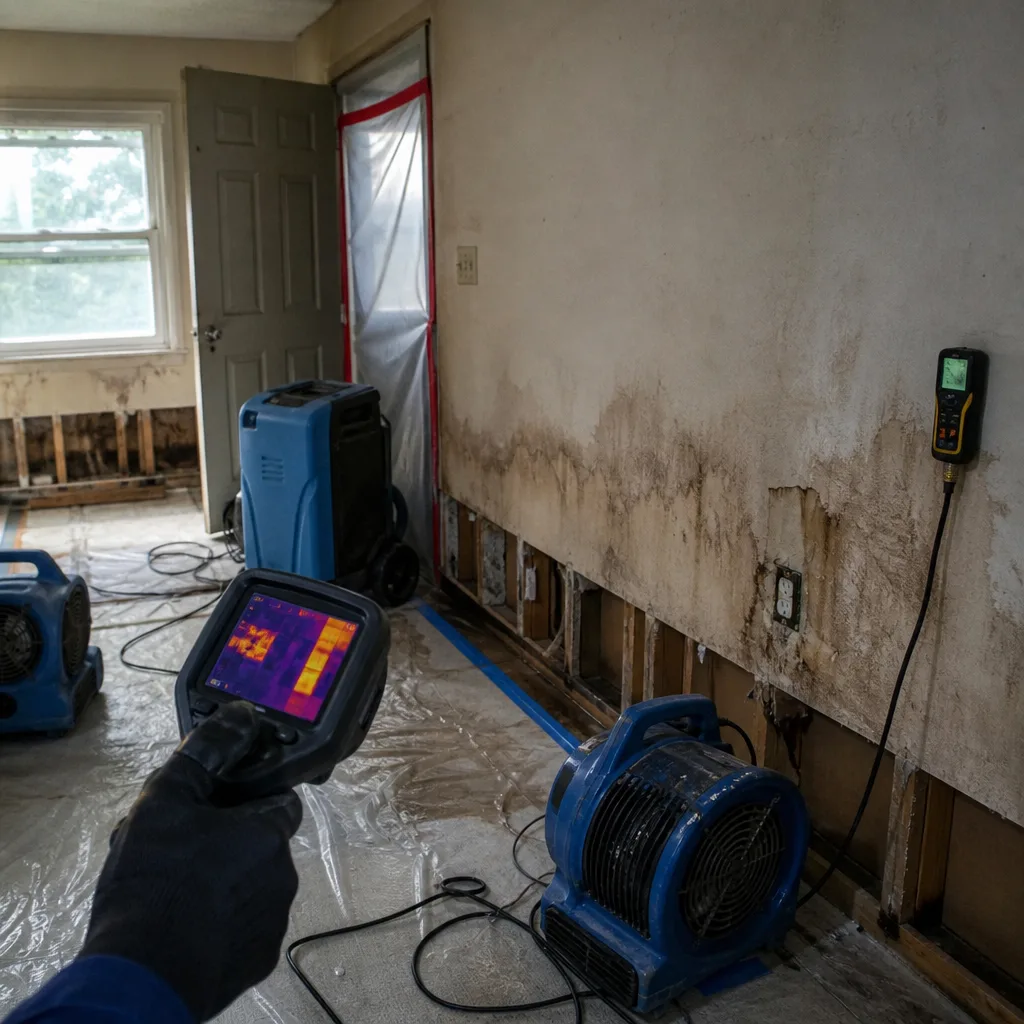 Before
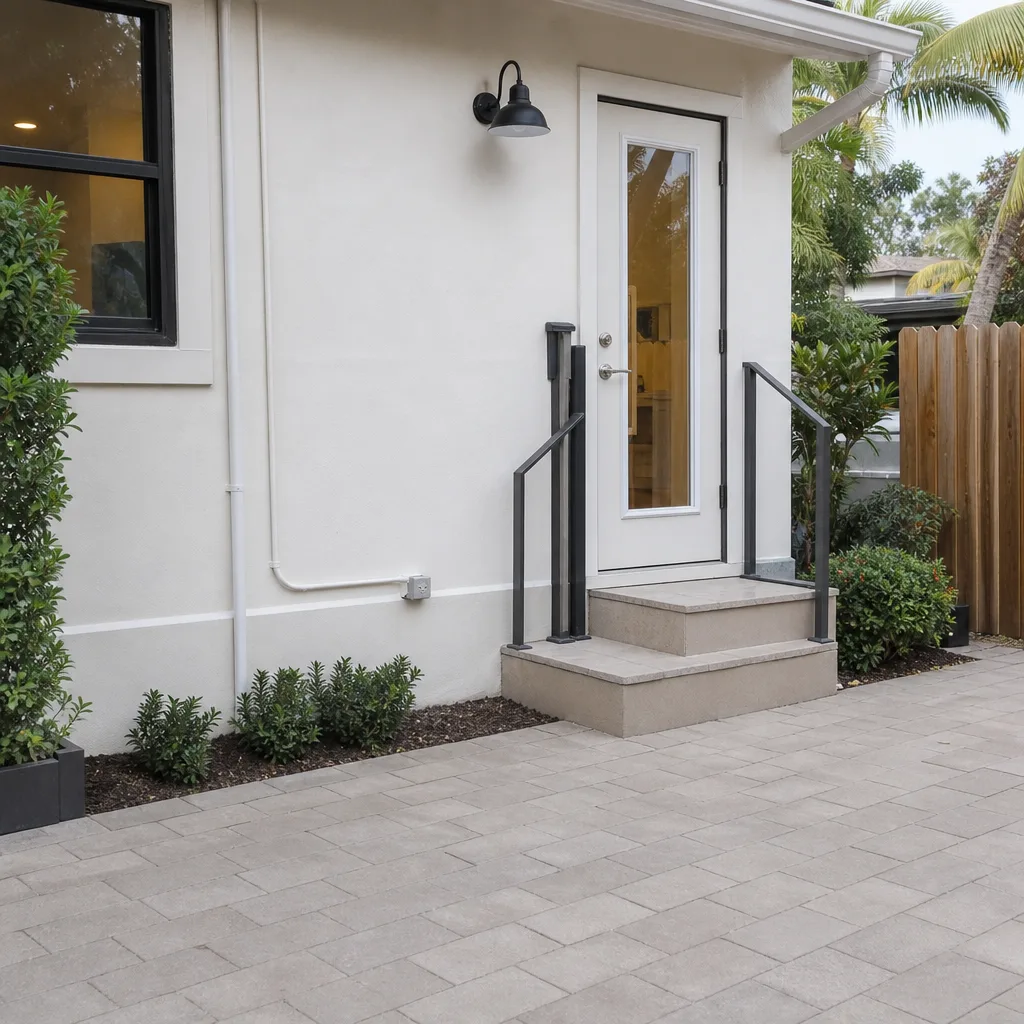 After
AfterSeasonal Damage Restoration Care for Hollywood: Year-Round Homeowner’s Guide
More Hollywood water damage claims originate from January through March AC condensate overflow than from named tropical storms, because owners who weatherproofed in October stopped inspecting their mechanical systems entirely. The humid subtropical climate here doesn’t pause between hurricane seasons; it shifts damage modes. In this guide, we’ll map Hollywood’s true two-peak risk pattern, assign concrete quarterly tasks, and show you how to build a property log that an adjuster reads as evidence, not opinion. For a broader overview, see The Complete Guide to Damage Restoration in Hollywood. You’ll learn why summer convective storms and winter AC cycling create distinct failure modes, what to document before June 1, and how the documentation you keep today determines whether your insurer pays tomorrow.
Quick Answer
Hollywood homeowners face two distinct damage peaks annually: summer convective storms (July-September) that test roof and envelope integrity, and winter AC cycling (January-March) that produces condensate overflow and hidden moisture accumulation. Year-round protection requires quarterly mechanical inspections, a documented pre-loss photo baseline updated each spring, and a Water Damage Restoration Maintenance Checklist for Hollywood Homeowners formatted to IICRC standards that insurers can read as evidence of maintained condition.
Table of Contents
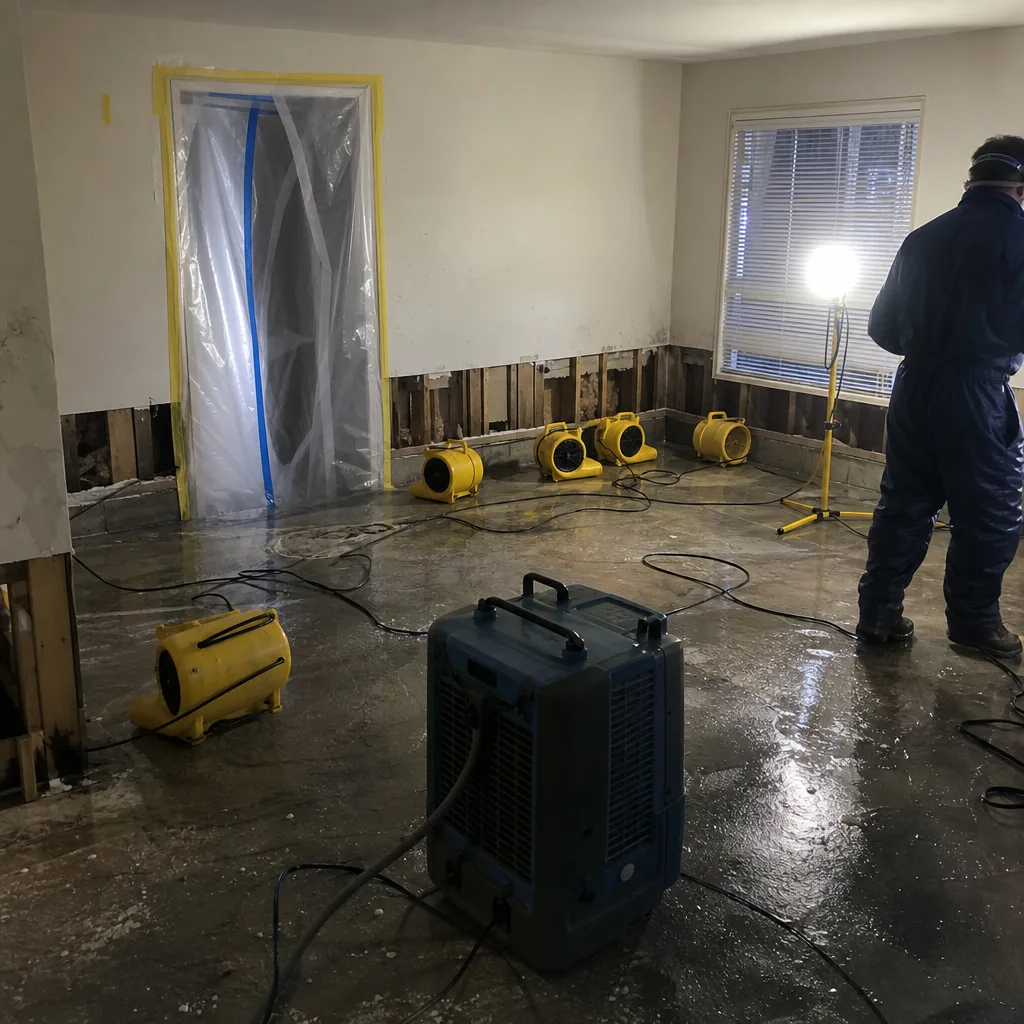
- Q1 (January-March): The Hidden AC Season
- Q2 (April-June): Pre-Storm Documentation Window
- Q3 (July-September): Active Storm Protocols
- Q4 (October-December): Recovery and Mechanical Reset
- Building a Year-Round Property Log That Insurers Accept
- Hollywood-Specific Risks Competitors Miss
- Common Mistakes to Avoid
- When to Call a Professional
- Frequently Asked Questions
 Before
 After
AfterQ1 (January-March): The Hidden AC Season
Hollywood’s winter is not a break from moisture risk. When outdoor dew points drop into the 50s during January cold fronts, homeowners switch from cooling to heating or run AC less frequently. The mechanical systems that ran continuously for eight months suddenly cycle on and off, and the condensate that flowed steadily now pools, stagnates, or backs up.
We’ve documented more January-March water damage calls in Hollywood from AC condensate overflow than from any other single source. The pattern is consistent: a clogged condensate line that handled summer flow now backs up during the first extended cooling cycle of a warm February afternoon. The drip pan, already corroded from a season of standing water, fails. Water runs through ceiling drywall before anyone notices the stain.
What to inspect in Q1:
- Condensate line clearing. Blow or vacuum the primary drain line from the air handler to the exterior termination. In Hollywood’s mature neighborhoods like Hollywood Hills and Emerald Hills, lines often terminate near foundation plantings where root intrusion is common. A clear line should drain visibly when the AC runs for 15 minutes.
- Drip pan integrity. Remove the pan if accessible, or inspect through the access panel with a borescope. Galvanized steel pans in homes built 1985-2005 show rust-through at the low point. Plastic pans crack at the support rail contact points. Document with photos; replacement costs $80-$240 for the pan, or $1,200-$3,400 if failure leads to ceiling and insulation damage.
- Indoor humidity monitoring. Maintain a digital hygrometer in the return air path. Target 45-55% relative humidity. Below 40% suggests overcooling or excessive outdoor air infiltration; above 60% indicates inadequate dehumidification or latent load the system isn’t removing. Both conditions stress materials and create conditions for mold colonization.
- Air handler platform level. Platforms sag over time, especially in attic installations common in Hollywood’s 1950s-1970s ranch stock. A pan that doesn’t sit level drains incompletely. Check with a torpedo level; shim if the low corner is more than 1/4 inch off.
The documentation habit starts here. Photograph the clean line, the level pan, the hygrometer reading. Date the image file. This is your first entry in the property log that proves maintained condition.
Q2 (April-June): Pre-Storm Documentation Window
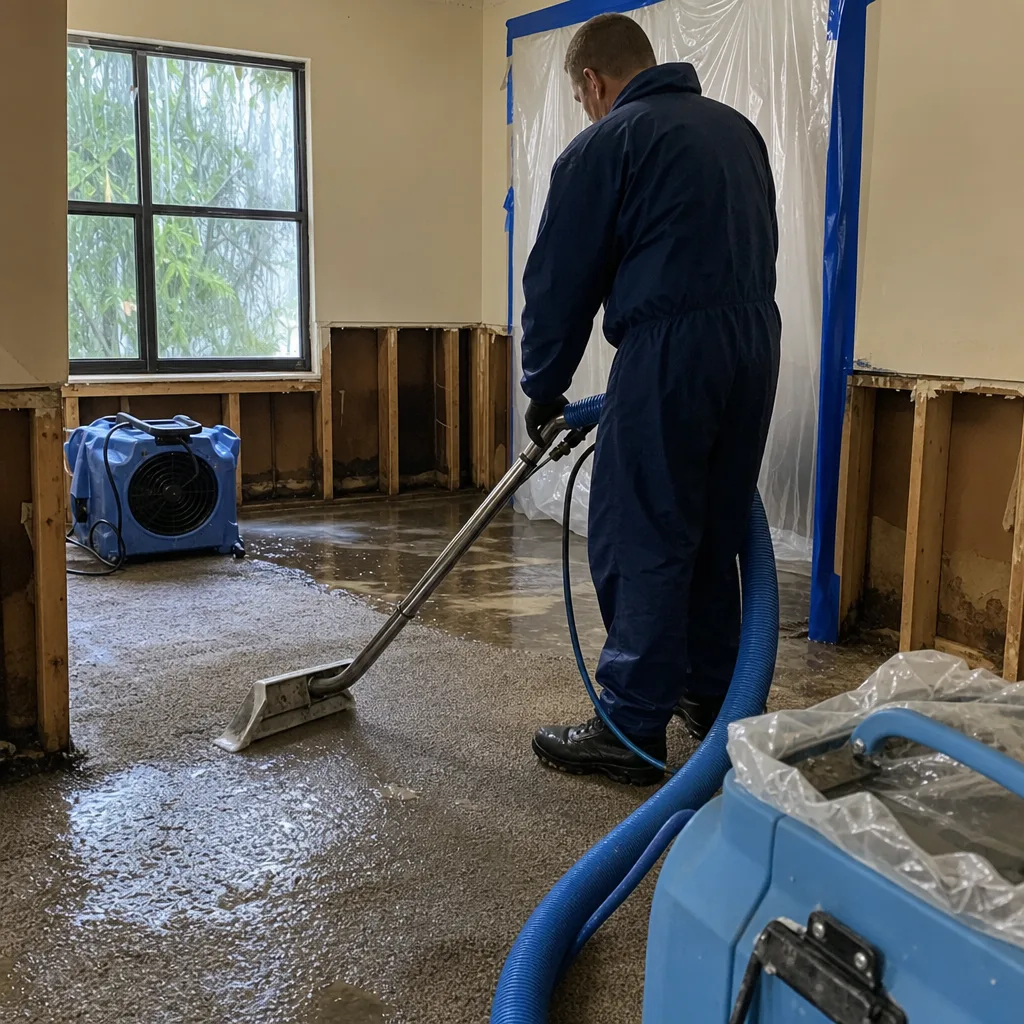
April 1 marks the practical start of storm preparation in Hollywood. The named storm season opens June 1, but convective systems build in May, and the first severe weather often arrives before Memorial Day. This eight-week window is your only opportunity to establish a defensible pre-loss condition baseline.
Insurers deny or reduce claims when pre-existing damage cannot be distinguished from storm-caused damage. The homeowner who photographs their roof in April has evidence. The homeowner who does not faces the adjuster’s assumption that the water stain existed before the wind event.
Roof and envelope audit:
- Roof penetration inventory. Walk the roof or hire a licensed roofer. Document every vent pipe boot, chimney cricket, satellite mount, and HVAC curb. In Hollywood’s coastal exposure zones, UV degradation of rubber boots accelerates; a boot that looks intact in April may fail under wind-driven rain in August. Photograph each from two angles, with a date stamp.
- Secondary water barrier check. Homes built or re-roofed after 2002 in Broward County should have a self-adhered membrane at the eaves and valleys. Verify by lifting a shingle tab at the eave edge. If you see only felt paper, the secondary barrier is absent or failed. Replacement requires a full re-roof; document the condition for your insurer and consider the exposure in your coverage review.
- Window and door seal inspection. Check weep holes for blockage, especially on south and west exposures where stucco dust accumulates. Operate each window; weatherstripping that compresses permanently or pulls free indicates replacement need. Caulk failure at the frame-to-wall joint is common in Hollywood’s salt-air environment; scrape and re-caulk with polyurethane sealant rated for 50% joint movement.
- Gutter and downspout function. Clear debris from the previous fall. Test with a hose at each downspout; flow should exceed the capacity of a 5-minute, 1-inch-per-hour rainfall event. In Hollywood’s banyan and live oak canopy neighborhoods, gutter guards are often counterproductive, trapping fine leaf detritus that forms impermeable mats. We remove more functional clogs from guarded gutters than from open ones.
Establishing the pre-loss photo baseline:
- Photograph each exterior elevation, full frame, from a fixed point you can replicate.
- Photograph each roof slope from the ground or a fixed ladder position.
- Photograph the interior of each closet, cabinet base, and mechanical room. These are the first areas where water appears and the hardest to prove as pre-loss clean.
- Store images in cloud storage with automatic date stamping, not on a local drive that flood or fire can destroy.
- Email a copy to your insurance agent with a read receipt, establishing third-party custody.
This baseline, updated annually, is the documentation that transforms a disputed claim into a paid claim. Water damage restoration in Hollywood becomes simpler when the origin is photographically established.
Q3 (July-September): Active Storm Protocols
Convective storms in Hollywood produce rainfall rates that exceed hurricane totals in shorter duration. A July afternoon supercell can drop 4 inches in 90 minutes on a 1-square-mile footprint. The damage mode is different from a hurricane: localized, intense, often with wind-driven rain through soffit vents and louvered openings that hurricanes test less directly.
Your Q3 task is not prevention, which closed in June. It is documentation during and immediately after events, to preserve the claim timeline that insurers scrutinize.
Before significant weather:
- Run the pre-loss photo checklist again if you haven’t since April. Conditions change; new cracks appear, new stains develop. Document them as pre-existing so they cannot be attributed to the coming event.
- Move vehicles to high ground if street flooding is predicted. Hollywood’s flat coastal topography produces sheet flow that pools at intersections before drainage systems activate. Your vehicle documentation matters less than your safety, but photograph the parking position.
- Test sump pumps and battery backups. The groundwater table in eastern Hollywood rises within hours of sustained rainfall; a pump that handles normal seepage may cycle continuously during a storm and fail from thermal overload.
During the event:
Do not inspect the roof or exterior during active lightning or wind conditions. Document from interior positions only. Photograph water entry points as they occur: the window sill where spray penetrates, the ceiling location where staining first appears, the baseboard where water wicks up. These real-time images establish the path of water, which determines the scope of dryout and restoration.
Within 24 hours after:
- Photograph all affected areas before moving contents or beginning any drying effort. Insurers have denied claims where the homeowner “mitigated” before documenting, destroying evidence of origin.
- Record the specific time of discovery and the weather event that preceded it. Cross-reference with National Weather Service records for Hollywood; save the local storm report as a PDF.
- Contact your insurer to establish the claim date and claim number. Request written confirmation by email.
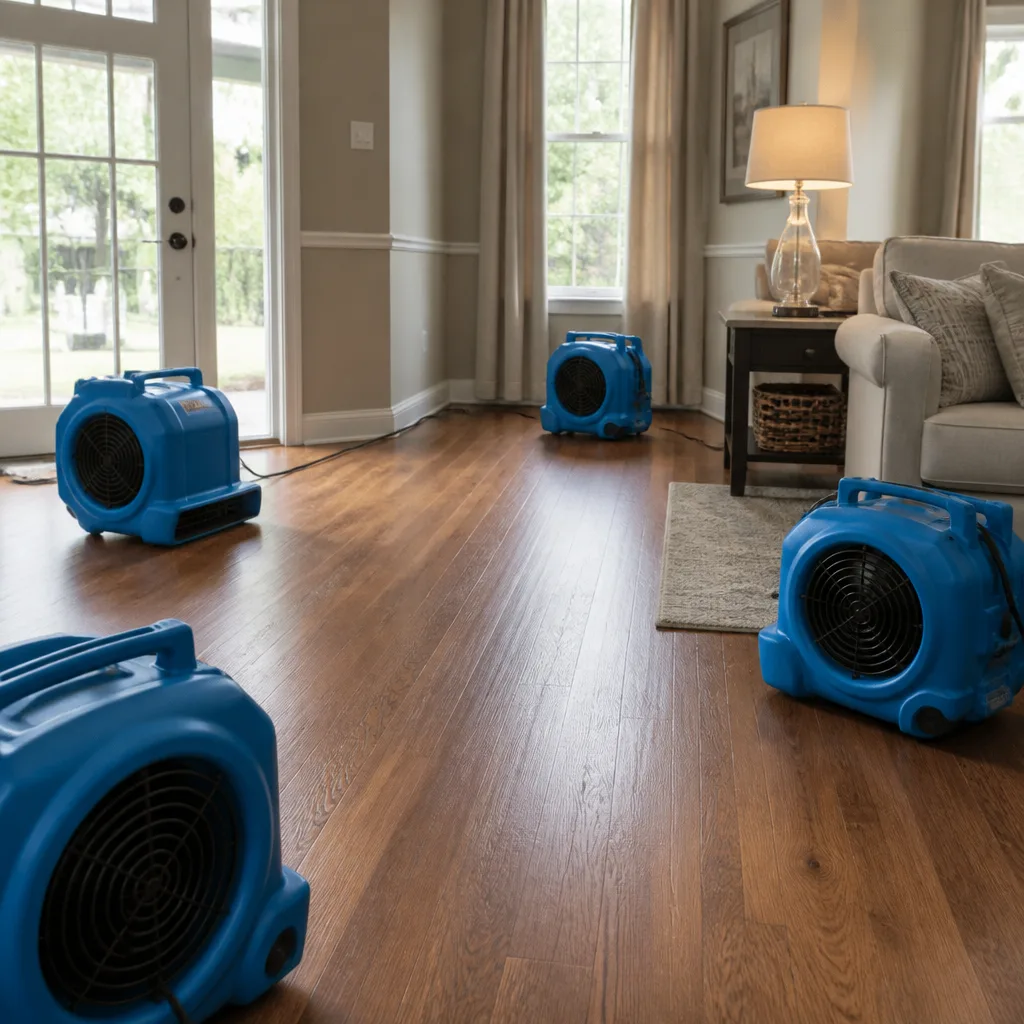
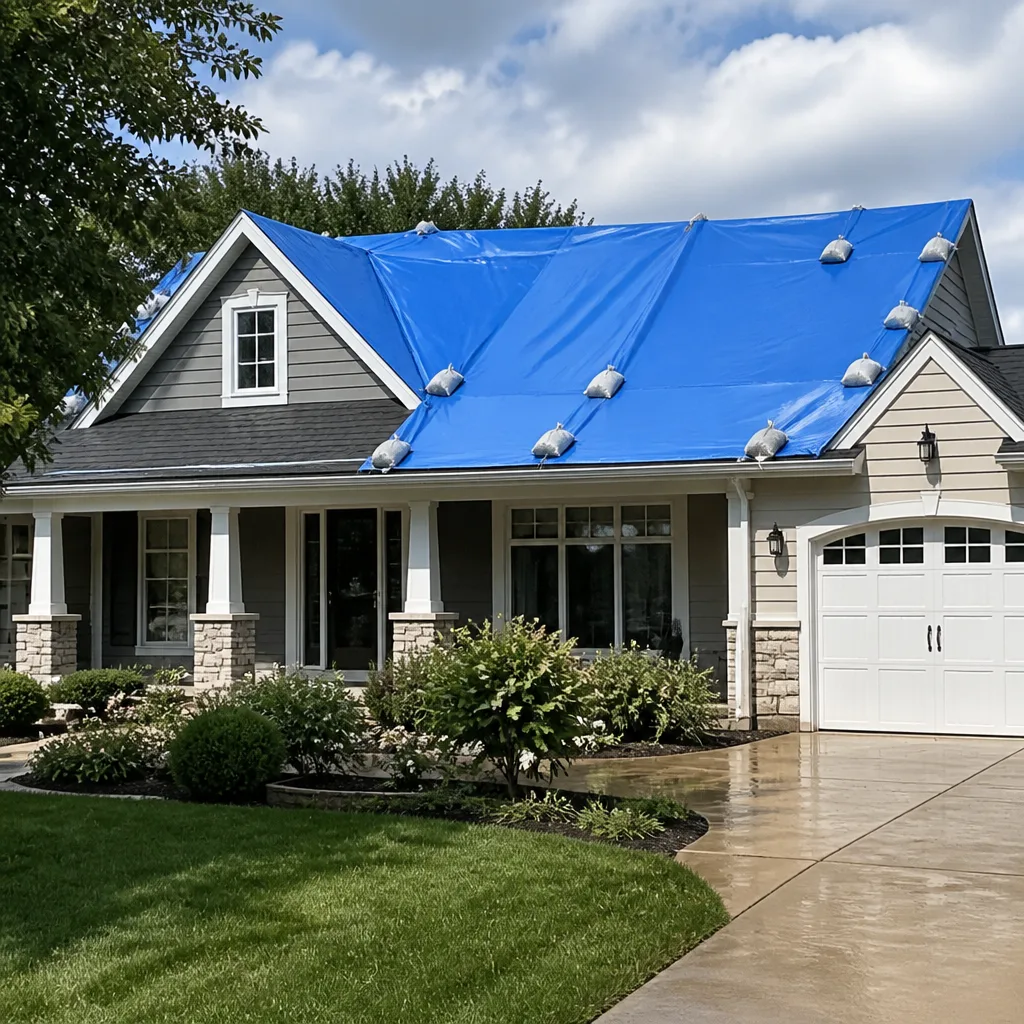
- Begin emergency mitigation only to prevent further damage: tarping, wet vac extraction, dehumidifier deployment. Do not remove building materials until an adjuster has inspected or given written authorization, unless structural safety requires it.
- Log every action: time, equipment deployed, moisture readings if available, photographs of each step.
The 24-hour window is critical. Mold colonization in Hollywood’s climate begins at 48-72 hours on cellulose materials at 60% relative humidity. Emergency mitigation is necessary, but unlogged mitigation is a coverage risk.
Our crews document to IICRC S500 and S520 standards, producing daily moisture logs with psychrometric data: temperature, relative humidity, specific humidity, and vapor pressure differential. These readings show whether the drying environment is progressing the material toward equilibrium moisture content, or merely circulating wet air. An insurer can read this data; they cannot read a homeowner’s assurance that “we ran fans for three days.”
Q4 (October-December): Recovery and Mechanical Reset
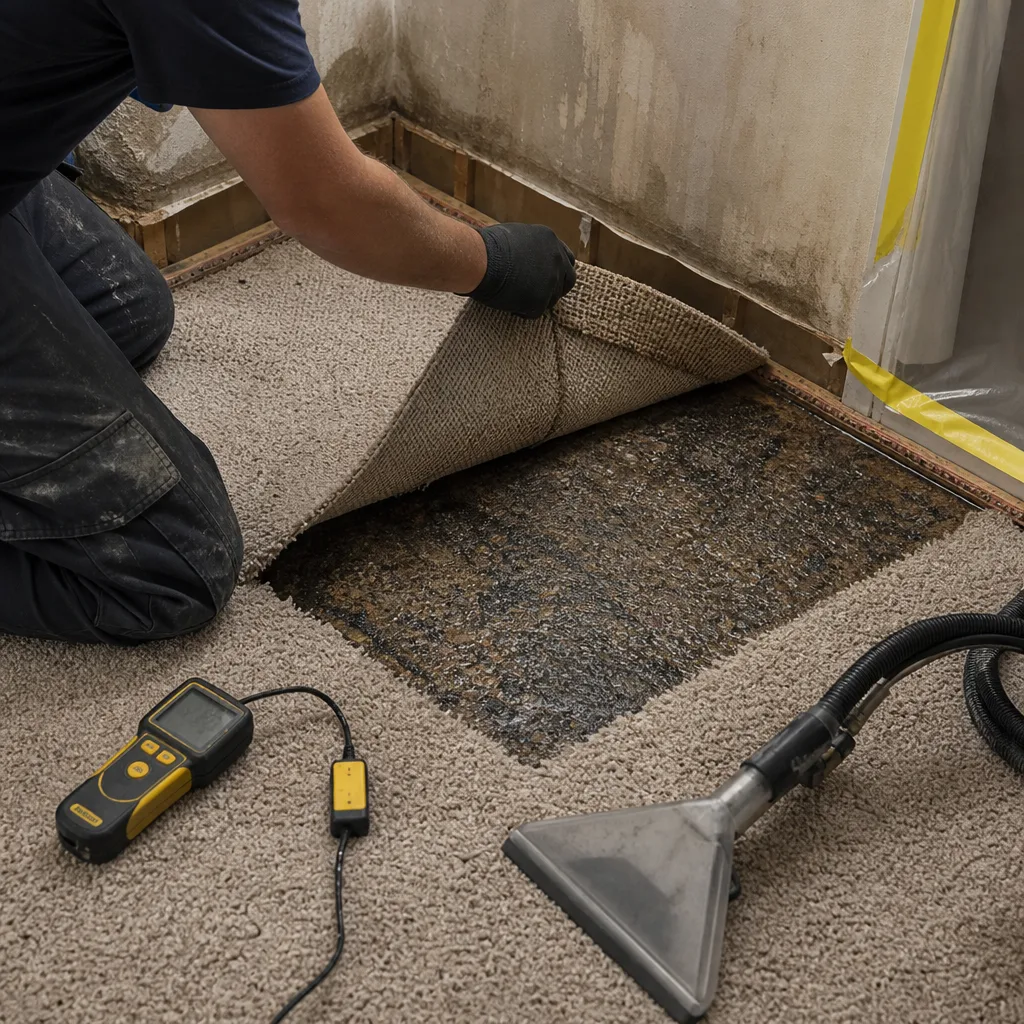
October 15 marks the statistical end of peak storm risk in South Florida. The temptation is to relax. The requirement is to assess what the season revealed and restore mechanical systems to Q1 readiness.
This quarter’s work prevents the Q1 failures we described at the start. The AC system that ran hard through summer needs attention before the January cycling pattern begins.
Post-season plumbing and irrigation assessment:
- Irrigation system blowout and valve check. Hollywood’s irrigation systems run year-round, but summer overgrowth obscures leaks that become evident only when pressure drops in winter. Run each zone individually; look for saturated spots that indicate subsurface line breaks. In Hollywood’s sandy soils, a 1/2-inch line break can move 200 gallons per day without surface ponding, creating a subsurface moisture plume that wicks into slab foundations.
- Water heater relief valve test. The TPR valve should discharge when lift-tested. Corrosion from Hollywood’s moderately hard water (8-12 grains per gallon) causes valve seat failure. A stuck-closed valve is a steam explosion risk; a stuck-open valve wastes water and creates humidity load.
- Washer supply hose replacement. Rubber hoses older than five years have a 50% failure rate in our experience. Replace with braided stainless steel. Document the replacement date in your property log.
- Slab perimeter inspection. Walk the exterior foundation after a dry week. Persistent dampness, efflorescence, or vegetation that stays green when surrounding grass browns indicates subsurface moisture. In Hollywood’s flat terrain, this often traces to irrigation, but it can also indicate a rising water table or sewer line issue.
Gutter clearing specific to mature canopy:
Hollywood’s established neighborhoods, particularly east of I-95, have tree canopies that produce unique debris. Live oak leaves are leathery and resist decomposition; they form dense mats that standard gutter scoops cannot remove. Banyan aerial roots drop continuously and wedge in downspout elbows. Royal palm frond bases detach whole and block 4-inch outlets.
Effective clearing requires:
- Hand removal of large debris, not blower-only cleaning that leaves mat material.
- Downspout disassembly at elbows to check for lodged material.
- Flush with hose at volume, not pressure, to verify unrestricted flow.
- Photograph the clear condition; this is your Q4 log entry.
The mechanical reset complete, your systems are ready for Q1. The property log now contains four quarterly entries, each with dated photographs, forming a continuous record of maintained condition.
Building a Year-Round Property Log That Insurers Accept
An insurer evaluates a claim against the policy’s maintenance and vacancy conditions. The homeowner who produces a log formatted to industry standards has already answered the adjuster’s first three questions: Was the property maintained? Was the damage sudden and accidental? Was mitigation prompt and reasonable?
The log structure we recommend:
| Element | Standard | Format |
|---|---|---|
| Photographs | Date-stamped, geotagged if possible | JPEG with EXIF data preserved; cloud backup |
| Moisture readings | Pin or pinless meter, calibrated annually | Percentage wood moisture equivalent, with material type noted |
| Maintenance actions | IICRC R520 reference for mold-prone areas | Date, action, technician or vendor name, next due date |
| Weather events | NWS Miami-South Florida records | Event date, rainfall total, wind gust, claim number if applicable |
| Professional inspections | Licensed contractor, written report | PDF report stored with photos, scope and price noted |
The critical distinction: this is not a homeowner’s journal. It is evidence, formatted so that an adjuster, a public adjuster, or an attorney can read it without interpretation. Each entry answers the questions that insurers ask when evaluating coverage.
We provide documented photo records on every visit as a standard deliverable, never an upsell. Our daily drying logs include psychrometric data: temperature, relative humidity, specific humidity, and vapor pressure differential. These terms describe whether the air in your structure can still absorb moisture from wet materials, or whether the drying environment has stalled. An insurer can read this data and verify that drying progressed according to IICRC S500 standards.
Haven Standard, Clause 1: a written price before work begins. The property log should include this written scope and price for any professional service, creating a paper trail of reasonable costs that supports your claim’s valuation.
Hollywood-Specific Risks Competitors Miss
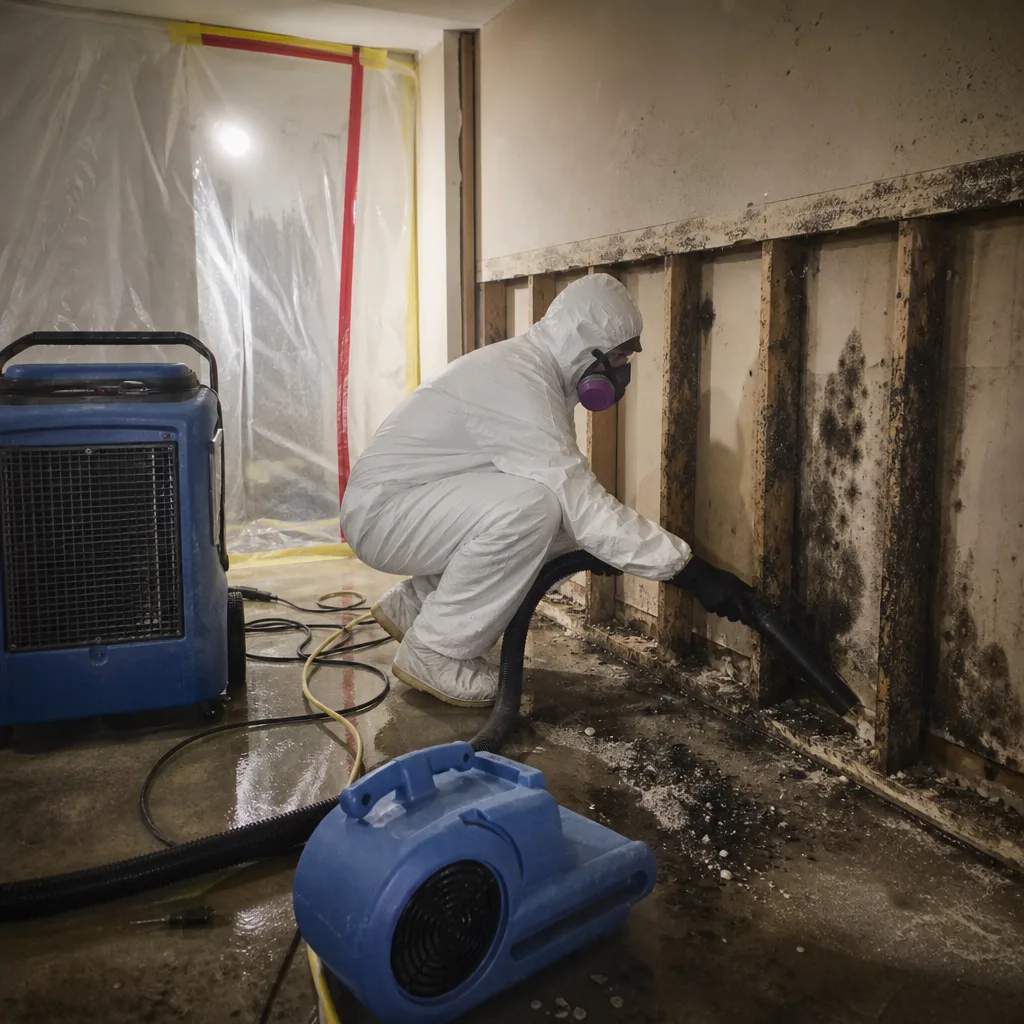
Generic storm prep advice fails in Hollywood because it doesn’t account for local conditions that shape damage modes.
Salt-air corrosion cycle: Hollywood’s proximity to the Atlantic creates chloride deposition rates that accelerate metal corrosion. Condensate pans, flashing fasteners, and electrical connections in outdoor equipment fail 30-40% faster than inland equivalents. The inspection interval that suffices in Pembroke Pines is inadequate here. We replace corroded condensate pumps in Hollywood at twice the rate we see in western Broward County.
Flat terrain and sheet flooding: Hollywood’s elevation gradient is minimal, particularly east of Federal Highway. Stormwater moves slowly; a blocked drain at Sheridan Street can back water into homes a half-mile away that are not in a mapped flood zone. Flood insurance through NFIP is advisable even outside designated zones, and the documentation of maintained drainage (swales, catch basins, private pump systems) supports claims under standard policies when water enters from surface flow.
Mature canopy and root intrusion: Hollywood’s tree preservation ordinances protect established canopy, which means root systems continue expanding into aging sewer laterals and irrigation lines. The homeowner who clears a condensate line but ignores the sewer cleanout is preparing for the wrong failure. We recommend video inspection of sewer laterals every 3-5 years in Hollywood’s pre-1980 housing stock; root intrusion is predictable and cheaper to address proactively than after a backup.
AC-dependent construction: Hollywood’s housing stock, particularly the 1950s-1980s concrete block construction, was designed for mechanical cooling. Envelope tightness is poor by modern standards; the building relies on positive pressure from the AC system to exclude humid outdoor air. When AC fails or is undersized, humidity rises rapidly and condensation forms on cool surfaces, particularly metal ducts in unconditioned attics. The damage mode is not a leak; it is systemic moisture loading that produces mold across multiple rooms before visible water appears.
Common Mistakes to Avoid
- Inspecting only before hurricane season. The October prep that ignores January AC cycling leaves the highest-volume damage source unaddressed. Mark both peaks on your calendar.
- Photographing only damage, not condition. Insurers need pre-loss condition to establish coverage. A photo of a clean ceiling in April is more valuable than a photo of a stained ceiling in July.
- Using uncalibrated moisture meters. A pin meter reading 18% on drywall means nothing if the meter hasn’t been calibrated against a known standard. Professional meters require annual calibration; homeowner-grade meters should be replaced every 2-3 years.
- Assuming flood zone maps predict all risk. Hollywood’s sheet flooding occurs outside mapped zones when drainage systems are overwhelmed. Document drainage maintenance regardless of zone designation.
- Delaying professional assessment for “minor” water. Water that wicks into drywall baseboards or subfloor edges is not minor; it is hidden. By the time visible mold appears, the remediation scope has multiplied.
- Accepting verbal estimates. Haven Standard, Clause 1 exists because verbal scopes are unenforceable and uninsurable. A written price before work begins protects both the homeowner and the contractor.
- Storing documentation only locally. A fire or flood that damages your home can destroy your documentation. Cloud storage with automatic sync is essential.
When to Call a Professional
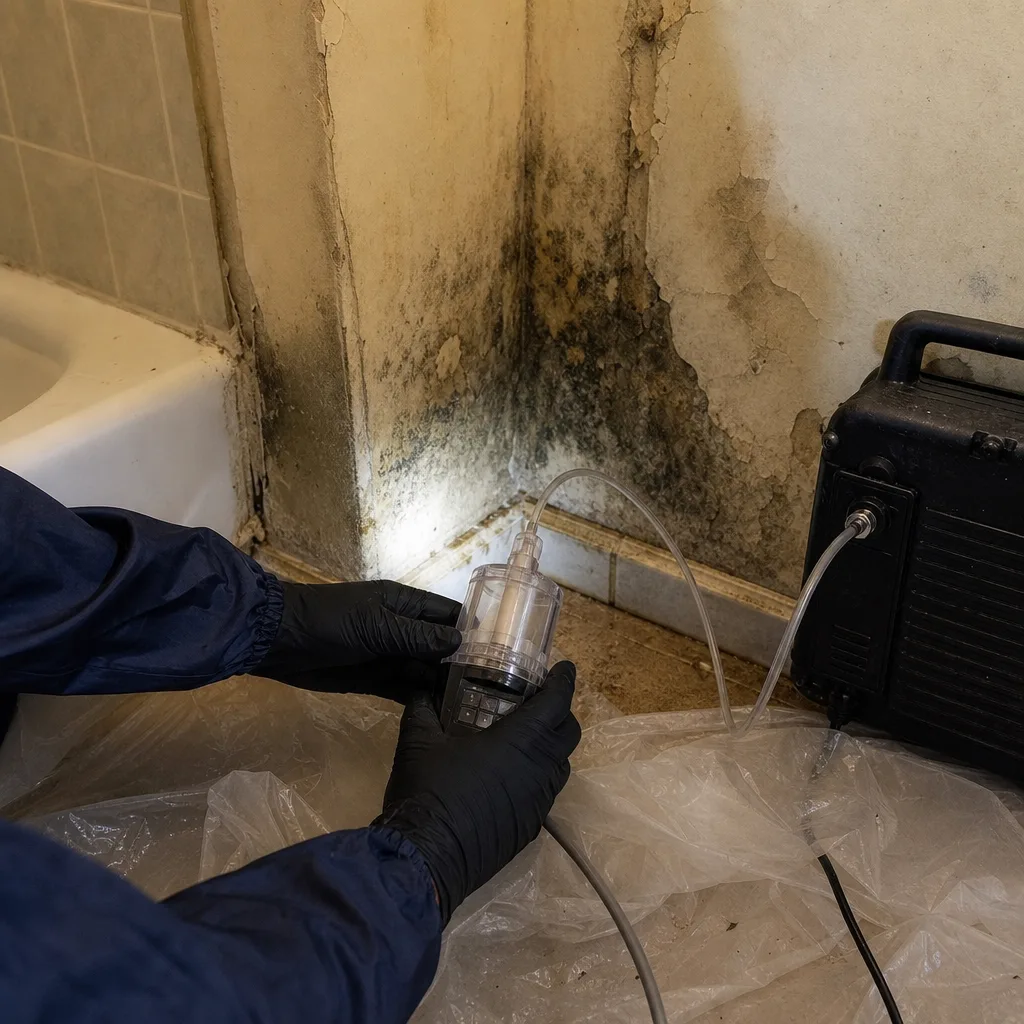
Call for professional assessment when water affects multiple rooms, when the source is not immediately identifiable, when moisture has been present for more than 24 hours, or when any HVAC, electrical, or gas system is involved. Fire and smoke damage always requires professional evaluation due to hidden combustion product deposition.
DryMark Restoration Hollywood offers free estimates in Hollywood. Our live phone coverage is available 24 hours a day, 7 days a week with no voicemail on emergency lines. Every job is quoted in writing before work begins, documented with a photo record on every visit, and covered by the 365-Day Done Right Promise. Call (754) 222-3479.
Frequently Asked Questions
Professional quarterly inspection and documentation service in Hollywood typically runs $400-$800 annually for a single-family home under 2,500 square feet, with DIY component tasks (condensate clearing, gutter cleaning, humidity monitoring) adding $150-$300 in materials and equipment. For detailed pricing context, see our Damage Restoration Cost Breakdown: The Hollywood Homeowner’s Reference for 2026. The cost of documented prevention is typically 5-10% of an average water damage claim deductible. Call (754) 222-3479 for an exact quote - estimates are free.
Standard HO-3 policies cover sudden and accidental water damage but exclude damage from maintenance neglect, such as a failed condensate pan that was visibly rusted for two years. A documented property log that shows regular inspection and timely repair is your primary defense against a maintenance exclusion denial. Insurers apply the exclusion when they can prove the homeowner knew or should have known of the condition.
Our live dispatch answers every call, 24 hours a day, 7 days a week. Emergency water damage crews are typically on site in Hollywood within 60-90 minutes for active flow situations. Mold assessment and non-emergency evaluation are scheduled within 24-48 hours. Reconstruction and rebuild work is scoped, scheduled, and priced in writing before scheduling, not dispatched for same-day service.
Remediation is required when mold growth exceeds 10 square feet of contiguous area, when HVAC systems are contaminated, or when moisture readings indicate hidden growth in wall cavities or subfloors. Surface cleaning suffices only for limited, non-porous contamination with no moisture source remaining. We provide a written scope that distinguishes these conditions, with moisture readings and photo documentation, before recommending any work.
We coordinate directly with your adjuster, providing the documented photo record, daily drying logs, and written scope that adjusters need to approve payment. Our documentation is formatted to IICRC standards that insurers recognize. We do not require you to manage adjuster communications, though we copy you on all correspondence.
Hollywood’s specific risk profile combines flat coastal topography that produces sheet flooding outside mapped zones, mature tree canopy that creates unique gutter and drainage challenges, and a housing stock heavily weighted to 1950s-1980s concrete block construction with poor envelope tightness. These factors produce AC-dependent moisture management and root-intrusion plumbing failures that are less prevalent in areas with newer construction or different topography. Local experience with these patterns matters in scope accuracy.
The Bottom Line
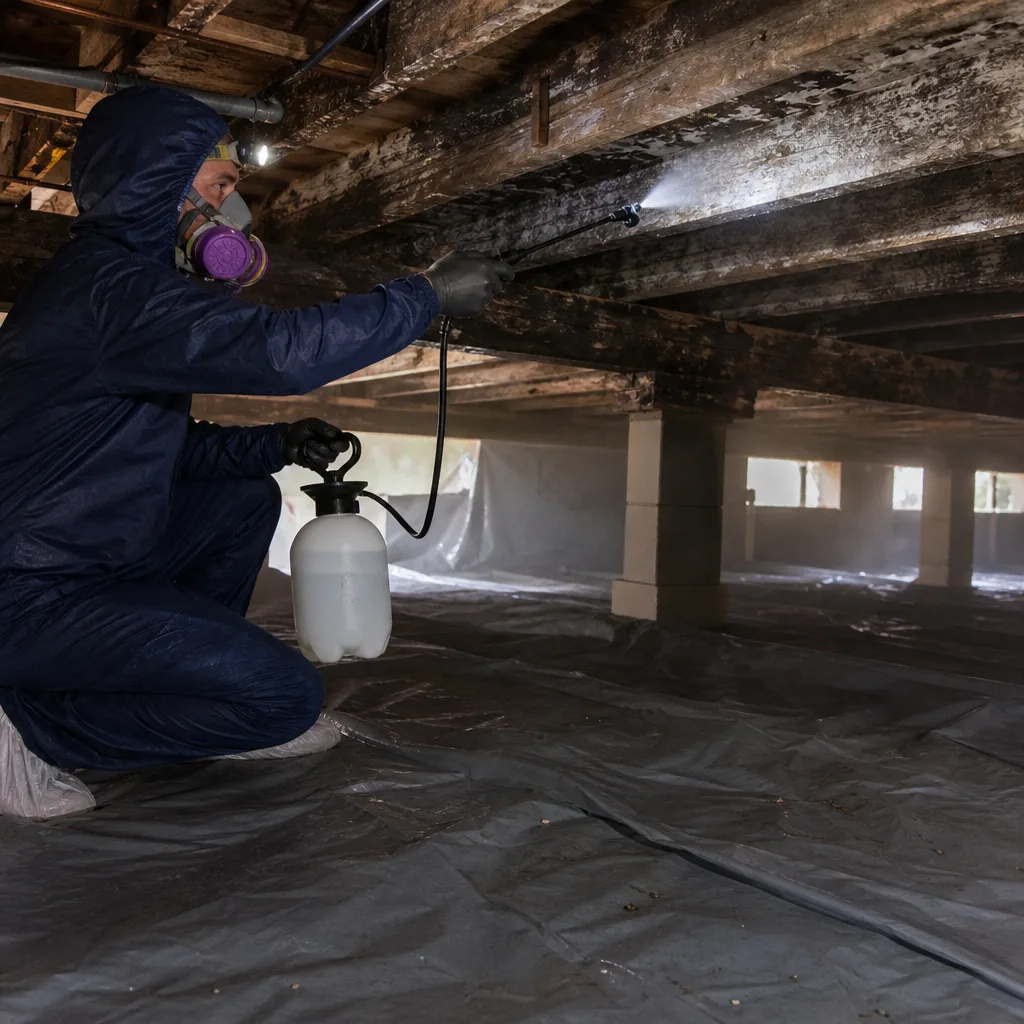
Hollywood’s restoration risk follows a two-peak annual pattern: summer convective storms test your roof and envelope, while winter AC cycling attacks your mechanical systems and creates hidden moisture. Protection requires quarterly tasks assigned to each peak, a pre-loss photo baseline established before June 1, and a property log formatted as evidence rather than notes. The documentation you keep determines whether your insurer pays without dispute. Start with Q1’s condensate line clearing, build the log habit, and maintain it year-round. Explore more guides & resources for year-round protection strategies.
Written by Alicia Brennan, Owner at DryMark Restoration Hollywood, serving Hollywood since 2011.