
Last updated September 23, 2026
Free visual inspection and a written scope of work before any mitigation begins - photos, moisture readings, and drying logs go in your claim file
The scope we write is the scope we bill. Anything new gets shown to you, in writing, before we touch it.
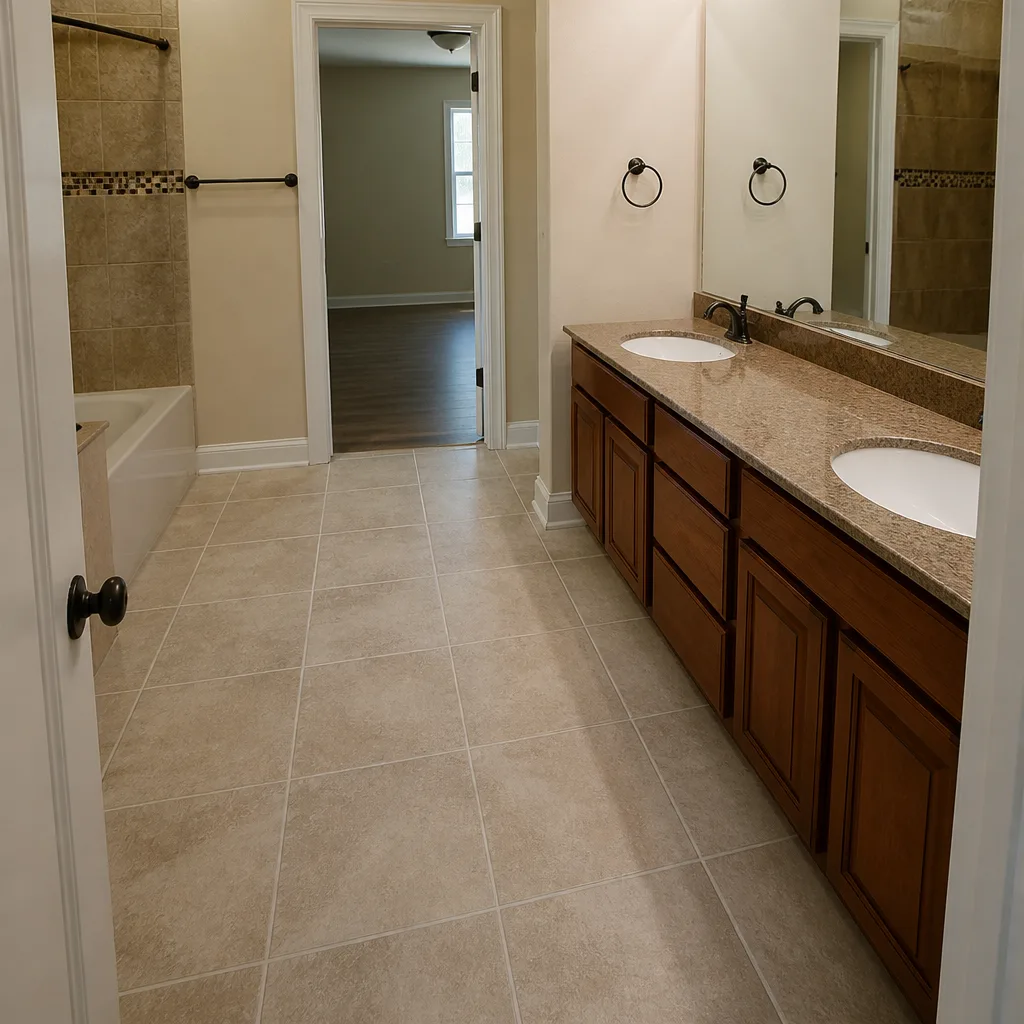
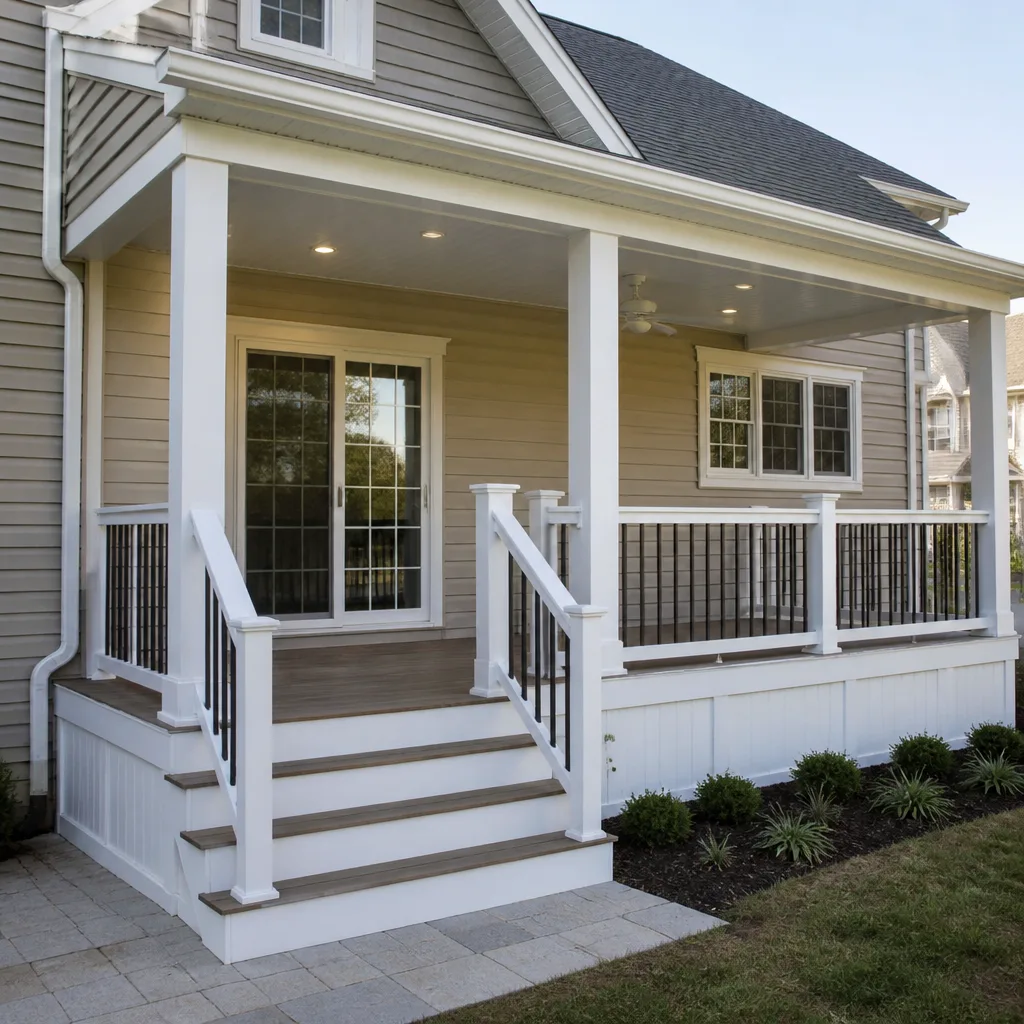
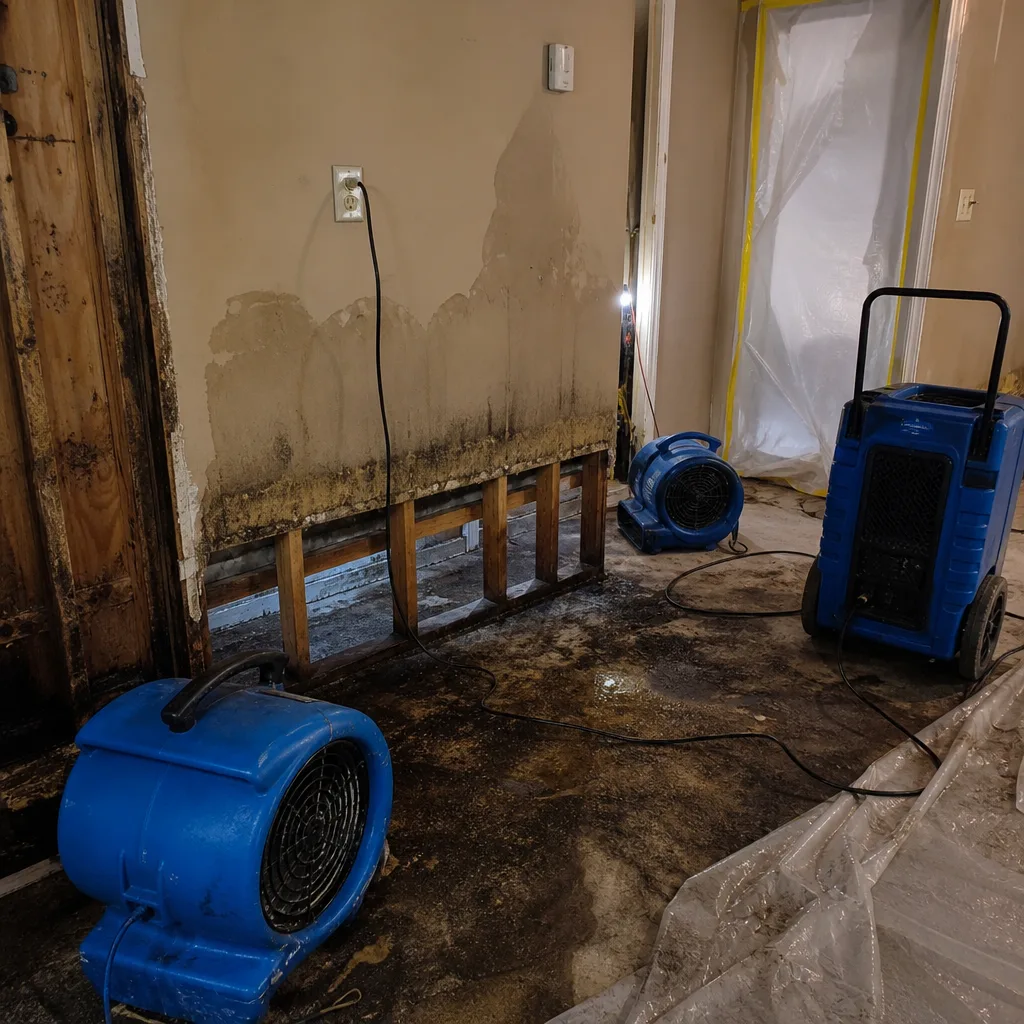 Before
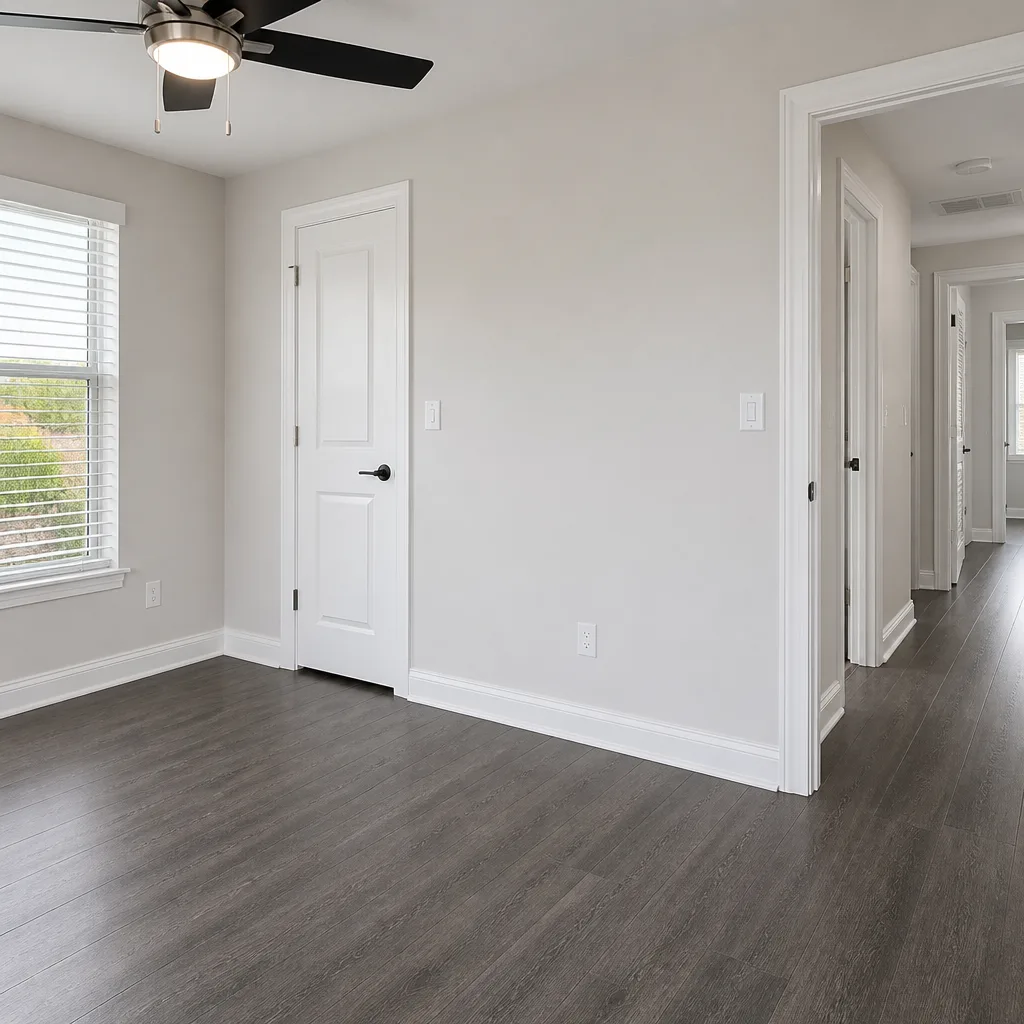 After
After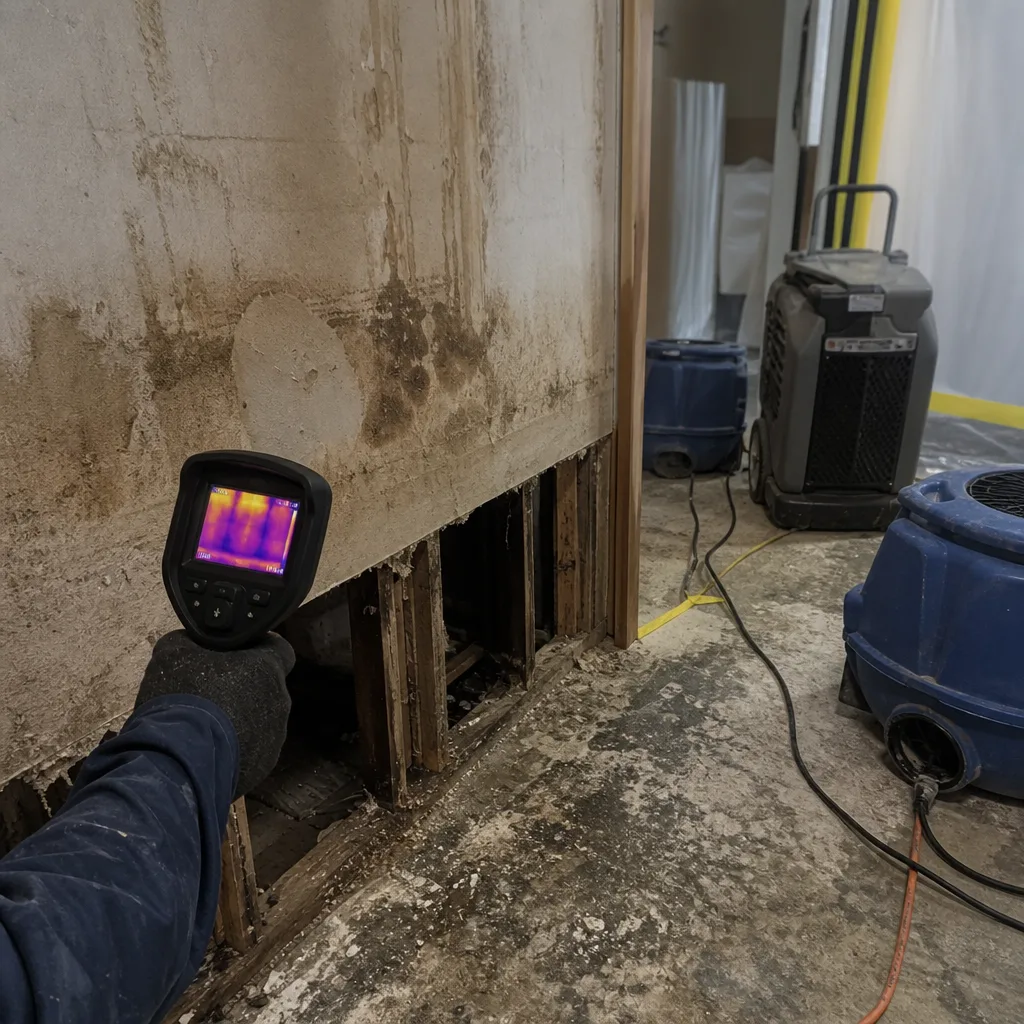 Before
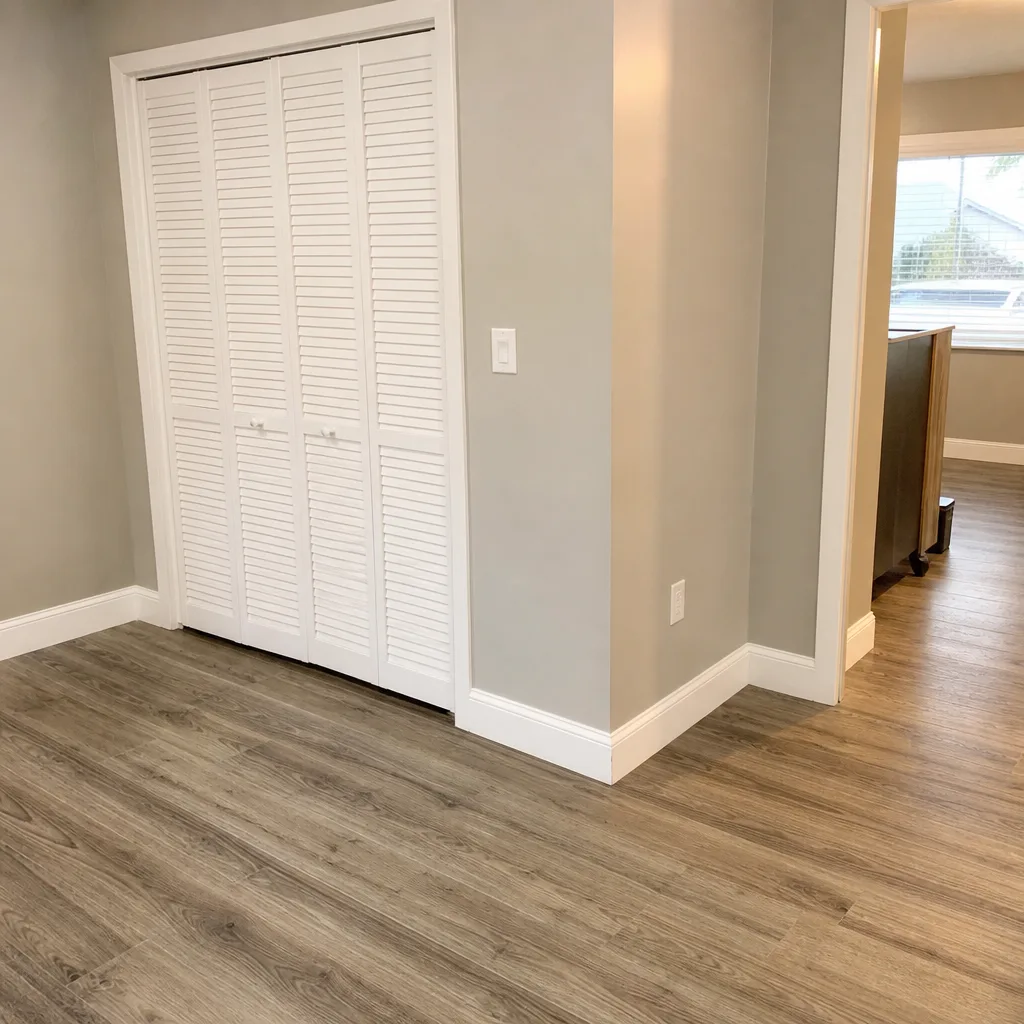 After
After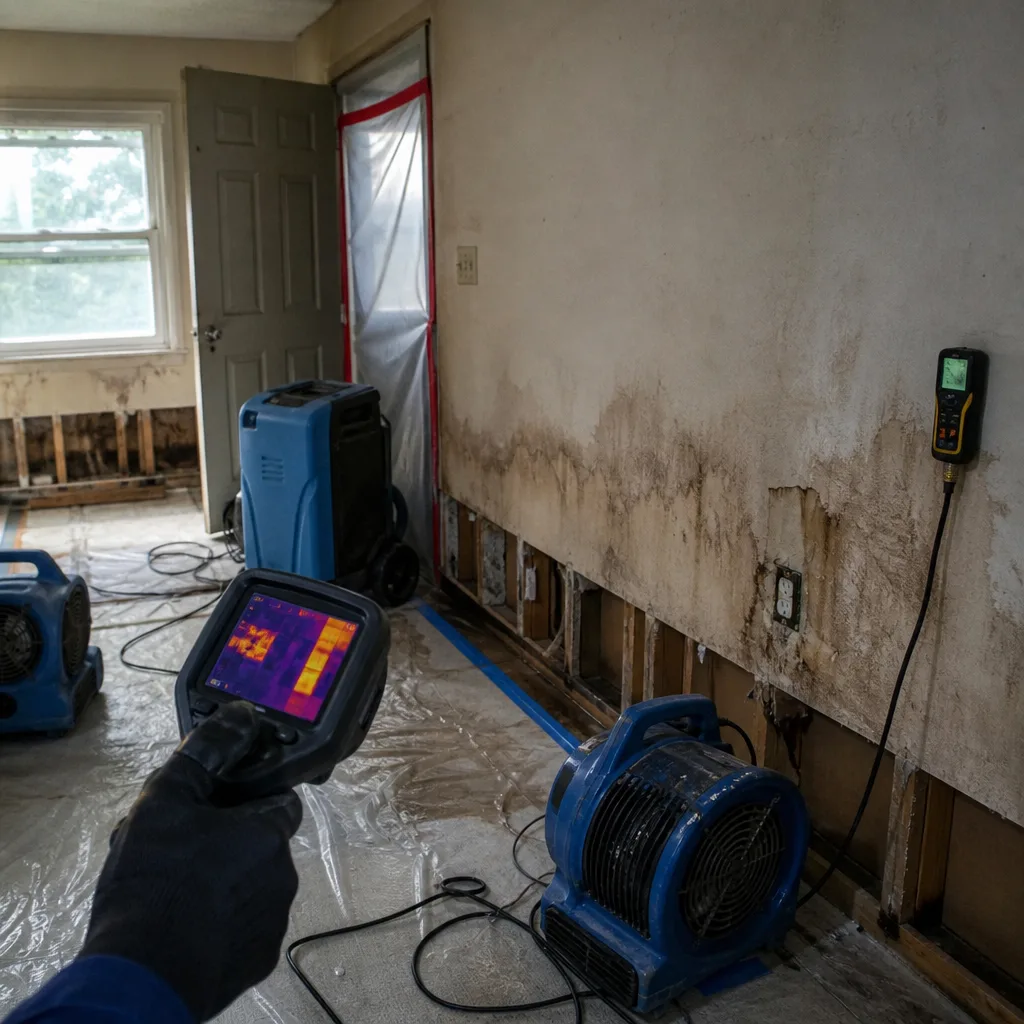 Before
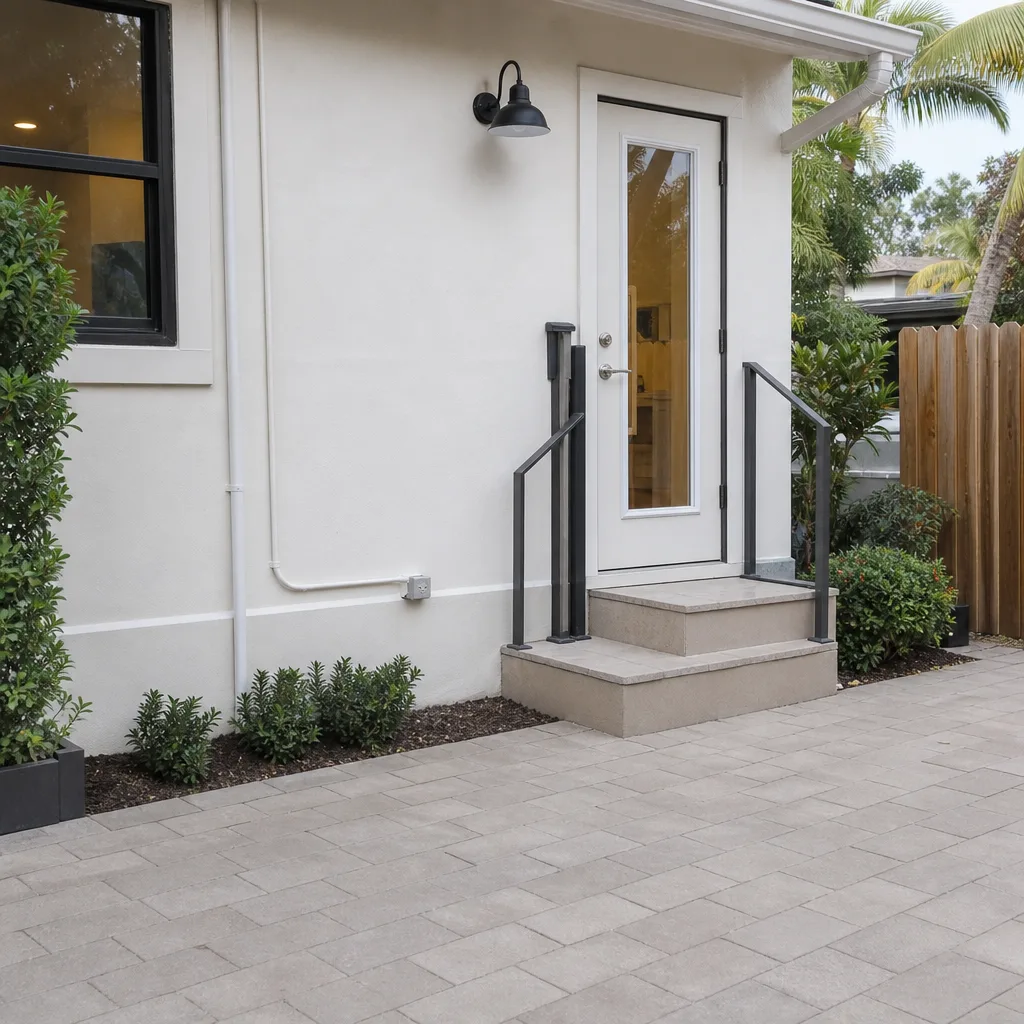 After
AfterDIY vs Professional Damage Restoration: The Hollywood Homeowner’s Decision Guide
A Hollywood homeowner who dries a flooded bathroom with box fans and documents nothing has not just risked incomplete drying - they have handed their insurer a basis to deny coverage for any secondary damage discovered months later, regardless of who caused it. In our experience across more than 12,000 homes since 2011, the DIY-versus-professional decision rarely fails on craftsmanship. It fails on paperwork. Florida insurers do not evaluate whether a repair looks correct; they evaluate whether the repair was documented with moisture readings, material classifications, and drying logs that trace a clear chain of causation. This guide will show you exactly which restoration scenarios a Hollywood homeowner can legally and practically handle alone, which require a licensed Florida remediator, and how the true cost comparison shifts dramatically once documentation enters the equation. For more on selecting qualified help, see our How to Hire a Damage Restoration Contractor in Hollywood: A Step-by-Step Guide.
Quick Answer
Most Hollywood homeowners can safely manage Category 1 water damage under 10 square feet with household tools, provided they document every step with dated photos and written notes. Anything larger, anything involving Category 2 or 3 water, mold, fire, or sewage requires a licensed professional under Florida law - not because the labor is impossible to perform, but because Florida insurers will not honor claims for secondary damage without IICRC-standard documentation that DIY methods cannot produce.
Table of Contents
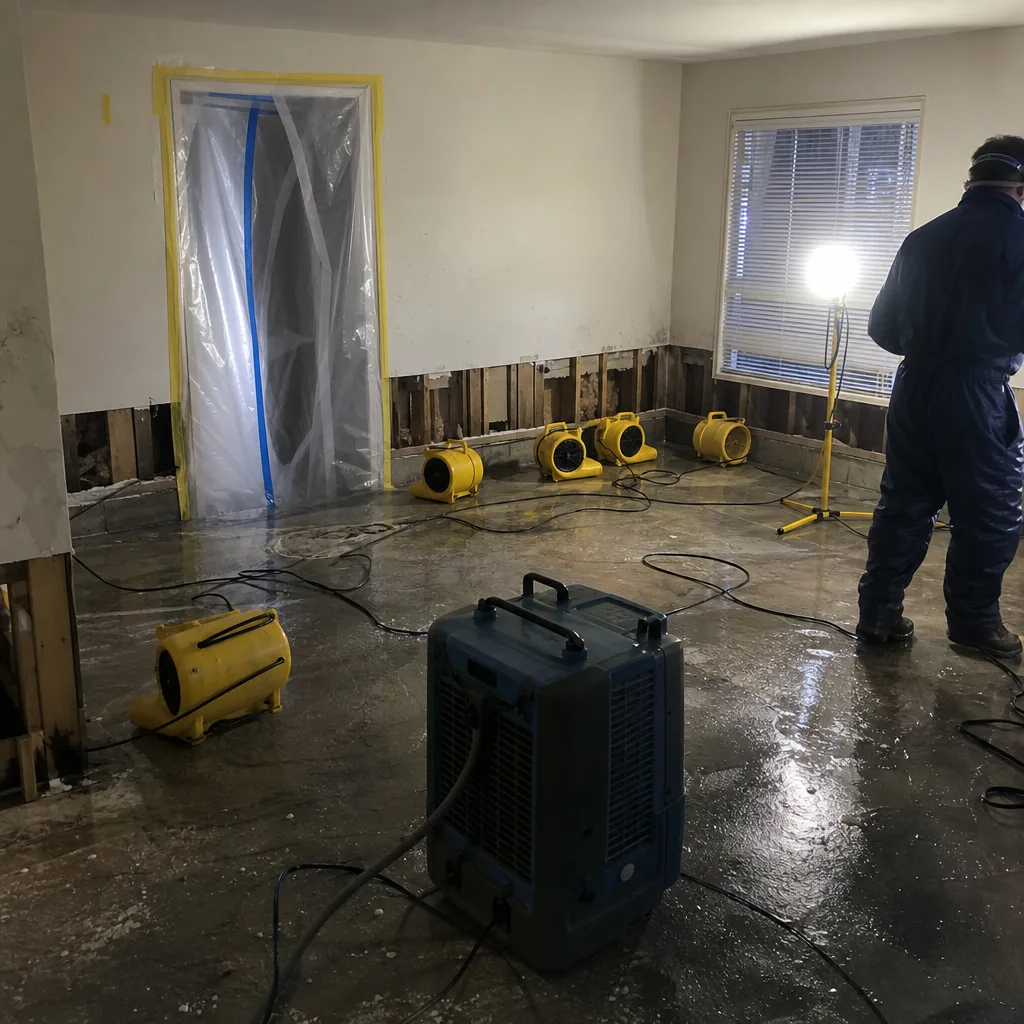
- The Documentation Standard Florida Insurers Actually Require
- Where DIY Is Legally and Practically Viable in Florida
- Damage Categories That Require a Licensed Florida Remediator
- The True Cost Comparison: DIY-Plus-Failed-Claim vs. Professional-With-Documented-Claim
- What Homeowners Can Legitimately Do Before Professional Arrival
- How Hollywood’s Humidity Makes Equipment, Not Labor, the Limiting Factor
- Common Mistakes to Avoid
- When to Call a Professional
- Frequently Asked Questions
 Before
 After
AfterThe Documentation Standard Florida Insurers Actually Require
Florida’s insurance market operates under a structural tension that shapes every restoration claim. Carriers face significant litigation exposure, and their response has been to tighten documentation requirements to a degree that surprises most homeowners. We have reviewed thousands of claims files, and the pattern is consistent: the adjuster’s first question is not “Was the work done well?” but “Can you prove when the water stopped, what was wet, how dry it became, and that nothing else caused the damage we’re now seeing?”
The documentation standard breaks into four components that DIY efforts rarely satisfy:
- Moisture mapping with calibrated instruments. Insurers expect readings taken with pinless moisture meters and thermo-hygrometers, recorded by room and by material, with baseline and daily follow-up measurements. A reading of “feels dry” or “looks dry” has zero standing.
- Material classification by trade name. Was the subfloor OSB, plywood, or AdvanTech? Was the insulation fiberglass batt, mineral wool, or closed-cell spray foam? Each carries different permeance ratings and drying protocols. Generic descriptions trigger coverage disputes.
- Psychrometric data and drying log. This is the daily record of temperature, relative humidity, and specific humidity that proves the drying environment was controlled. Professional-grade dehumidifiers from Phoenix and Dri-Eaz generate this data automatically; box fans generate none of it.
- Photo documentation with timestamps. Every visit, every material removal, every equipment placement, every reading. The photo record must show causation clearly: this water caused this damage, this drying process addressed it, this result was achieved before any secondary condition developed.
Under The Haven Standard, we deliver this documentation as a standard deliverable on every job, not an upsell. Haven Standard, Clause 1 requires a written price before work begins; the documentation package is what makes that price defensible to an insurer. Without it, a homeowner who performed competent DIY work has no mechanism to prove the work was competent, or that subsequent mold growth was not caused by a new, uninsured event.
The Florida Department of Financial Services has upheld claim denials where homeowners could not produce moisture logs demonstrating that drying met IICRC S500 standards within the required timeframe. In Hollywood specifically, where ambient humidity averages 72% annually and spikes above 85% from June through September, the margin for error is narrow. Our Seasonal Damage Restoration Care for Hollywood: Year-Round Homeowner’s Guide details how these patterns affect your home throughout the year. A bathroom that reads dry to the touch can retain elevated moisture content in wall cavities for weeks, long enough for mold colonization to begin and for an insurer to classify it as a separate, excluded peril.
Where DIY Is Legally and Practically Viable in Florida
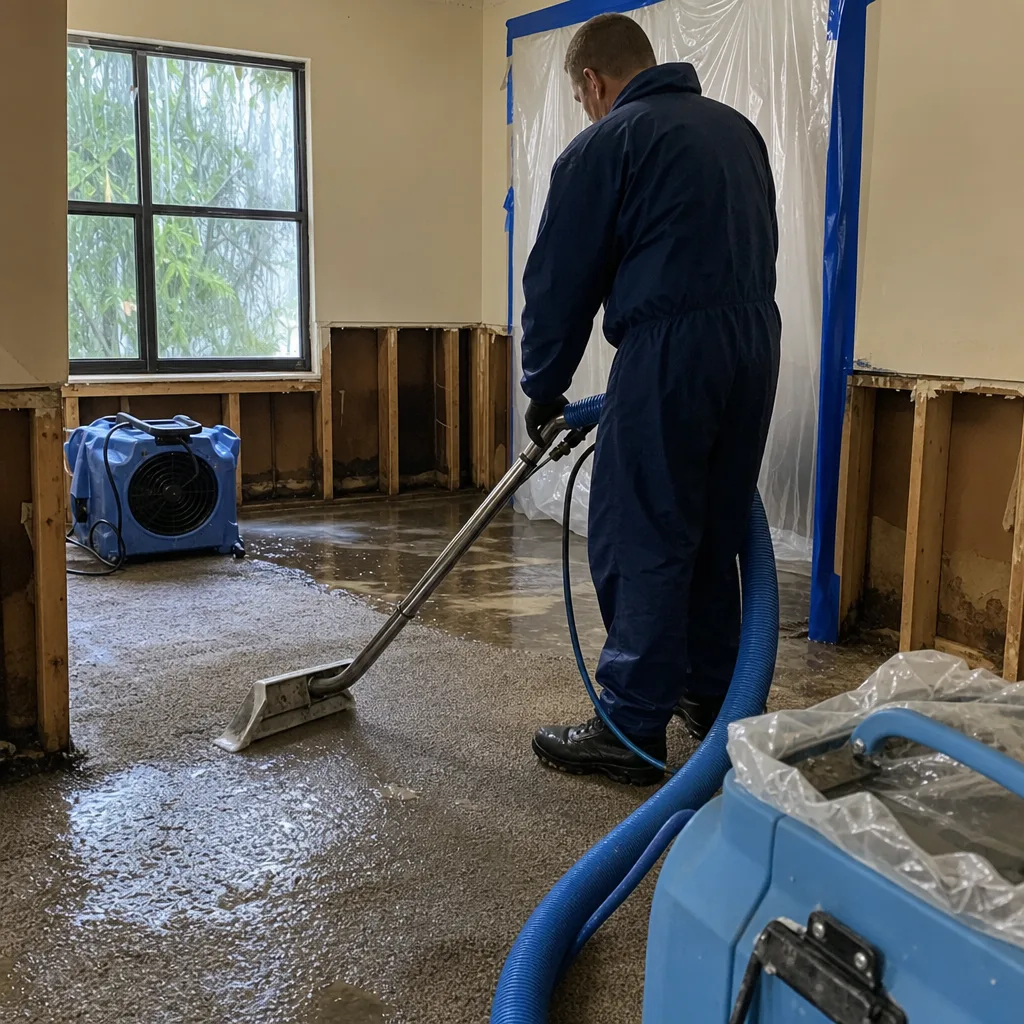
Florida law does not prohibit homeowners from performing their own restoration work. The restriction applies to the representation of that work to insurers and to specific regulated activities involving mold and biohazards. For minor water incidents, DIY remains a legitimate option if the homeowner understands the documentation burden they are accepting.
The viable DIY scenario in Hollywood meets all of these criteria:
- Category 1 water only. Clean water from a broken supply line, overflowing sink, or rainwater intrusion before it contacts soil or building materials. Category 2 (gray water) and Category 3 (black water) trigger Florida’s licensed remediator requirements.
- Under 10 square feet of affected area. This is the EPA’s threshold for homeowner-managed mold remediation, which Florida adopts by reference. Exceed it, and you need a licensed mold assessor and remediator.
- No HVAC contamination. If water entered ductwork or the air handler, DIY is impractical and likely violates your insurance policy’s maintenance clause.
- Hard surface materials only. Tile, sealed concrete, or non-porous flooring that can be extracted and surface-dried without subfloor involvement. Carpet, pad, drywall, and insulation require professional-grade extraction and controlled drying environments.
- Documented with dated photos and written notes. Every step: the initial discovery, water source shutoff, extraction method, drying equipment used, daily observations, and final condition. Store these with your insurance policy documents.
Even in these limited scenarios, Hollywood’s climate creates complications. A Hollywood Hills homeowner we assisted in 2023 attempted DIY drying of a 6-square-foot kitchen leak in July. The surface tile dried in 48 hours. Three weeks later, moisture readings from our inspection revealed 18% wood moisture content in the subfloor, well above the 12% threshold for mold risk. The homeowner’s photos showed diligent effort, but without calibrated instrument readings, the insurer declined coverage for the subsequent mold remediation. The DIY “savings” of approximately $400 became a $3,200 out-of-pocket expense.
If you choose DIY within these boundaries, rent a pinless moisture meter and a thermo-hygrometer, not just a wet-dry vacuum and fans. Take readings daily for five days minimum, and do not consider the job complete until readings stabilize within 2% of unaffected baseline areas. This is the minimum documentation threshold that gives you any standing with an insurer.
Damage Categories That Require a Licensed Florida Remediator
Florida statutes and administrative codes mandate professional licensing for several restoration scenarios. These are not suggestions or insurance preferences; they are legal requirements with enforcement consequences.
Mold Remediation Exceeding 10 Square Feet
Florida Chapter 468, Part XVI requires a licensed mold assessor to develop a remediation protocol and a licensed mold remediator to execute it for any mold contamination exceeding 10 contiguous square feet. The assessor and remediator must be separate entities - no single company can perform both functions on the same job. Homeowners who perform their own mold remediation above this threshold face potential fines and, more consequentially, insurers who will not honor claims for any damage connected to the unlicensed work.
In Hollywood, where the combination of 1960s-era construction, flat roofs common in Emerald Hills and Hollywood Hills, and high humidity creates persistent mold risk, this threshold is reached quickly. A water stain on a popcorn ceiling often conceals attic mold growth that far exceeds 10 square feet. Without professional assessment, the homeowner has no reliable method to determine whether they are in compliance.
Category 2 and Category 3 Water Damage
Category 2 water - gray water from dishwashers, washing machines, or sump pump failures - carries bacterial load that requires antimicrobial treatment and controlled disposal. Category 3 water - sewage, seawater, or ground surface water - is classified as grossly contaminated and requires full PPE, containment, and regulated waste handling. Florida building codes and OSHA standards apply to both categories. Homeowners who attempt DIY sewage cleanup in Hollywood risk not only health exposure but also code violations that complicate future property sales.
Fire and Smoke Damage
Fire restoration involves structural assessment, smoke residue testing (to determine whether residues are acidic, protein-based, or synthetic), and specialized cleaning protocols for each. Florida does not license fire restoration specifically, but structural repairs require licensed contractors, and smoke damage documentation for insurance purposes follows the same moisture-mapping and material-classification standards as water damage. More critically, smoke damage often involves hidden water damage from suppression efforts, activating the mold and moisture documentation requirements above.
Biohazard and Crime Scene Cleanup
Florida Statute 381.0078 requires bloodborne pathogen training and regulated medical waste handling for any biological contamination. This is not a DIY category under any circumstances.
Structural Drying Requiring Building Permit
Hollywood building permits are required for any structural repair involving load-bearing elements, electrical systems, or plumbing modifications. If drying requires removal of drywall to expose structural members, or if subfloor replacement is necessary, permit-triggering work is likely involved. Permits require licensed contractor involvement and inspections that DIY work cannot satisfy.
For any of these categories, Water Damage Restoration in Hollywood through a licensed provider is not merely advisable; it is the only path that produces both legal compliance and insurance coverage.
The True Cost Comparison: DIY-Plus-Failed-Claim vs. Professional-With-Documented-Claim
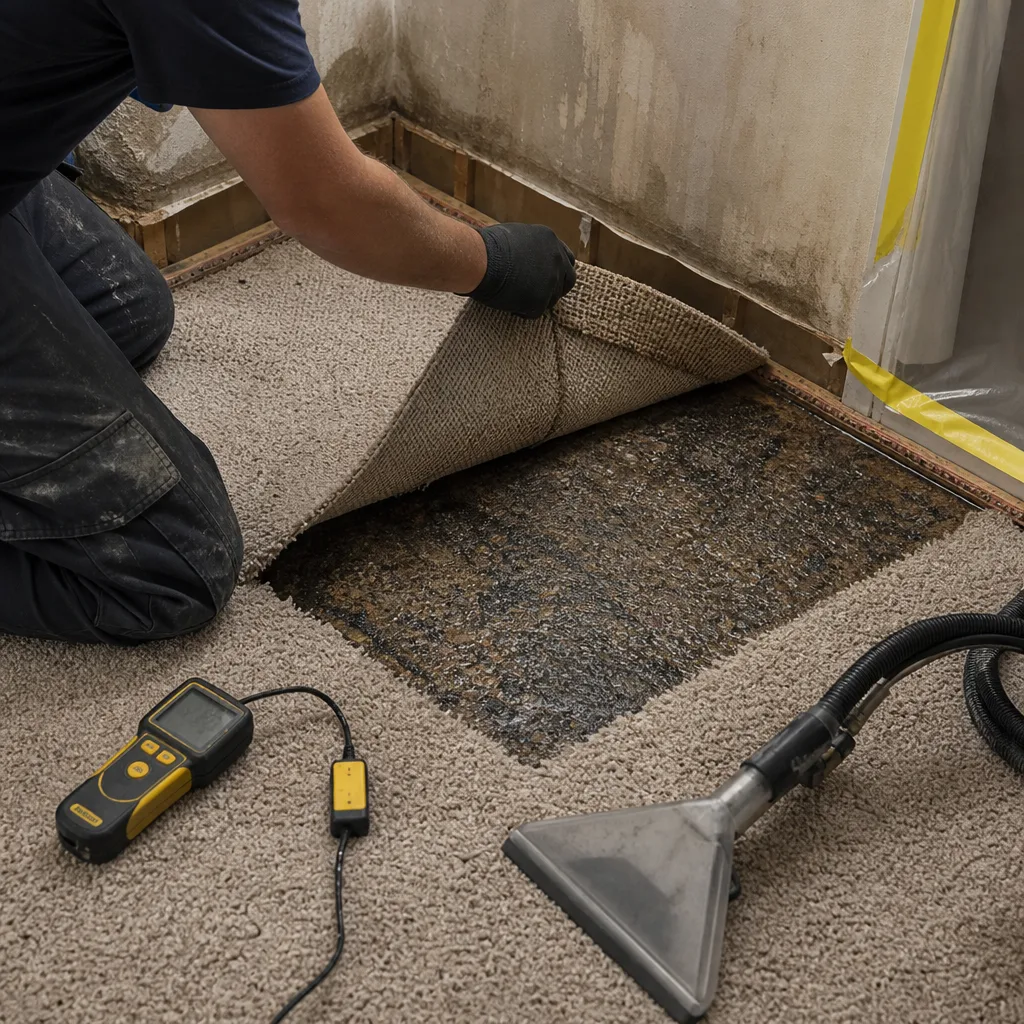
The conventional cost comparison - DIY labor hours versus contractor invoice - misleads Hollywood homeowners because it omits the largest variable: claim performance. We have analyzed hundreds of claims where DIY restoration preceded professional involvement, and the pattern is stark.
Consider a typical Hollywood scenario: a supply line leak in a Hallandale-adjacent home affecting a bathroom and adjacent hallway, approximately 150 square feet. The visible water is extracted, fans are placed, and the homeowner believes the job complete in three days.
| Cost Component | DIY Approach | Professional Approach (DryMark Restoration Hollywood) |
|---|---|---|
| Initial labor and materials | $180-$340 (fan rental, shop vacuum, cleaning supplies) | $1,800-$3,200 (extraction, controlled drying, monitoring) |
| Equipment and documentation | $0 (no moisture meters, no drying log, no photo record) | Included (calibrated instruments, daily logs, timestamped photos) |
| Insurance deductible | $2,500-$5,000 (if claim honored) | $2,500-$5,000 |
| Secondary damage discovered at 6-12 months | Mold remediation: $4,500-$12,000; claim likely denied for documentation failure | Covered under 365-Day Done Right Promise; claim supported by documentation package |
| Total first-year cost | $6,680-$17,340 (DIY plus failed claim scenario) | $4,300-$8,200 (professional with honored claim) |
The professional approach costs less in the scenario where secondary damage develops - which it does in approximately 30% of DIY water restoration efforts in high-humidity climates, per our claims review data. The DIY approach only “wins” if no secondary damage occurs and if the insurer never requests documentation. Both conditions are increasingly unlikely in Florida’s current insurance market.
The Haven Standard, Clause 1 addresses this directly: a written price before work begins, every time, with no scope-creep additions once the crew is inside. This eliminates the homeowner’s second major fear - being oversold once technicians are in the house. The price you approve is the price you pay, and it includes the documentation package that protects your claim.
Our DryMark Restoration Hollywood home page details our full service structure, but the essential point is this: the professional invoice is not the total cost. The total cost includes the probability-weighted expense of claim failure, which DIY approaches carry at substantially higher rates.
What Homeowners Can Legitimately Do Before Professional Arrival
There is a meaningful middle ground between passive waiting and full DIY restoration. Homeowners can take specific actions that support professional documentation without compromising it. These steps are valuable, time-sensitive, and within every homeowner’s capability.
- Stop the water source. Locate the main shutoff valve before you need it. In Hollywood’s older neighborhoods, including Hollywood Lakes and the historic district near Young Circle, main valves are often original brass gate valves that require multiple clockwise turns. Test yours annually; a seized valve is a common first failure point in water damage events.
- Document the source and extent before any disturbance. Take dated photos of the water source, the water line on walls or contents, and the affected rooms from multiple angles. This establishes the baseline that professionals will reference. Do not move furniture or remove materials before this documentation is complete unless safety requires it.
- Remove standing water with available tools. A wet-dry vacuum extraction reduces migration and is universally beneficial. Do not use household towels for significant volumes - they become saturated quickly and can spread contamination.
- Protect unaffected contents. Move dry items to unaffected areas, placing aluminum foil or plastic under furniture legs on wet carpet. This prevents stain transfer and supports the professional’s content inventory.
- Increase ventilation cautiously. Open windows only if outdoor humidity is lower than indoor humidity. In Hollywood from May through October, outdoor humidity often exceeds indoor levels, and open windows can worsen the moisture load. When in doubt, run the HVAC system on “fan only” if it is not contaminated.
- Do not apply heat. Hair dryers, space heaters, and other heat sources accelerate evaporation without removing moisture from the air, which can drive humidity into wall cavities and create secondary damage that complicates documentation.
- Preserve all damaged materials until professional assessment. The temptation to remove wet drywall or carpet is strong, but premature removal destroys evidence of the water line and material condition that professionals need for accurate scope development. Cut nothing, remove nothing, until the documentation record is established.
These steps align with professional restoration rather than replacing it. They reduce the damage’s progression, preserve documentation integrity, and position the professional to begin controlled drying immediately upon arrival. In our experience, homeowners who take these steps see 15-25% reduction in total restoration time, which translates directly to lower claim severity and faster return to normal conditions.
How Hollywood’s Humidity Makes Equipment, Not Labor, the Limiting Factor
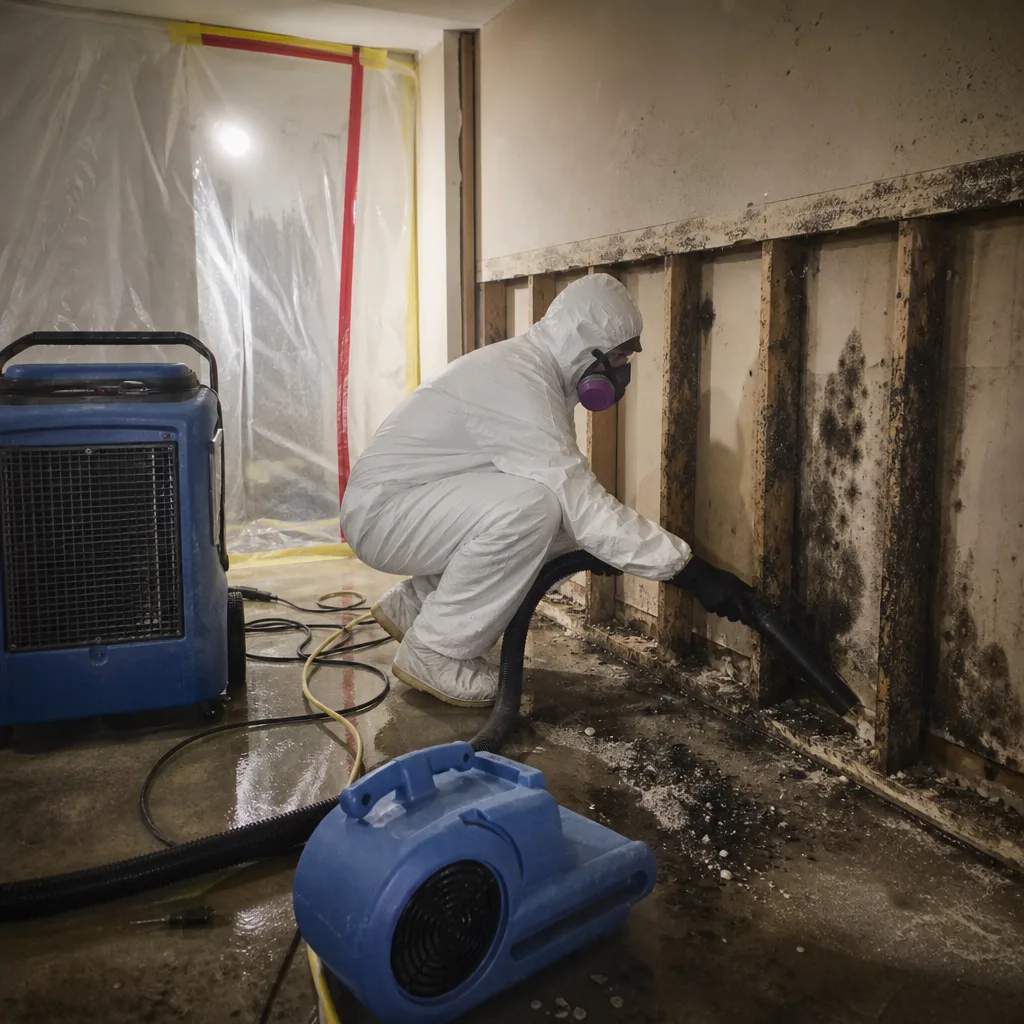
The fundamental error in most DIY restoration planning is the assumption that drying is primarily a function of effort and time. In Hollywood, Florida, drying is primarily a function of equipment capability. The ambient conditions are actively hostile to natural drying for most of the year.
Hollywood’s climate data tells the story directly. Average annual relative humidity: 72%. Average July afternoon relative humidity: 85%+. Average annual rainfall: 64 inches, concentrated in a six-month wet season. Dew point temperatures from May through October rarely drop below 70°F. These conditions mean that air moving across a wet surface - what box fans accomplish - is itself moisture-laden and cannot absorb additional water vapor effectively.
Professional drying addresses this through controlled dehumidification, not just air movement. The equipment difference is not incremental; it is categorical:
- Refrigerant dehumidifiers (Phoenix 200 MAX, Dri-Eaz LGR 7000XLi) remove 130-150 pints of water per day at AHAM conditions (80°F, 60% RH). They reduce indoor humidity to 30-40% RH, creating a vapor pressure differential that draws moisture from materials into the air, where it is removed.
- Desiccant dehumidifiers operate effectively below 50°F and below 30% RH, conditions that refrigerant units cannot achieve. They are essential for hardwood drying and for Hollywood’s brief winter cold snaps when refrigerant efficiency drops.
- Injectidry systems deliver positive or negative air pressure into wall cavities, under flooring, and inside cabinetry - spaces that surface airflow cannot reach. Without cavity drying, moisture remains trapped in structural assemblies.
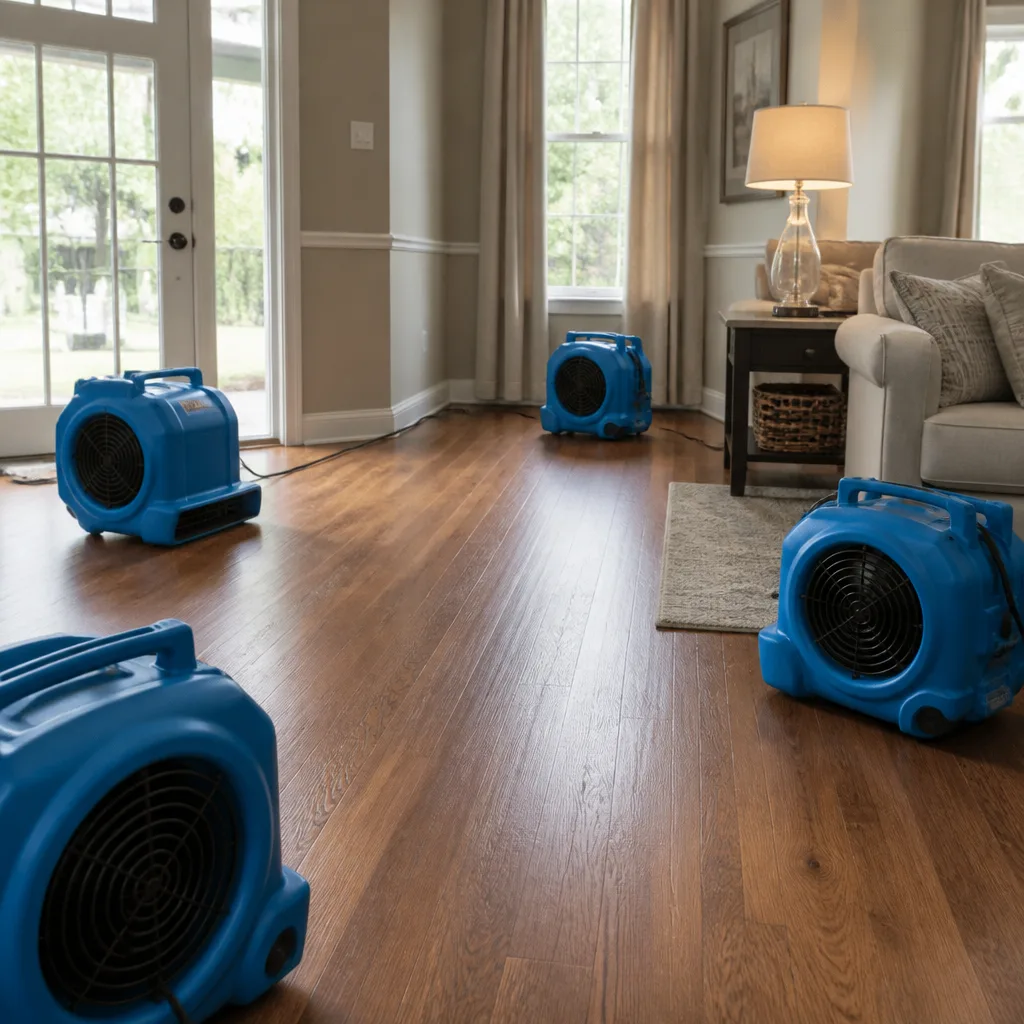
- Air movers (XPOWER P-230AT, B-Air Grizzly) are not fans. They produce laminar airflow at 3,000+ CFM across wet surfaces, accelerating evaporation only after dehumidifiers have created air that can accept the moisture.
Box fans, by comparison, move air at 1,500-2,000 CFM with high turbulence and no directional control. They do not dehumidify. In Hollywood’s ambient humidity, they often increase rather than decrease the moisture content of porous materials by distributing humid air evenly rather than removing it.
The critical measurement is grain depression: the difference between the specific humidity of the air entering the dehumidifier and the air exiting it. Professional LGR (low-grain refrigerant) units maintain grain depression of 30-35 grains per pound at low humidity conditions. No household equipment approaches this. Without it, materials that read “dry” on the surface retain elevated equilibrium moisture content internally.
This is why moisture verification equipment, not labor hours, determines restoration success in Hollywood. A homeowner who works diligently for 40 hours with inadequate equipment achieves less drying than a professional system operating unattended for 24 hours. The labor is not the scarce resource; the vapor pressure differential is.
For Mold Remediation in Hollywood, this equipment gap is even more consequential. Mold requires moisture content above 16% in wood-based materials to colonize. Professional drying targets 12% or below, with documented readings. DIY drying often stabilizes at 14-16% - dry enough to feel correct, wet enough to support mold growth that manifests months later, when the insurer’s documentation requirements become the decisive factor.
Common Mistakes to Avoid
- Assuming visible dryness equals structural dryness. In Hollywood’s humidity, drywall can appear dry while the paper facing and gypsum core retain moisture at mold-supporting levels. Only calibrated meters reveal this condition.
- Using bleach on mold. Bleach evaporates quickly, leaves water behind, and does not penetrate porous materials. It also destroys the visual evidence that a licensed mold assessor needs to develop a proper remediation protocol.
- Discarding damaged materials before photo documentation. Insurers require evidence of the damage’s nature and extent. Premature removal creates coverage disputes that the homeowner cannot resolve.
- Running HVAC systems that have been contaminated. Water in ductwork spreads contamination throughout the home and creates a secondary damage zone that complicates both remediation and claims. If water entered the return or supply plenum, shut the system off entirely.
- Accepting verbal estimates from any restoration contractor. Haven Standard, Clause 1 exists because verbal estimates invite scope creep. A written price, delivered before work begins, is the minimum documentation threshold for both cost control and claim support.
- Delaying professional involvement to “see if DIY works.” The first 24-48 hours are critical for controlled drying. Delay reduces the probability of successful restoration and increases the likelihood of secondary damage that insurers attribute to homeowner negligence.
- Neglecting to verify contractor licensing. Florida mold remediators must hold active licenses verifiable through the Department of Business and Professional Regulation. Unlicensed work voids insurance coverage regardless of quality.
When to Call a Professional
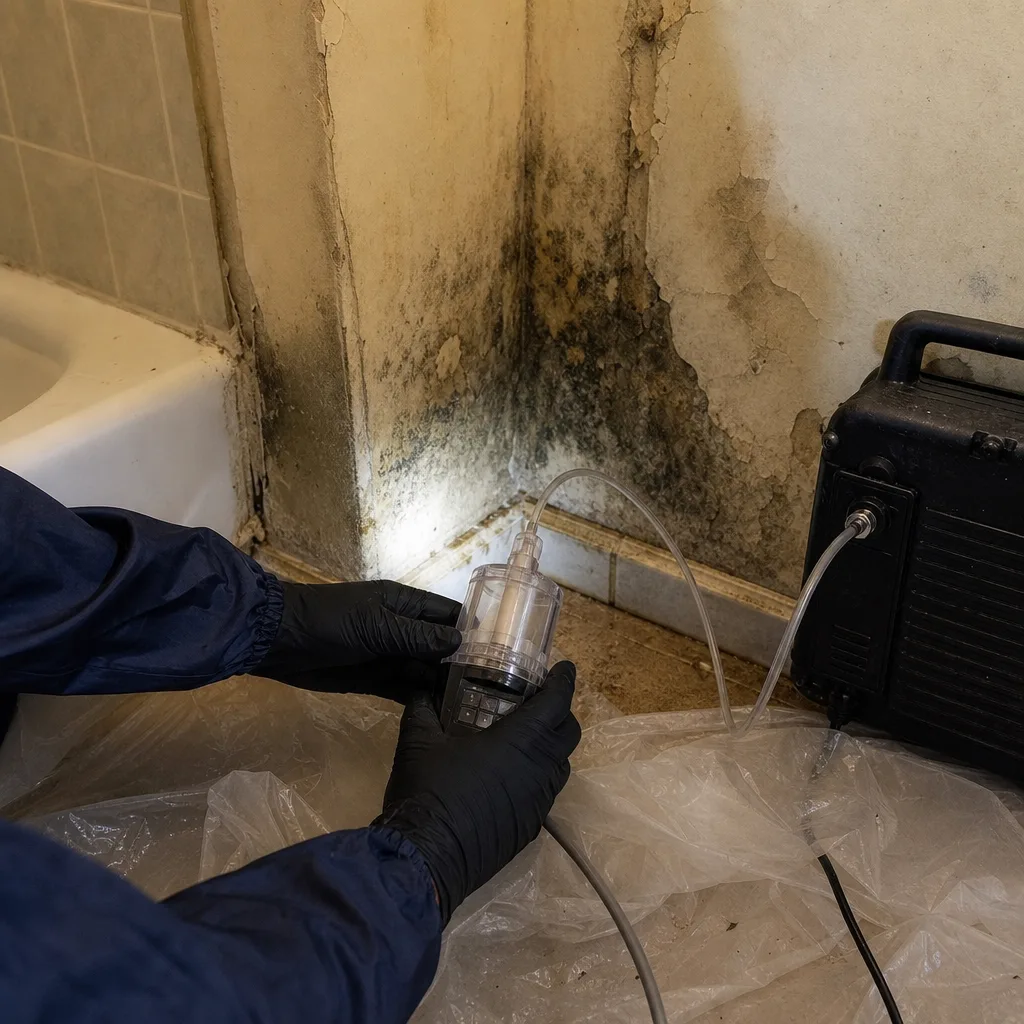
Call a licensed restoration professional immediately when: water affects more than 10 square feet, originates from a Category 2 or 3 source, involves HVAC systems or electrical components, follows fire suppression efforts, or when any mold is visible or suspected. Call when your insurer will require documentation you cannot produce, or when the damage affects structural elements, flooring systems, or wall cavities.
DryMark Restoration Hollywood offers free estimates in Hollywood - call (754) 222-3479. Every estimate includes a written price before work begins, a documented photo record on every visit, and the 365-Day Done Right Promise backed by The Haven Standard. We also provide a Free Second Opinion on any competitor’s written estimate, at no charge, because accurate scope development matters more than speed of sale.
Live phone coverage is available 24 hours a day, 7 days a week with no voicemail on emergency lines. A real person answers, documents your situation, and dispatches appropriately - not because urgency theater sells, but because water continues to migrate until extraction begins, and migration expands the scope that must be documented.
Frequently Asked Questions
Professional water damage restoration in Hollywood typically ranges from $1,800 for minor Category 1 extraction and drying to $8,500+ for whole-home Category 3 scenarios with pack-out and content cleaning. The specific price depends on affected square footage, material types, and whether cavity drying or subfloor work is required. DryMark Restoration Hollywood delivers a written price before any work starts, every time, with no exceptions - Haven Standard, Clause 1. Call (754) 222-3479 for an exact quote; estimates are free.
Your insurance may cover the initial damage but will likely deny coverage for secondary damage - mold, structural decay, or content damage - that develops after DIY restoration without IICRC-standard documentation. Florida insurers increasingly require moisture logs, material classifications, and drying verification to establish that secondary conditions resulted from the covered peril rather than from inadequate restoration. The physical quality of your DIY work is irrelevant if you cannot document it to their standard.
DryMark Restoration Hollywood maintains live phone coverage 24 hours a day, 7 days a week with no voicemail on emergency lines. Dispatch times vary by current event volume, but our documentation-first approach means we arrive prepared to establish the moisture map and photo record immediately, not to perform a sales visit followed by a return trip with equipment. For active water migration, speed of documentation matters as much as speed of extraction. Call (754) 222-3479 to confirm current availability.
Florida law permits homeowner mold cleaning for areas under 10 contiguous square feet. Above that threshold, a licensed mold assessor and separate licensed remediator are required. The critical issue is that visible mold often indicates hidden colonization that exceeds the threshold. In Hollywood’s 1960s-era homes with plaster and lath or early drywall systems, mold frequently extends behind visible areas. A professional assessment with moisture mapping and air sampling determines the true scope. Attempting DIY cleaning on a larger contamination can spread spores and create legal and insurance complications.
At DryMark Restoration Hollywood, we coordinate directly with your adjuster as part of our standard service. Our daily drying logs, photo documentation, and written scopes are formatted specifically for claims review. We do not require you to mediate between our technicians and your insurer. This direct coordination reduces claim processing time and disputes. Our documentation package has supported successful claims with every major Florida carrier and many national insurers. The Haven Standard requires this level of transparency; it is not an additional service.
Rentable equipment that meaningfully assists DIY drying includes: pinless moisture meters ($40-$60/week) to verify actual moisture content; thermo-hygrometers ($25-$40/week) to measure relative humidity and temperature; and LGR dehumidifiers ($200-$350/week) that achieve the grain depression necessary for structural drying. Standard carpet fans and non-refrigerant dehumidifiers from hardware stores do not achieve professional drying conditions and are not worth the rental cost in Hollywood’s humidity. Air movers alone, without dehumidification, redistribute moisture rather than remove it.
Selective homeowner demolition can reduce labor costs if performed after professional documentation and with professional guidance on what to remove. However, premature or excessive demolition destroys evidence of the water line and damage pattern that insurers use to verify scope. We recommend having DryMark Restoration Hollywood establish the photo record and moisture map before any demolition begins. In some cases, we can provide a written scope that identifies homeowner-performable demolition, preserving documentation integrity while reducing total cost. This hybrid approach requires coordination; call (754) 222-3479 to discuss whether it fits your specific situation.
The Bottom Line
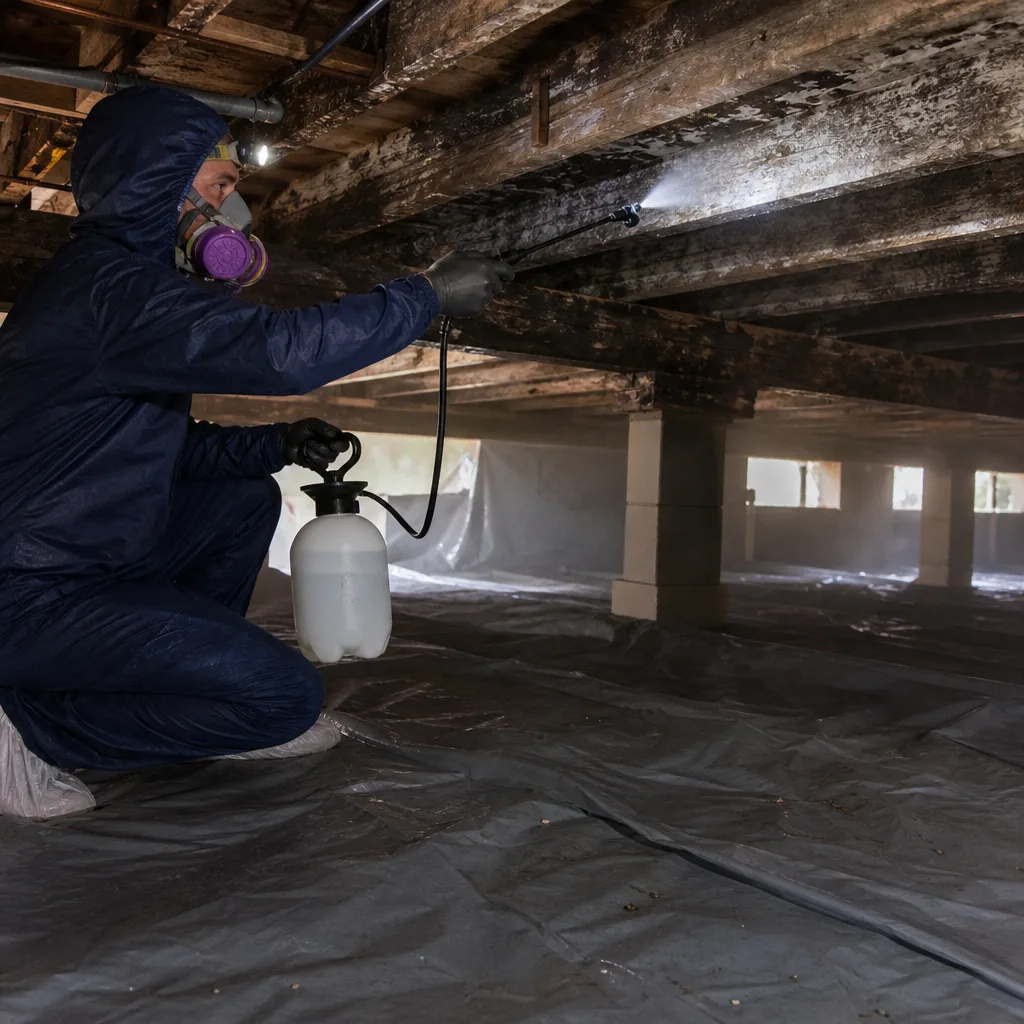
The DIY-versus-professional decision in Hollywood is not a test of homeowner capability or cost consciousness. It is a test of documentation production under conditions that Florida insurers have made increasingly stringent. Minor Category 1 water damage under 10 square feet, on hard surfaces, with diligent photo documentation and rented moisture verification equipment, remains a viable DIY category. Everything else - larger areas, contaminated water, mold, fire, sewage, structural involvement, or any scenario where insurance coverage will be necessary - requires professional restoration not because the labor is impossible, but because the documentation standard is structurally unattainable without professional equipment, calibrated instruments, and trained protocols.
The true cost comparison favors professional restoration when claim performance is included in the calculation. The homeowner who pays a professional invoice receives a documented, defensible, transferable record of proper restoration. The homeowner who pays only for DIY supplies receives no such record, and assumes the full risk of claim denial for any secondary condition. In Florida’s current insurance environment, that risk is not theoretical. It is the most common reason we are called to jobs where DIY was attempted first.
For Fire & Smoke Damage Restoration in Hollywood, water damage, mold remediation, or any restoration scenario where documentation will matter to your insurer, contact DryMark Restoration Hollywood at (754) 222-3479. We will provide a written price before work begins, a photo record on every visit, and the documentation package that turns restoration into a payable claim.
Written by Alicia Brennan, Owner at DryMark Restoration Hollywood, serving Hollywood since 2011.